The history of pickup trucks is also the history of work itself. As economies evolved, industries expanded, and technology transformed the workplace, trucks changed alongside them. Early pickups were basic machines built for farms and factories. Later models reflected the rise of contractors, small businesses, suburban commuters, and even remote workers. Looking at the trucks that defined different periods reveals how dramatically work has changed over the last century. Each of these models captures the priorities of the people who relied on them most.
1917 Ford Model TT
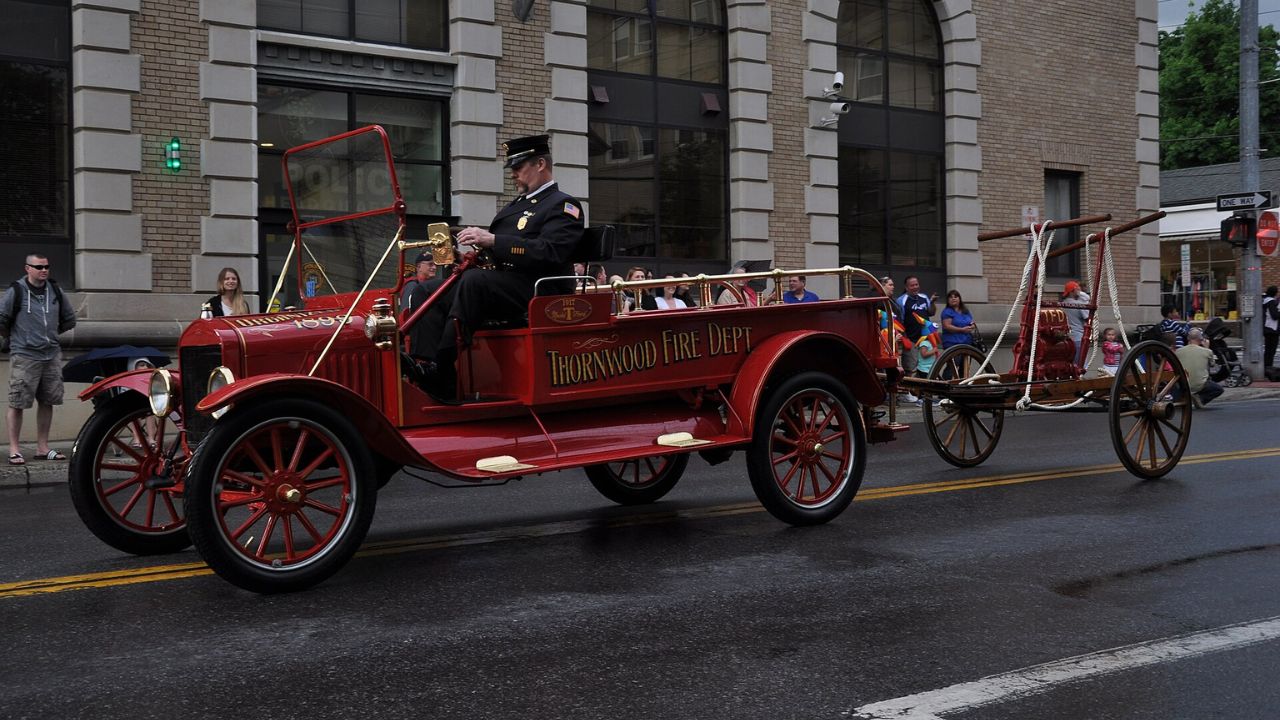
The Ford Model TT arrived when businesses were beginning to replace horses with motorized transportation. Built for hauling goods and equipment, it allowed farmers, merchants, and tradespeople to cover greater distances more efficiently. Reliability and affordability mattered above all else, reflecting a workforce focused on manual labor and local commerce. The Model TT helped modernize countless small businesses and became a symbol of America’s transition into the automotive age.
1948 Ford F-1
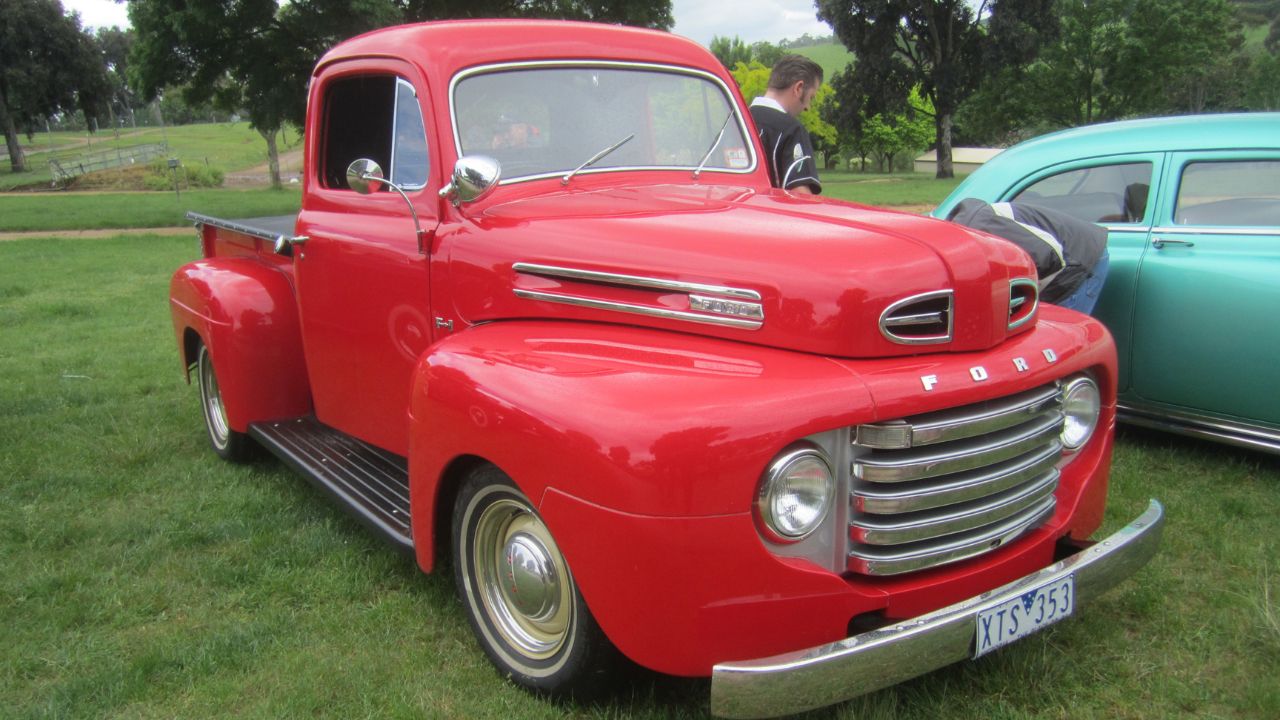
The Ford F-1 reflected the needs of a postwar workforce rebuilding communities and expanding industries. Buyers wanted trucks that could handle demanding jobs while offering greater comfort than prewar models. Farmers, builders, and small-business owners relied on pickups daily, often spending long hours behind the wheel. The F-1 captured a period when trucks were evolving from purely utilitarian machines into vehicles workers could comfortably use every day.
1955 Chevrolet Task Force
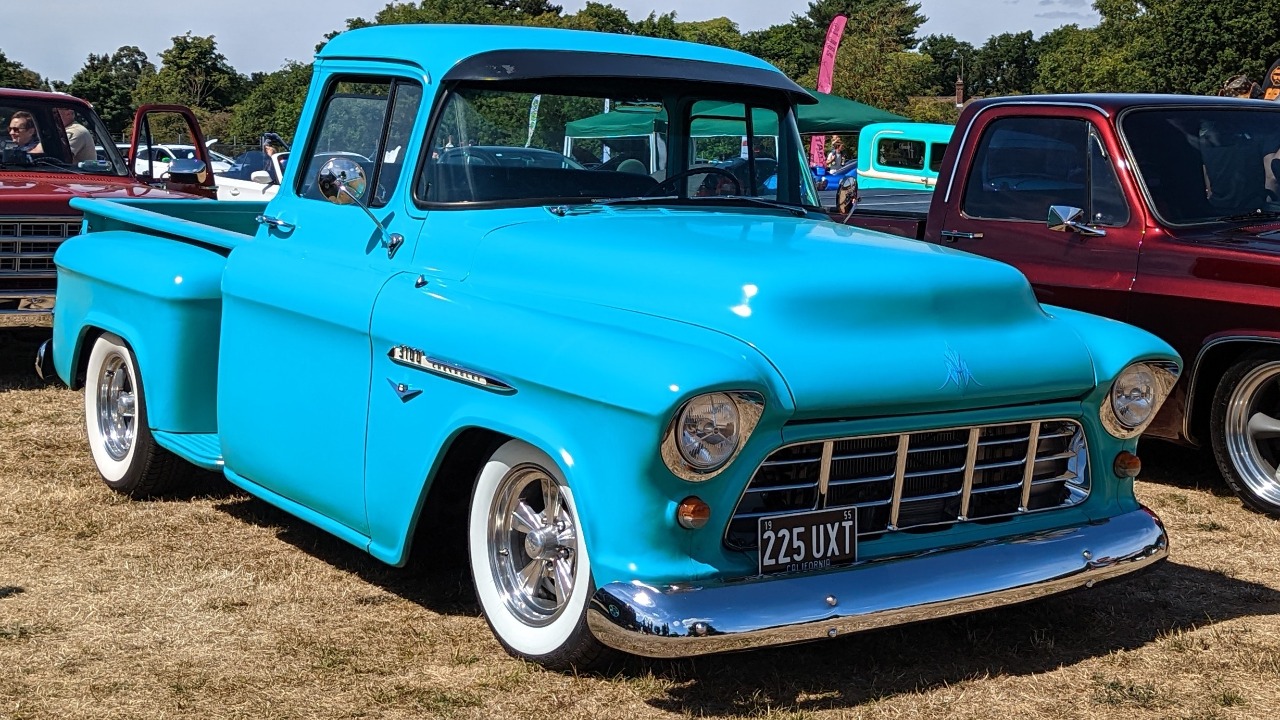
America’s booming economy created demand for trucks that balanced capability with style. The Chevrolet Task Force series reflected that shift perfectly. Businesses still needed dependable work vehicles, but buyers increasingly cared about appearance and comfort as well. Many owners used their trucks for both work and personal transportation, a growing trend that would continue for decades. The Task Force symbolized a workforce enjoying rising prosperity and mobility.
1961 International Harvester Scout
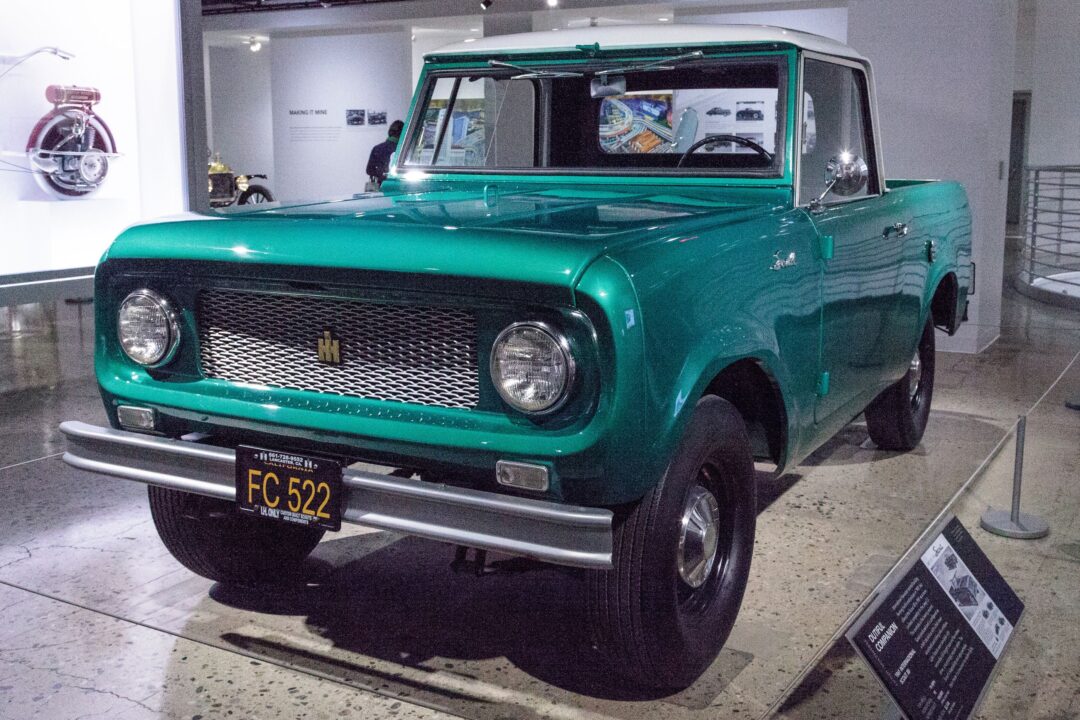
The Scout arrived as work became less tied to traditional farms and factories. Surveyors, utility crews, forestry workers, and outdoor professionals needed vehicles capable of reaching remote locations. The Scout blended truck utility with off-road capability, helping workers access places conventional vehicles couldn’t reach. Its popularity reflected a growing economy that relied on infrastructure, exploration, and specialized fieldwork across a wider range of industries.
1978 Dodge Lil’ Red Express
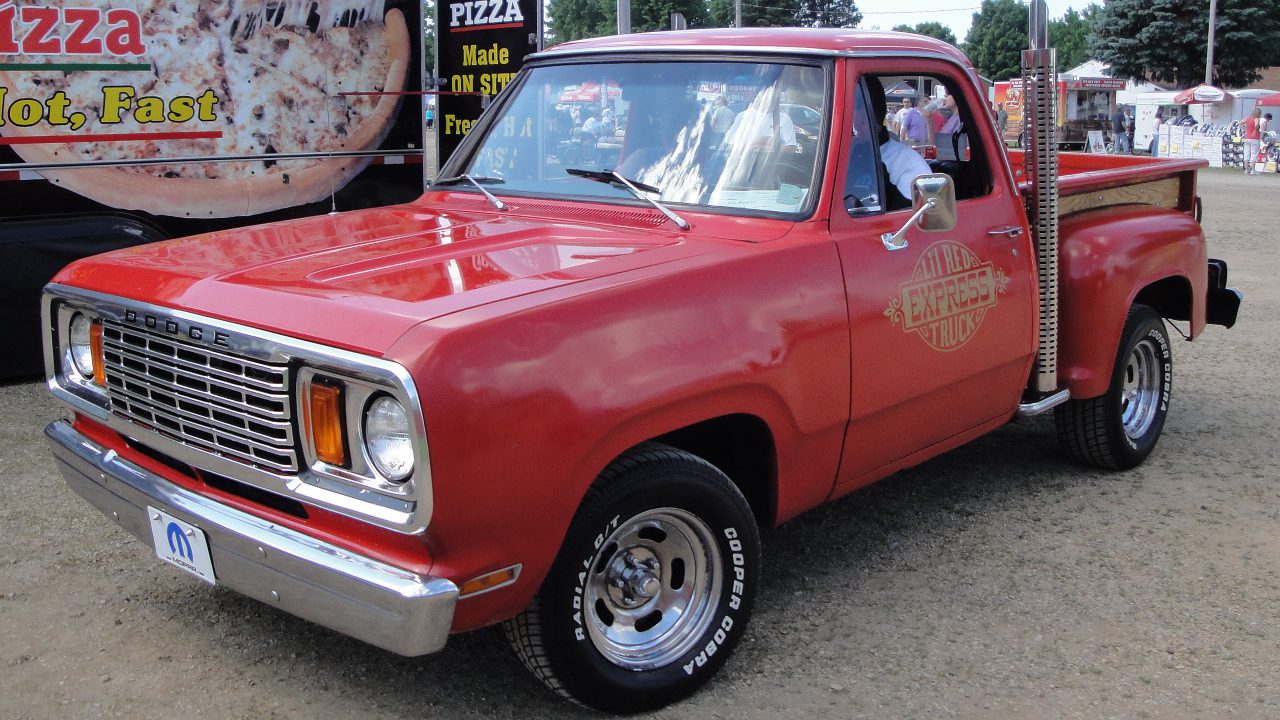
By the late 1970s, many truck buyers wanted more than just a tool for work. The Dodge Lil’ Red Express demonstrated that pickups could also be fun and expressive. Performance, personality, and style suddenly mattered alongside utility. Its success reflected changing attitudes toward work vehicles, as pickups increasingly became personal transportation and lifestyle statements rather than machines used exclusively for earning a living.
1989 Dodge Ram Cummins
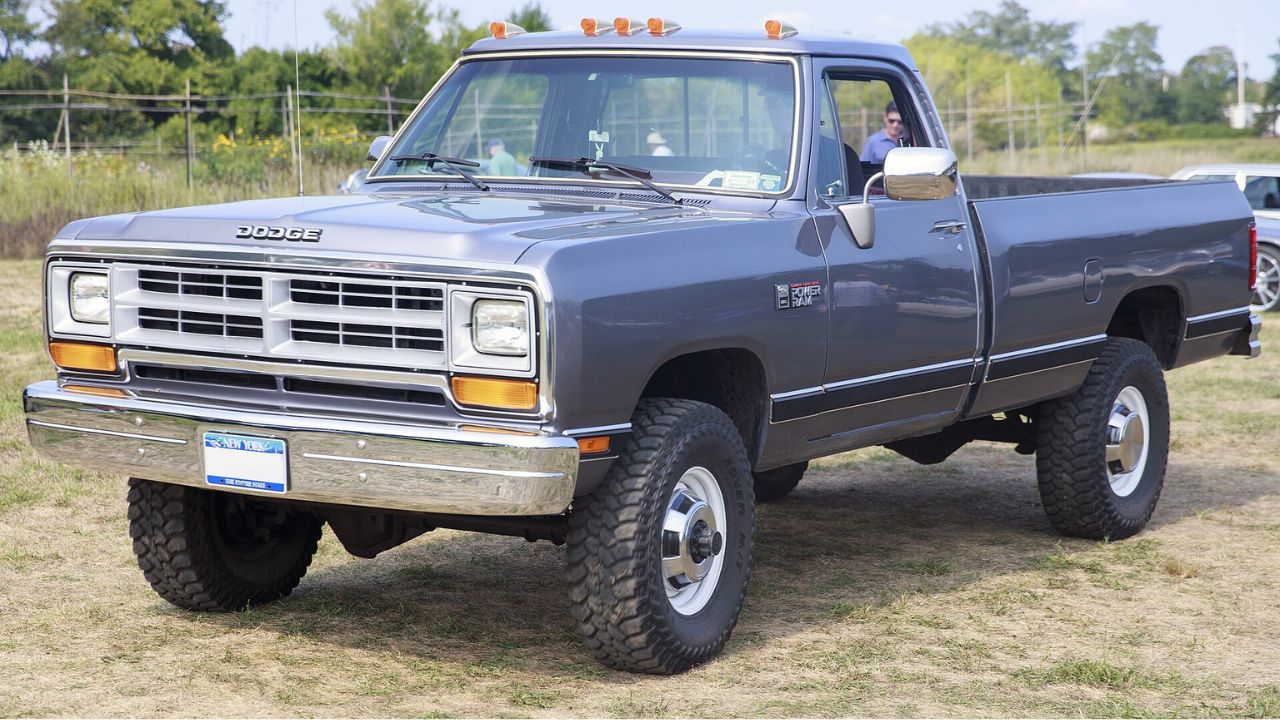
The introduction of the Cummins-powered Ram reflected the increasing demands placed on commercial vehicles. Contractors, ranchers, and heavy-equipment operators needed trucks capable of towing larger loads while remaining dependable over hundreds of thousands of miles. Diesel power offered exactly that. The truck became a favorite among serious workers, representing an era when productivity, efficiency, and durability were becoming critical competitive advantages.
1993 Ford Ranger
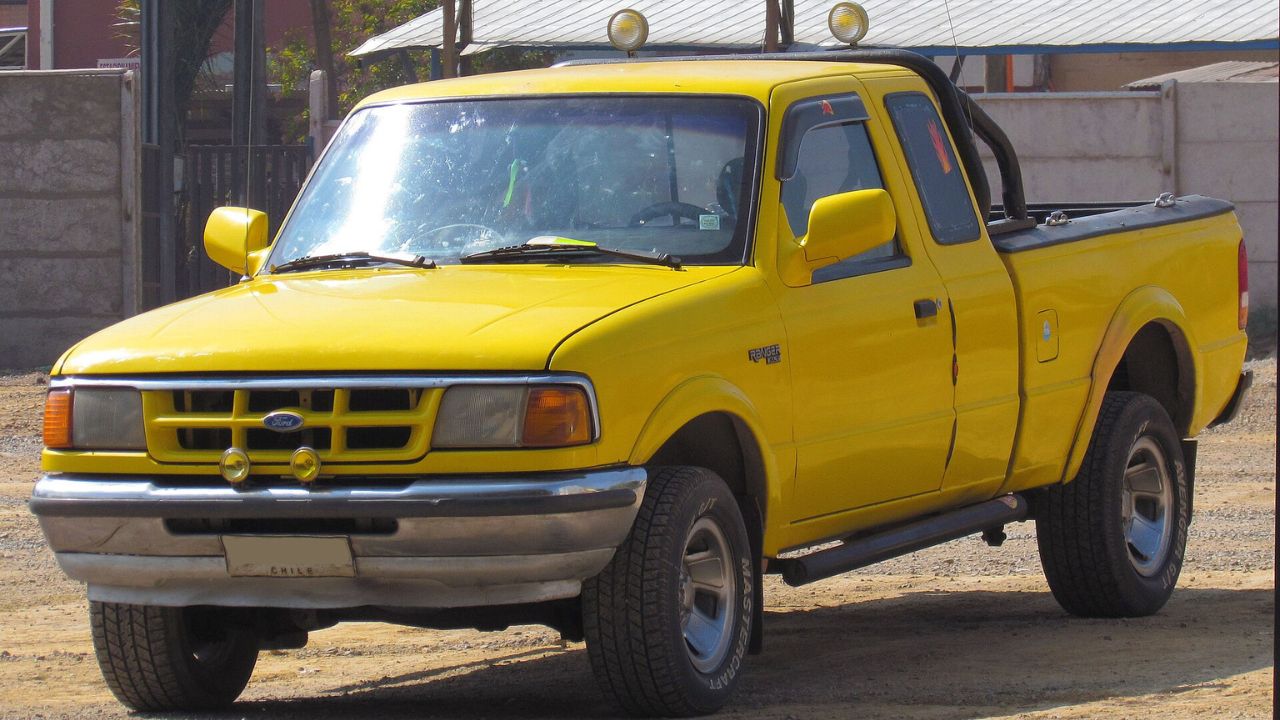
The Ford Ranger reflected the growth of independent tradespeople and small businesses. Not every worker needed a heavy-duty pickup, and many valued affordability and efficiency over maximum capability. Landscapers, electricians, repair technicians, and countless entrepreneurs embraced compact trucks because they offered just enough utility without excessive operating costs. The Ranger became a symbol of a workforce increasingly built around flexibility, mobility, and self-employment.
2010 Ford F-150 SVT Raptor
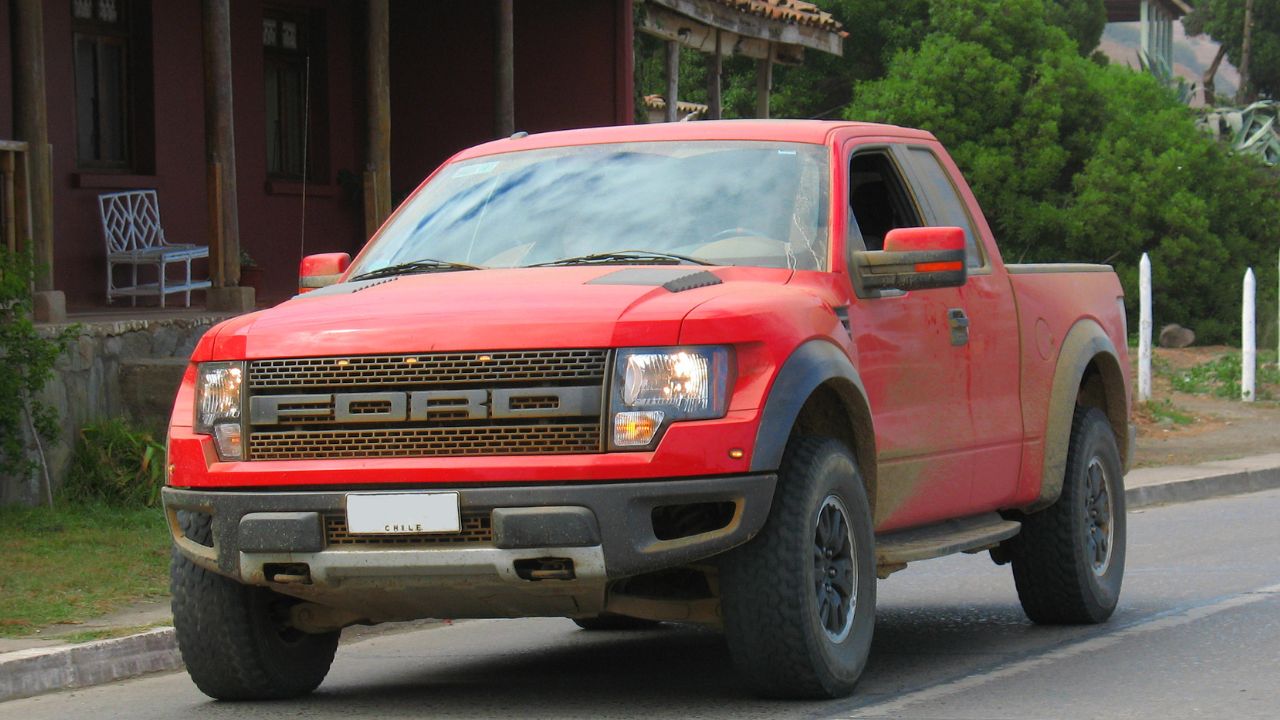
The Raptor reflected a period when many truck owners no longer needed their vehicles primarily for work. Instead, pickups became tools for recreation, adventure, and personal expression. Buyers wanted factory-built capability for camping, trail driving, and outdoor exploration. The Raptor’s success showed how trucks had evolved from job-site necessities into lifestyle products that reflected how people chose to spend their free time.
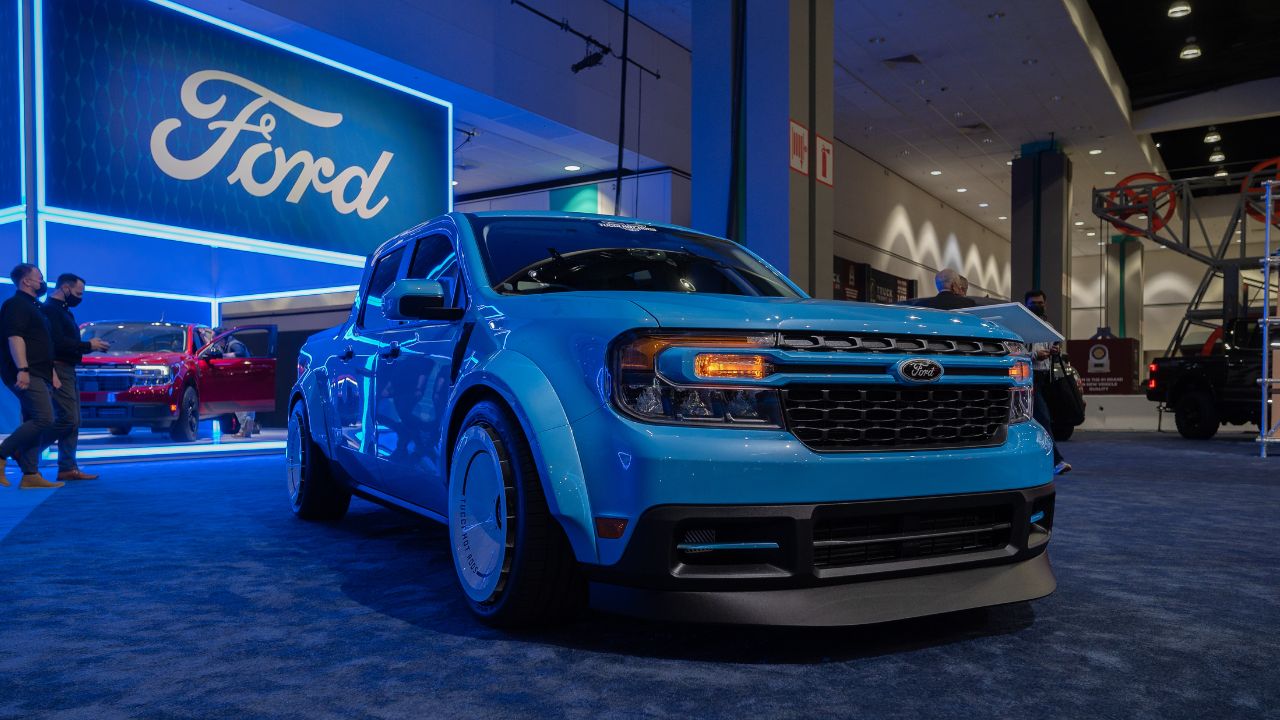
2022 Ford Maverick

The Ford Maverick captures the realities of modern work better than many larger pickups. Small-business owners, gig-economy workers, urban professionals, and remote employees often need occasional utility without the expense of a full-size truck. The Maverick’s efficiency, affordability, and practical design reflect a workforce that values flexibility and resourcefulness. It represents a new era where versatility matters more than maximum towing capacity or payload ratings.
More from Fast Lane Only