The automotive industry rarely changes overnight. More often, a single vehicle introduces an idea that seems unusual at first, only for competitors to copy it until it becomes the new standard. Whether through innovative packaging, new technology, or a fresh take on what buyers wanted, some vehicles permanently altered expectations. Looking back, it’s hard to imagine the market without their influence. These vehicles didn’t just succeed—they helped redefine what drivers came to consider normal.
Chrysler Minivan

Before the Chrysler Minivan arrived, families typically chose between large station wagons and cumbersome full-size vans. The minivan offered something different: a vehicle designed specifically around passenger comfort, cargo flexibility, and ease of use. Buyers quickly embraced the concept, and competitors rushed to develop similar models. Within a few years, the minivan became the default family vehicle, fundamentally changing expectations about practicality and interior space.
Toyota RAV4
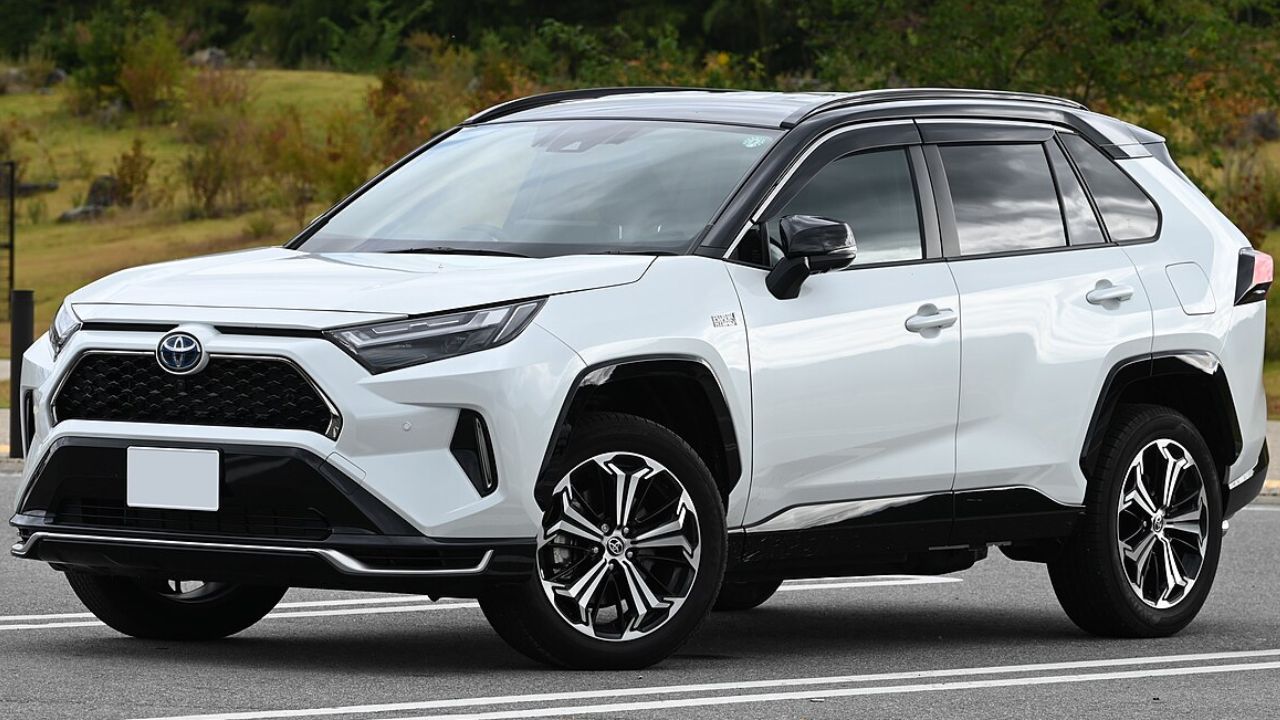
The Toyota RAV4 helped normalize the idea that buyers could enjoy SUV versatility without the compromises of a traditional truck-based vehicle. Its manageable size, car-like driving dynamics, and practical interior appealed to a broad audience. What initially seemed like a niche concept eventually became the template for the modern crossover, a vehicle category that now dominates roads around the world.
Lexus LS
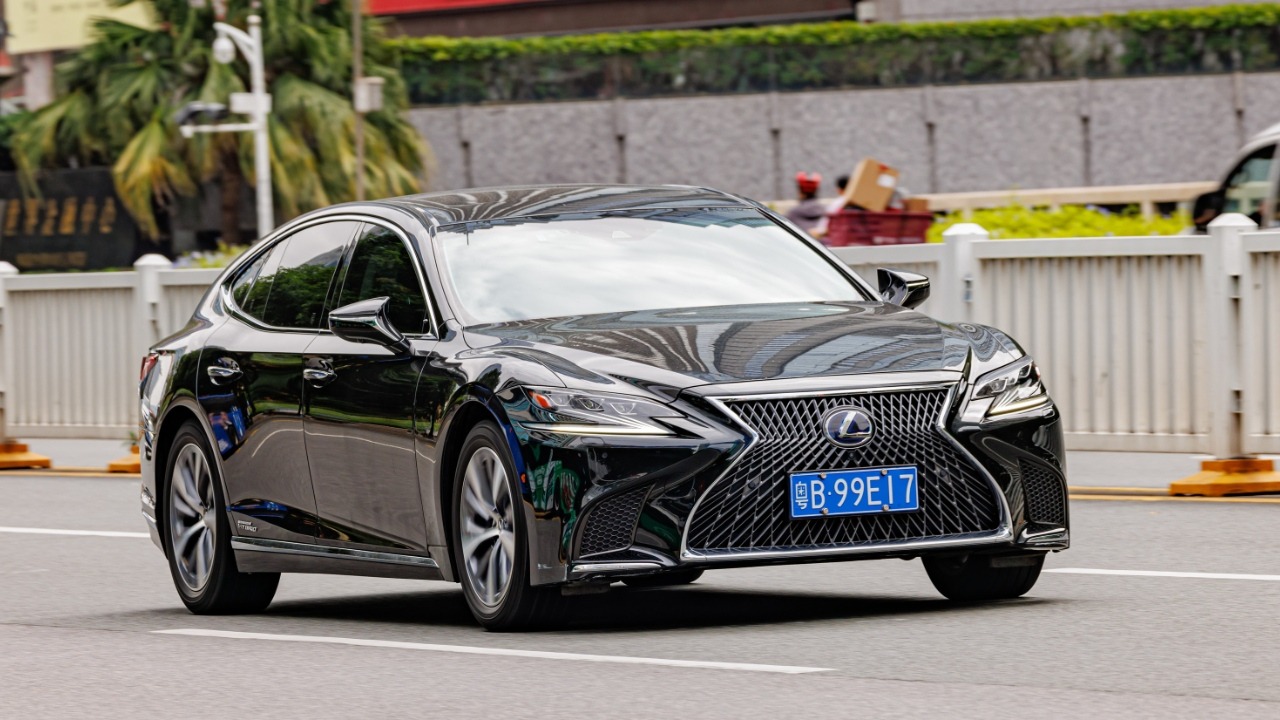
Luxury buyers once accepted that premium vehicles might require sacrifices in reliability and ownership costs. The Lexus LS challenged that assumption by delivering exceptional refinement alongside remarkable dependability. Its success forced competitors to improve quality standards and customer service. The LS permanently changed what buyers expected from luxury brands, proving that comfort, prestige, and reliability could coexist.
Ford Taurus
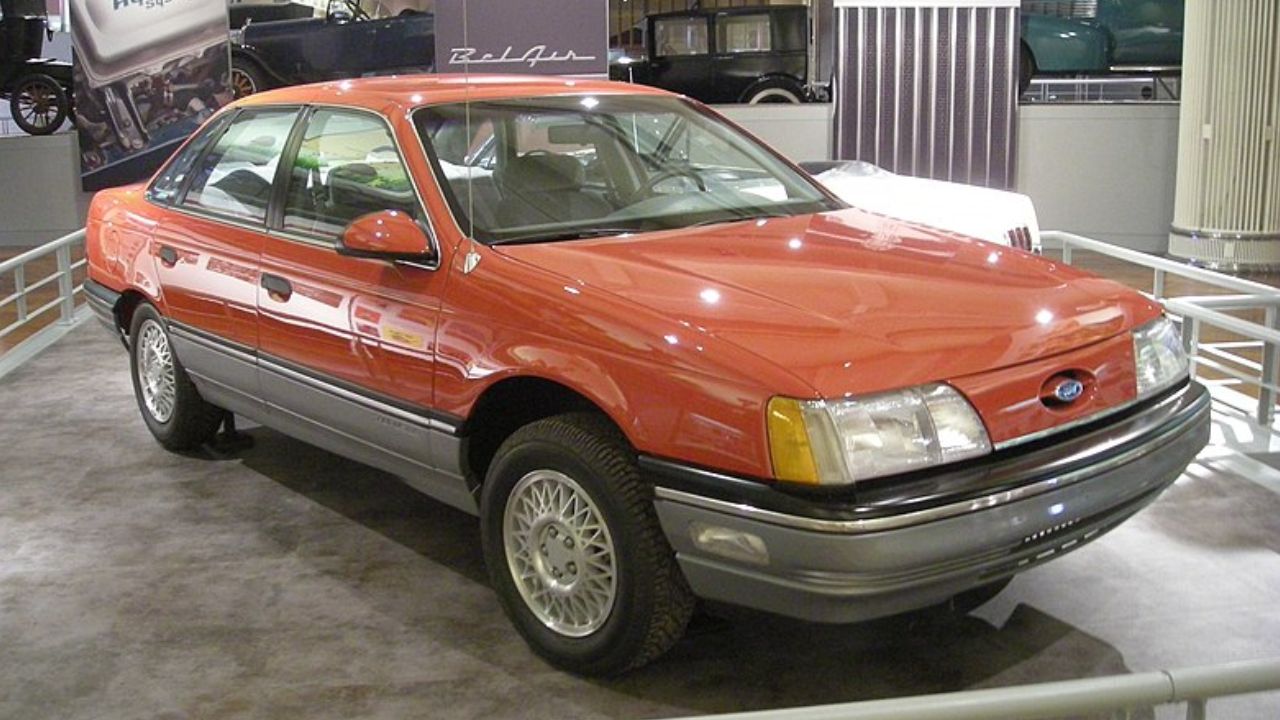
When the Ford Taurus debuted, its aerodynamic styling stood out dramatically from the boxy sedans surrounding it. Buyers responded enthusiastically, encouraging other manufacturers to embrace more modern and efficient designs. Beyond styling, the Taurus also demonstrated the importance of comfortable interiors and user-friendly packaging. It helped push family sedans into a new era and changed how mainstream cars looked for years afterward.
Toyota Prius

The Toyota Prius transformed hybrid technology from a curiosity into a mainstream automotive solution. Before its arrival, fuel efficiency was often treated as a secondary consideration. The Prius showed that efficiency could become a defining feature and a source of pride for owners. Its popularity helped normalize hybrid powertrains and paved the way for broader acceptance of alternative forms of propulsion.
Tesla Model S
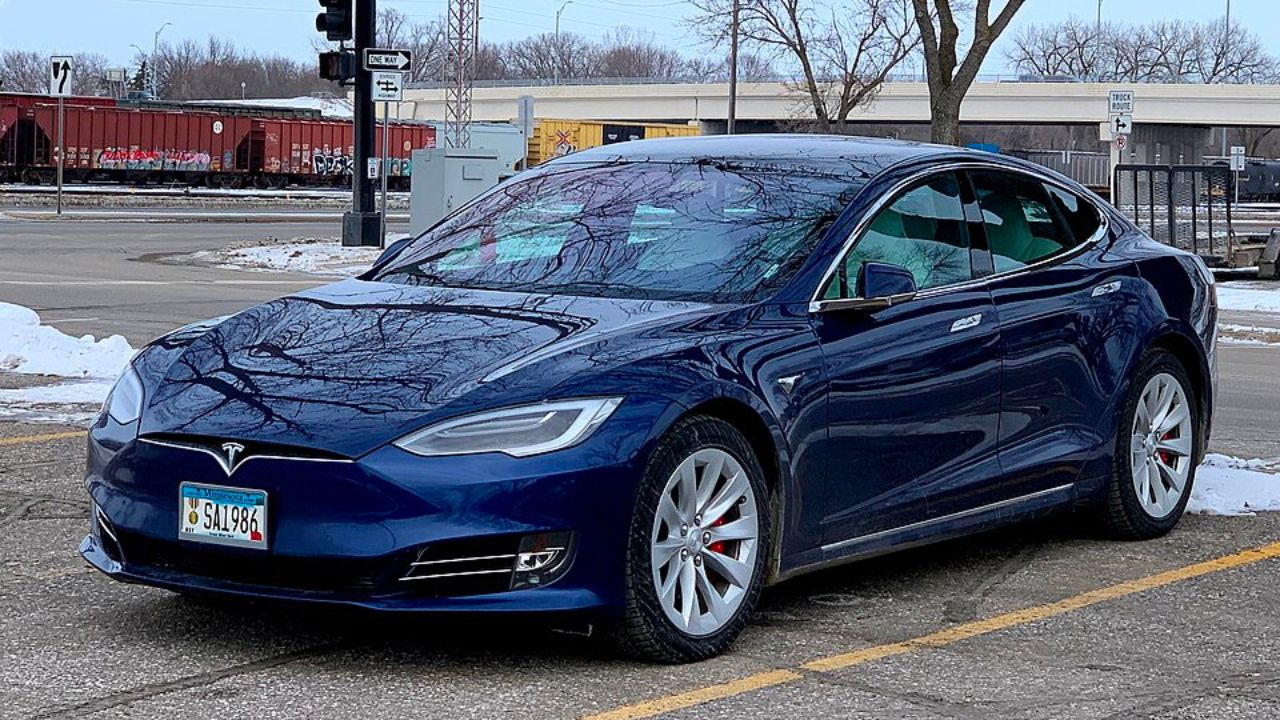
The Tesla Model S fundamentally altered perceptions of electric vehicles. Rather than asking buyers to accept compromises, it offered impressive performance, advanced technology, and practical range. The vehicle demonstrated that electric cars could compete directly with luxury sedans, forcing the industry to accelerate its own electrification efforts. Today, many features once associated exclusively with Tesla have become expected throughout the market.
Honda CR-V
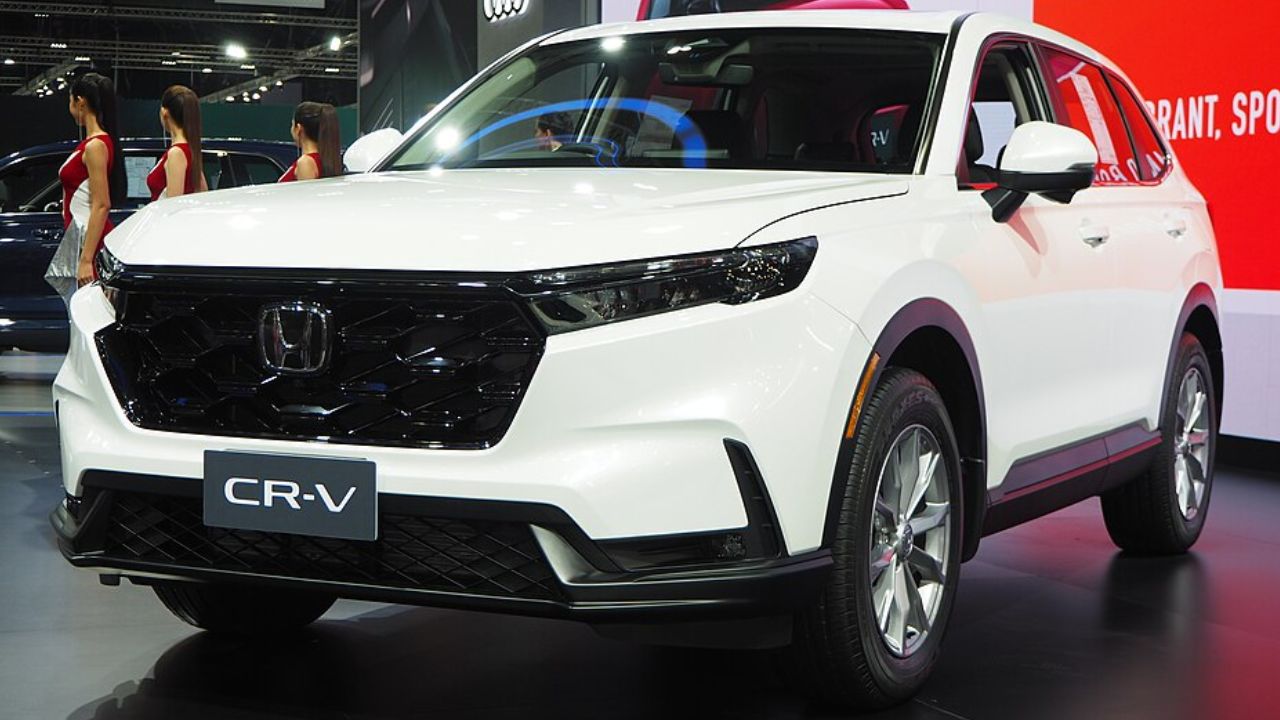
The Honda CR-V helped establish a new kind of family vehicle. Combining the practicality of a wagon with the versatility of an SUV, it appealed to buyers who wanted flexibility without unnecessary complexity. Its success showed that consumers valued comfort, efficiency, and cargo space over traditional truck-based ruggedness. The CR-V played a major role in shaping the crossover-dominated market we know today.
Ford F-150

For decades, pickup trucks were viewed primarily as work tools. The Ford F-150 helped broaden that definition by increasingly emphasizing comfort, technology, and everyday usability. As more buyers began using trucks as family vehicles and daily drivers, the F-150 evolved to meet those expectations. Its success reflected—and accelerated—the transformation of pickups from specialized tools into mainstream transportation.
Nissan Leaf
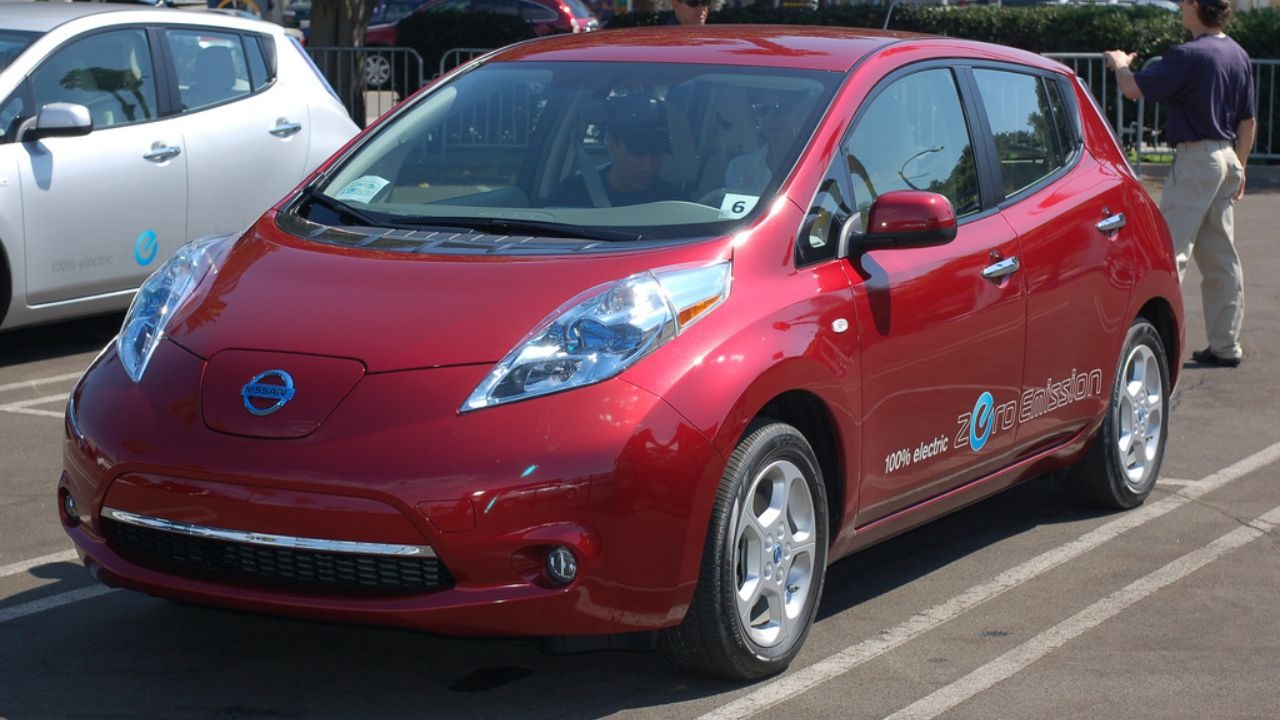
The Nissan Leaf helped make electric vehicles feel accessible to ordinary buyers. Unlike exotic prototypes or expensive luxury models, it was designed as a practical everyday car. By bringing electric mobility into the mainstream, the Leaf helped familiarize consumers with charging, battery technology, and emissions-free driving. It played a critical role in making electric vehicles a normal part of the automotive conversation.
More from Fast Lane Only