Motorsports usually favors dominant teams, massive budgets, and superstar drivers, but sometimes unlikely competitors rewrite history with shocking victories. These unforgettable wins stunned fans, frustrated favorites, and proved that determination, strategy, and perfect timing can overcome overwhelming odds. Decades later, racing enthusiasts still talk about these incredible underdog triumphs that seemed almost impossible when the events began.
Brawn GP — 2009 Australian Grand Prix
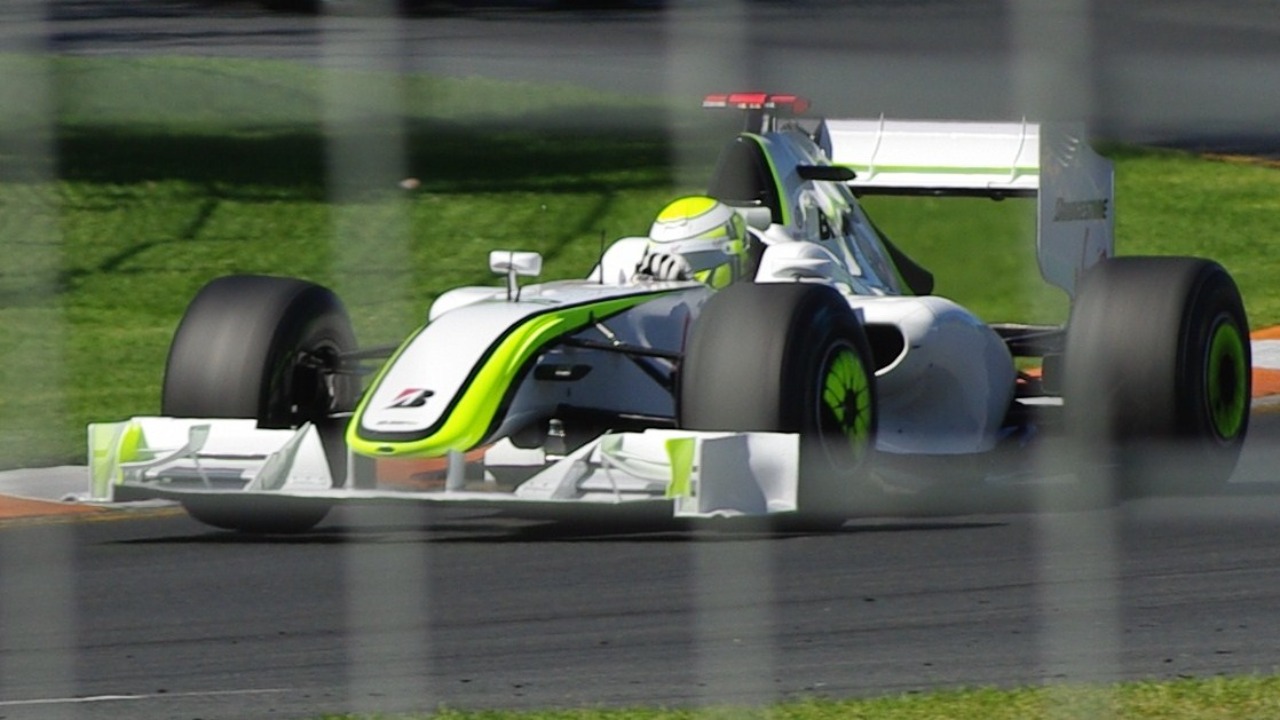
The Brawn GP entered the 2009 Formula One season after surviving financial collapse and barely securing funding before the opening race. Many doubted the newly formed team could even remain competitive, yet Brawn stunned the sport by dominating the Australian Grand Prix with Jenson Button taking victory. Mechanics and engineers worked relentlessly with limited resources compared to larger manufacturers. The win shocked rival teams and immediately transformed Brawn GP from an uncertain newcomer into one of the greatest underdog stories in Formula One history.
Mazda 787B — 1991 24 Hours of Le Mans
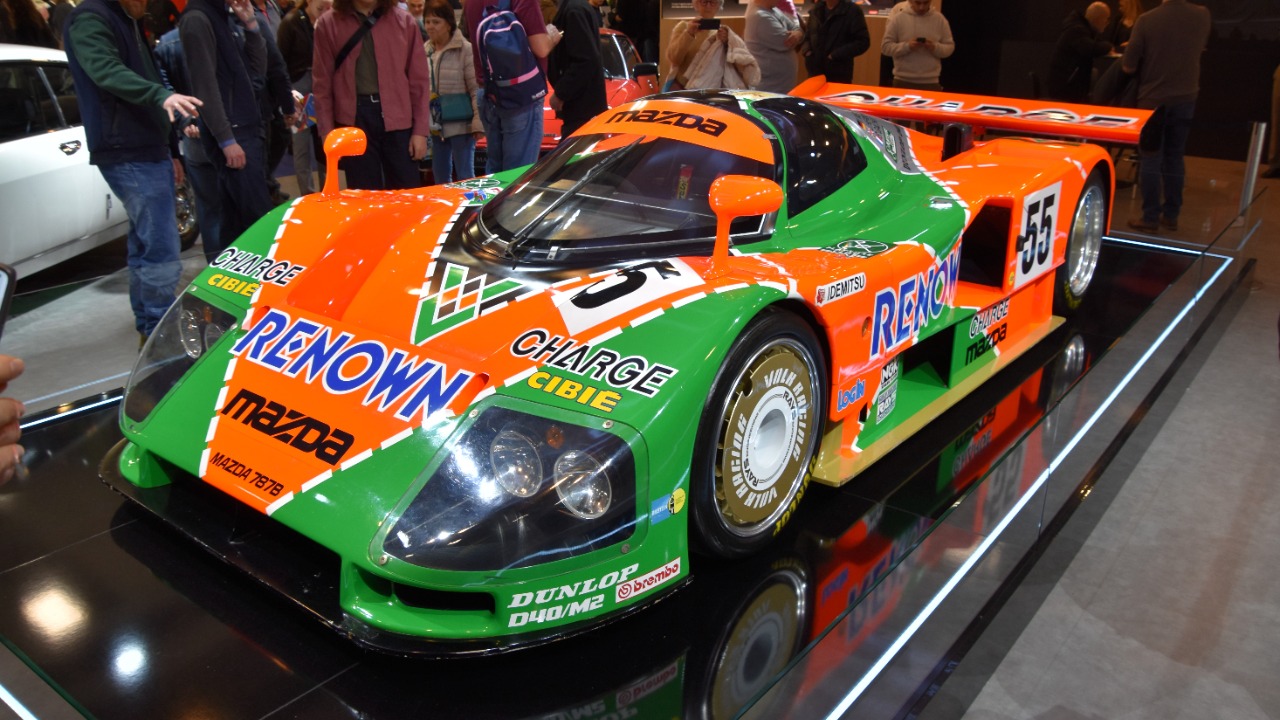
The Mazda 787B achieved one of endurance racing’s most unbelievable victories by winning the 1991 Le Mans race against heavily favored European manufacturers. Powered by a unique four-rotor rotary engine, the 787B faced constant skepticism regarding reliability and competitiveness. Mechanics worked carefully to preserve the unusual engine through the brutal 24-hour event. When Mazda secured victory, it became the first Japanese manufacturer to win Le Mans outright. Fans still consider the triumph extraordinary because few believed the unconventional rotary-powered machine could defeat established endurance giants.
Derek Daly — 1978 British Formula Atlantic Championship
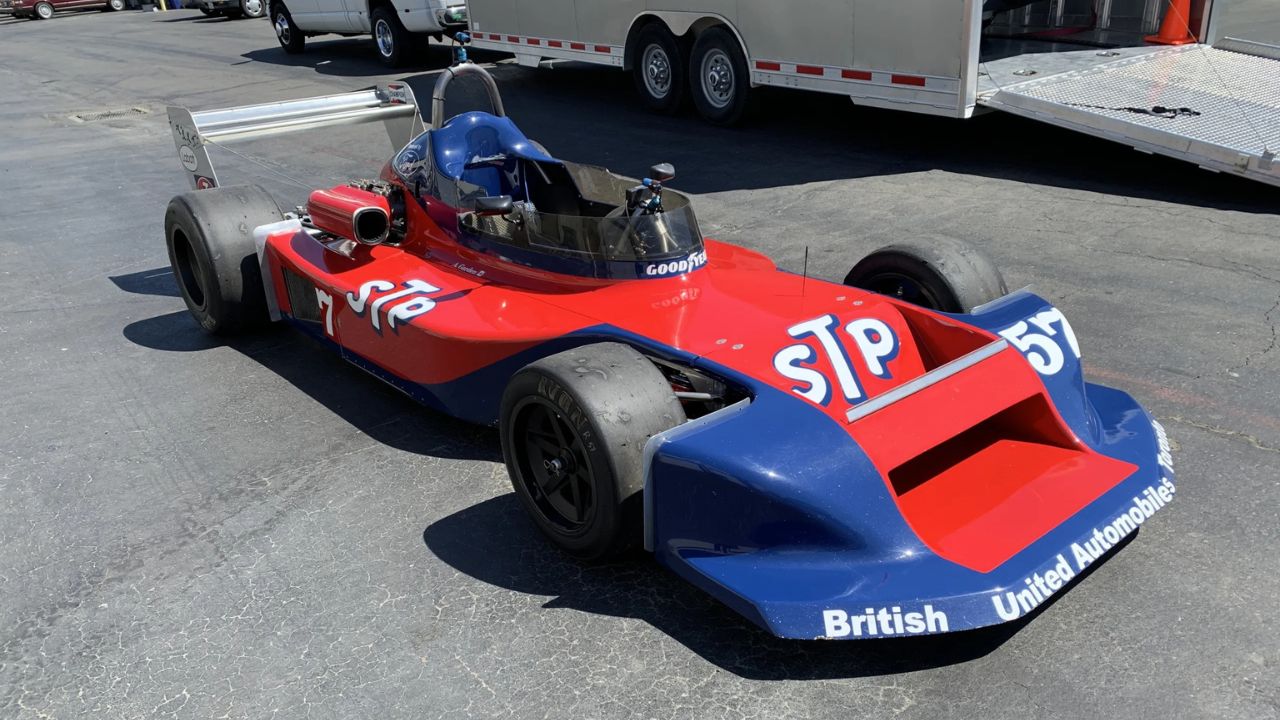
The Derek Daly shocked many racing insiders by defeating better-funded competitors to capture the British Formula Atlantic Championship. Daly entered the season without the financial advantages enjoyed by major teams, forcing his crew to maximize every available resource carefully. His aggressive driving style and consistency under pressure gradually overwhelmed more heavily supported rivals. Mechanics respected the team’s ability to maintain competitiveness despite limited funding and equipment. The championship victory became an important reminder that determination and skill could still overcome major budget disadvantages in junior motorsports categories.
Audi Quattro — 1981 Rallye Sanremo
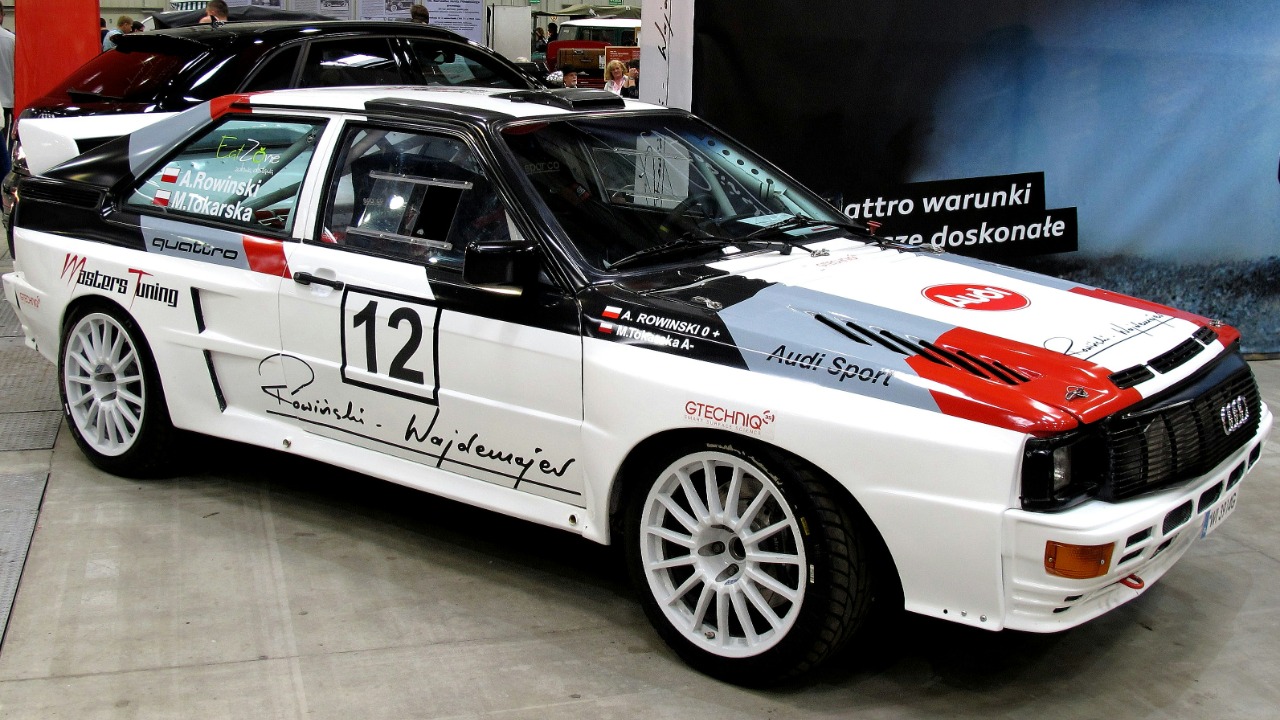
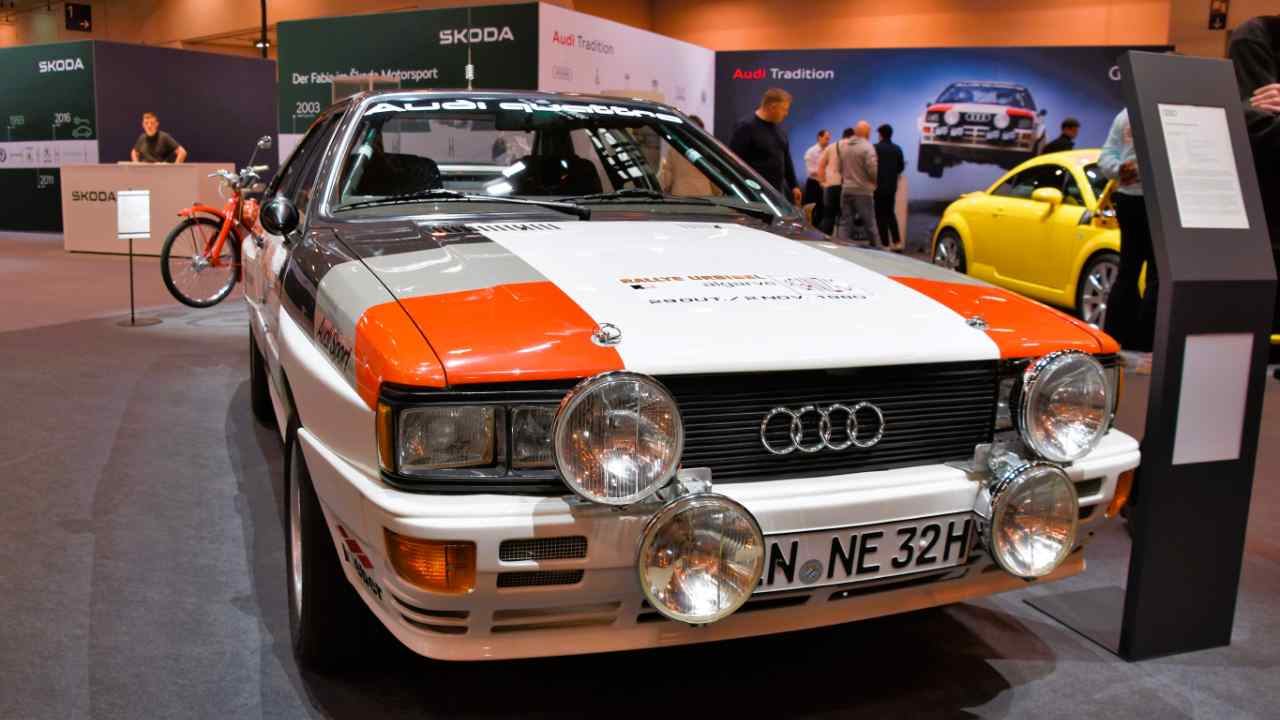
The Audi Quattro stunned the rally world when it claimed victory at the 1981 Rallye Sanremo against more established rear-wheel-drive competitors. Many teams initially dismissed Audi’s all-wheel-drive concept as unnecessarily heavy and complicated for rally racing. However, the Quattro’s traction advantages became impossible to ignore on difficult surfaces. Mechanics and engineers quickly realized the revolutionary system could fundamentally change rally competition forever. The victory not only shocked fans but also transformed the future of rally engineering as manufacturers rushed to develop their own all-wheel-drive machines afterward.
Jordan Grand Prix — 1998 Belgian Grand Prix
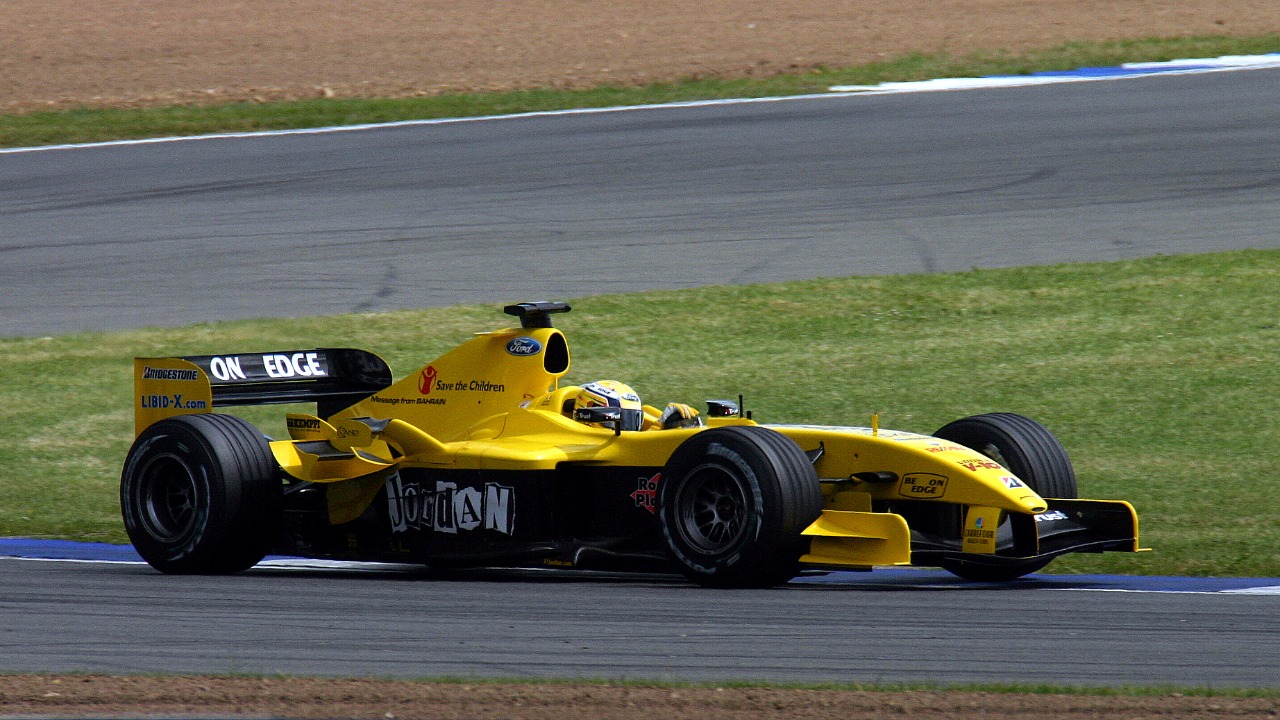
The Jordan Grand Prix earned its first Formula One victory during the chaotic 1998 Belgian Grand Prix, a race remembered for one of the largest crashes in F1 history. Amid changing weather and heavy attrition, Damon Hill guided Jordan to an emotional win few expected before the race weekend began. The independent team lacked the budget and resources of dominant manufacturers, making the victory especially meaningful. Fans still remember the triumph as one of Formula One’s most satisfying surprise results.
Tiny Lund — 1963 Daytona 500
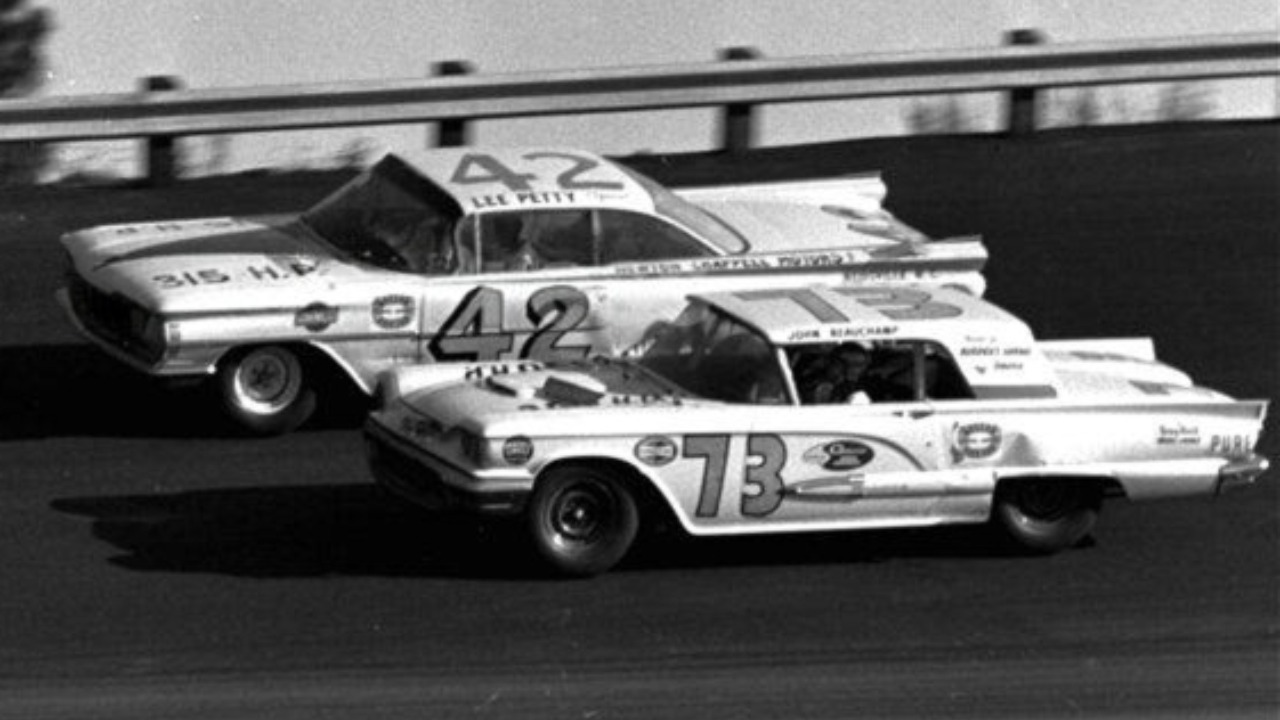
The Tiny Lund entered the 1963 Daytona 500 unexpectedly after helping rescue another driver from a fiery crash earlier in the event weekend. Originally not scheduled to race competitively, Lund received a last-minute opportunity and shocked the NASCAR world by winning one of the sport’s biggest races. His calm driving and ability to avoid trouble allowed him to outlast more heavily favored competitors. Mechanics admired how the underprepared team handled the demanding race conditions. The story remains one of NASCAR’s most unbelievable and emotional underdog victories.
Peugeot Talbot Sport — 1985 Rally Finland
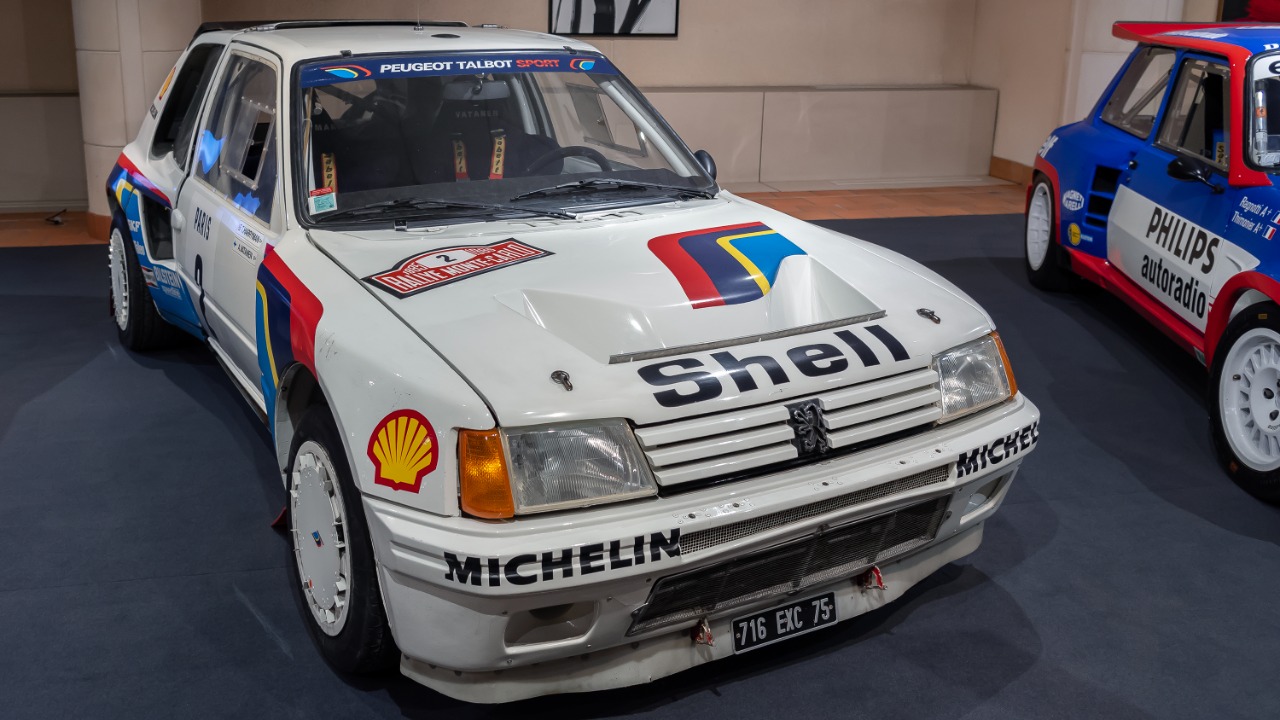
The Peugeot Talbot Sport surprised rally fans by defeating dominant local favorites during the brutally fast Rally Finland event. Foreign drivers and teams traditionally struggled against Finnish competitors who understood the demanding roads better than anyone else. Peugeot’s advanced turbocharged Group B machinery and disciplined strategy allowed the team to overcome that historical disadvantage. Mechanics worked tirelessly to keep the powerful cars stable over rough jumps and high-speed gravel sections. The victory became a major milestone in Peugeot’s rise toward rally dominance during the dangerous Group B era.
Penske Racing — 1979 Indianapolis 500
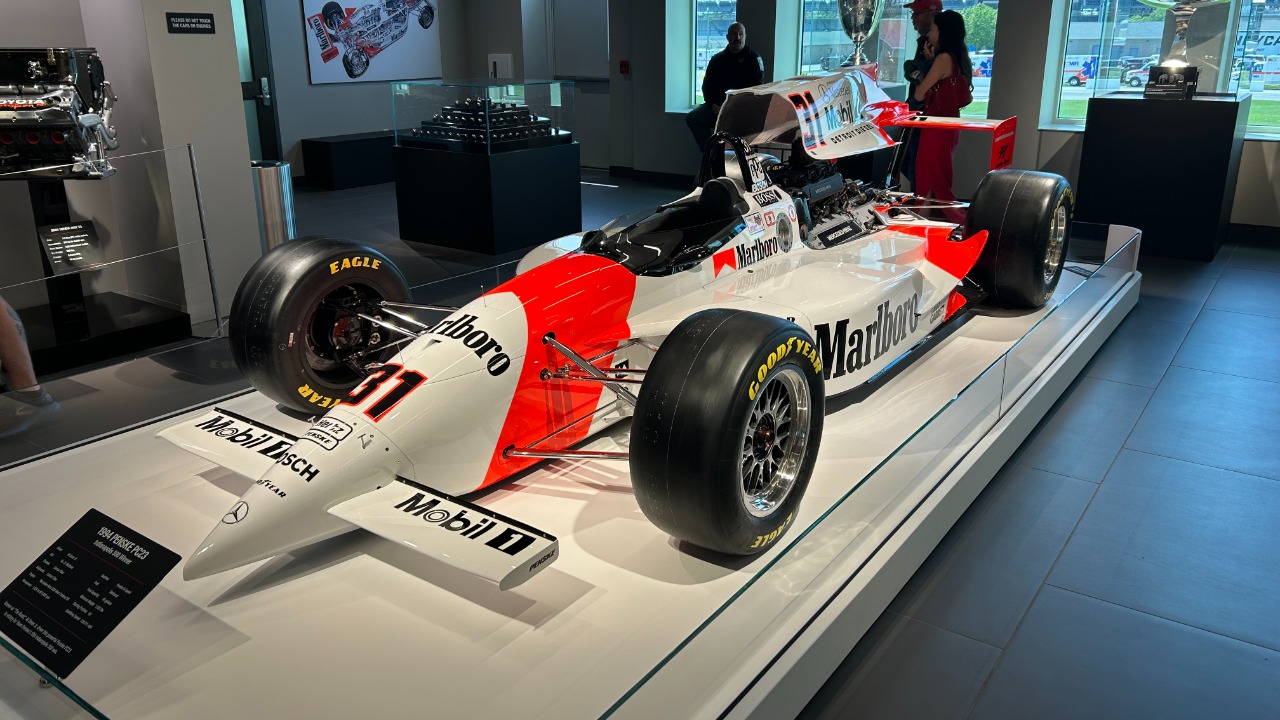
The Penske Racing entered the 1979 Indianapolis 500 facing doubts about its new technical direction and controversial aerodynamic concepts. Rivals questioned whether the unusual setup could survive the demanding race distance reliably. However, the team executed a near-perfect race strategy while maintaining exceptional mechanical consistency throughout the event. When Penske secured victory, many fans and competitors were stunned by how effectively the underdog engineering gamble had worked. The triumph reinforced Penske’s growing reputation for innovation and meticulous preparation under extreme pressure situations.
Olivier Panis — 1996 Monaco Grand Prix
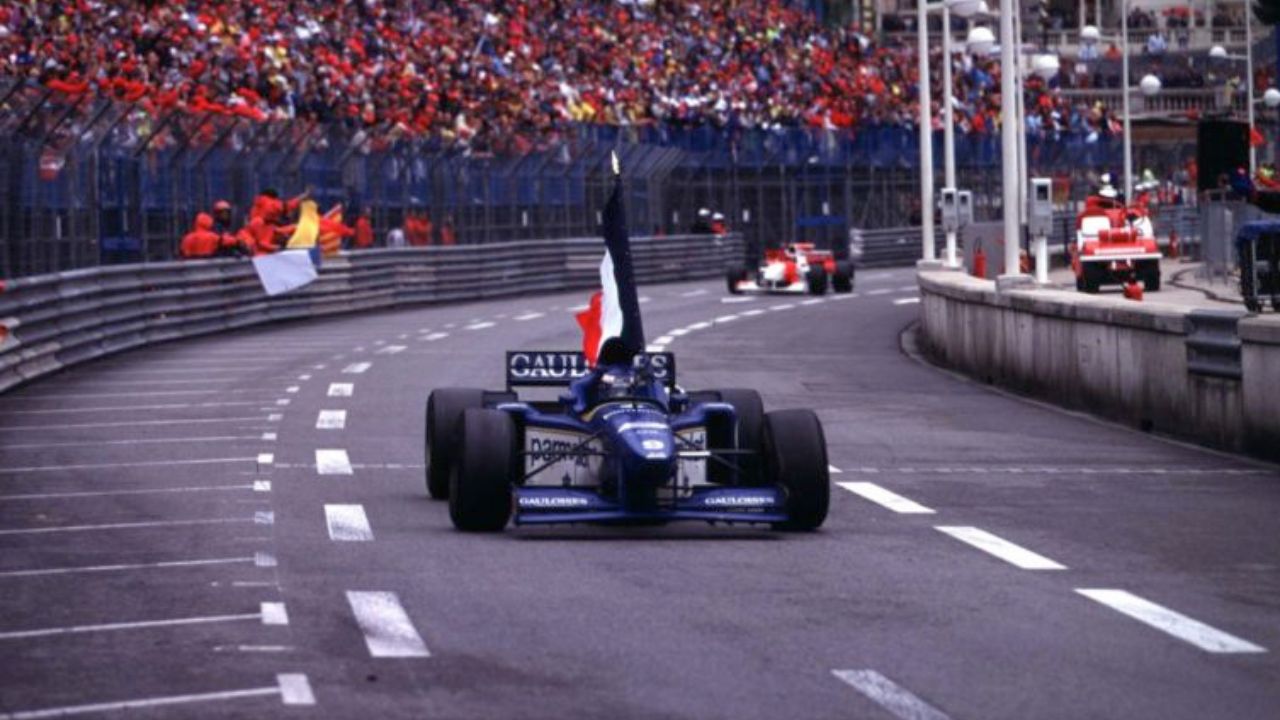
The Olivier Panis delivered one of Formula One’s greatest upset victories by winning the chaotic 1996 Monaco Grand Prix for the small Ligier team. Starting far from the front, Panis survived changing weather, crashes, and mechanical failures that eliminated many stronger competitors throughout the race. Monaco’s narrow streets demanded absolute precision, especially under difficult conditions. Mechanics carefully managed reliability while other teams collapsed around them. Panis became the last French Formula One winner for many years, and fans still regard the victory as one of Monaco’s most unbelievable race results.
More from Fast Lane Only