Not every influential performance vehicle becomes a household name. Some quietly reshape engineering thinking, introduce new design philosophies, or prove technologies that later define entire generations of performance cars. These machines may not always get the spotlight, but modern sports cars, muscle cars, and supercars still carry their DNA in subtle but important ways.
Audi R8 V8 (First Generation)

The Audi R8 redefined how a modern performance car could blend everyday usability with exotic-level capability. Its clean, functional design emphasized visibility, balance, and precision rather than extreme aggression. Mechanics and engineers appreciated its shared components with Audi’s racing programs and its remarkably serviceable mid-engine layout. The R8 influenced how later supercars were designed, proving that high performance could coexist with refinement and reliability without sacrificing emotional driving character.
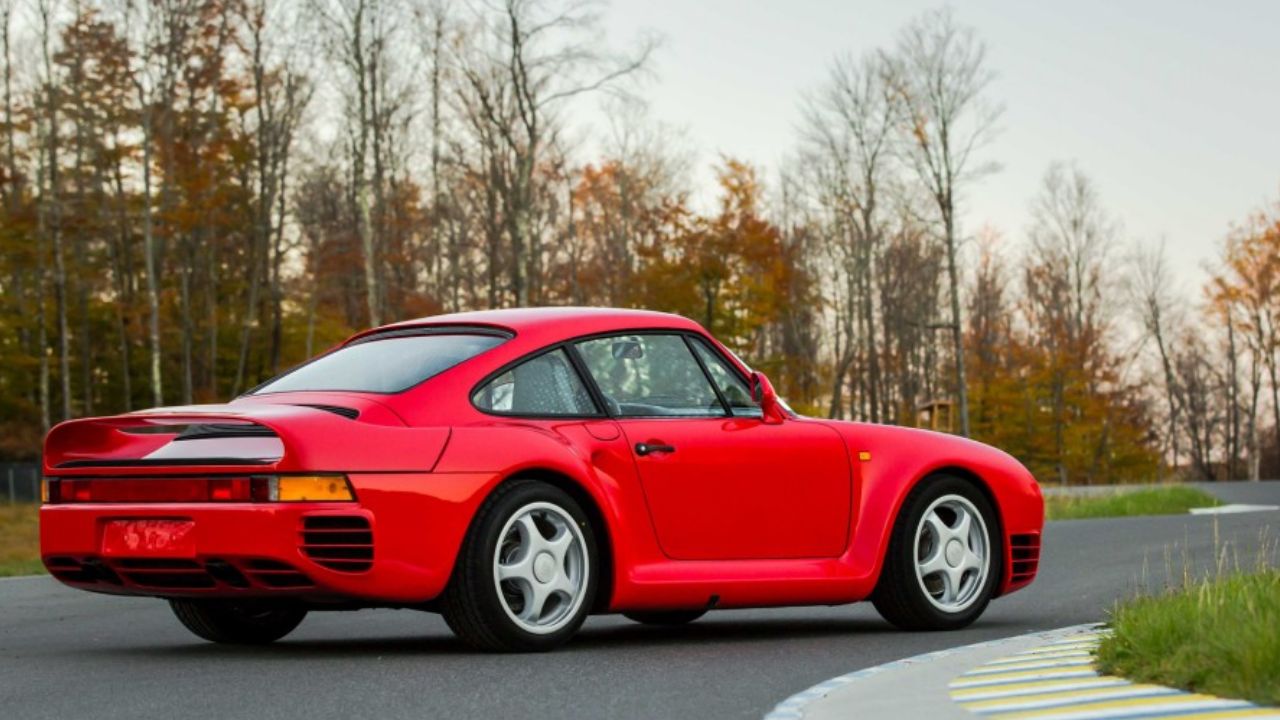
Porsche 959

The Porsche 959 quietly became one of the most technologically important performance cars ever built. It introduced advanced all-wheel drive, tire pressure monitoring concepts, and lightweight composite materials long before they became industry standards. Mechanics often described it as a rolling engineering laboratory because of its complexity and forward-thinking systems. The 959’s influence can still be seen in modern high-performance Porsche models and many all-wheel-drive supercars that followed its groundbreaking approach to traction and stability.
Toyota MR2 SW20
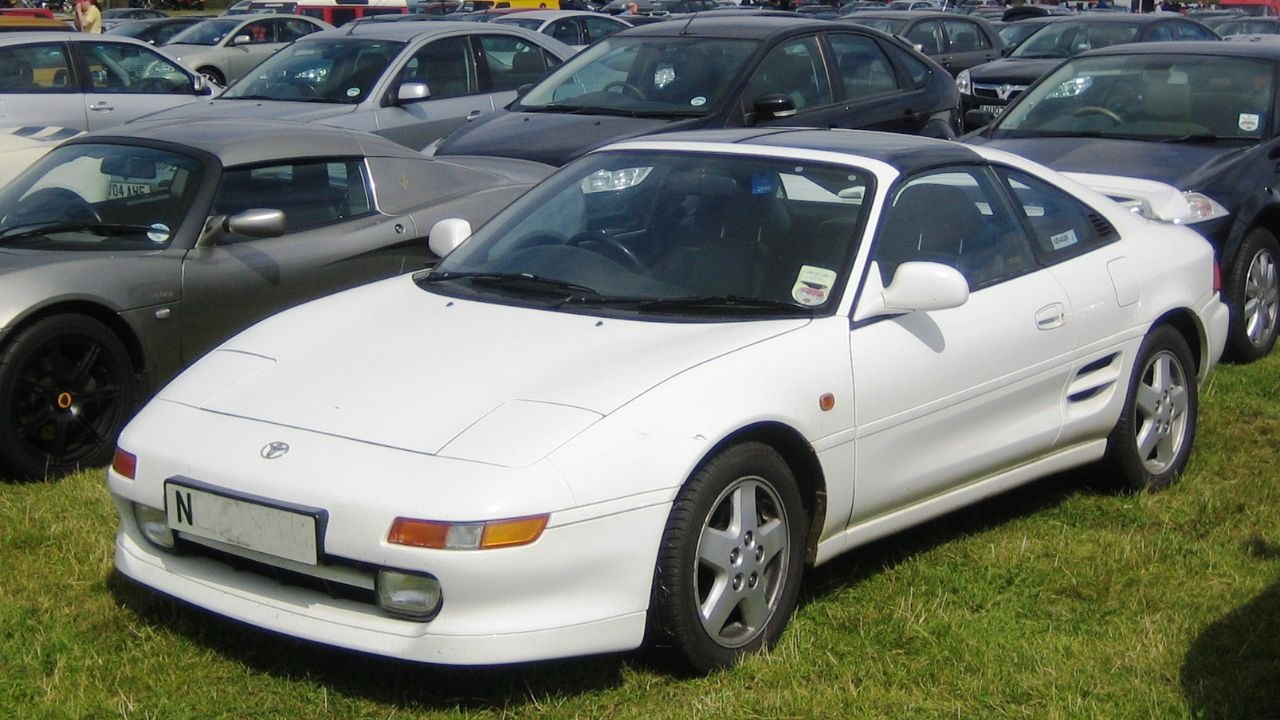
The Toyota MR2 SW20 demonstrated that mid-engine layouts were not limited to expensive exotics. Its compact design, sharp handling, and lightweight construction made it an accessible entry into mid-engine performance. Mechanics appreciated its relatively simple engineering compared to European counterparts. However, its sudden handling characteristics also taught manufacturers important lessons about weight distribution and suspension tuning. Many later sports cars borrowed ideas refined from the MR2’s balance-focused design philosophy.
Nissan GT-R R32
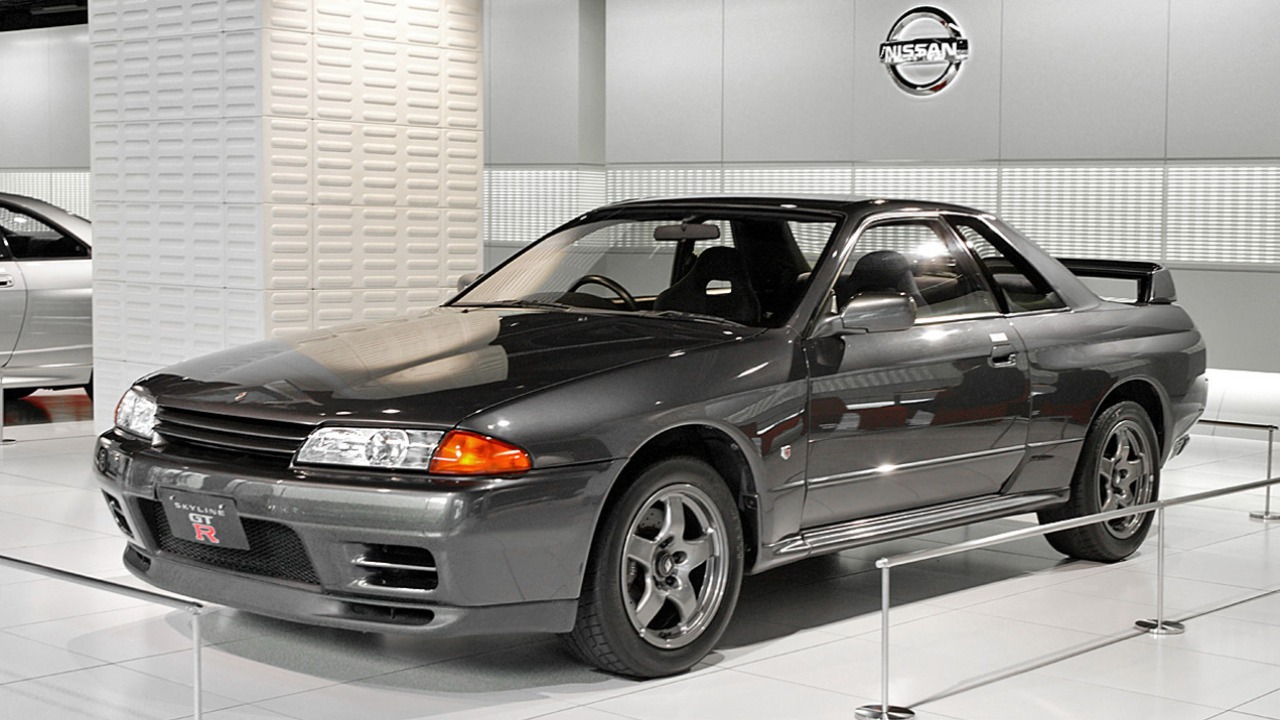
The Nissan Skyline GT-R R32 introduced advanced all-wheel-drive and electronic torque distribution systems that changed how performance cars managed traction. Its RB26DETT engine and ATTESA E-TS system made it a dominant force in motorsports and street performance tuning. Mechanics respected its robustness under extreme power modifications. The R32’s influence is visible in nearly every modern AWD performance platform, especially in how electronic systems manage grip and stability under aggressive acceleration.
BMW Z1
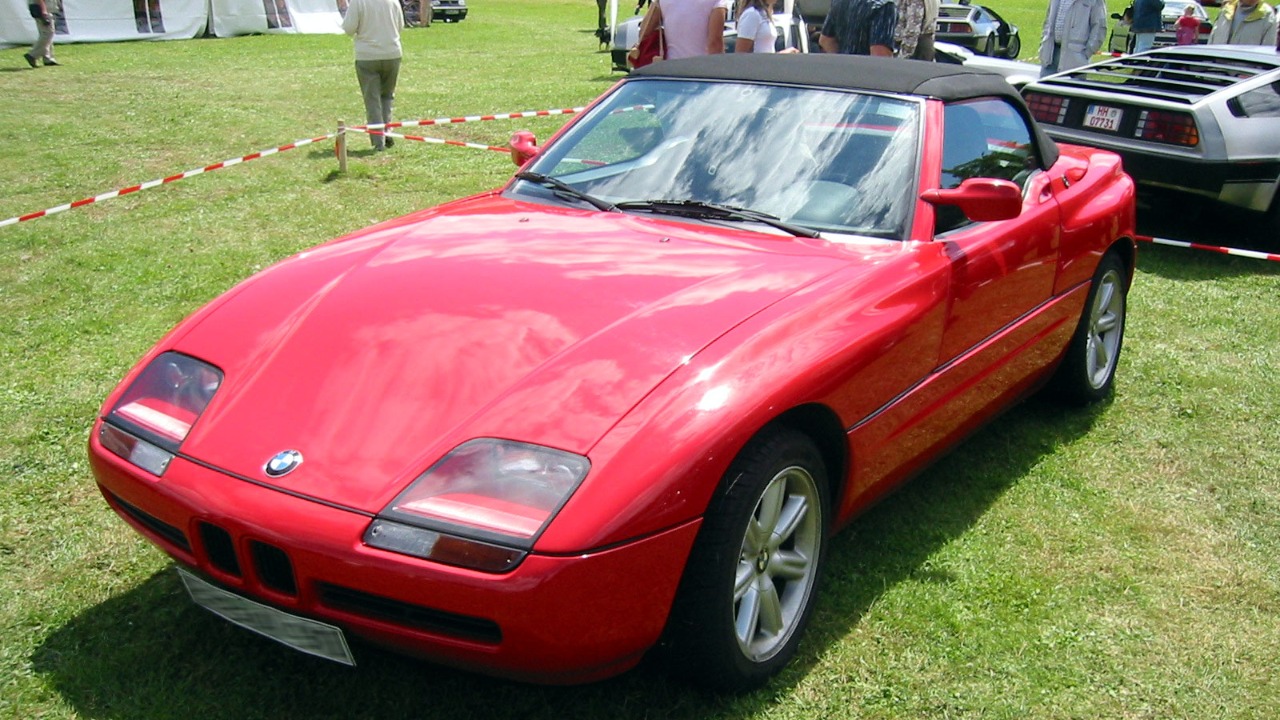
The BMW Z1 was a bold design experiment that introduced modular body panels and innovative door mechanisms that dropped into the body rather than swinging outward. While not a high-production performance icon, it influenced BMW’s thinking on lightweight construction and modular design. Mechanics found its engineering unconventional but forward-looking. The Z1 helped pave the way for future BMW roadsters by demonstrating that radical design choices could still support functional, driver-focused performance engineering.
Chevrolet Corvette C4 ZR-1
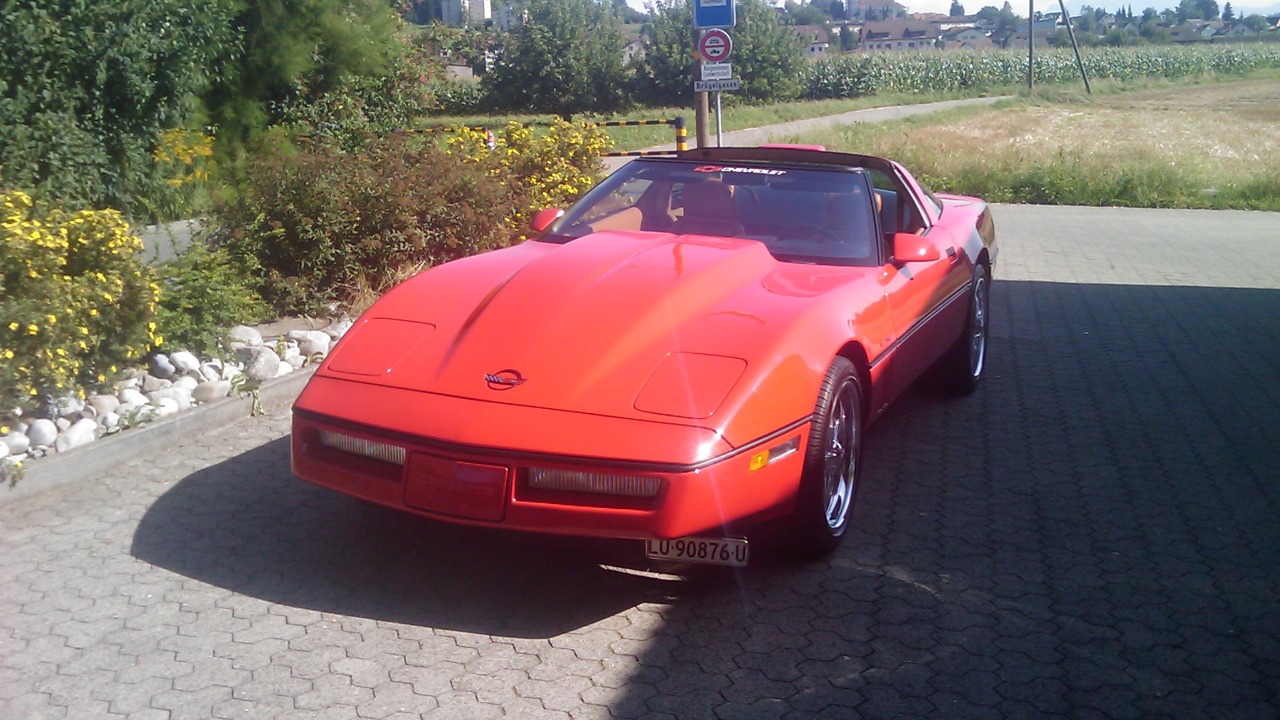
The Chevrolet Corvette C4 ZR-1 pushed American engineering forward with its Lotus-designed LT5 DOHC V8 engine. This collaboration introduced advanced cylinder head design and high-revving performance philosophy into mainstream American sports cars. Mechanics respected the complexity and durability improvements over earlier Corvette engines. The C4 ZR-1 helped shift Corvette design toward more sophisticated engineering, influencing future generations of American performance cars that combined brute force with refined technical development.
Mazda RX-7 FC
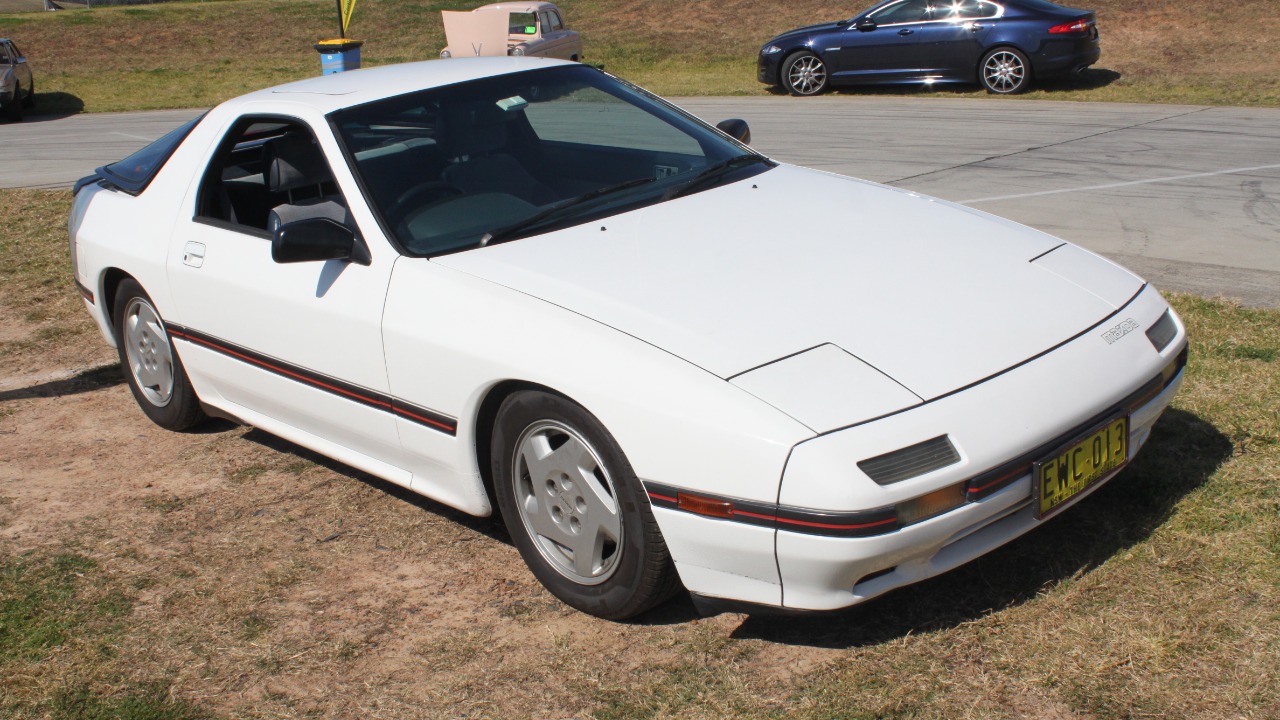
The Mazda RX-7 FC refined rotary engine performance while improving stability and usability compared to earlier models. It introduced better suspension geometry and chassis balance that influenced later lightweight sports cars. Mechanics appreciated Mazda’s continued commitment to rotary engineering and its efforts to improve reliability and drivability. The FC generation helped establish principles of lightweight performance design that many modern Japanese sports cars still follow today.
Mercedes-Benz 190E 2.3-16

The Mercedes-Benz 190E 2.3-16 brought motorsport engineering into a compact luxury sedan format. Developed with input from Cosworth, its high-revving engine and aerodynamic enhancements influenced later performance sedan development. Mechanics respected its durability and precise engineering, especially under racing conditions in DTM competition. The 190E helped define the idea that luxury sedans could also serve as legitimate performance platforms without sacrificing refinement or reliability.
Honda NSX

The Acura NSX changed supercar design philosophy by proving that exotic performance could be combined with everyday reliability and usability. Its aluminum construction, precision engineering, and ergonomics influenced nearly every modern supercar manufacturer. Mechanics admired how easy it was to maintain compared to European exotics of the same era. The NSX shifted industry expectations by showing that performance design could prioritize balance, visibility, and consistency without sacrificing speed or emotional driving engagement.
More from Fast Lane Only