Some vintage motorcycles looked ordinary, modest, or even outdated compared with their rivals. Yet their lightweight construction, strong engines, or clever engineering allowed them to deliver surprisingly serious performance. These nine motorcycles earned reputations for being much quicker than their appearance or reputation initially suggested.
Honda CBX
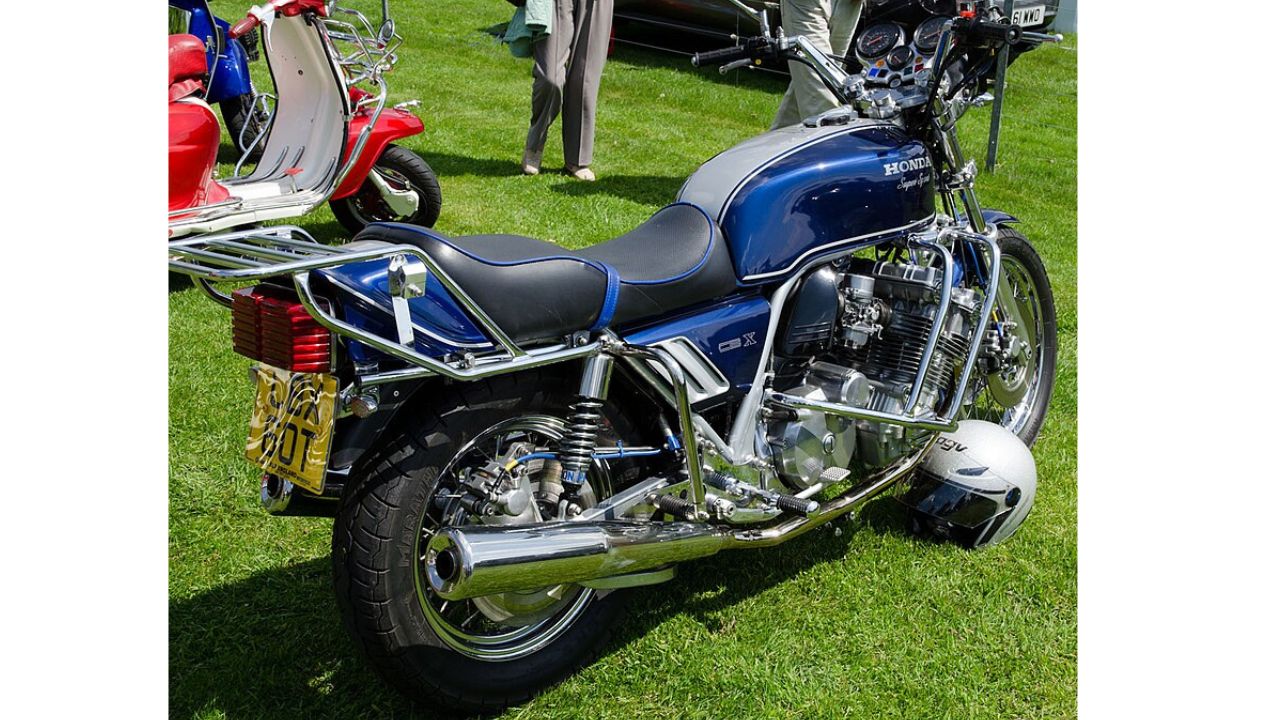
The Honda CBX shocked riders with its six-cylinder engine and smooth power delivery. Its 1,047cc inline-six produced impressive performance while creating an unforgettable exhaust note. Although it was heavier than smaller sport bikes, its strong acceleration made it a serious performer. The CBX demonstrated that Honda could build an exotic-feeling motorcycle that was still suitable for road use.
Kawasaki H2 750
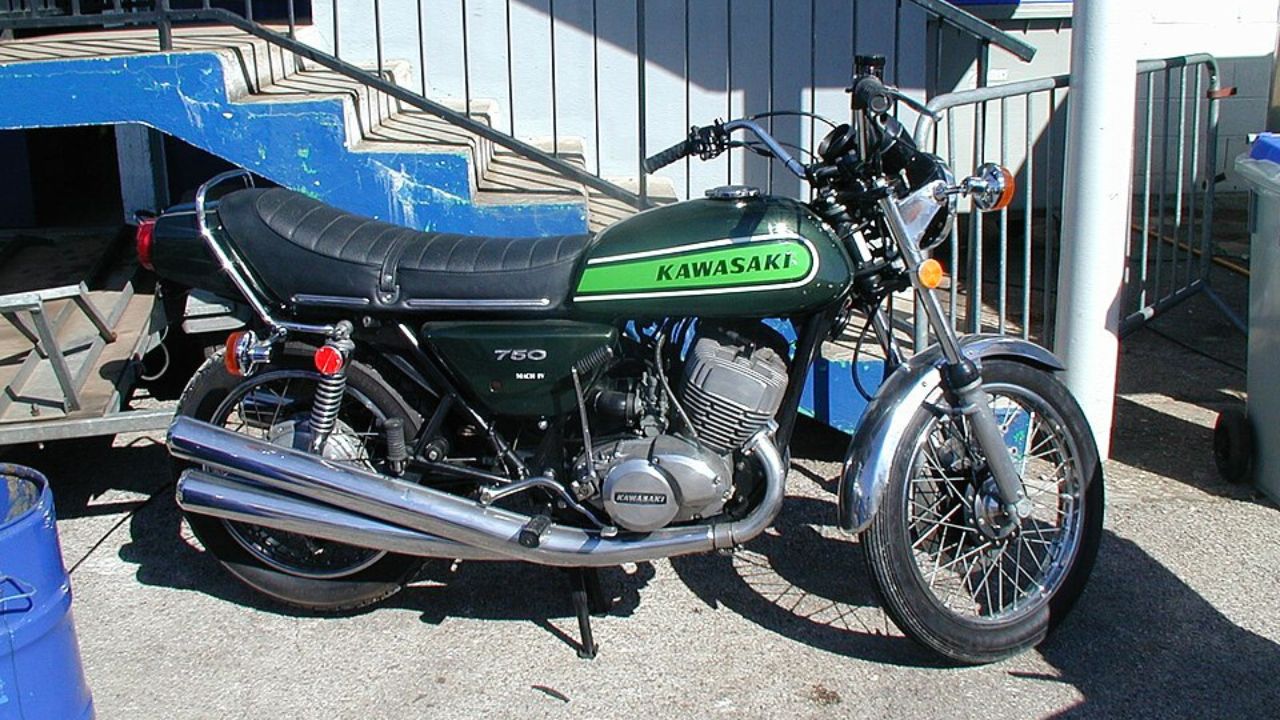
The Kawasaki H2 750 became famous for its explosive acceleration. Its 748cc two-stroke triple produced substantial power for the early 1970s, giving the motorcycle an intimidating reputation. The bike’s relatively light weight made its performance even more dramatic. Riders quickly learned that the H2 was not simply a stylish classic—it could deliver acceleration that surprised much larger motorcycles.
Suzuki GT750
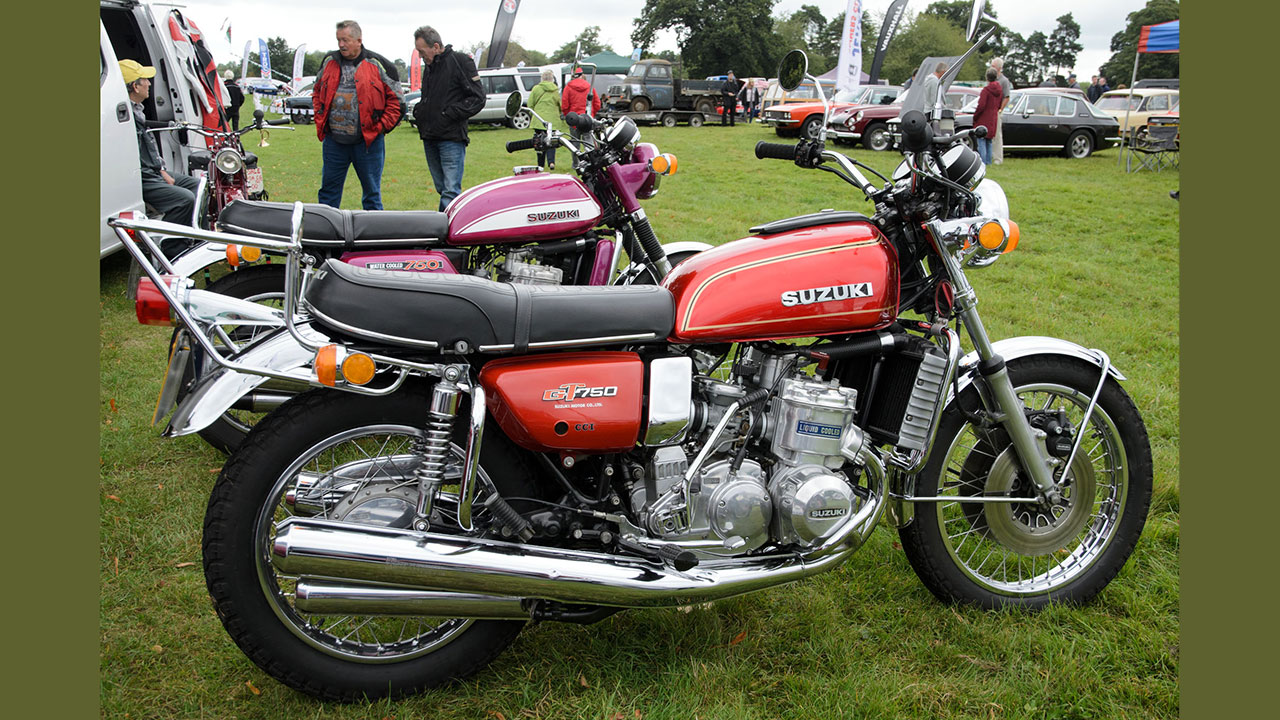
The Suzuki GT750 earned the nickname “Water Buffalo” because of its liquid-cooled two-stroke triple engine. Its larger dimensions made it appear more like a touring motorcycle than an outright performance machine. Nevertheless, the strong three-cylinder engine provided impressive acceleration. Its combination of comfort, smoothness, and speed allowed it to surprise riders who underestimated it based on appearance alone.
Yamaha RD350
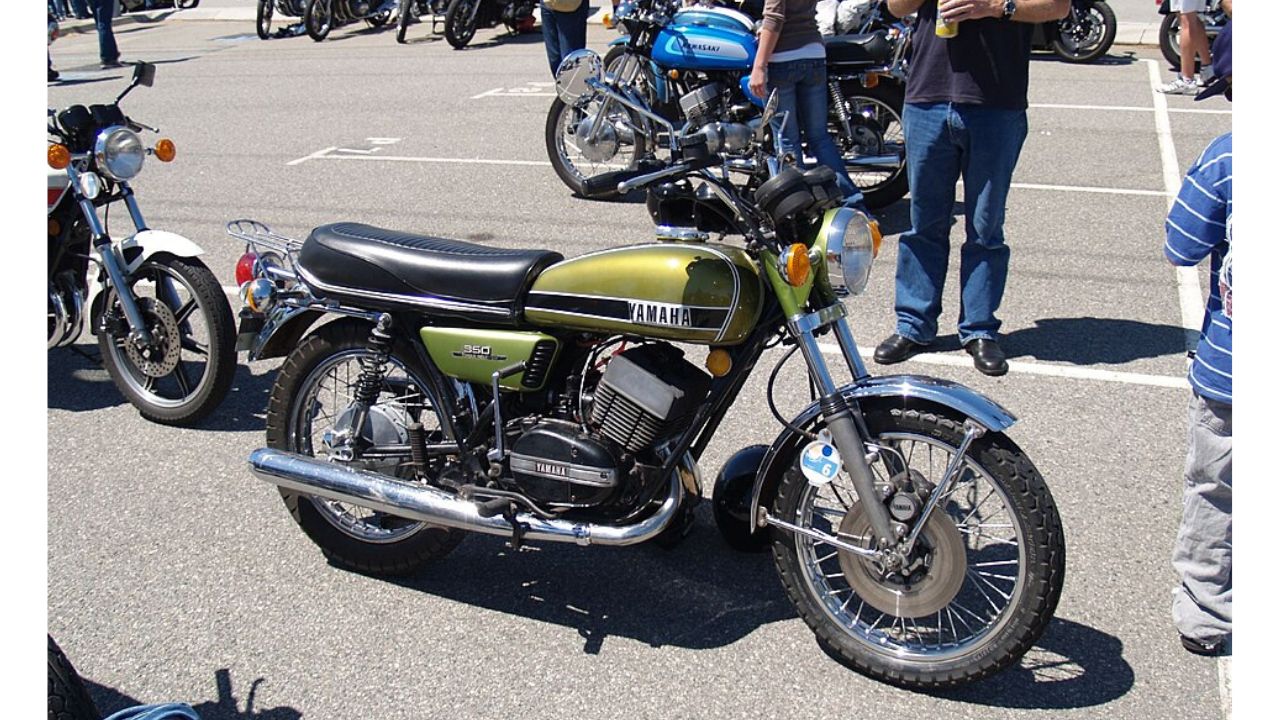
The Yamaha RD350 became legendary for combining lightweight construction with a responsive two-stroke engine. Its relatively small displacement did not prevent it from delivering exciting acceleration and agile handling. Experienced riders quickly learned that the RD350 could challenge much larger motorcycles on winding roads. Its performance-to-weight ratio remains one of the main reasons enthusiasts continue to admire it.
Suzuki GSX-R750

The Suzuki GSX-R750 changed expectations for production sport bikes when it arrived in the mid-1980s. Its lightweight construction, powerful four-cylinder engine, and race-inspired design gave it an unusually high performance level for a street motorcycle. Compared with many contemporary bikes, it felt remarkably focused. The original GSX-R750 helped establish the modern superbike formula.
Honda VFR750F
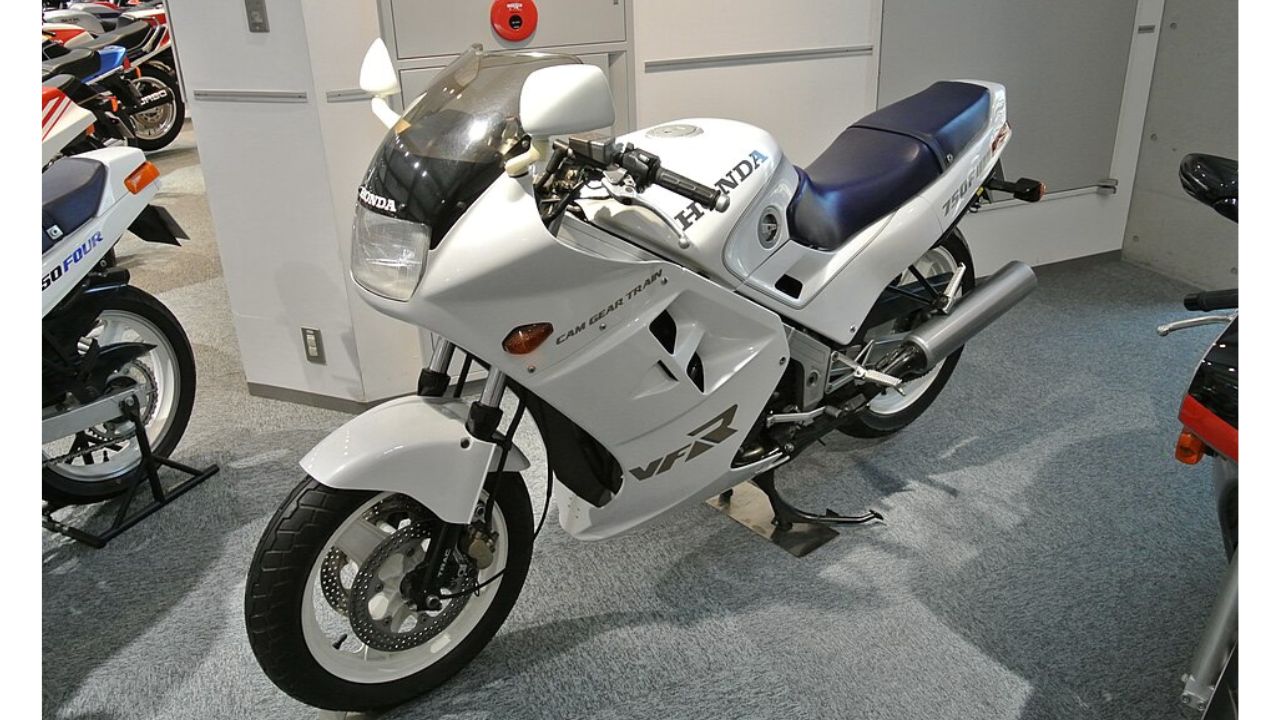
The Honda VFR750F combined a sophisticated V4 engine with a capable chassis and relatively comfortable riding position. It was not as visually aggressive as some dedicated race replicas, which made its performance easier to overlook. Strong acceleration, excellent balance, and Honda’s refined engineering gave it serious real-world capability. Enthusiasts continue to appreciate the VFR for its combination of speed and usability.
Yamaha FZR1000
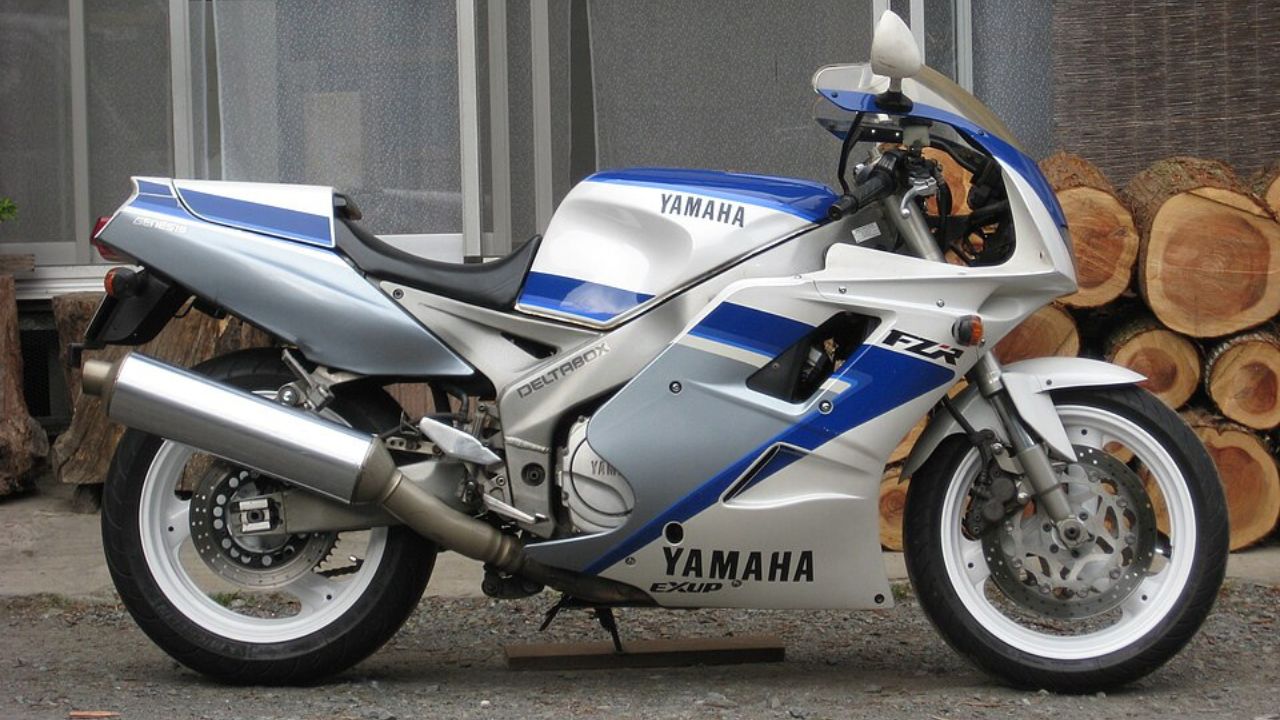
The Yamaha FZR1000 delivered serious performance through its powerful inline-four engine, lightweight aluminum chassis, and advanced suspension. It became one of the fastest production motorcycles of its era while remaining usable on public roads. Its sophisticated engineering allowed it to challenge larger and more exotic machines. Today, well-preserved examples are increasingly respected by riders who remember how capable they were.
Kawasaki GPZ900R
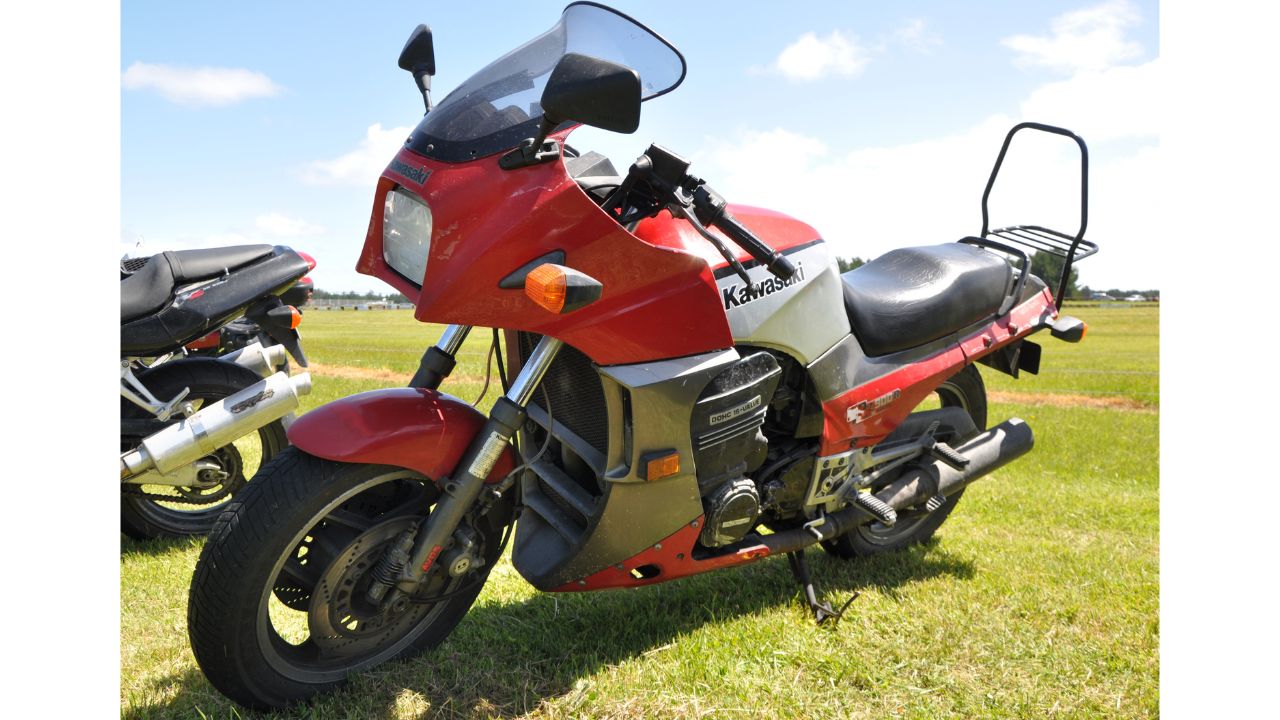
The Kawasaki GPZ900R became one of the defining performance motorcycles of the 1980s. Its liquid-cooled inline-four engine, compact design, and strong top-end performance gave it an impressive combination of speed and handling. Its appearance was relatively restrained compared with later superbikes, but its performance was anything but ordinary. The GPZ900R helped establish Kawasaki as a serious force in high-performance motorcycles.
Ducati 900SS
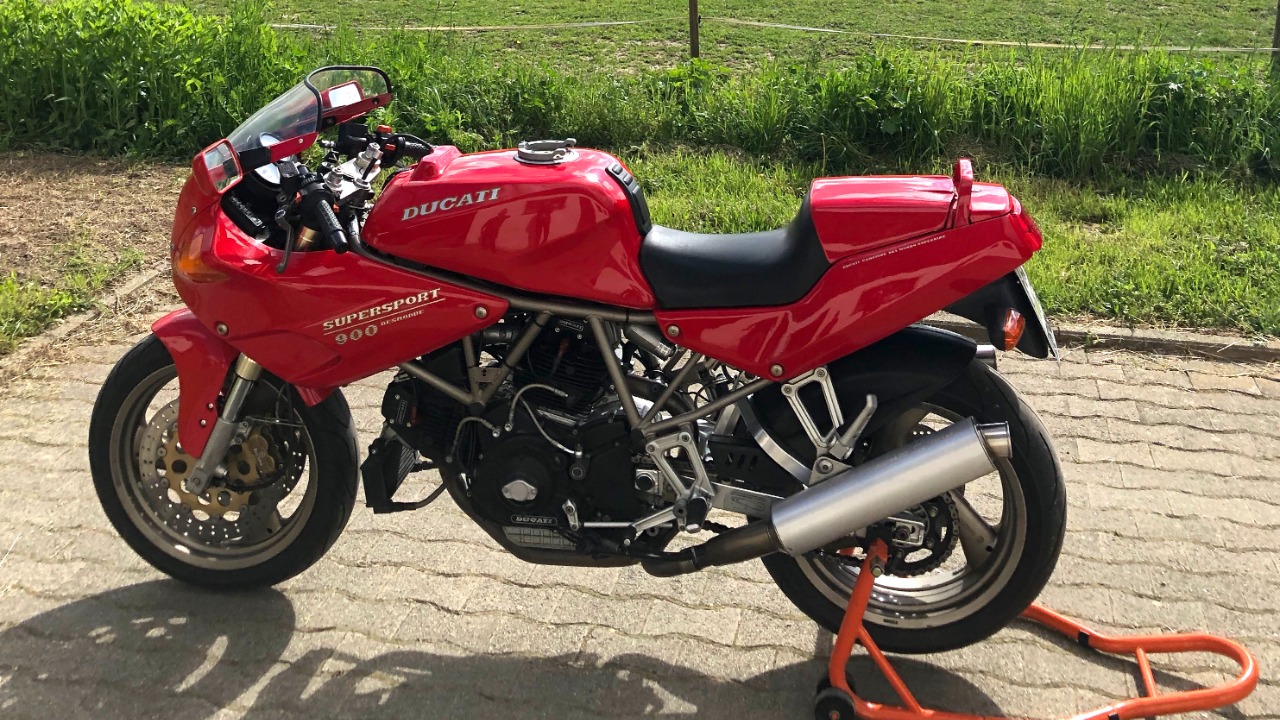
The Ducati 900SS combined a torquey V-twin engine with a lightweight chassis and sporting riding position. Its power delivery differed from the high-revving Japanese four-cylinder motorcycles of the period, but its strong midrange and excellent handling made it extremely effective. The 900SS proved that outright performance was not only about horsepower and top speed—it was also about balance, character, and rider confidence.
More from Fast Lane Only
- Unboxing the WWII Jeep in a Crate
- 15 rare Chevys collectors are quietly buying
- 10 underrated V8s still worth hunting down
- Police notice this before you even roll window down
*Research for this article included AI assistance, with all final content reviewed by human editors