
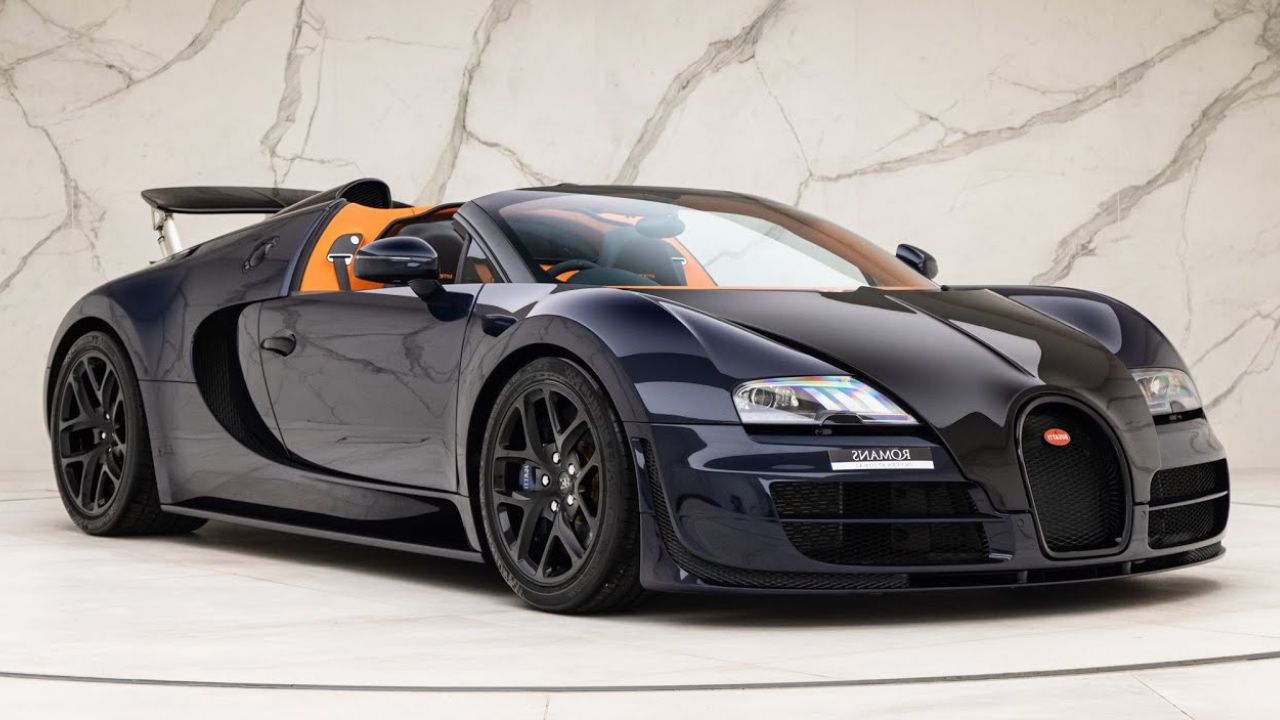
The 2015 Bugatti Veyron Grand Sport Vitesse isn’t just fast—it’s something else entirely. Born from the already outrageous Super Sport, the Vitesse took that same 1,200-horsepower W16 and let it breathe under open skies. No roof, no restrictions, no apologies. It wasn’t built to chase records—it crushed them on its own terms.
This wasn’t about making a convertible version of a hypercar. This was the hypercar. Fast, composed, and surprisingly refined, the Vitesse showed that Bugatti could deliver top-down performance without compromise. Let’s break down what made it such a rare breed.
Built to Handle the Speed
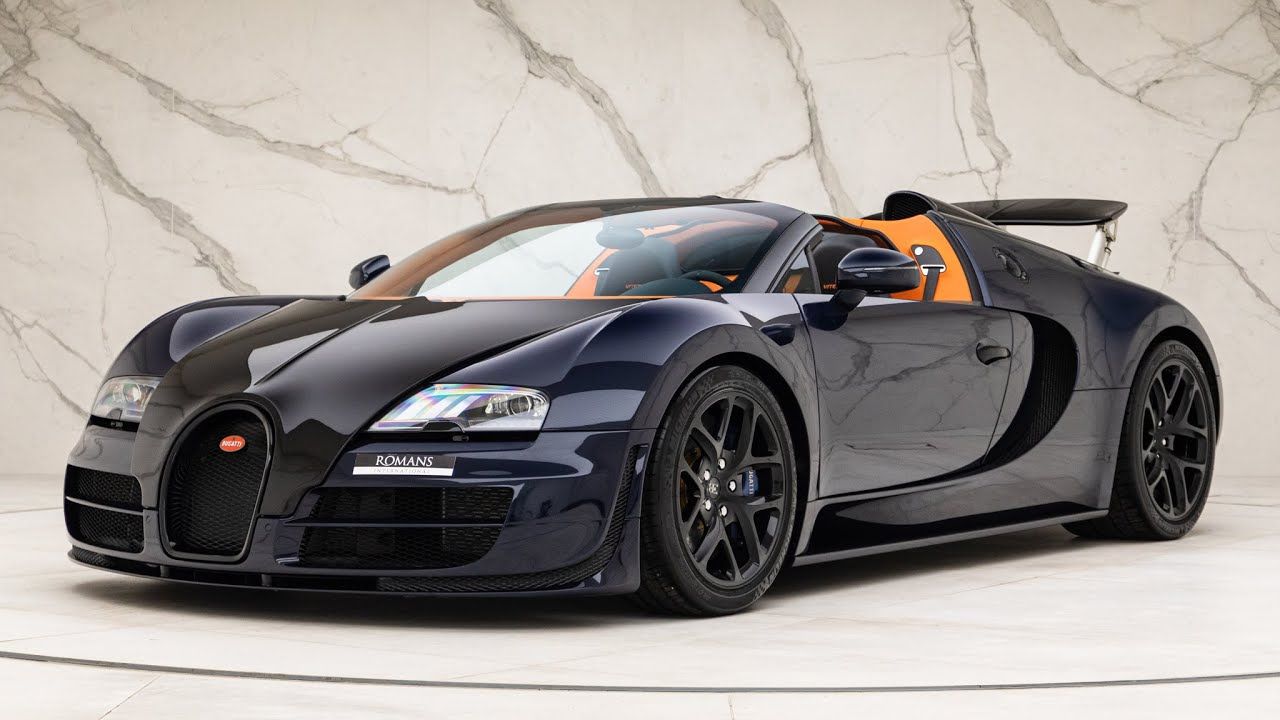
A car that goes this fast has to be engineered to stay planted. The Vitesse uses a carbon fiber monocoque, active aerodynamics, and adaptive suspension to keep things under control. It has a lowered ride height in top speed mode, and the rear wing doubles as an air brake. The suspension adjusts automatically to balance comfort with grip, whether you’re on city streets or wide-open autobahn. It doesn’t feel floaty or disconnected like older hypercars—it stays flat and composed even when the needle’s buried.
Power You Can’t Ignore
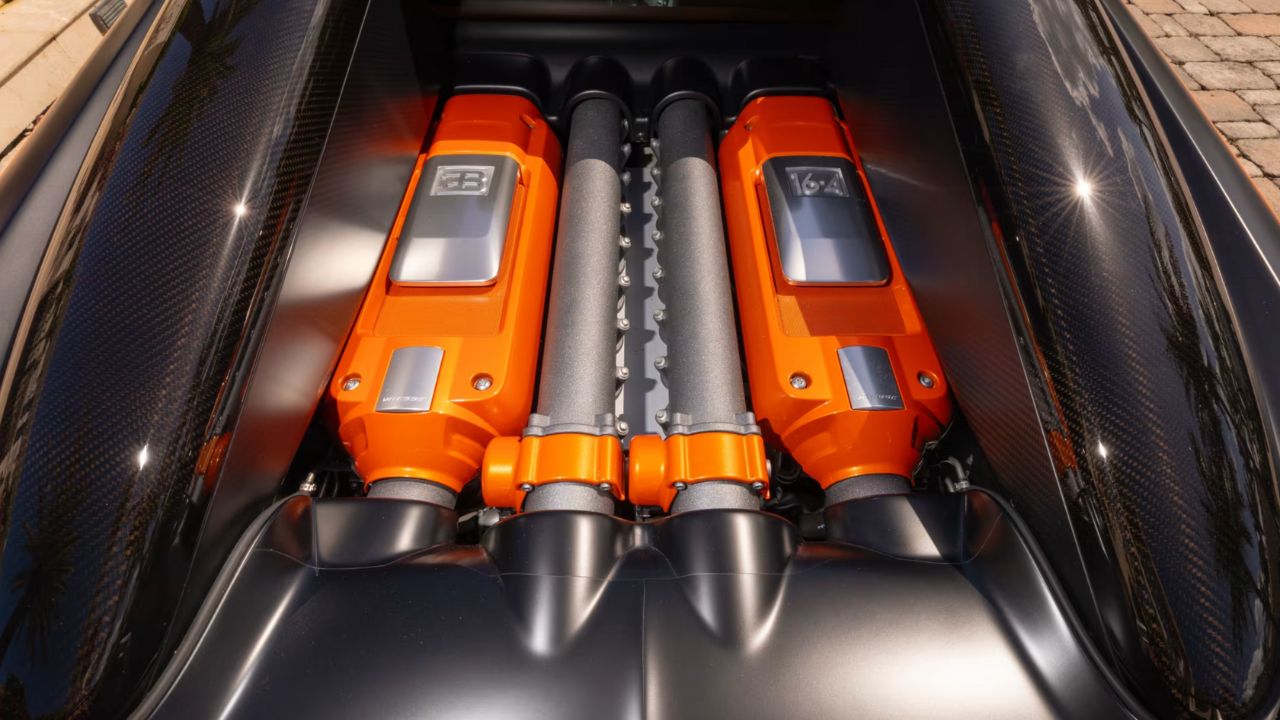
The Vitesse runs the same 8.0-liter quad-turbo W16 as the Super Sport coupe, pushing out a staggering 1,200 horsepower and 1,106 lb-ft of torque. That’s not just a number—it’s the kind of output that can break traction at freeway speeds. With a top speed of 254 mph (with the roof on), this car wasn’t built for moderation. It’s the fastest production convertible ever made, and it wasn’t even close. Bugatti didn’t just tweak the engine—they unlocked the full Super Sport performance in an open-top package.
Acceleration That Feels Unreal
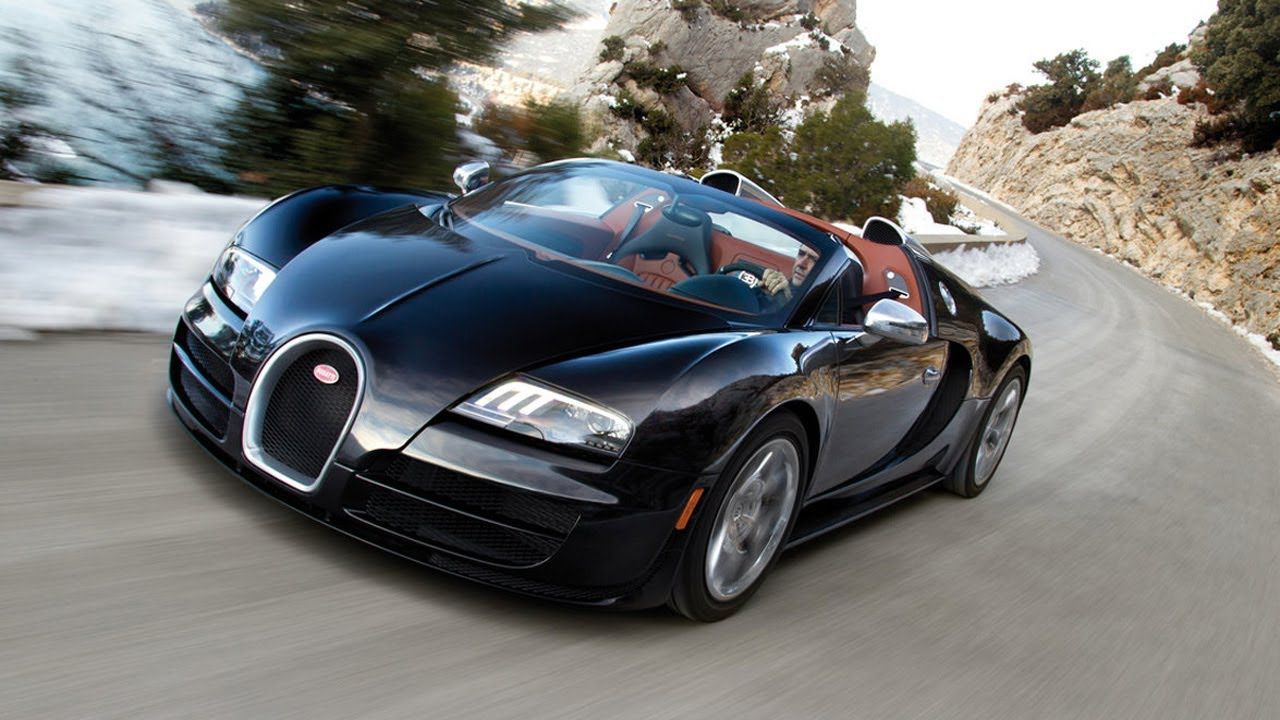
Zero to 60 happens in about 2.5 seconds, but that stat doesn’t capture the full madness. The Vitesse hits 100 mph like most cars hit 40. Thanks to all-wheel drive and a 7-speed dual-clutch transmission, it launches clean—no drama, just pure thrust. The torque comes on instantly, giving it that freight-train surge no matter the gear. There’s no turbo lag, and no waiting. Once you put your foot down, it just goes—and keeps going. It’s less about the numbers, more about how absurdly fast it feels.
The Roof: Off Without Compromise
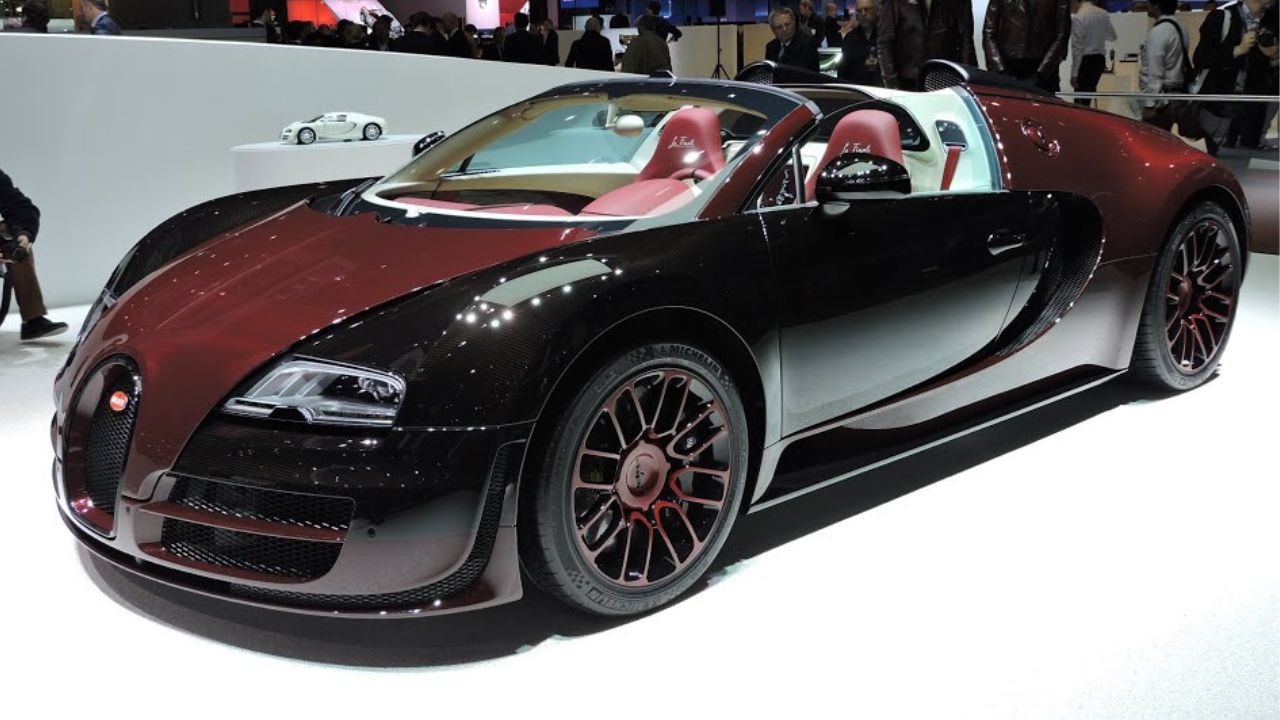
Bugatti didn’t just hack the top off a Veyron—they re-engineered the entire structure to keep it rigid without the fixed roof. The Vitesse uses a removable lightweight roof panel that stores easily in the trunk. It’s not a power-folding gimmick, but it works. What’s surprising is how little wind noise you get with the roof off, even past 100 mph. You can hear the turbos spool, the engine gulp air, and everything feels more alive. With the roof off, it’s less filtered—and that’s the whole point.
Inside: Luxury That Doesn’t Scream
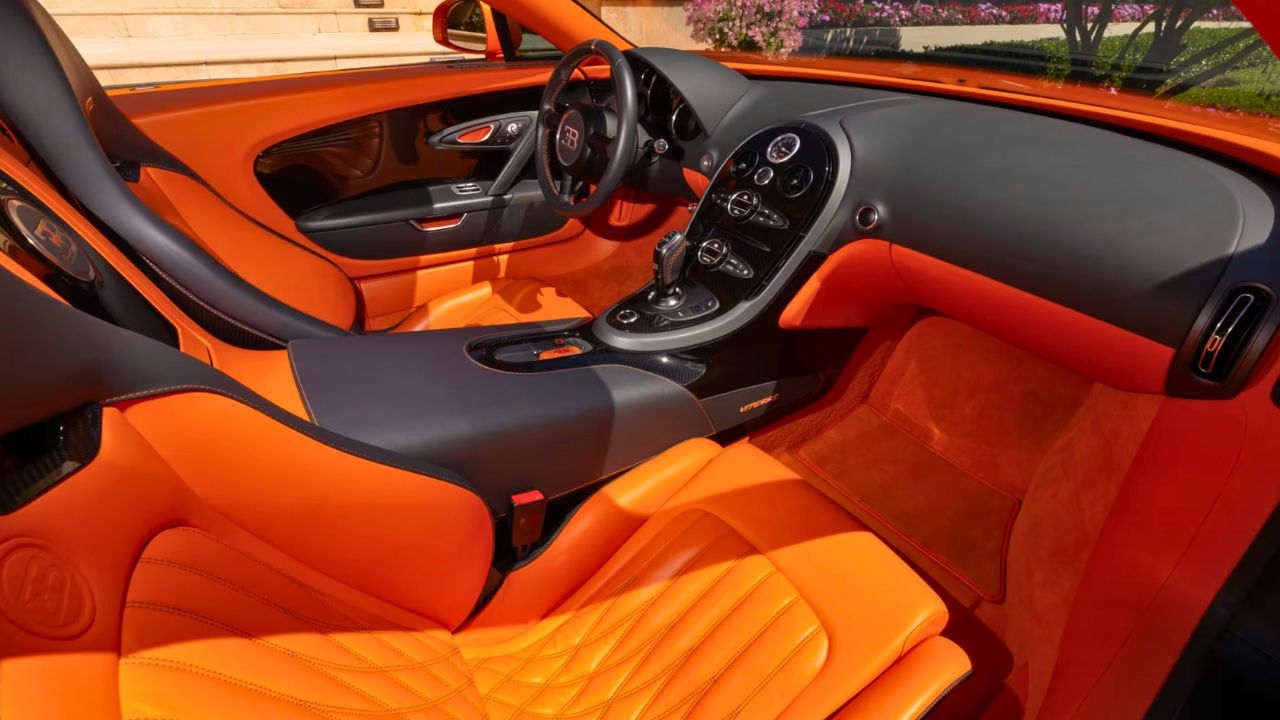
The cabin doesn’t lean on loud design or oversized screens. Instead, it’s low-slung, clean, and covered in premium leather, aluminum, and carbon fiber. The controls are analog where they need to be, and the materials are top shelf. The center stack is simple and functional, with polished switchgear that feels carved from billet. The seats are supportive but not stiff, and they stay comfortable even during long stretches. This isn’t a stripped-down speed machine—it’s a high-speed cruiser with attention paid to how it feels, not just how it looks.
Cooling System Built Like a Race Car
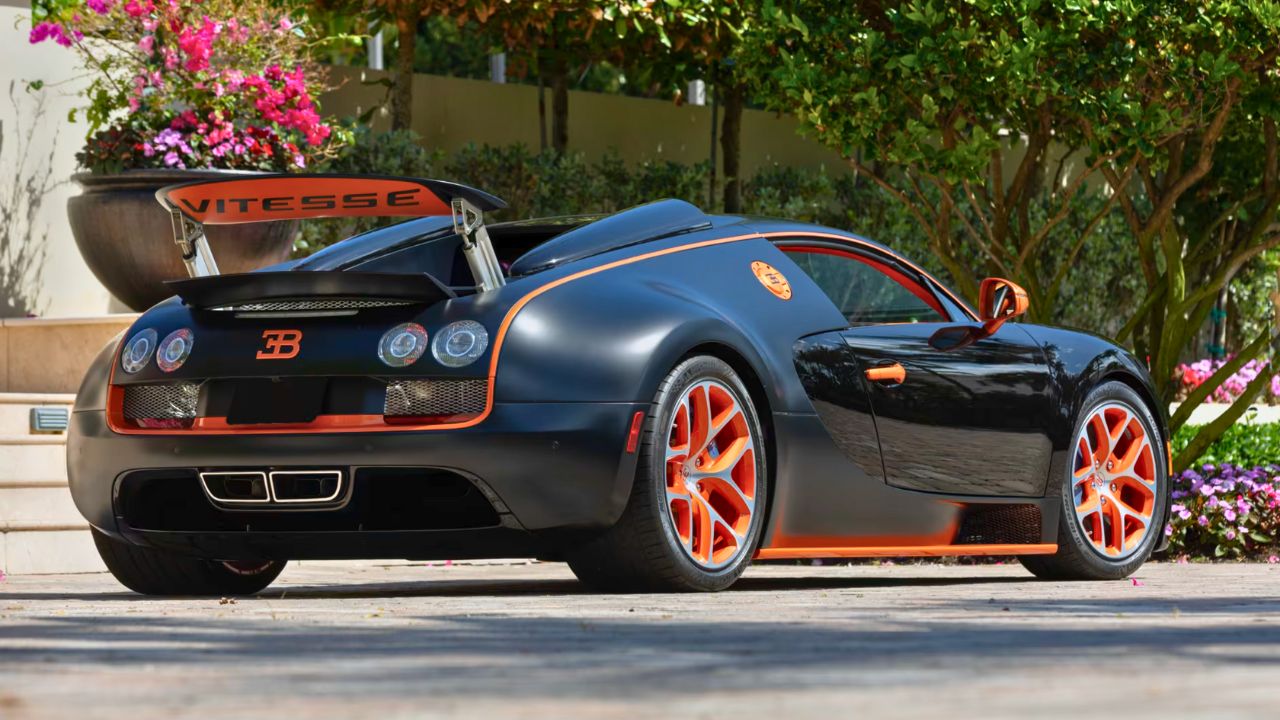
To keep that W16 from cooking itself, the Vitesse uses ten radiators. That includes separate systems for the engine, turbo intercoolers, transmission, differential, and cabin climate. It’s borderline overkill, but that’s what it takes to manage 1,200 horses under the skin. The rear is basically a rolling heat vent, with open mesh grilles and ducting everywhere. You don’t notice it when you’re inside, but walk around the back after a run and you’ll feel it radiating. This thing runs hot—but it’s built to handle it.
Braking That Matches the Power
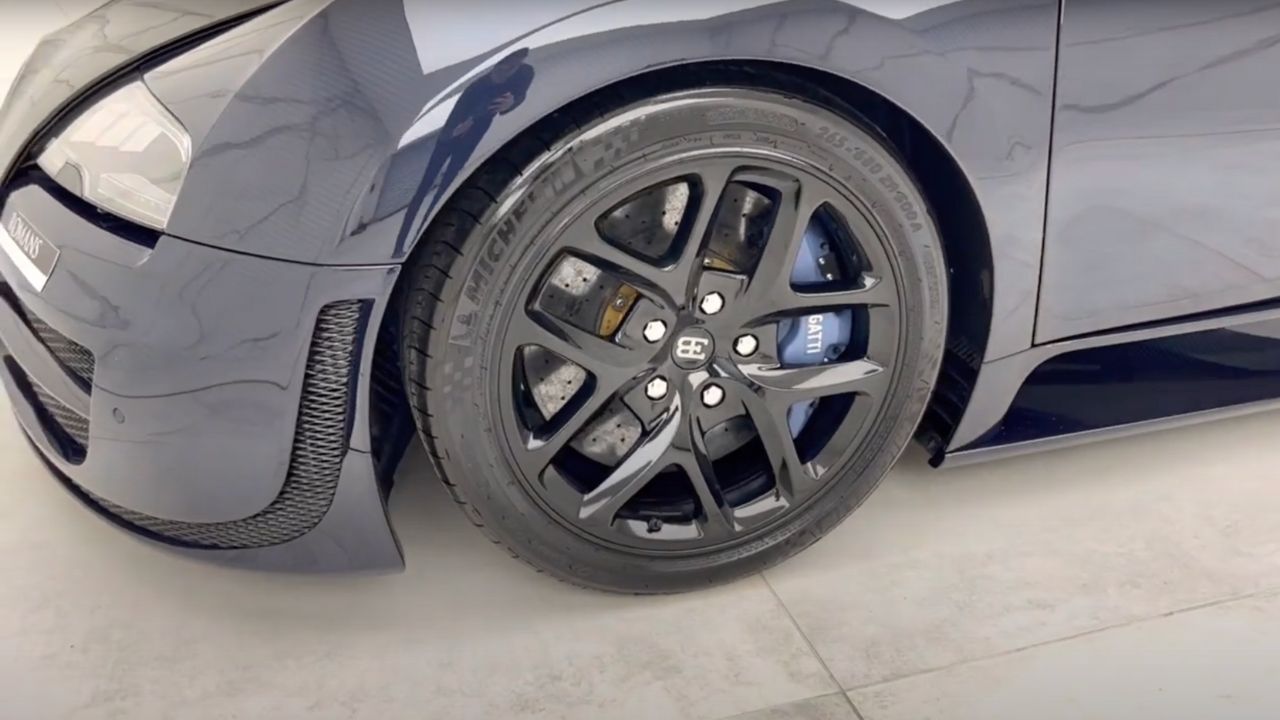
With speeds north of 250 mph, stopping matters just as much as going. The Vitesse uses massive carbon-ceramic brakes with eight-piston calipers up front, paired with that active rear wing that flips up under hard braking. It can stop from 60 mph in under 100 feet—and more impressively, it stays stable doing it. The pedal feel is progressive, not grabby, and there’s real confidence in the way it slows down. You never get the sense that the brakes are playing catch-up with the engine.
Bodywork That’s All Function
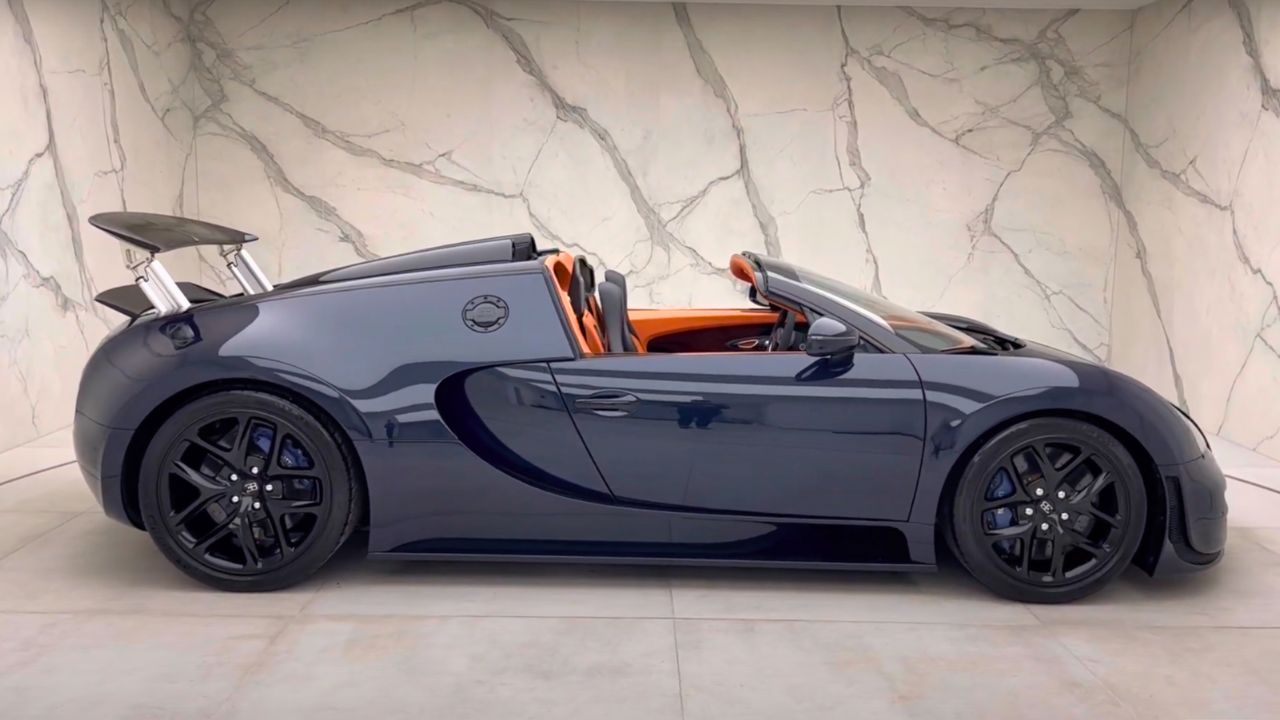
The Vitesse looks like a Veyron, but every vent, scoop, and surface has a purpose. The rear intakes are larger to feed more air to the W16, while the front splitter and diffuser were tweaked for better high-speed stability. It doesn’t scream for attention, but if you know what you’re looking at, the details are impressive. The exposed carbon fiber weave isn’t just for looks—it’s saving weight. And with special editions like the “La Finale,” Bugatti made sure even the paintwork had a story to tell.
Limited Run, Big Statement
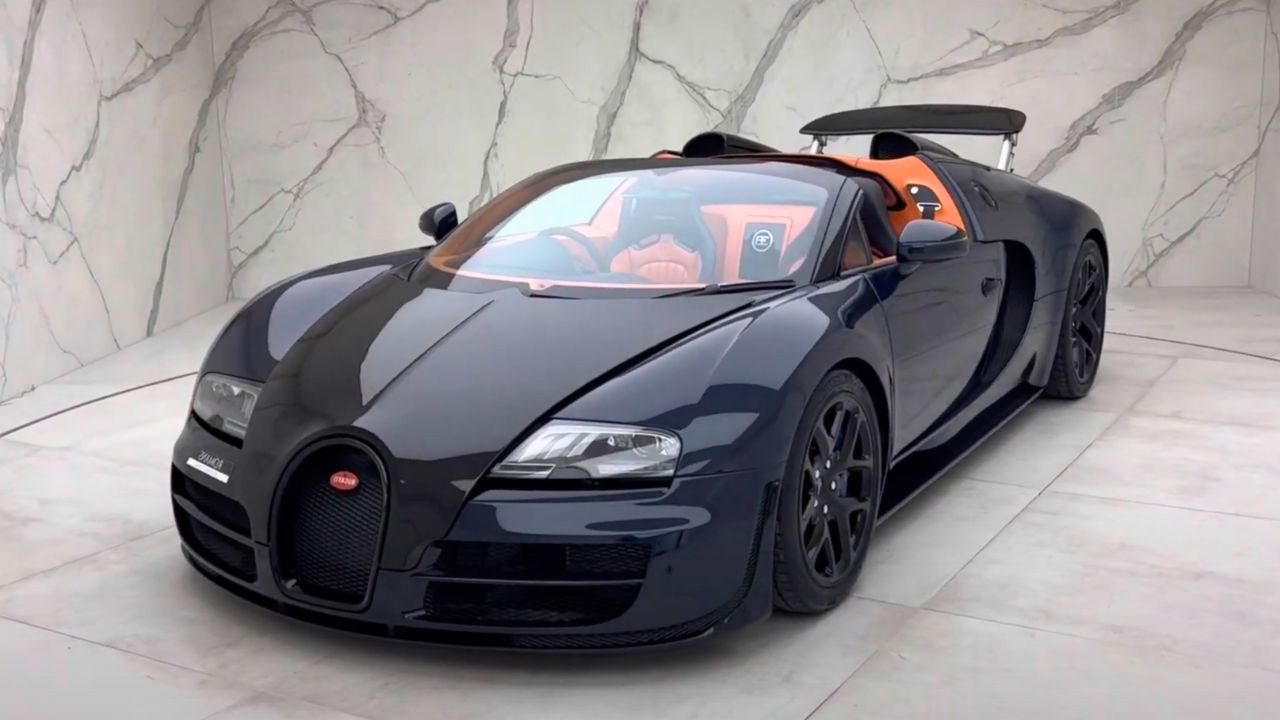
Only 92 Grand Sport Vitesses were built between 2012 and 2015. That puts it in rare air, even for Bugatti. The price when new was over $2.5 million, and today it’s a collector’s prize that still gets driven. This wasn’t a car to sit in a glass box. Some owners actually hit the track, others ran it flat out on closed roads—because why wouldn’t you? It was the last Veyron variant before the Chiron came in and changed the game again, and it still feels special.
The End of an Era
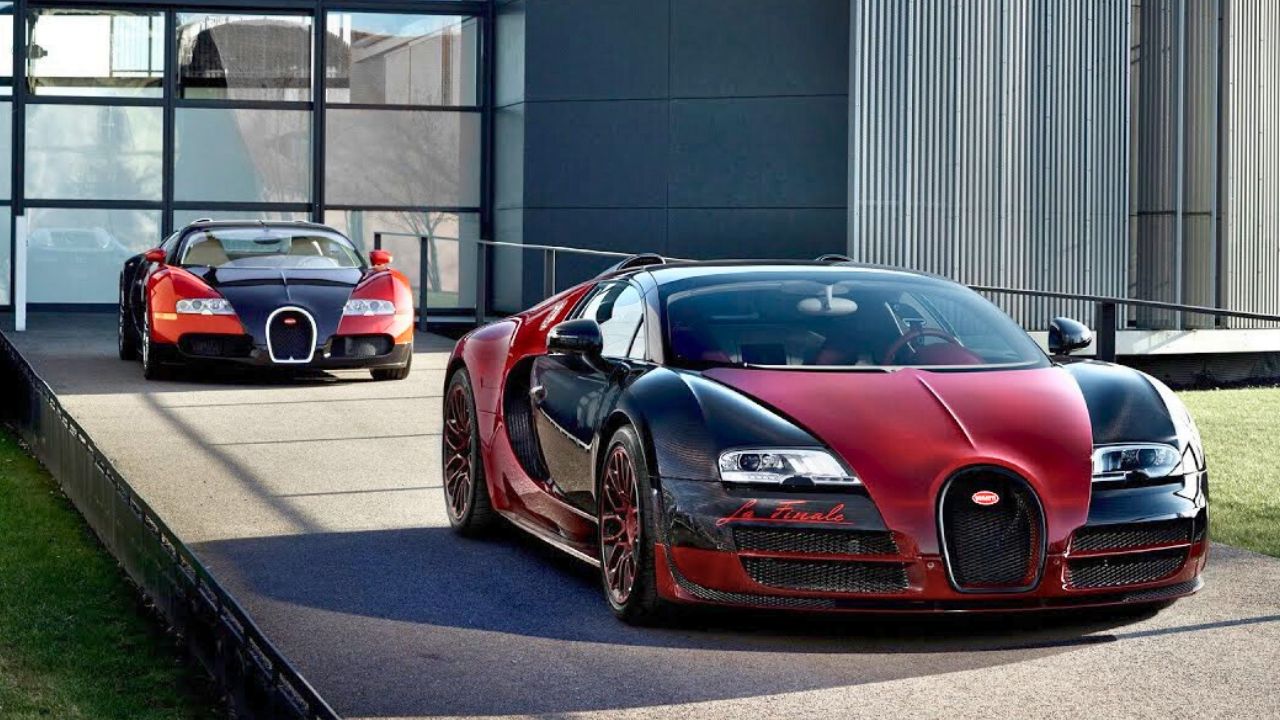
The Vitesse marked the peak of the Veyron’s evolution. It brought together everything Bugatti learned over a decade of development and pushed it to the edge—without losing its manners. It’s the kind of car that still turns heads without trying, still outruns most of what’s on the road, and still holds a record Bugatti hasn’t bothered to top. It was never meant to be practical. It was meant to show what was possible when nothing was left on the table.
Like what you read? Here’s more by us:
*Created with AI assistance and editor review.




Leave a Reply