
Porsche doesn’t really miss. Whether it’s carving up a track or cruising comfortably down coastal roads, these cars tend to stick with people — and for good reason. With a legacy built on precision, engineering consistency, and stubborn adherence to driver-focused design, Porsche has kept its reputation solid across decades.
This list isn’t just about the fastest or the rarest. It’s about the models that mattered — the ones that moved the needle, changed expectations, or simply stuck around long enough to prove their worth. Let’s get into 10 Porsches that truly earned their spot in the conversation.
1. 1964 Porsche 911 (901)
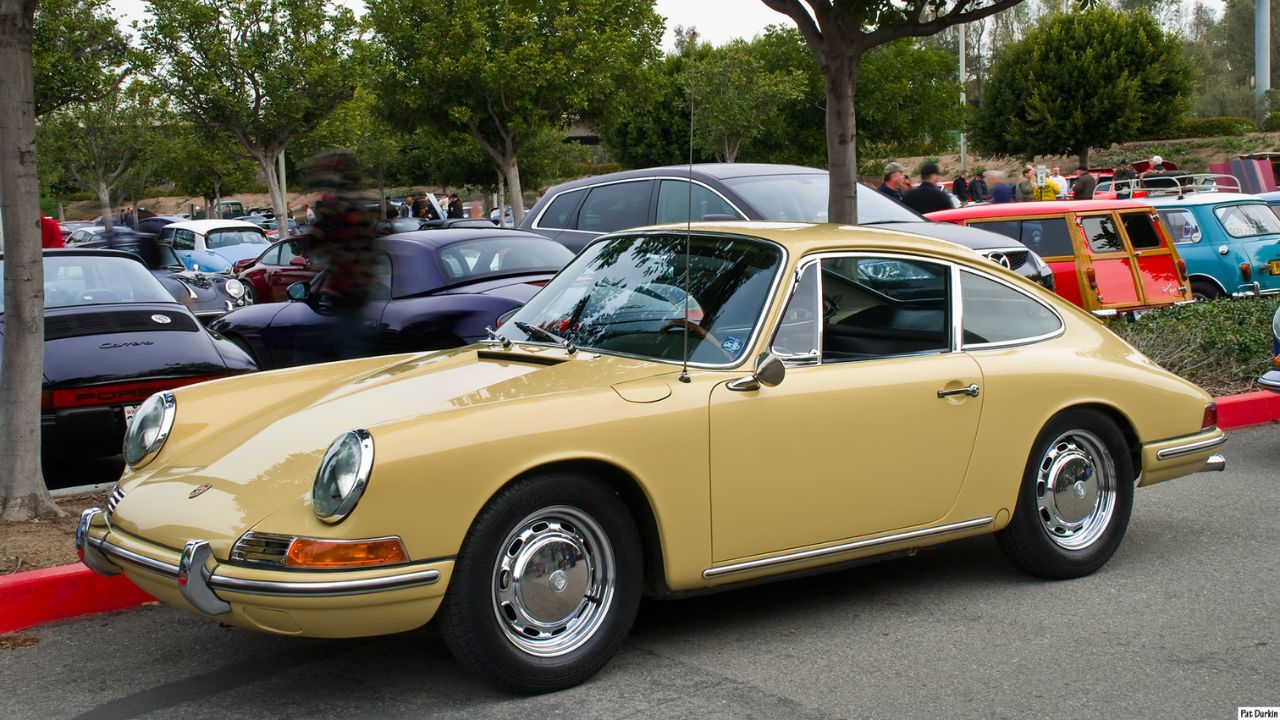
This is where it all really started. The original 911 was introduced in 1964 as the 901, before Peugeot claimed rights to three-digit names with a zero in the middle. It came with a 2.0L flat-six, air-cooled, pushing about 130 horsepower. Modest by today’s numbers, but the handling and balance were years ahead.
It had a five-speed manual, rear-engine layout, and minimal frills inside — just good feedback, tight steering, and smart weight distribution. Porsche didn’t reinvent the car every year after this — they just kept improving what already worked.
2. 1973 Porsche 911 Carrera RS 2.7
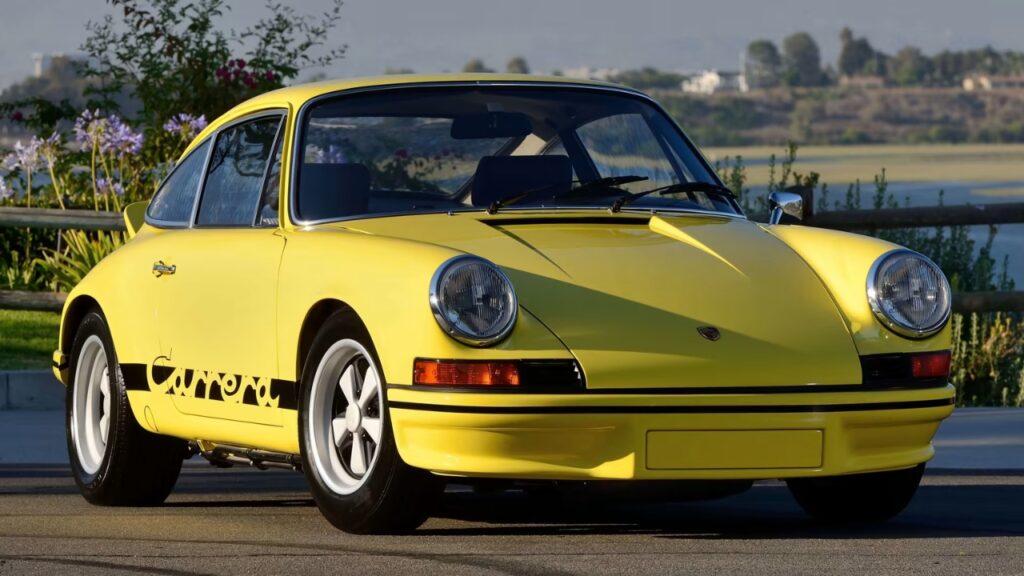
The RS 2.7 wasn’t built for looks, though the ducktail spoiler is still iconic. It was Porsche’s way of getting a serious performance car into customer hands, mainly to qualify for racing homologation. The 2.7L flat-six kicked out 210 hp, and the car weighed around 2,100 lbs — featherlight.
It handled like it was hardwired to the road. They stripped it down with thinner sheet metal and minimal sound insulation. The RS 2.7 was raw, quick, and direct, and it still ranks as one of the sharpest-driving 911s out there.
3. 1987 Porsche 959
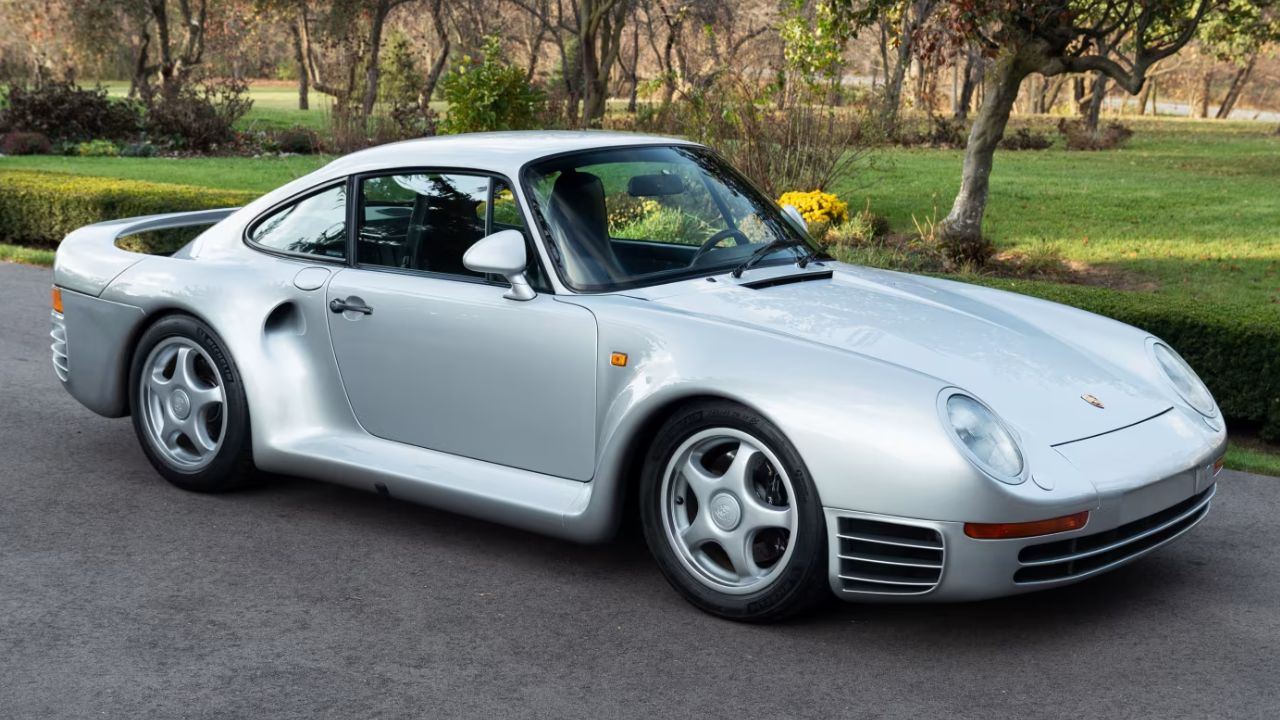
Porsche’s 959 was decades ahead of its time. Born from Group B rally ambitions, it came with a 2.85L twin-turbo flat-six pushing out 450 hp — and it was all-wheel-drive. That combo gave it a 0-60 time under 4 seconds, which was outrageous for the ’80s.
It had height-adjustable suspension, magnesium wheels, and a six-speed manual. Porsche only built 337 of them, but every inch of the car was engineered to handle speed and traction like nothing else available at the time. It was complicated, expensive, and totally unforgettable.
4. 1989 Porsche 944 Turbo S
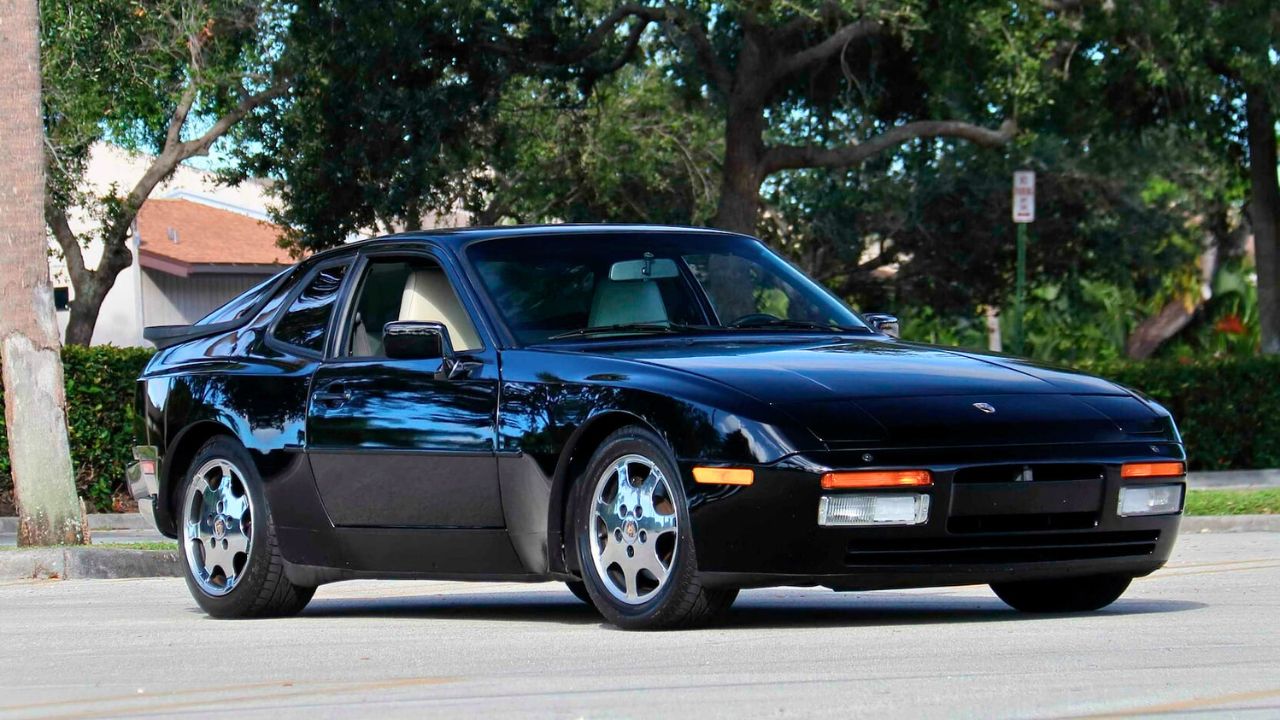
The 944 doesn’t always get enough credit. The Turbo S especially showed what front-engine balance could do. It came with a 2.5L inline-four with a turbocharger that produced 247 hp — not just power, but usable power with smooth delivery.
It had near 50/50 weight distribution, semi-trailing arm rear suspension, and ABS as standard. The interior was more refined than earlier models, with supportive seats and a clean layout. For the price back then, and even now, it offered a very pure kind of sports car feel.
5. 1995 Porsche 911 (993) Turbo
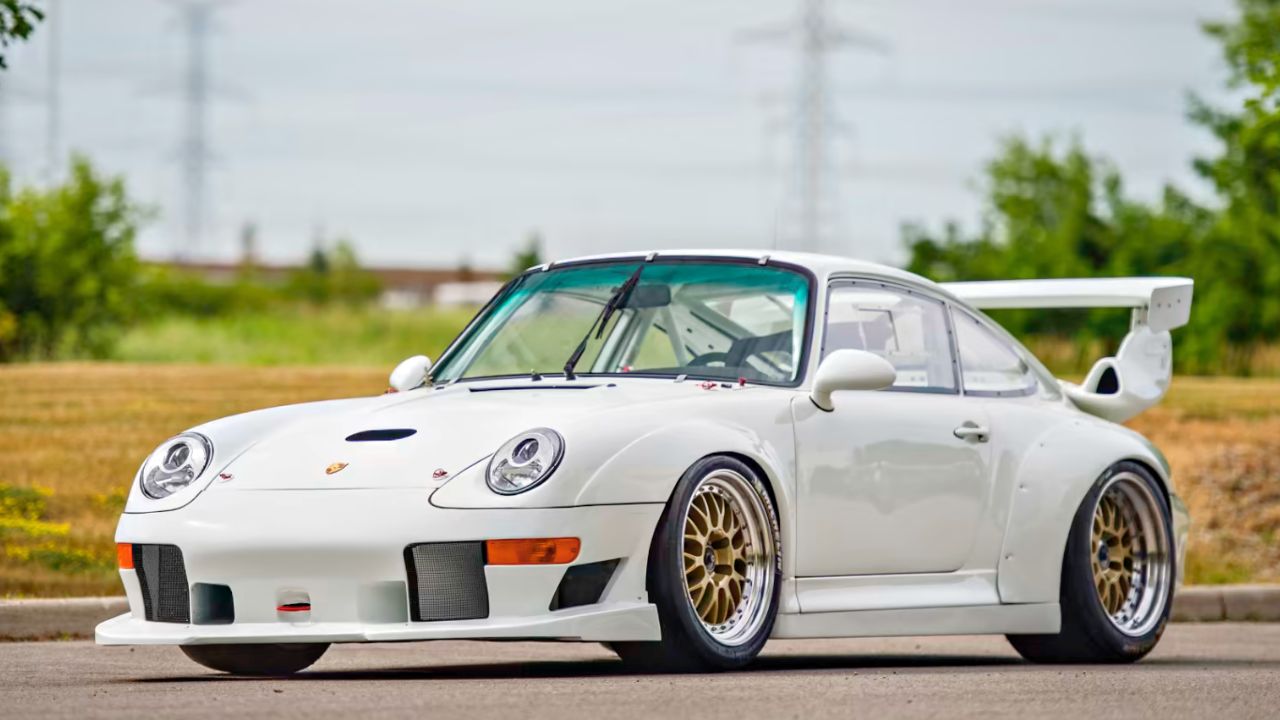
This was the last hurrah for air-cooled Porsches. The 993 Turbo brought twin turbos to the 3.6L flat-six, giving it 402 hp and all-wheel drive to handle it. The power delivery was smooth, and the six-speed manual helped you make the most of every bit of it.
Visually, it was clean — those wide hips and integrated bumpers still hold up. Inside, it was functional, with solid build quality and better refinement than older air-cooled models. If someone says “best 911 ever,” odds are they’re talking about the 993 Turbo.
6. 2004 Porsche Carrera GT
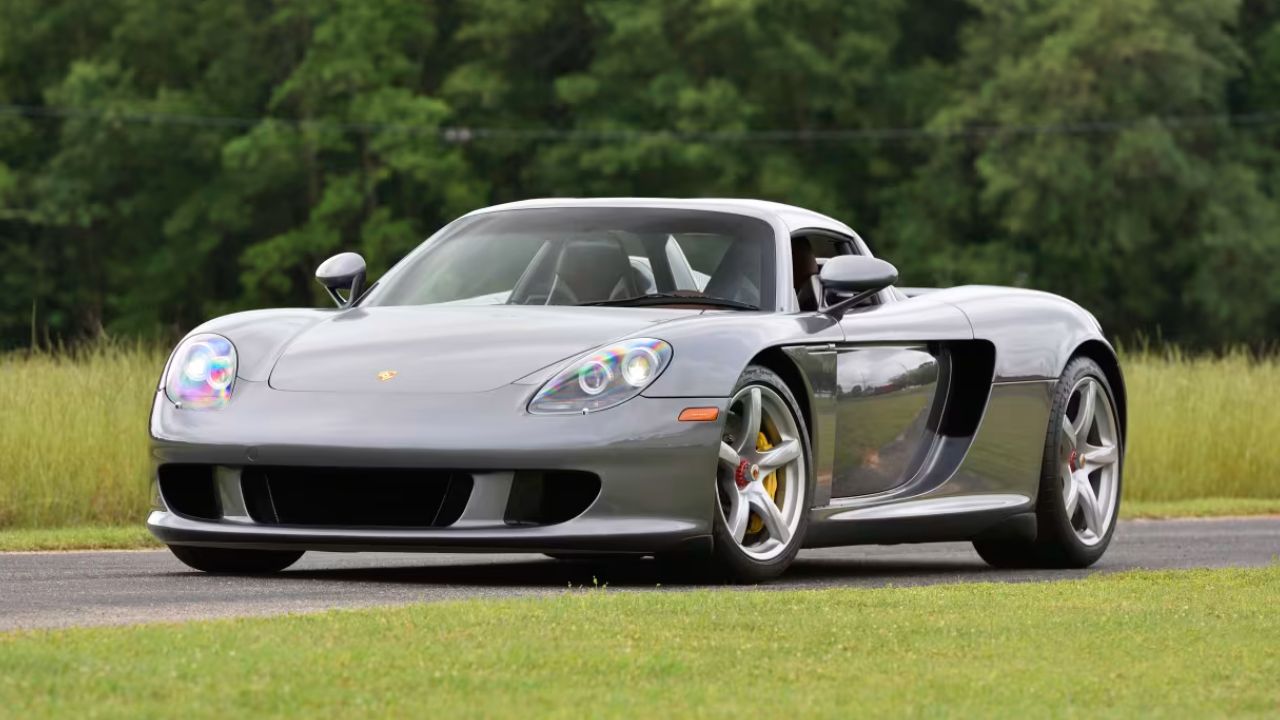
Built with a 5.7L V10 originally developed for Le Mans, the Carrera GT was wild in the best way. It made 605 hp and had no traction control or automatic gearbox to bail you out — just a six-speed manual and a heavy clutch. It demanded respect.
Carbon ceramic brakes, a carbon fiber monocoque, and active aerodynamics made it feel far more modern than most mid-2000s cars. The cabin was clean, minimal, and filled with real materials — magnesium, leather, carbon. It was analog, loud, and nothing about it was casual.
7. 2010 Porsche 911 GT3 RS (997.2)
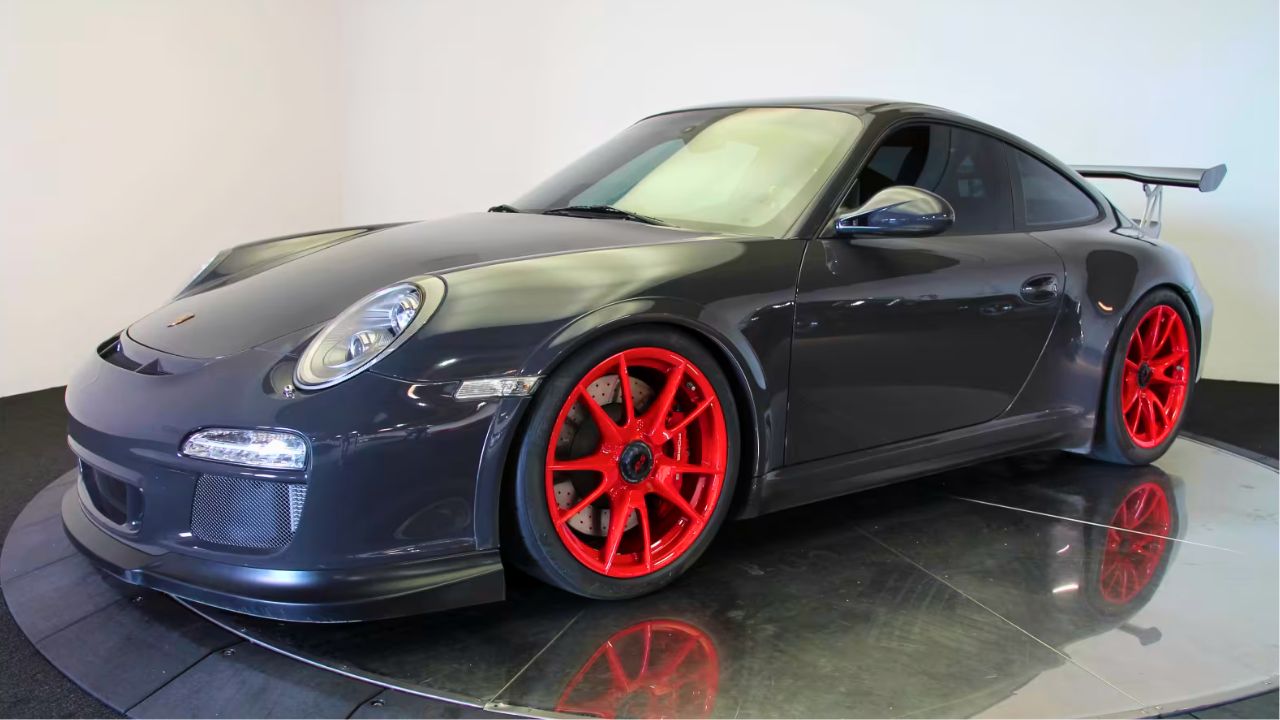
This version of the GT3 RS was stripped down, but not in a brutal way — just refined for focus. It had a 3.8L naturally aspirated flat-six with 450 hp, a six-speed manual, and plenty of aero work. It wasn’t made to be comfortable. It was made to work at speed.
The suspension was stiff, the feedback was sharp, and everything you needed to drive fast was right where it should be. No gimmicks, no fluff. Even the interior had lightweight door pulls instead of handles. Porsche knew exactly who this car was for.
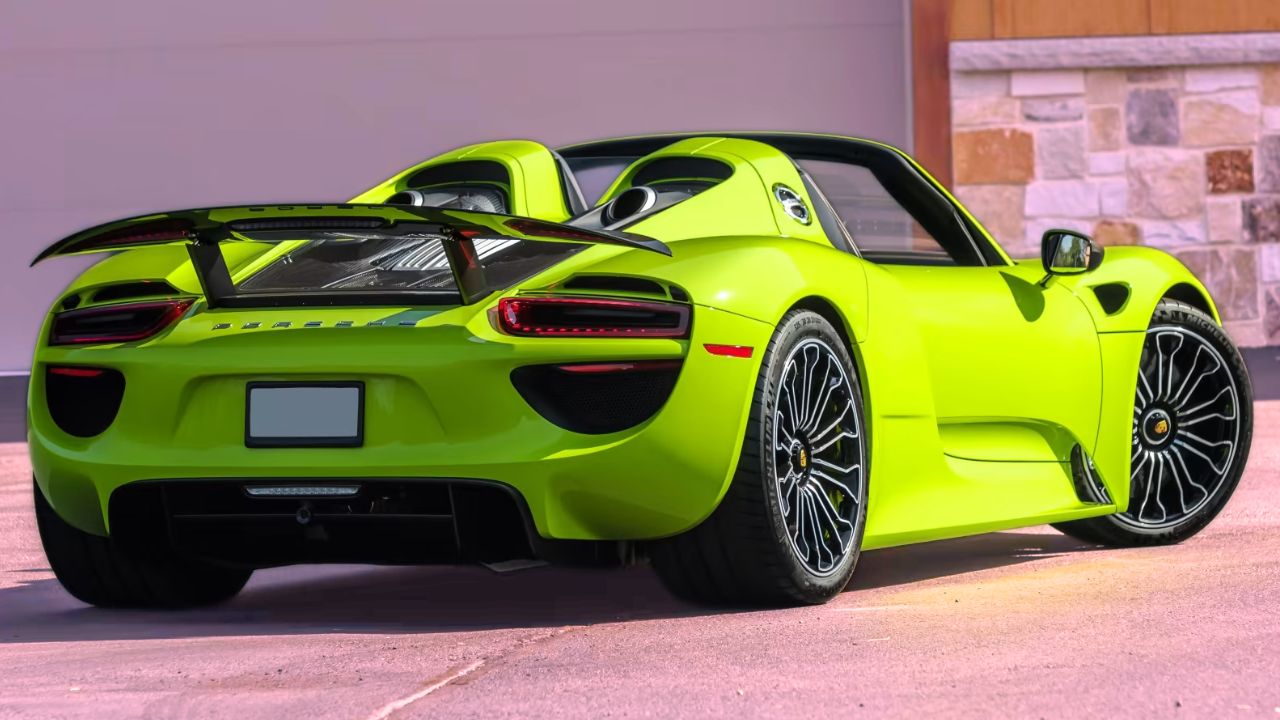
8. 2015 Porsche 918 Spyder
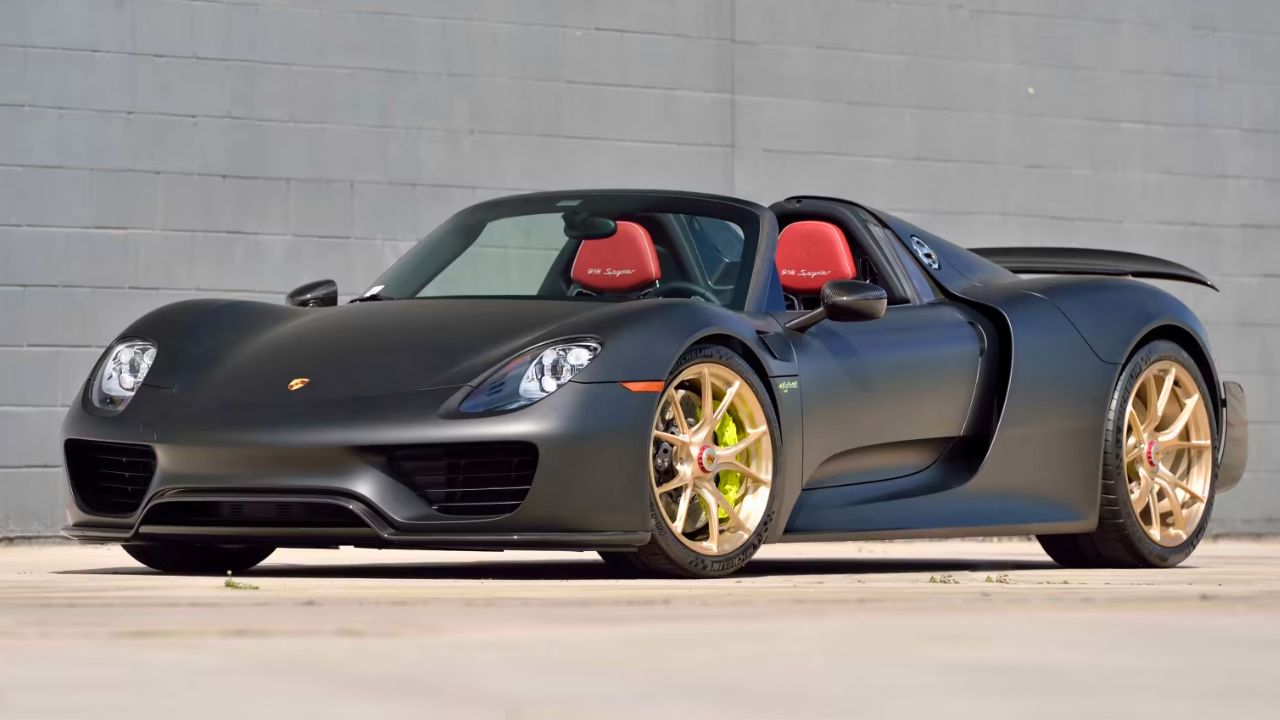
This one proved hybrid tech didn’t have to mean compromise. The 918 Spyder combined a 4.6L naturally aspirated V8 with two electric motors for a total of 887 hp. It could run silently on battery or launch from 0–60 in about 2.5 seconds — your choice.
Its all-wheel drive system, adaptive suspension, and rear-wheel steering made it incredibly agile. And inside? Clean, driver-focused, but still comfortable. Porsche didn’t build this car just to flex tech. They built it to show what could be done when everything is working together.
9. 2018 Porsche 911 GT2 RS (991)
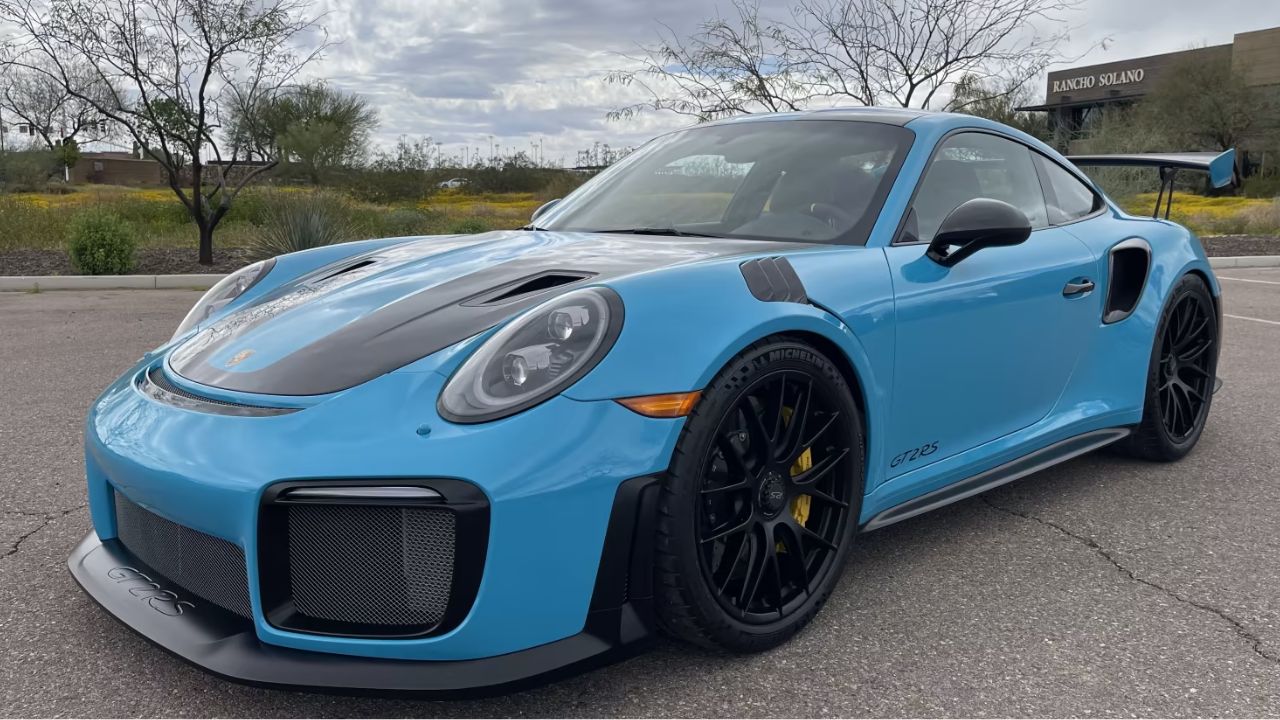
This was Porsche letting the leash off. The GT2 RS had a twin-turbo 3.8L flat-six making 700 hp, paired with a seven-speed PDK. It was rear-wheel-drive only, and it didn’t care how intimidating that sounded. It ran the Nürburgring in under 7 minutes — not by accident.
It used a mix of carbon fiber, magnesium, and aluminum to keep weight down. The suspension was track-tuned but still tolerable on real roads. Inside, it was spartan but smart. Porsche knew exactly how to balance aggression and usability with this one.
10. 2022 Porsche Taycan GTS
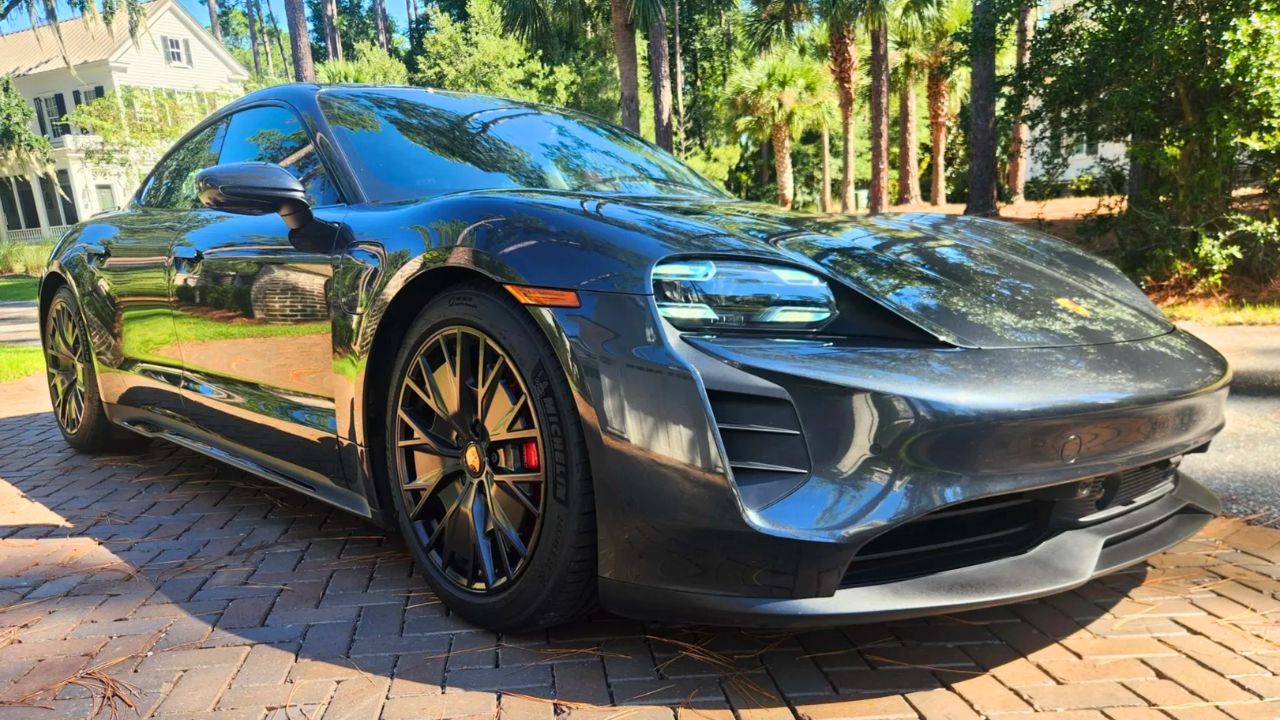
Some weren’t sure how Porsche would pull off an electric car. The Taycan GTS proved they weren’t just playing catch-up — they were setting a bar. With up to 590 hp and a low center of gravity thanks to the floor-mounted battery, it drives like a proper Porsche.
The suspension is adaptive air, and the steering is weighted just right. Inside, it’s modern but focused, with an optional Race-Tex interior and clean layout. It’s quick, confident, and doesn’t feel like a compromise. Porsche didn’t just go electric — they went all in.
Like what you read? Here’s more by us:
*Created with AI assistance and editor review.



Leave a Reply