The automotive world is rich with classic models that have left an indelible mark on car enthusiasts and the industry alike. These retro cars, which once defined eras and set standards, are now prime candidates for modern reinvention. Here, we’ll explore some iconic vehicles that deserve a fresh, contemporary touch to captivate a new generation of drivers.
The Allure of Retro Cars
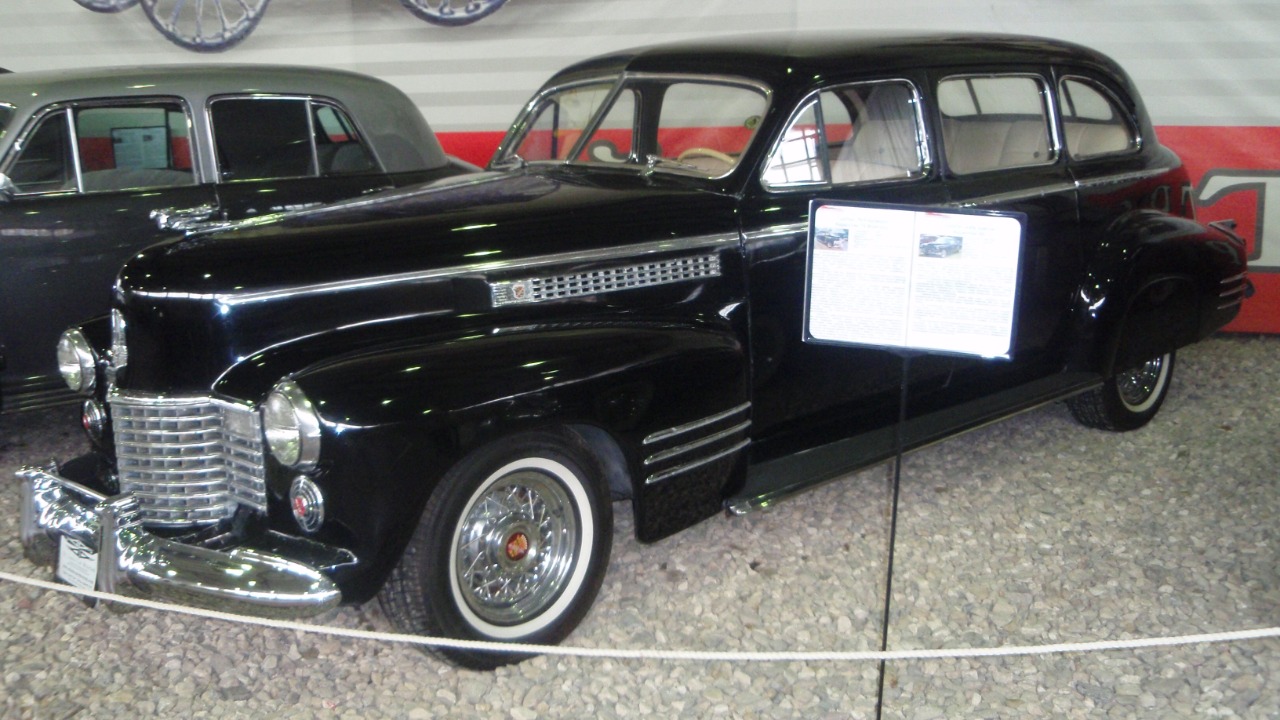
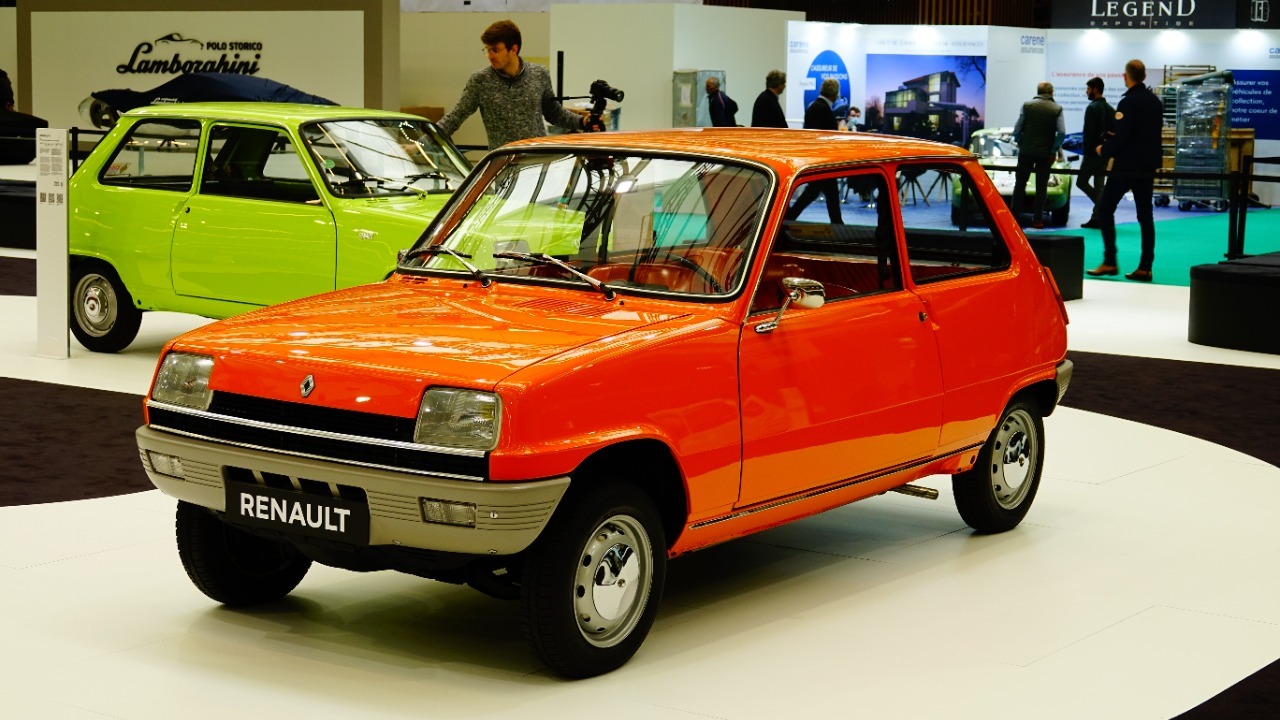
Image Credit: The original uploader was Галин Владимир Петрович at Russian Wikipedia. – CC0/Wiki Commons
Retro cars have a unique ability to evoke a deep sense of nostalgia and cultural memory. They serve as time capsules, reminding us of past decades and significant moments in automotive history. From the roar of a classic engine to the smell of aged leather interiors, these vehicles offer a sensory journey back in time. Their stories are woven into the fabric of pop culture, appearing in films, music, and even video games, reinforcing their iconic status.
The design aesthetics of classic cars are another aspect that continues to captivate enthusiasts. Many of these vehicles boast timeless design elements that could be seamlessly integrated into modern versions. Sleek lines, chrome finishes, and distinctive grilles have a universal appeal that attracts both vintage lovers and new audiences. As the automotive market continues to evolve, there is a noticeable demand for restomod and retro-inspired vehicles, providing a ripe opportunity for manufacturers to tap into this growing interest.
Iconic Models That Deserve a Comeback
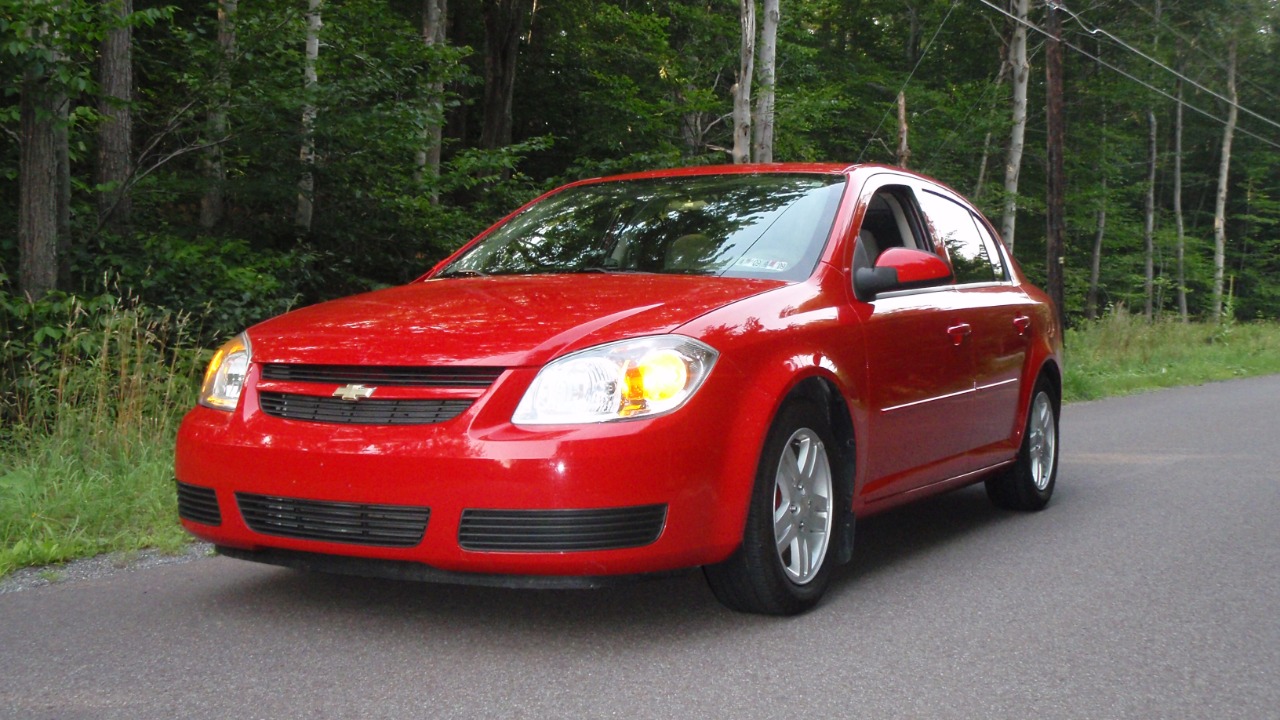
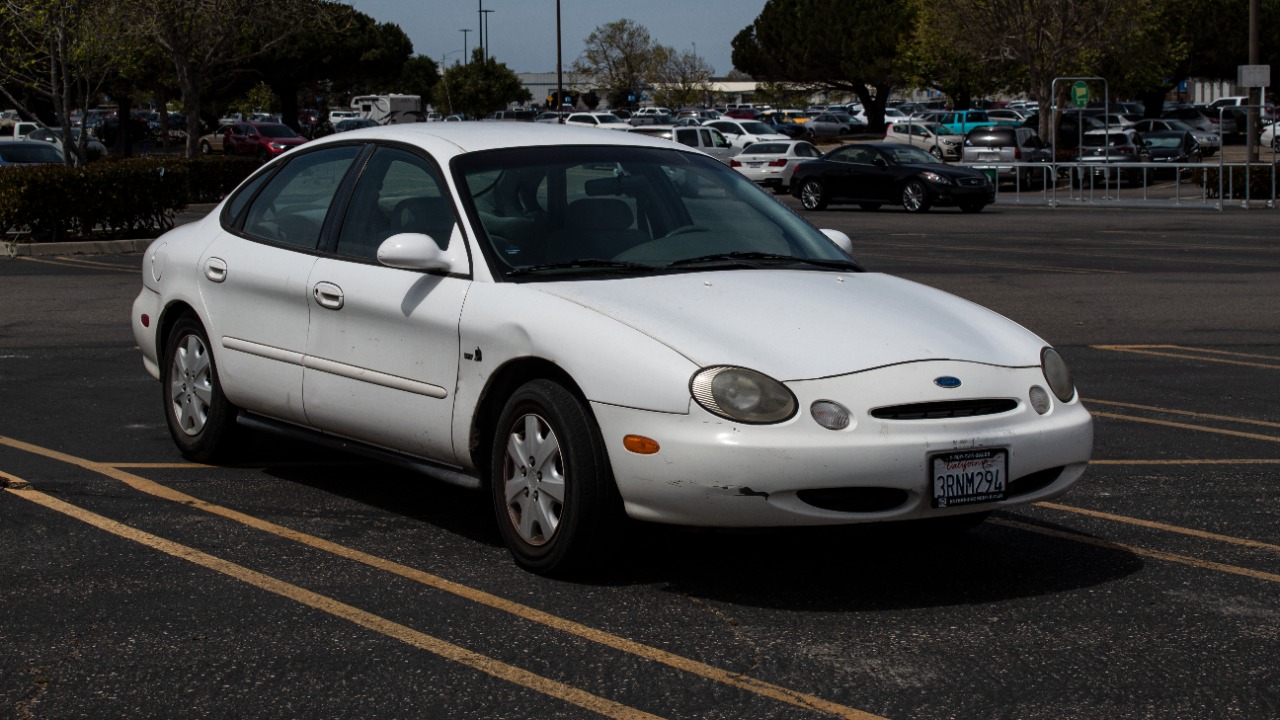
Image Credit: Ramphex – Public domain/Wiki Commons
The Chevy Cobalt SS stands out as a prime candidate for a modern revival. Known for its performance and cultural significance, the Cobalt SS carved a niche as a budget-friendly sports car. It gained popularity in media, particularly through its feature in the “Need for Speed” video game franchise. This model’s affordability and performance make it a suitable candidate for a contemporary version that could appeal to a wide range of drivers.
The Ford Taurus is another classic that has sparked recent discussions about its potential for an electric restomod. As we move towards a more sustainable future, the Taurus’s historical significance and innovative potential make it a strong contender for a modern comeback. By integrating electric powertrains into its design, the Taurus could offer a blend of nostalgia and cutting-edge technology, attracting both classic car enthusiasts and environmentally conscious consumers.
Other noteworthy mentions include several classic models highlighted by Hagerty, each possessing unique attributes that make them deserving of a modern version. From their iconic designs to their historical significance, these vehicles have the potential to captivate a new generation of car lovers.
Challenges and Considerations in Reviving Classics
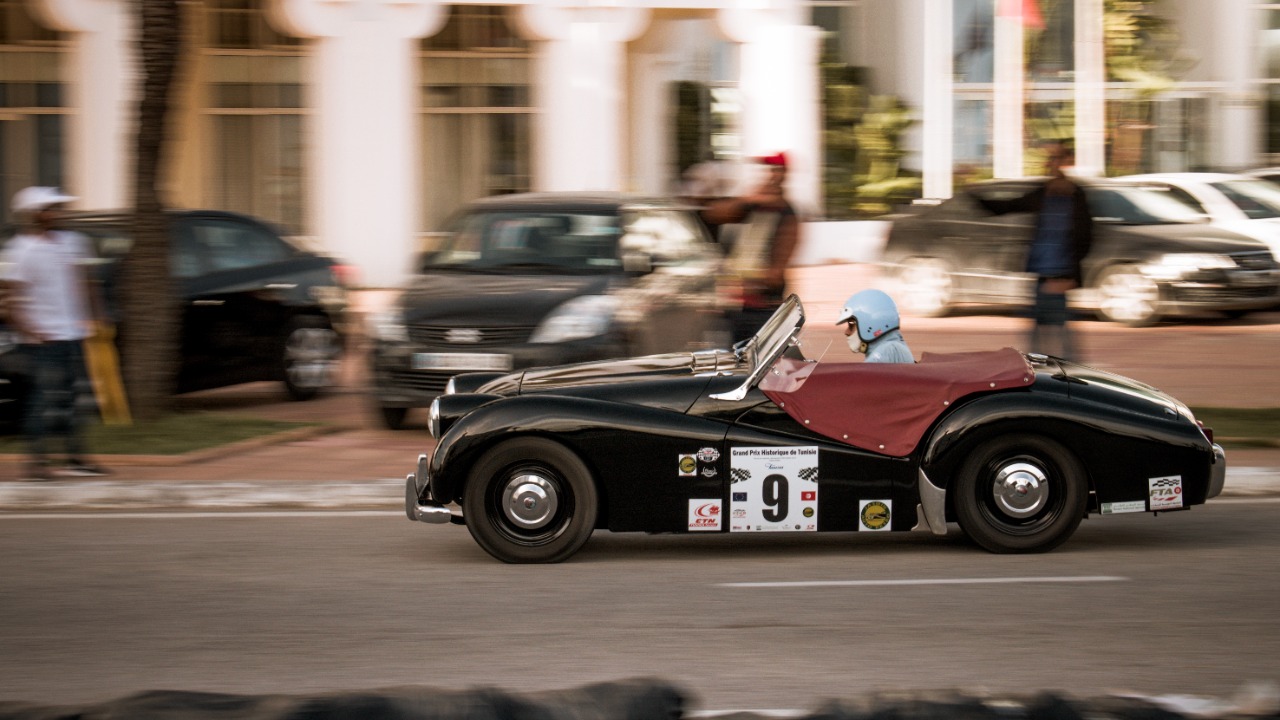
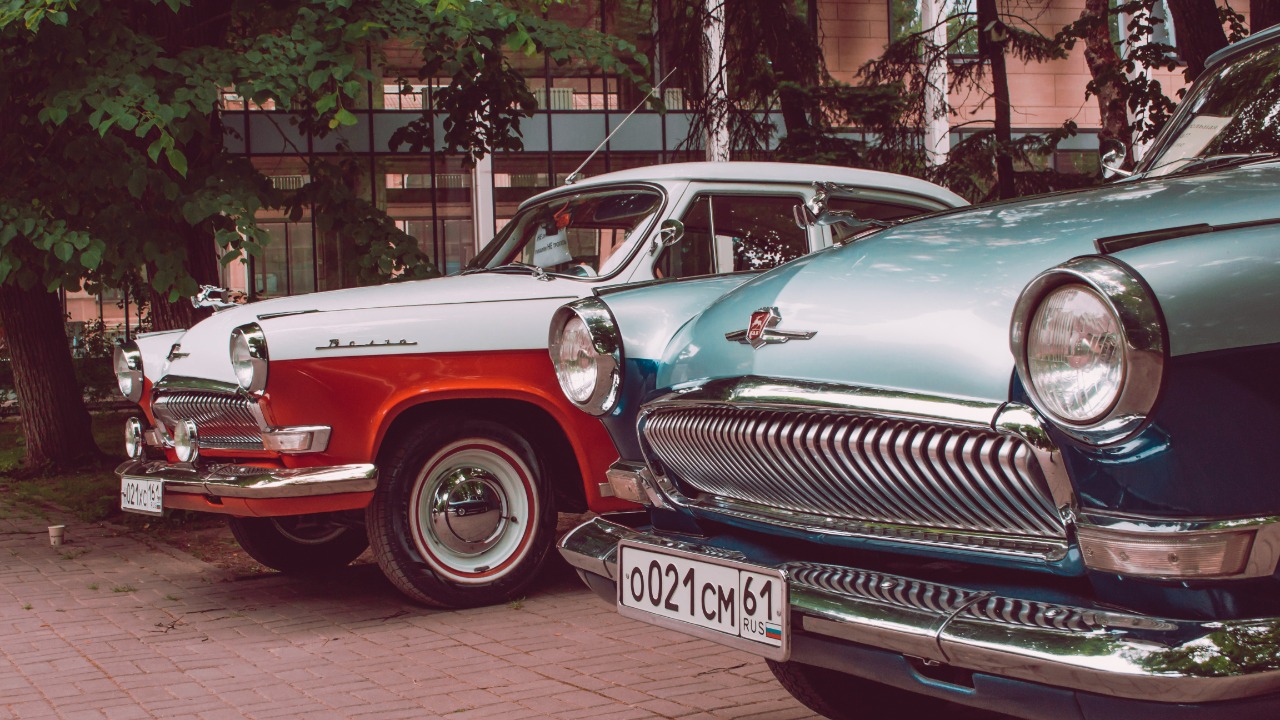
Image Credit: Monaam Ben Fredj – CC BY-SA 4.0/Wiki Commons
Reviving classic cars with a modern twist presents several challenges, particularly in integrating advanced technology. Classic designs often don’t accommodate modern electric or hybrid powertrains without significant modification. Car manufacturers must strike a balance between maintaining the original charm and incorporating new technologies that improve performance and efficiency.
Regulatory and safety standards also pose significant hurdles. Modern automotive regulations demand stringent safety and emissions standards, which classic designs often fail to meet. Manufacturers must find innovative ways to reinforce these vehicles while preserving their classic appeal. Achieving this balance requires a careful approach, ensuring that the essence of the original model is not lost in the process.
Additionally, there is the challenge of balancing authenticity with innovation. While enthusiasts appreciate the original spirit and design of classic cars, modern consumers often seek the benefits of advanced features. Manufacturers must navigate these expectations to deliver vehicles that honor their heritage while offering the conveniences of contemporary technology.
The Role of Electric Restomods
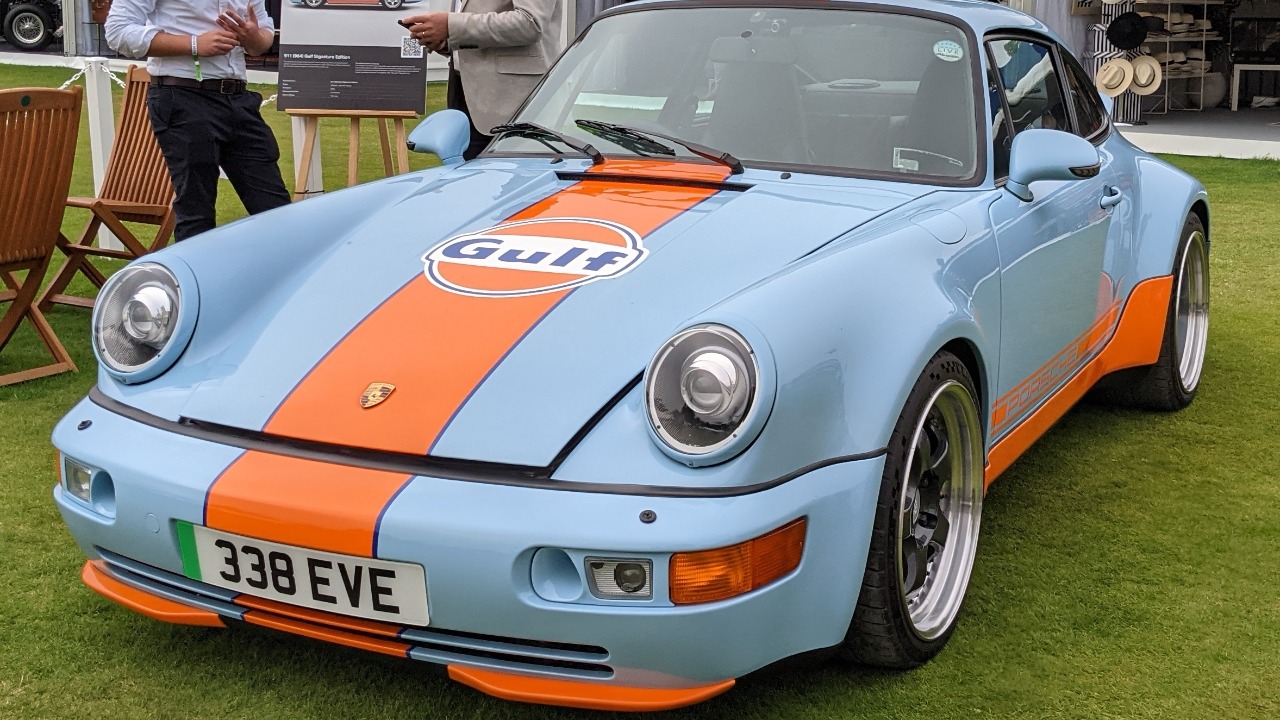
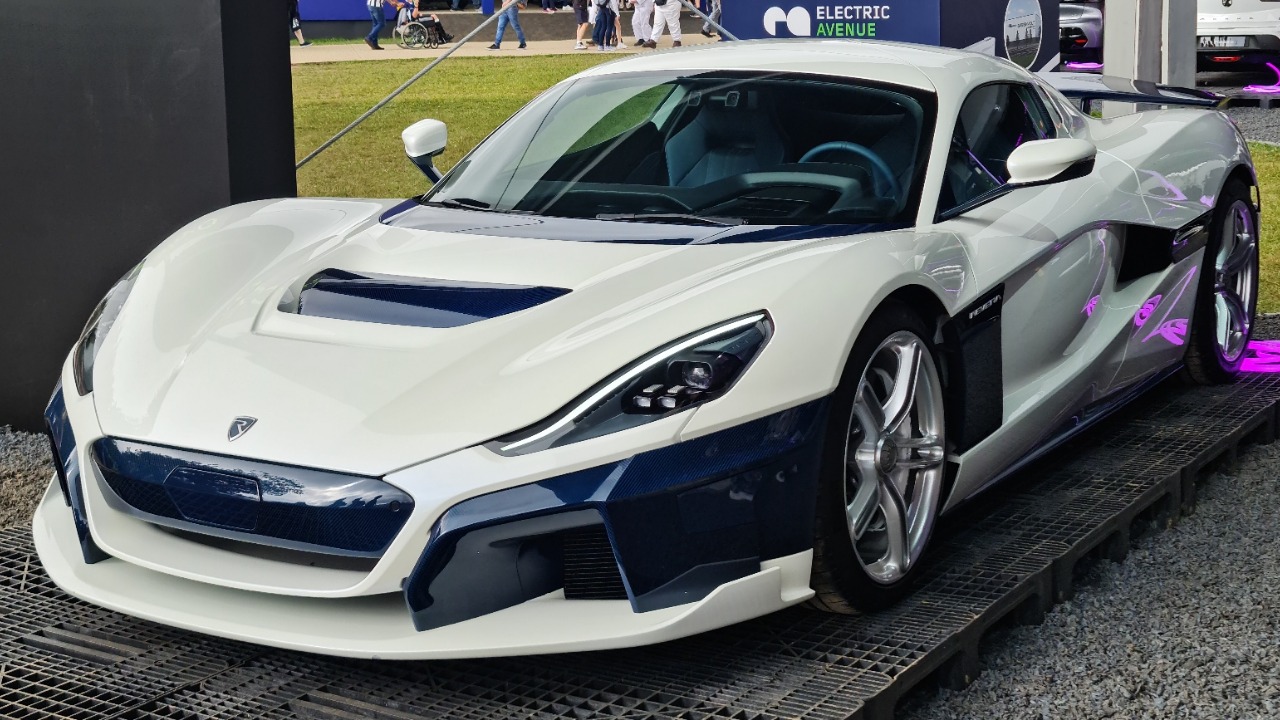
Image Credit: Calreyn88 – CC BY-SA 4.0/Wiki Commons
Electric restomods offer a unique opportunity to revitalize classic cars while addressing environmental concerns. By converting these vehicles to electric, emissions are significantly reduced, contributing to a more sustainable future. This conversion not only extends the longevity of these classic cars but also aligns them with modern environmental standards.
Furthermore, electric restomods can enhance the performance of classic cars. Electric powertrains often offer improved speed and handling, providing a driving experience that rivals modern sports cars. This performance boost, coupled with the classic aesthetics, makes electric restomods an attractive option for enthusiasts who want the best of both worlds.
There are numerous examples of successful electric restomods in the market. These projects have demonstrated the viability and appeal of converting classic cars to electric, influencing car culture and inspiring manufacturers to explore similar initiatives.
Image Credit: LukaCali – CC BY-SA 4.0/Wiki Commons
The automotive industry is witnessing a trend towards the revival of classic models, driven by advancements in technology and changing consumer preferences. As electric vehicles become increasingly popular, so too does the interest in electric restomods. This trend suggests a promising future for the revival of classic cars, with manufacturers exploring innovative ways to blend the past with the present.
Several major car manufacturers have already initiated projects to bring classic models back with a modern twist. These initiatives reflect a broader industry shift towards embracing the heritage of classic vehicles while integrating cutting-edge technology and sustainability.
Looking ahead, modern versions of retro cars have the potential to shape the future of the automotive landscape. By blending the best of the past and present, these vehicles could redefine consumer expectations and set new standards for the industry. As technology continues to evolve, the opportunities for classic car revivals will only expand, offering exciting possibilities for both manufacturers and consumers alike.
Welcome to Fast Lane Only—the ultimate destination for everything on wheels. Whether you’re into celebrity rides, classic icons, modern muscle, or the fastest supercars on the planet, we’ve got you covered.
From the rarest collector’s cars to the high-performance machines turning heads today, we bring you stories, specs, and insider looks at the rides that matter. If it’s fast, legendary, or owned by someone famous, you’ll find it here. Buckle up and stay in the fast lane!





Leave a Reply