

In the mid-20th century, ashtrays were ubiquitous in cars, with every door often featuring its own. This was a reflection of societal norms and the prevalence of smoking during that era. As automotive design and societal attitudes evolved, the once-common ashtray began to disappear from vehicles.
The Rise of Smoking Culture and Its Influence on Car Design

Following World War II, there was a significant boom in cigarette consumption. The stress of wartime, combined with aggressive marketing by tobacco companies, led to a surge in smoking rates. Smoking became a symbol of sophistication and leisure, and as such, it had a profound impact on various aspects of daily life, including the design of automobiles. Car manufacturers recognized the cultural importance of smoking and began to integrate features into their vehicles that catered to this widespread habit.
Automakers incorporated ashtrays as standard features in vehicle interiors to accommodate both drivers and passengers who smoked. In many car models, ashtrays were installed in every door, often accompanied by cigarette lighters. This design move was not only practical but also served as a selling point. Car advertisements from the era frequently highlighted ashtrays as a luxury or convenience feature, emphasizing their presence as a mark of a well-equipped and modern vehicle. These ads often depicted relaxed, stylish individuals enjoying a cigarette while traveling, reinforcing the idea that smoking was an integral part of the driving experience.
The role of car advertisements in promoting ashtrays as an essential feature cannot be overstated. By presenting them as a symbol of modernity and comfort, automakers tapped into the smoking culture to drive sales. This trend persisted for decades, with ashtrays becoming as common in cars as steering wheels or seats.
Changing Societal Attitudes Toward Smoking
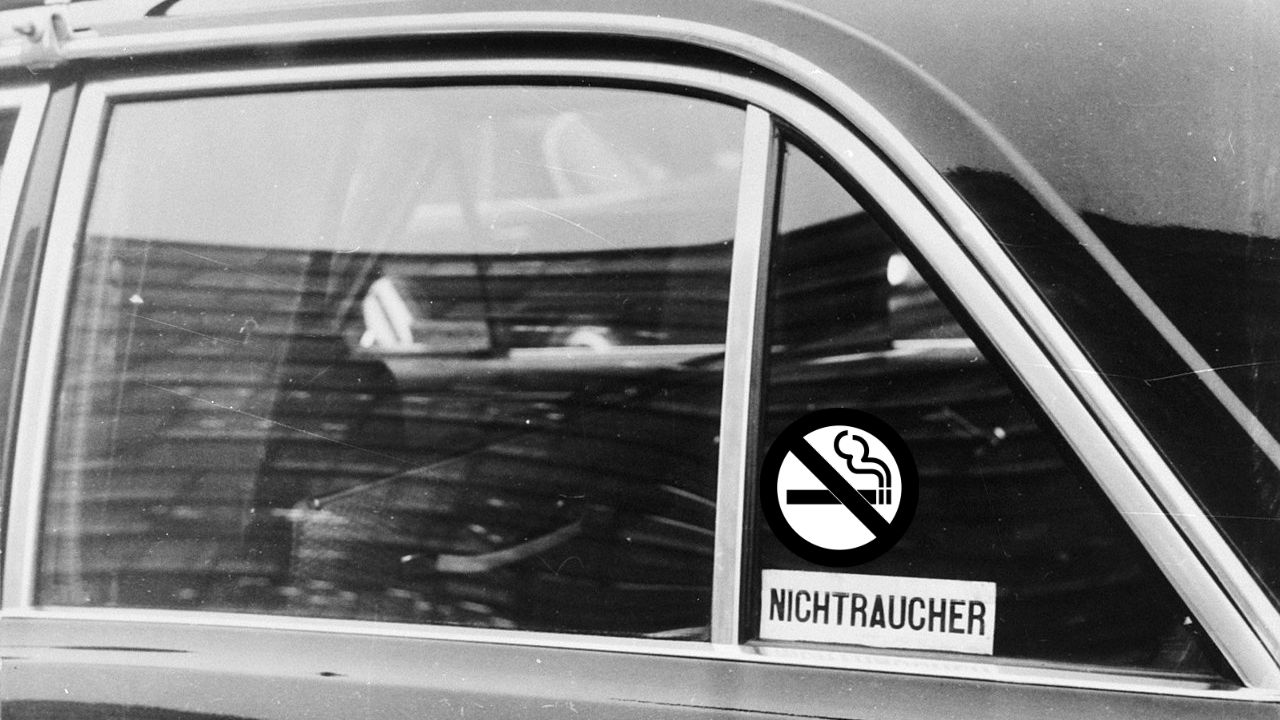
As time went on, smoking rates began to decline, starting from the 1960s. The decline was fueled by increasing awareness of the health risks associated with smoking, and the introduction of anti-smoking legislation. Public health campaigns worked tirelessly to inform the public about the dangers of smoking, leading to a slow but steady decrease in its prevalence.
As consumer demand for smoking-related features in cars waned, car manufacturers began to respond. The need for in-car ashtrays diminished, prompting automakers to reconsider their inclusion in new models. The marketplace began to shift, reflecting a broader societal change towards healthier lifestyles and environments. This transformation was further propelled by legislation that restricted smoking in public places and workplaces, making it less socially acceptable to smoke while driving or riding in a car.
The impact of these changes became evident as car interiors evolved. The focus shifted towards creating more versatile and multifunctional spaces, leaving behind the dedicated smoking features of the past. As manufacturers adapted to changing consumer preferences and regulations, the ashtray became an increasingly rare feature in modern vehicles.
The Evolution of Automotive Design and Features

The evolution of car interiors towards multifunctionality and the integration of new technologies played a significant role in the obsolescence of the ashtray. As vehicles became more advanced, the focus shifted from accommodating smoking to enhancing the overall driving experience. Features like infotainment systems, integrated navigation, and advanced safety technologies became priorities.
The proliferation of these new technologies signaled a shift in consumer expectations. Drivers sought out vehicles that offered connectivity and convenience, pushing smoking-related features further down the list of priorities. This transition was further accelerated by the growing popularity of electric vehicles, which emphasized sustainability and efficiency. Electric vehicle designs prioritized battery space and weight reduction, leaving little room for non-essential features like ashtrays.
Additionally, the push towards greener and more sustainable automotive solutions influenced the design priorities of new models. Manufacturers began to focus on developing interiors that were not only functional but also environmentally friendly. The exclusion of traditional ashtrays became part of a broader movement towards creating cleaner and more efficient vehicles.
Modern Alternatives and Adaptations
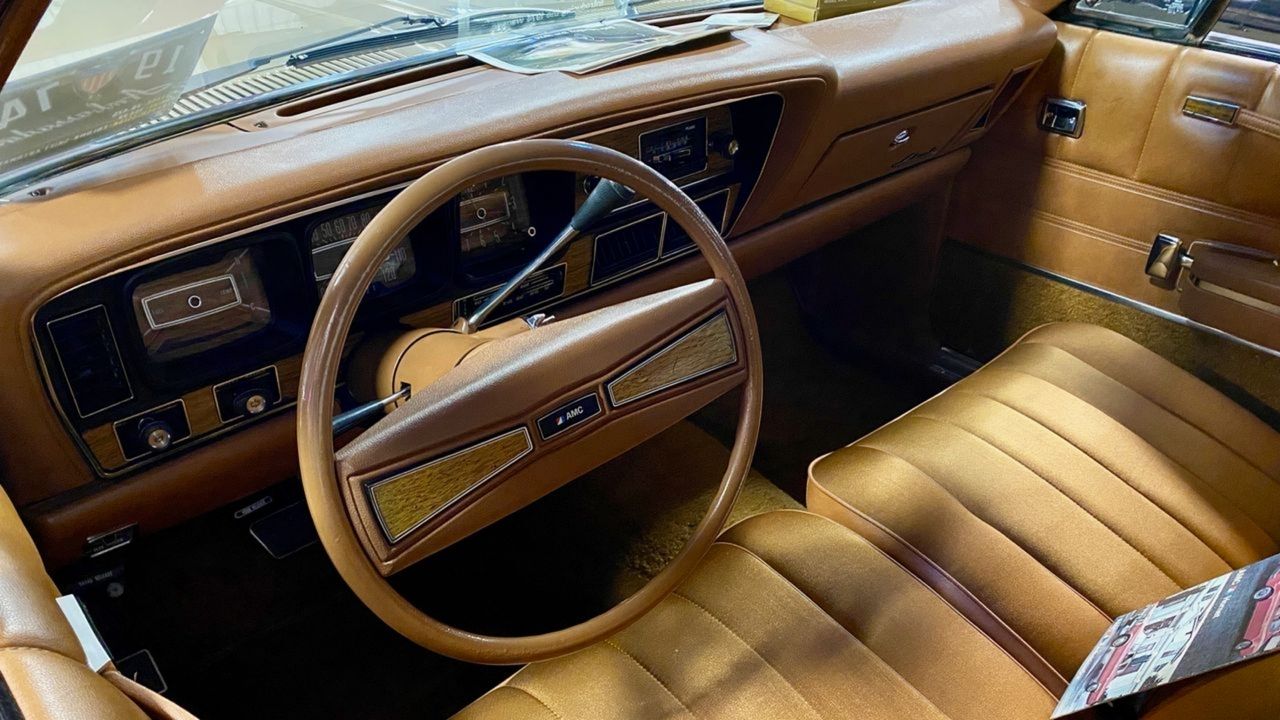
Despite their decline, old ashtrays have found new life through creative repurposing. Some individuals and businesses have transformed these relics into charging stations or storage compartments for small items. This ingenuity highlights the adaptability of car enthusiasts and the ongoing fascination with vintage car features.
In contrast, modern vehicles have shifted focus towards non-smoking features like cup holders and advanced infotainment systems. These features cater to the preferences of today’s drivers, who value convenience and connectivity over smoking-related amenities. The rise of these alternatives reflects a broader trend towards creating car interiors that prioritize functionality and user experience.
Beyond individual vehicles, public spaces have also adapted to changing attitudes toward smoking. For instance, in the Netherlands, there has been a move to replace public ashtrays with electric bicycle chargers. This shift underscores the growing emphasis on sustainability and the transition to cleaner modes of transportation.
Cultural and Historical Reflections
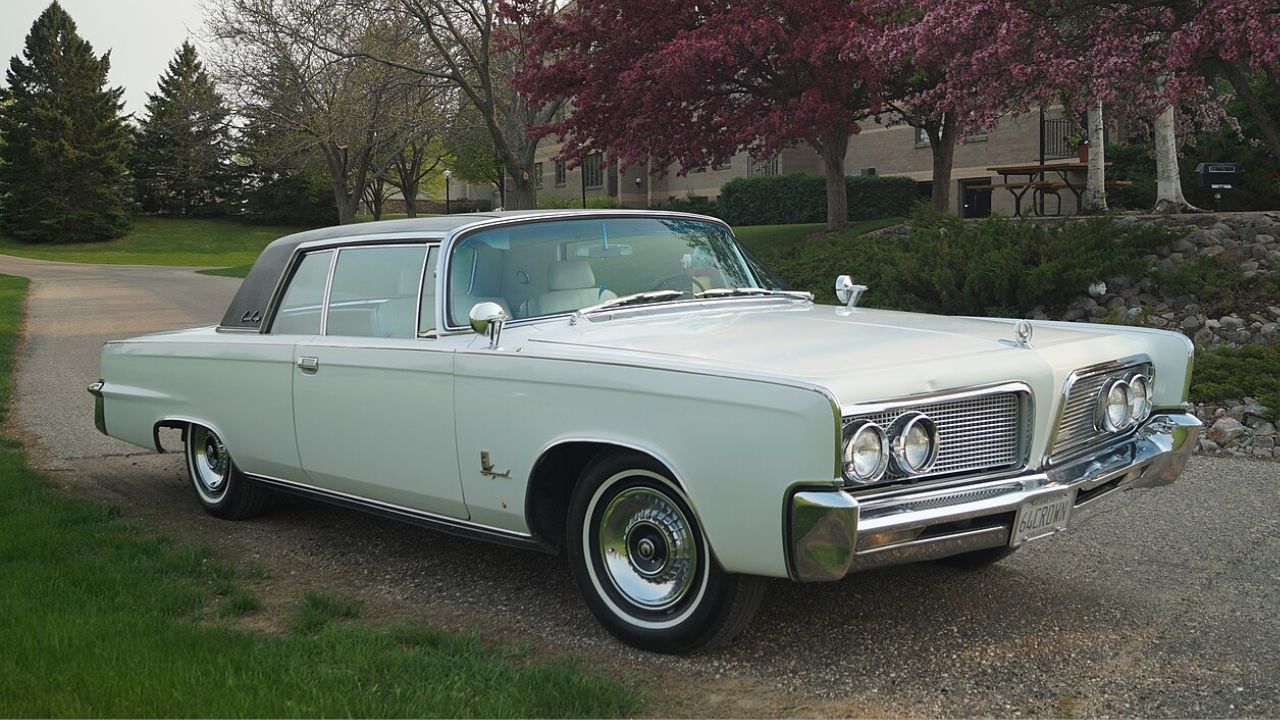
For some, there is a sense of nostalgia associated with vintage car features, including ashtrays. These elements serve as a reminder of a different era, when smoking was a prominent part of social life. The presence of ashtrays in classic cars can evoke memories of road trips and the golden age of automotive travel.
The symbolic significance of ashtrays extends beyond nostalgia. They reflect the broader cultural shifts in societal values and attitudes over time. The decline of the ashtray mirrors the changing relationship between society and smoking, highlighting the impact of health awareness and legislative efforts on public behavior.
Interestingly, ashtrays have also become collectors’ items for some car enthusiasts. These individuals appreciate the historical significance of ashtrays and regard them as memorabilia. The material culture of everyday objects can offer valuable insights into societal trends and values. Collecting vintage ashtrays allows enthusiasts to preserve a piece of automotive history, appreciating their role in shaping the driving experience of the past.
Like Fast Lane Only’s content? Be sure to follow us.
Here’s more from us:
*Created with AI assistance and editor review.






Leave a Reply