
In every era of automotive history, a few performance cars break free from convention and leap boldly into the future. These machines introduce technologies no one asked for yet, styling that seems to have slipped through a time portal, or performance figures that don’t make sense until years later. While some were misunderstood in their moment, all of them helped shape the performance landscape we know today. In this article, we’re looking at eight standout cars that weren’t just fast for their time—they were far ahead of it. Buckle up, because these trailblazers rewrote the rules long before the rest of the industry caught up.
Lamborghini Miura
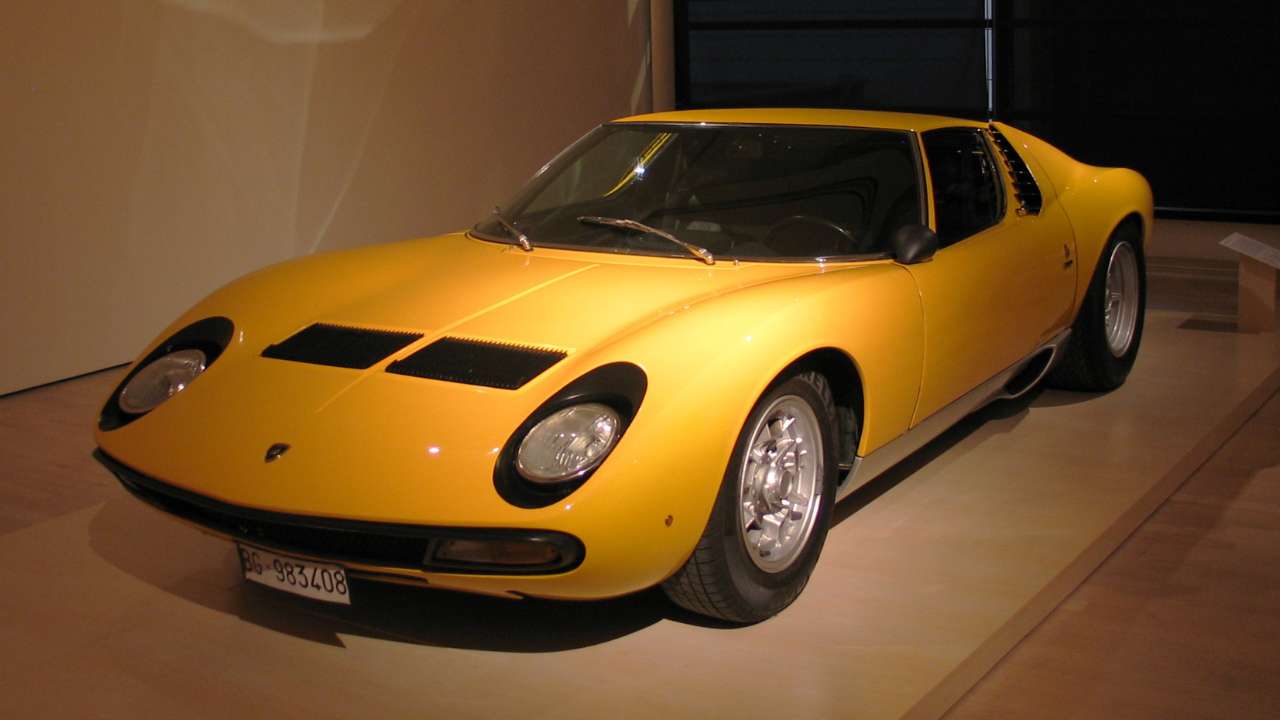
The Lamborghini Miura, introduced in 1966, is often credited as the world’s first supercar. This stunning vehicle broke new ground with its mid-engine layout, which set a template for future high-performance cars. The Miura’s V12 engine was a marvel of engineering, offering unprecedented speed and handling for its time.
Its sleek and aerodynamic design was not just a visual treat but also an engineering feat that enhanced performance. The Miura paved the way for future Lamborghinis and competitors alike, making it an iconic piece of automotive history.
Porsche 959
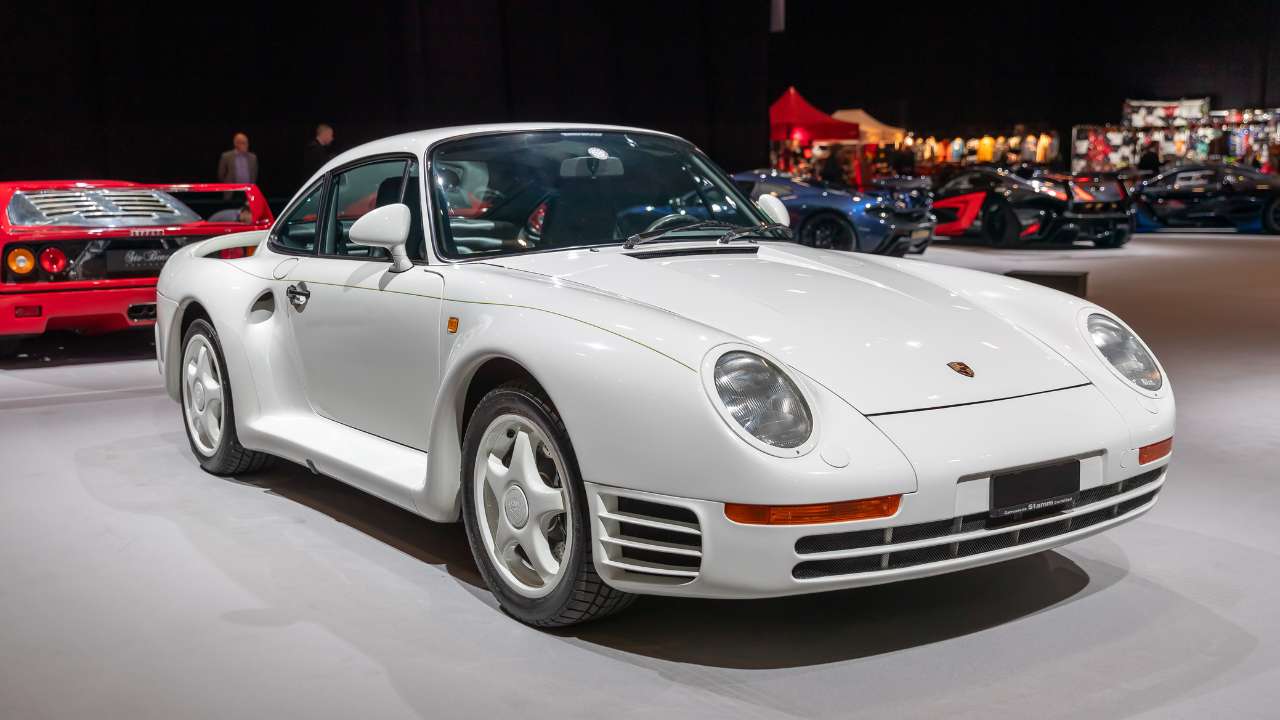
Launched in 1986, the Porsche 959 was a technological tour de force. It boasted an all-wheel-drive system, twin-turbocharged engine, and a top speed of nearly 200 mph, which was unheard of during its era. The 959 was one of the first production cars to feature an advanced computer-controlled chassis, setting new standards for performance and innovation.
Its rally-bred technology and limited production numbers made it not only a collector’s item but also a benchmark for future high-performance vehicles. The 959’s influence is evident in Porsche’s later models, including the 911 Turbo.
Ferrari F40
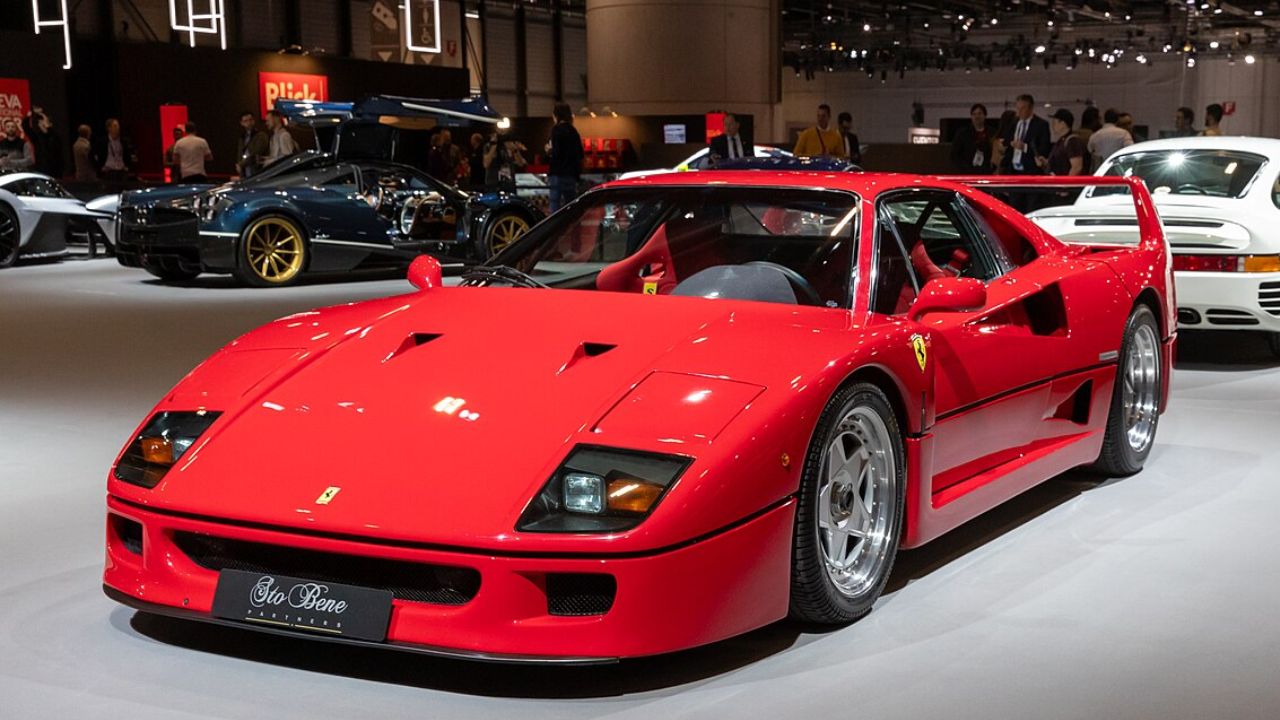
The Ferrari F40, unveiled in 1987, was a masterpiece of speed and design. It was the last Ferrari model personally approved by Enzo Ferrari and was designed to celebrate the company’s 40th anniversary. With a twin-turbocharged V8 engine, it could reach speeds of up to 201 mph, making it the fastest car of its time.
Its lightweight construction, thanks to the use of carbon fiber and Kevlar, marked a significant shift in automotive engineering. The F40’s raw, unfiltered driving experience remains a benchmark for enthusiasts worldwide.
Acura NSX
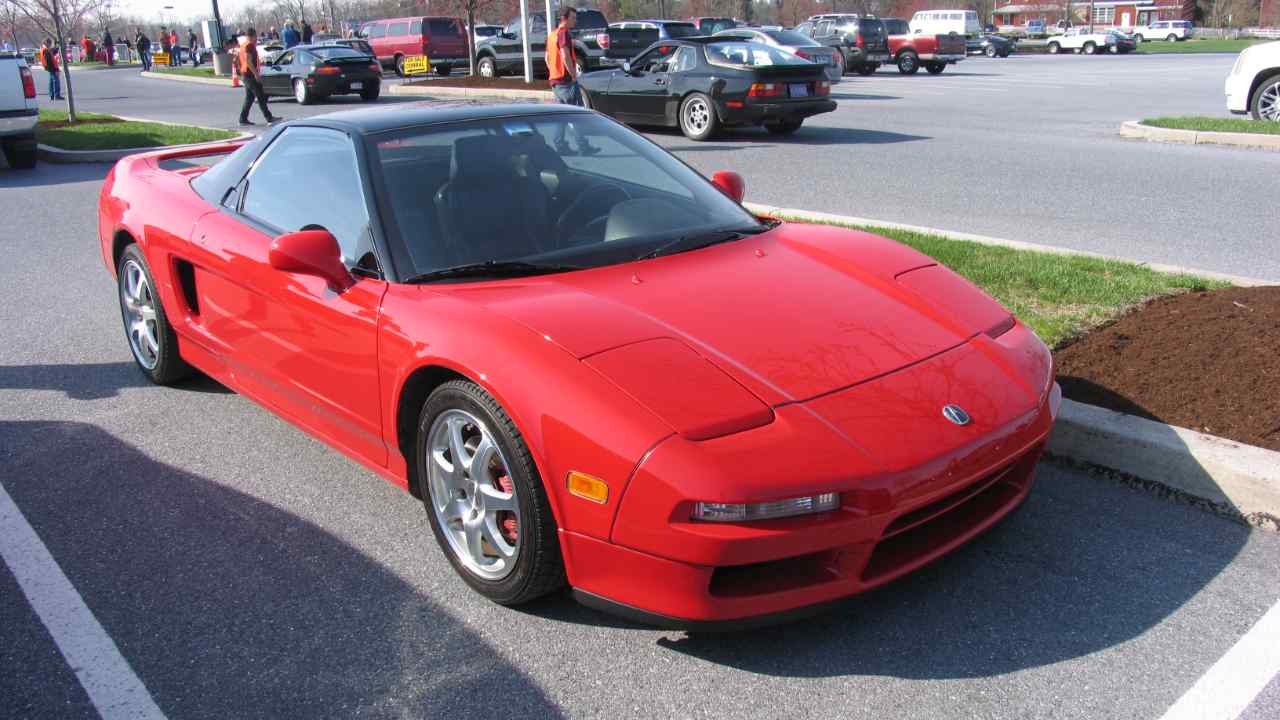
The Acura NSX, introduced in 1990, revolutionized the concept of a supercar by combining performance with everyday usability. With input from Ayrton Senna, the NSX featured an all-aluminum body and a mid-engine V6, offering remarkable handling and reliability.
Its influence is still seen today, as it challenged European manufacturers to improve their quality while delivering exceptional performance. The NSX is credited with forcing the supercar industry to balance performance with practicality, a formula that remains relevant.
McLaren F1
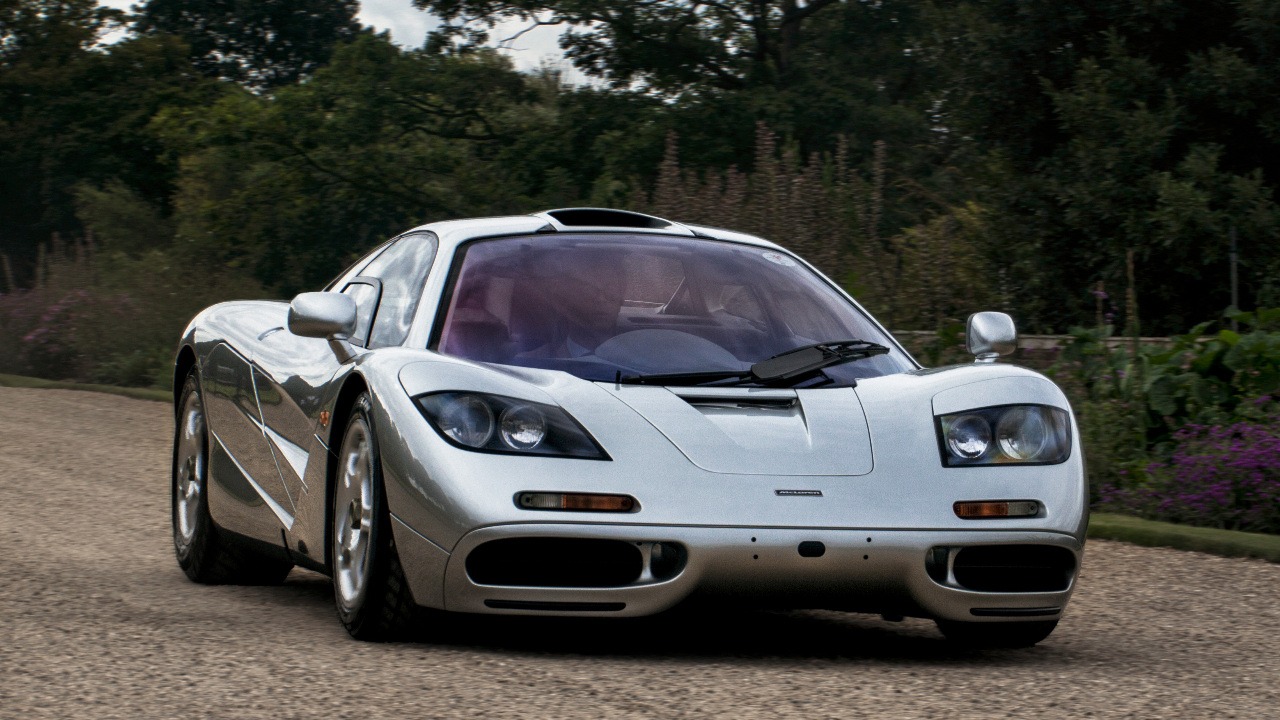
Released in 1992, the McLaren F1 set new standards for speed and performance. With a top speed of 240 mph, it was the fastest production car for over a decade. The F1’s central driving position and gold-lined engine bay were just a few of its many innovative features.
Its naturally aspirated V12 engine and lightweight design showcased what could be achieved with a focus on performance and innovation. The McLaren F1 continues to be revered as one of the greatest supercars ever made.
Bugatti Veyron
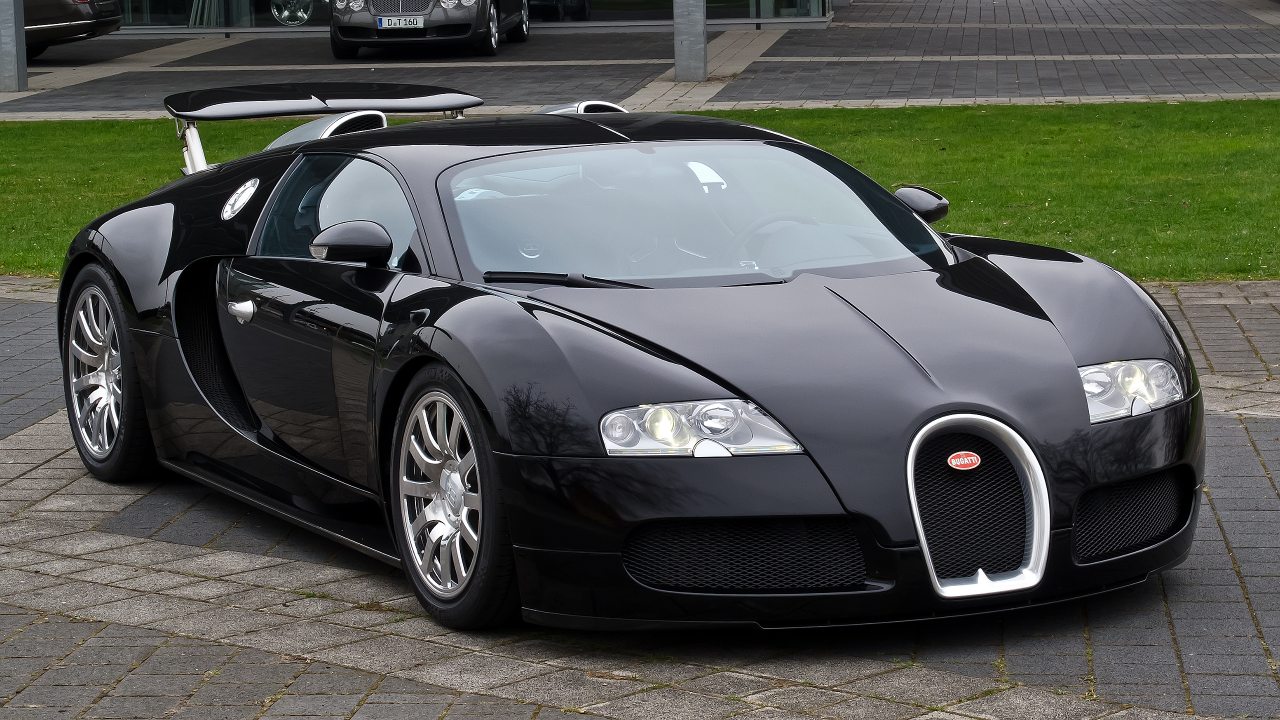
When the Bugatti Veyron debuted in 2005, it redefined what was possible in a production car. With its quad-turbocharged W16 engine, the Veyron could reach speeds of over 250 mph, making it the fastest street-legal car at the time.
The Veyron’s advanced aerodynamics and luxury features set a new benchmark for hypercars. Its engineering excellence demonstrated that extreme performance could coexist with comfort and luxury, influencing hypercars that followed.
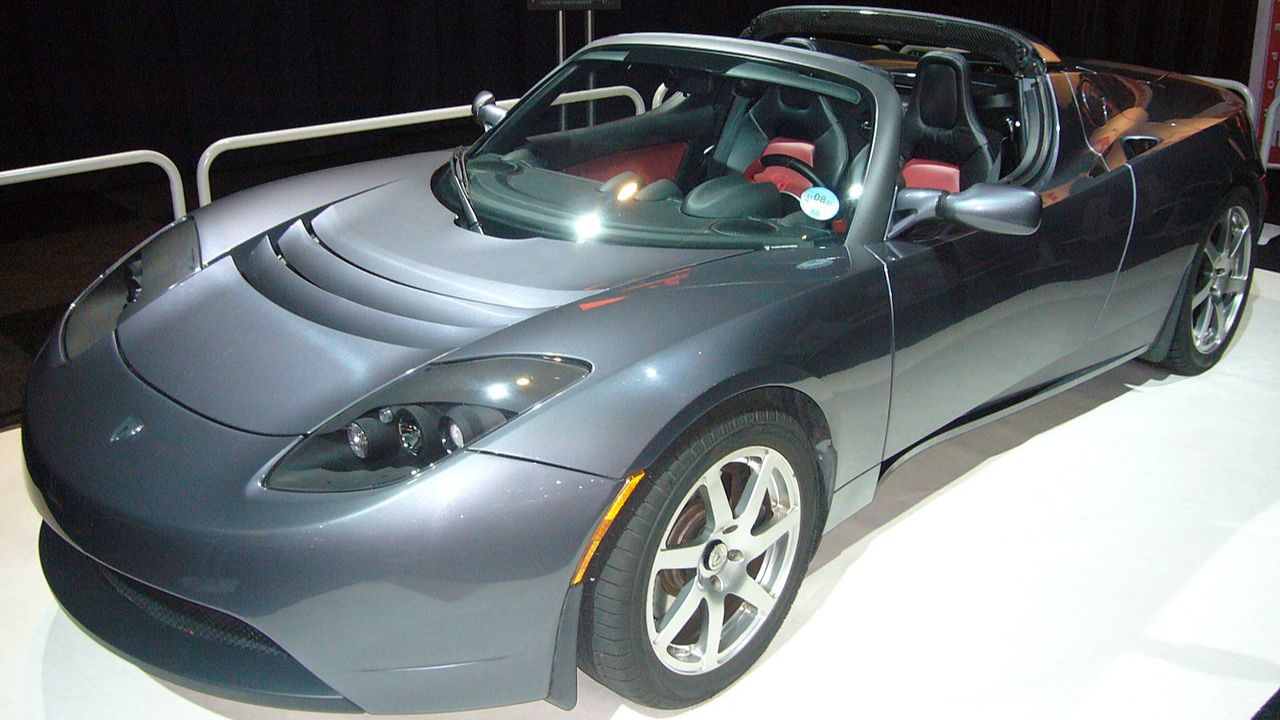
Tesla Roadster
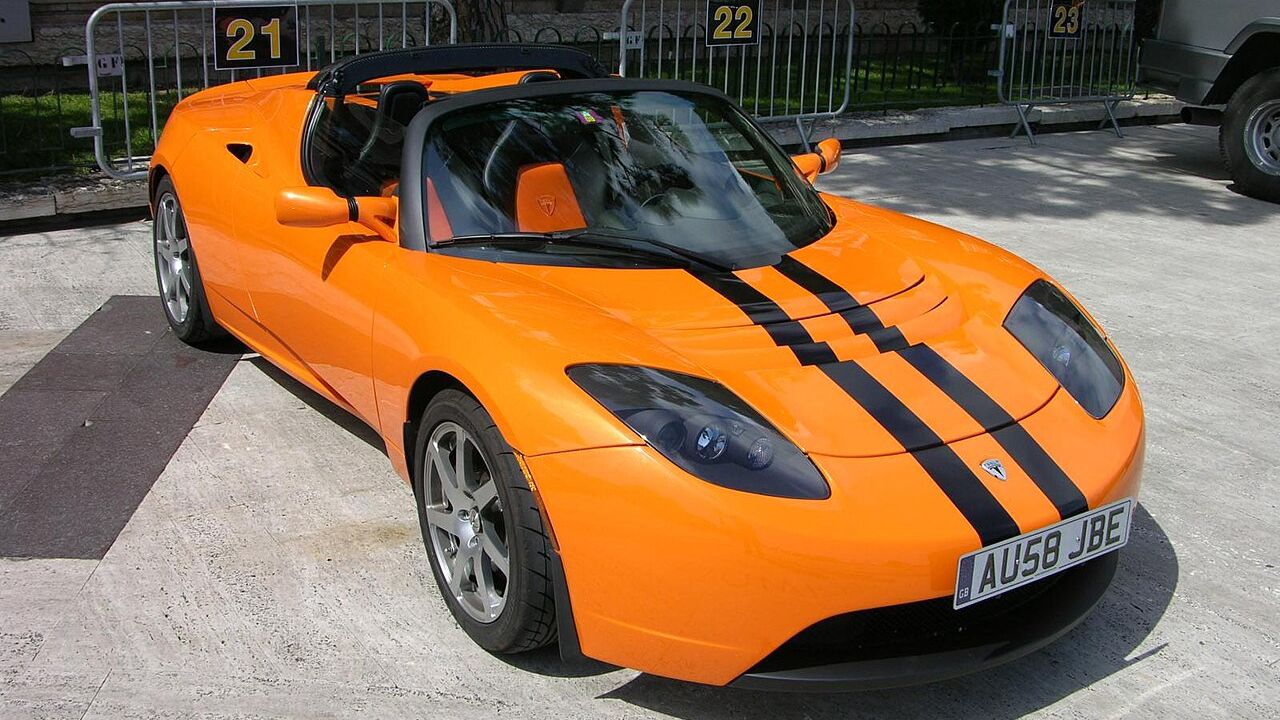
The Tesla Roadster, first delivered in 2008, marked a turning point for electric vehicles. It was the first highway-legal electric vehicle to use lithium-ion battery cells and offered a range of over 200 miles on a single charge, dispelling myths about electric car performance.
With its impressive acceleration and handling, the Roadster proved that electric cars could be both practical and thrilling to drive. It set the stage for Tesla’s future success and the broader acceptance of electric vehicles in the performance car market.
Nissan GT-R R35
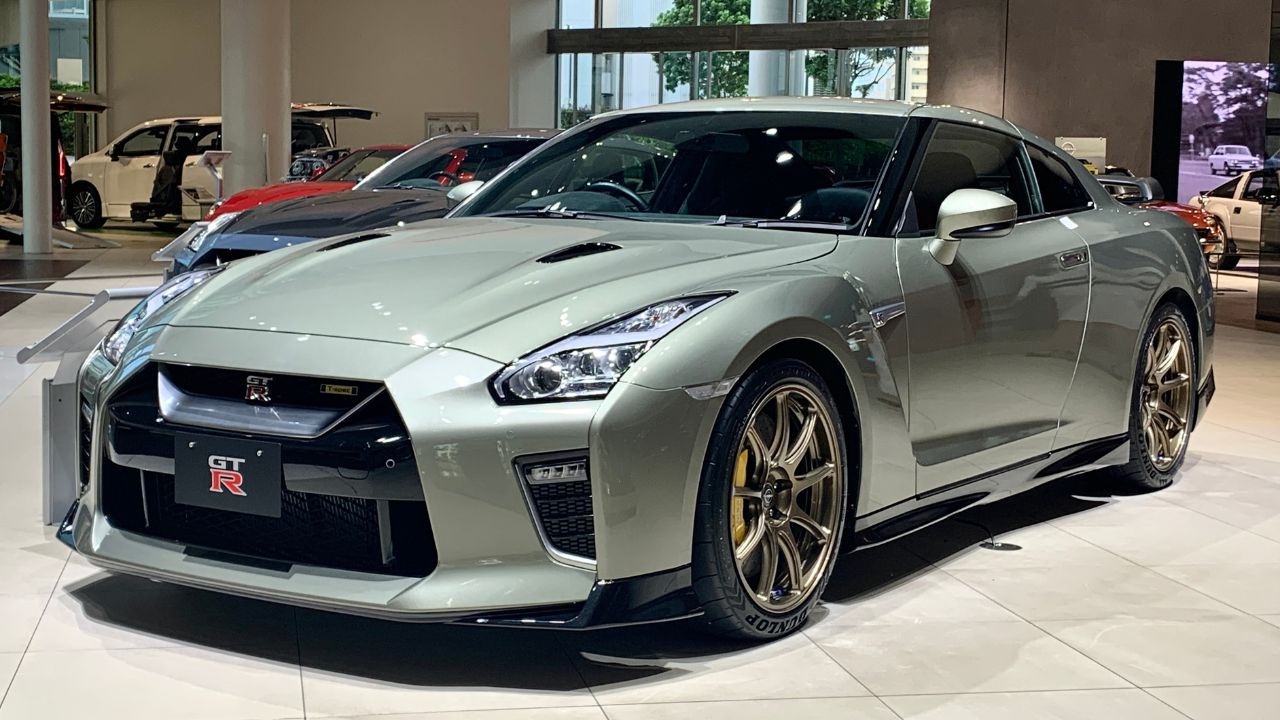
Since its debut in 2007, the Nissan GT-R R35 has been a game-changer in the performance car segment. Known as “Godzilla,” the GT-R combines advanced technology with remarkable performance, courtesy of its twin-turbo V6 engine and sophisticated all-wheel-drive system.
The GT-R’s blend of speed, handling, and affordability challenged traditional supercar makers, offering performance on par with much more expensive vehicles. Its continuous evolution ensures it remains a formidable contender in the performance car market.




Leave a Reply