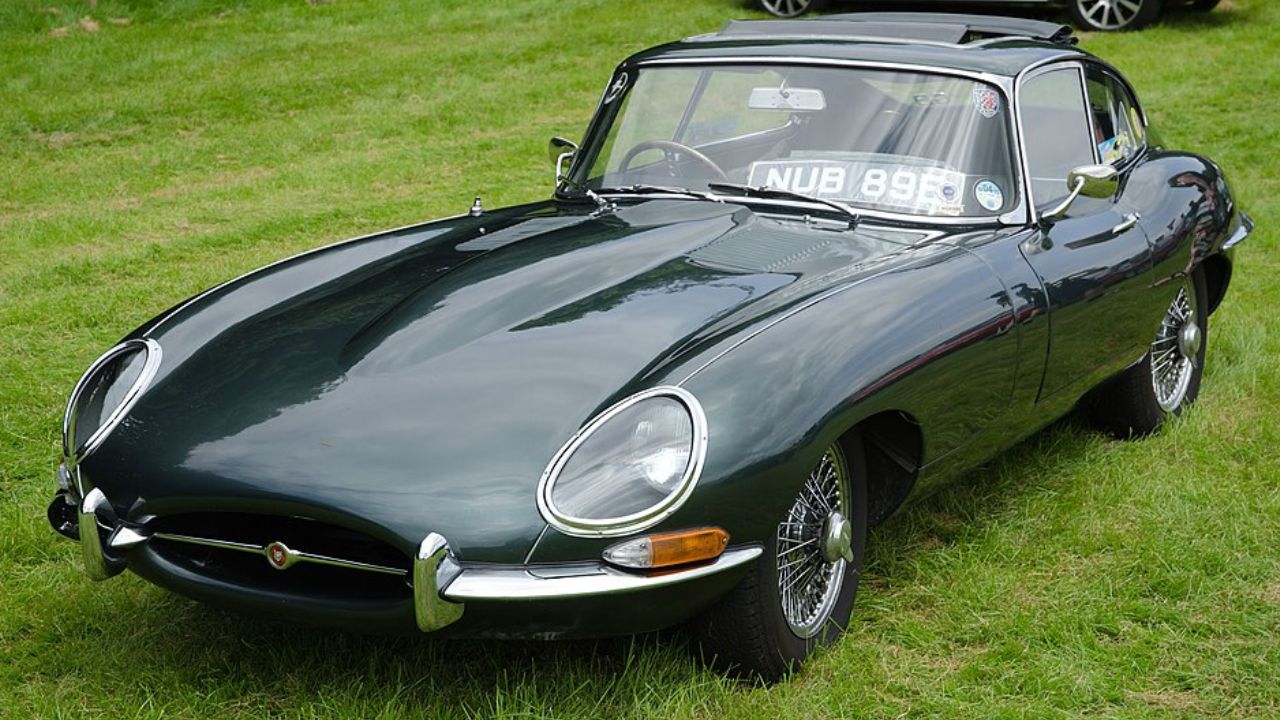
It started the way a lot of dream-car stories do: a late-night scroll, a gorgeous set of photos, and that unmistakable long-hood silhouette that makes people forget they were supposed to be budgeting this year. The listing described a 1967 Jaguar E-Type as “original,” “numbers-matching,” and “the real deal.” According to the buyer, the seller didn’t just imply it—he swore it.
For a classic like an E-Type, those words aren’t just marketing. “Original” can mean the difference between a cherished time capsule and an expensive jigsaw puzzle with a shiny paint job. So the buyer did what most enthusiasts would do: asked questions, requested documentation, and booked a flight to see it in person.
A glossy first impression, and a little voice in the back of the head
On arrival, the car looked fantastic. The paint was deep, the chrome was bright, and the interior had that tidy, curated vibe that says “loved,” or at least “carefully staged.” It idled smoothly, and the seller had the kind of confidence that can make you feel silly for even wondering.
Still, the buyer said a few details felt… off. Not “this is obviously fake” off, more like “why doesn’t this match what I’ve seen on other ’67s?” off. And in the classic-car world, that tiny uneasy feeling is often the most valuable tool you’ve got.
Original to whom? The problem with a word that means everything
One tricky part is that “original” can mean different things depending on who’s talking. To some sellers, it means “original style,” as in the car looks correct from 10 feet away. To collectors, it often means original chassis, original engine, original body configuration, and ideally an unbroken paper trail backing it all up.
The buyer said the seller framed it the strict way: as-built and intact. That’s a big claim on a nearly 60-year-old sports car that’s lived through decades of repairs, restorations, and the occasional questionable decision made in a dim garage. When a seller “swears” it’s original, the expectation is that the car can prove it.
The first crack: a VIN plate that didn’t feel right
According to the buyer, the moment things shifted was around the identification plates and stampings. On E-Types, you typically expect specific plates, specific fonts, and specific locations for numbers that should align with the title and any heritage paperwork. The buyer said the VIN plate looked newer than the surrounding area, like it had been installed after the fact.
Not everyone is an expert in Jaguar rivets, but enthusiasts learn quickly that tiny hardware choices can tell a story. Wrong rivets, fresh-looking fasteners, or plates that sit a little too perfectly can hint at replacement. And replacement isn’t automatically a scandal—it just stops being “all original.”
Numbers that should’ve matched didn’t, at least not cleanly
The seller reportedly emphasized “numbers-matching,” a phrase that can make buyers relax their shoulders and start thinking about weekend drives. But when the buyer compared the engine number to paperwork and expected stamp locations, something didn’t line up. The buyer said the stamping looked uneven, as if it had been reworked or restamped.
That’s the kind of detail that makes people go quiet and start taking more photos. Restamps can happen for innocent reasons—replacement blocks, reconditioned parts, even clerical fixes—but they need to be disclosed. If the claim is “factory original,” then any ambiguity becomes a big deal, fast.
A fresh coat can hide a lot, including the timeline
Paint and undercoating are wonderful things until they’re doing a little too good of a job. The buyer said the underside looked unusually uniform for a car that was supposed to be largely untouched. A clean restoration isn’t suspicious by itself, but it does clash with “original survivor” language.
Then there were the small tells: hardware that looked modern, clamps that didn’t match period style, and a few components that seemed from a later production run. Individually, those are normal maintenance items. Together, they started to sound like a car that had been built up over time rather than preserved in place.
The paper trail: thin where it mattered most
Documentation is where these stories either calm down or escalate. The buyer said the seller had a title and a handful of receipts, but not the kind of long-term history that backs up “always this, always that.” No clear ownership chain, no heritage certificate ready to settle the questions, and no older photos showing the car before the current finish.
To be fair, plenty of legitimate cars have imperfect records. Life happens, files get lost, and not every owner is a spreadsheet person. But when the sales pitch leans hard on originality, missing proof doesn’t just feel like a gap—it feels like a dodge.
A specialist took one look and asked the uncomfortable questions
The buyer said they hired an independent inspector with E-Type experience. It wasn’t an elaborate teardown—more like a careful, methodical walk-around with mirrors, lights, and the kind of calm skepticism you’re paying for. The inspector reportedly pointed out inconsistencies in markings, panel details, and components that didn’t match the car’s purported specification.
Most importantly, the inspector didn’t declare it “fake.” Instead, the message was more nuanced and more damaging to the listing: the car appeared to be a restored example with changes, replacements, and unanswered questions. In other words, it might still be a great E-Type, just not the “original” one the seller promised.
What happens next depends on what was said—and what was written
The buyer said they confronted the seller, expecting either a reasonable explanation or at least a shift in price that reflected the new reality. The seller reportedly doubled down, insisting the car was “as original as they come,” and brushed off the concerns as nitpicking. That’s when the buyer walked.
In classic-car deals, the outcome often hinges on the exact language used in messages, emails, and bills of sale. “To the best of my knowledge” is very different from “I swear it’s original.” And while private-party sales can be “as-is,” outright misrepresentation—if it can be proven—is another matter entirely.
The bigger lesson: buy the story only if the car can repeat it
This isn’t a tale about one model or one era; it’s about how desire can outrun verification. A 1967 Jaguar E-Type is the kind of car people fall for instantly, and sellers know it. The buyer’s experience is a reminder that the prettiest car in the photos is still just a set of claims until the numbers, plates, and records agree.
And if you’re wondering whether the buyer is now suspicious of every polished classic on the internet—probably, a little. But there’s a healthy middle ground: assume nothing, verify everything, and never feel bad for asking to see the receipts. If a car is truly “original,” it won’t mind proving it.
More from Fast Lane Only