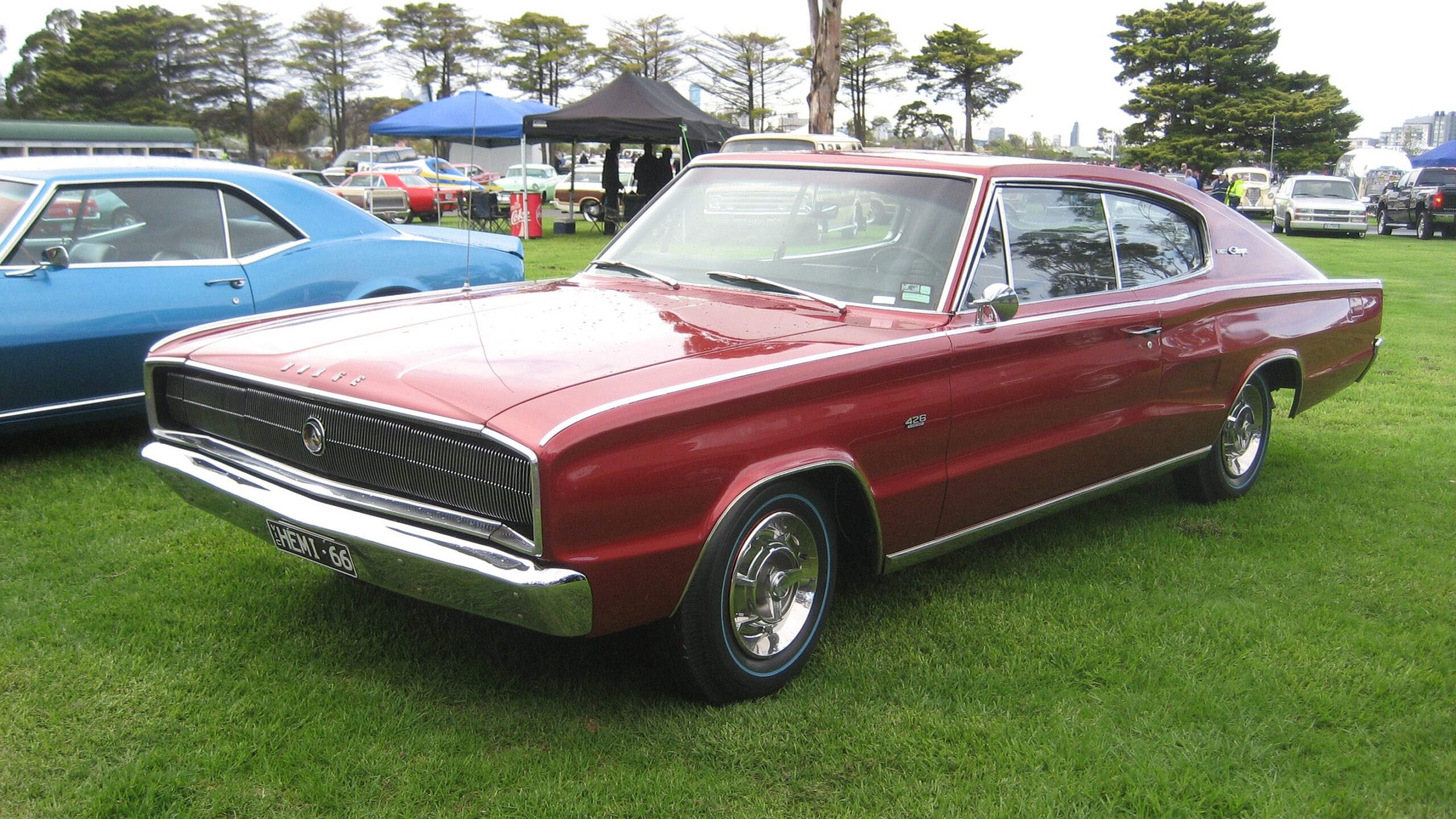
The 1966 Dodge Charger Hemi stands as a remarkable milestone in automotive history, delivering an astonishing 426 horsepower that left many drivers both exhilarated and unprepared. This iconic vehicle not only redefined performance but also played a crucial role in the evolution of American muscle cars during the 1960s.
Background of the Dodge Charger
The Dodge Charger made its debut in 1966 as a response to the increasing demand for high-performance vehicles. Designed to blend sportiness with everyday usability, the Charger featured a sleek fastback design that set it apart from its contemporaries. The design philosophy emphasized both aesthetics and aerodynamics, showcasing a bold grille and a distinctive rear profile that contributed to its appeal.
As part of the Dodge lineup, the Charger was positioned to attract younger buyers seeking excitement on the road. Its introduction coincided with a cultural shift in the United States, where muscle cars became synonymous with freedom and rebellion. The Charger quickly carved out a niche for itself, becoming a prominent player in the burgeoning muscle car market.
The Hemi Engine Explained
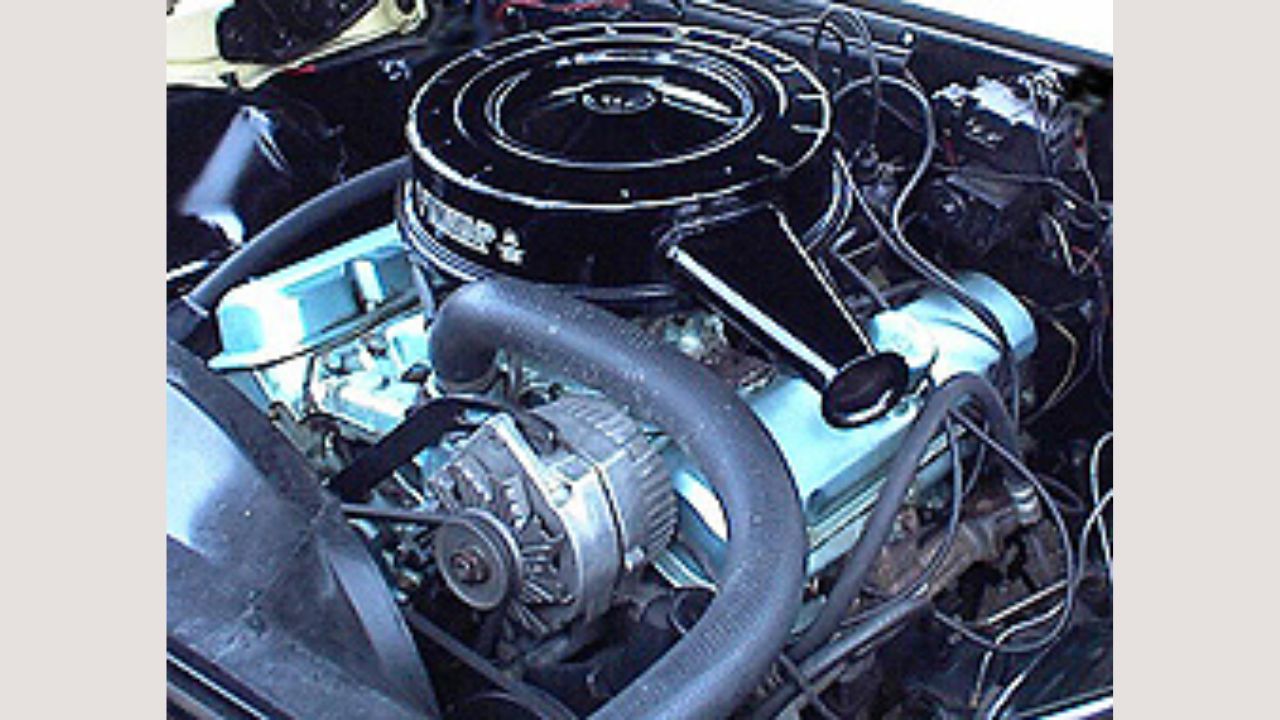
At the heart of the 1966 Dodge Charger was the legendary 426 Hemi engine, a powerhouse that represented a leap in automotive engineering. With a configuration that featured hemispherical combustion chambers, the Hemi was designed for maximum airflow and efficiency. This engine produced an impressive 426 horsepower, a figure that was unprecedented at the time and solidified Dodge’s reputation as a performance leader.
When compared to other powertrains available during the mid-1960s, the Hemi stood out for its unique design and capabilities. While many manufacturers were still refining their V8 engines, Dodge had already set a new benchmark for performance. The Hemi engine’s ability to deliver consistent power at higher RPMs made it a formidable competitor against rivals like the 396 Chevy and the 427 Ford.
Performance and Specifications
The performance metrics of the 1966 Charger Hemi were nothing short of astonishing. Capable of accelerating from 0 to 60 mph in just over 6 seconds, the Charger Hemi was one of the fastest cars of its time. Its top speed approached 140 mph, making it a thrilling experience for anyone behind the wheel. The combination of a solid rear axle and a performance-tuned suspension contributed to its impressive handling characteristics.
In addition to raw power, the Charger Hemi featured a well-balanced drivetrain that offered both speed and stability. The four-speed manual transmission allowed drivers to harness the engine’s full potential, while the advanced suspension system provided a level of comfort and control that was often absent in other muscle cars. This blend of performance and drivability set the Charger Hemi apart from its competitors, such as the Pontiac GTO and the Ford Mustang.
Driver Experience and Challenges
Driving the 1966 Charger Hemi was an exhilarating experience, but it also presented challenges, especially for inexperienced drivers. Many found themselves overwhelmed by the sheer power of the Hemi engine, which could easily spin the rear tires if not handled with care. Accounts from drivers describe the initial thrill of acceleration, quickly followed by an understanding of the responsibility that came with such a powerful vehicle.
The learning curve associated with mastering the Charger’s capabilities was steep. New drivers often struggled with throttle control and cornering, as the car’s power could easily lead to loss of traction. In contrast, seasoned drivers appreciated the responsiveness and performance, often praising the Charger Hemi for its ability to deliver an adrenaline rush unlike any other car of its time. As a result, many enthusiasts became lifelong fans of Dodge, thanks to the unforgettable experience provided by the Charger Hemi.
Cultural Impact and Reception
The public’s reception of the Charger Hemi during its release was overwhelmingly positive. Car enthusiasts and casual drivers alike were captivated by its performance and striking design. Over the years, the Charger became a symbol of American automotive culture, appearing in numerous films and television shows that further cemented its status in popular culture. The Charger’s role in movies like “Bullitt” and “The Fast and the Furious” franchise showcased its muscle car heritage and helped to maintain its relevance across generations.
Moreover, the Charger Hemi’s influence on the muscle car movement was profound. It not only inspired competitors to push the limits of performance but also drove innovations in automotive design. Dodge’s success with the Charger encouraged manufacturers to invest in high-performance models, leading to the explosion of muscle cars in the late 1960s and early 1970s.
Legacy and Collectibility
Today, the 1966 Dodge Charger Hemi holds a revered place in the classic car market, regarded as a highly collectible classic. Factors contributing to its desirability include its limited production numbers, distinctive styling, and the legendary status of its Hemi engine. Enthusiasts are often willing to pay significant sums for restored or original models, with auction prices reflecting the car’s iconic status.
The market for the Charger Hemi has remained strong, with values consistently increasing over time. According to recent auction results, well-preserved examples can command prices well into six figures, showcasing the enduring appeal of this muscle car. Collectors are particularly drawn to the Charger Hemi’s rich history and its role in shaping the automotive landscape during a transformative era.
Comparison to Later Charger Models
While the 1966 Charger Hemi set the benchmark for performance, subsequent models in 1968 and 1969 made notable changes that reflected evolving design and engineering philosophies. The later models featured more aggressive styling and additional comfort features, catering to a broader audience while still appealing to performance enthusiasts. The introduction of options like the R/T package in later years further enhanced the Charger’s performance credentials.
However, the core performance characteristics established by the 1966 model remained influential. The lessons learned from the early years, particularly regarding handling and weight distribution, were integrated into the design of later Chargers. This evolution ensured that the Charger continued to compete effectively in the muscle car segment, maintaining its reputation as a performance icon.
Challenges in Production
The production of the 1966 Dodge Charger was not without its challenges. As demand for performance cars surged, manufacturers faced increasing pressure to meet consumer expectations. Dodge encountered supply chain issues that complicated the production process, particularly with sourcing high-performance components for the Hemi engine.
Despite these challenges, Dodge successfully navigated the complexities of manufacturing a high-performance vehicle. The automotive industry as a whole began adapting to new performance standards, with companies investing in technology and resources to enhance their offerings. The Charger Hemi’s success not only contributed to Dodge’s reputation but also pushed the industry to innovate in ways that would shape the future of American automobiles.
Reflecting on the lasting impact of the 1966 Dodge Charger Hemi, it is evident that this vehicle remains a cornerstone of automotive history. Its combination of groundbreaking performance, distinctive design, and cultural significance has solidified its place in the pantheon of American muscle cars. As we look to the future of classic muscle cars in a modern automotive landscape, the Charger Hemi serves as a reminder of a time when horsepower reigned supreme and driving was about pure exhilaration.
More from Fast Lane Only