The 1969 Ford Boss 429 Mustang emerged as a response to the evolving landscape of NASCAR, driven by new homologation rules that demanded manufacturers produce a specified number of street versions of their race cars. Ford’s engineering prowess, combined with the creative vision of Carroll Shelby, led to the development of an engine that pushed boundaries and forever changed the face of street performance. This iconic vehicle not only dominated the racetracks but also captured the hearts of car enthusiasts around the world.
Origins of the Boss 429
The introduction of NASCAR’s new homologation rules in the late 1960s was a pivotal moment for American muscle cars. These regulations required manufacturers to produce at least 500 street versions of any model intended for use in NASCAR races. Ford, recognizing the competitive advantage of having a powerful vehicle on the track, turned to the legendary Carroll Shelby for assistance. Shelby, known for his work on the Ford Mustang GT350, was instrumental in designing the Boss 429 engine that would not only meet NASCAR specifications but also excel in performance.
The collaboration between Ford and Shelby resulted in a monumental shift in how performance was perceived. The Boss 429 was designed with racing in mind, but its engineering also allowed for a formidable street presence. The use of advanced materials and innovative design features meant that Ford was not merely meeting regulations; they were setting new standards in the muscle car segment. The Boss 429 was more than just a car; it was a statement that Ford was serious about competing in NASCAR and the burgeoning performance car market.
Engineering Marvel: The Boss 429 Engine
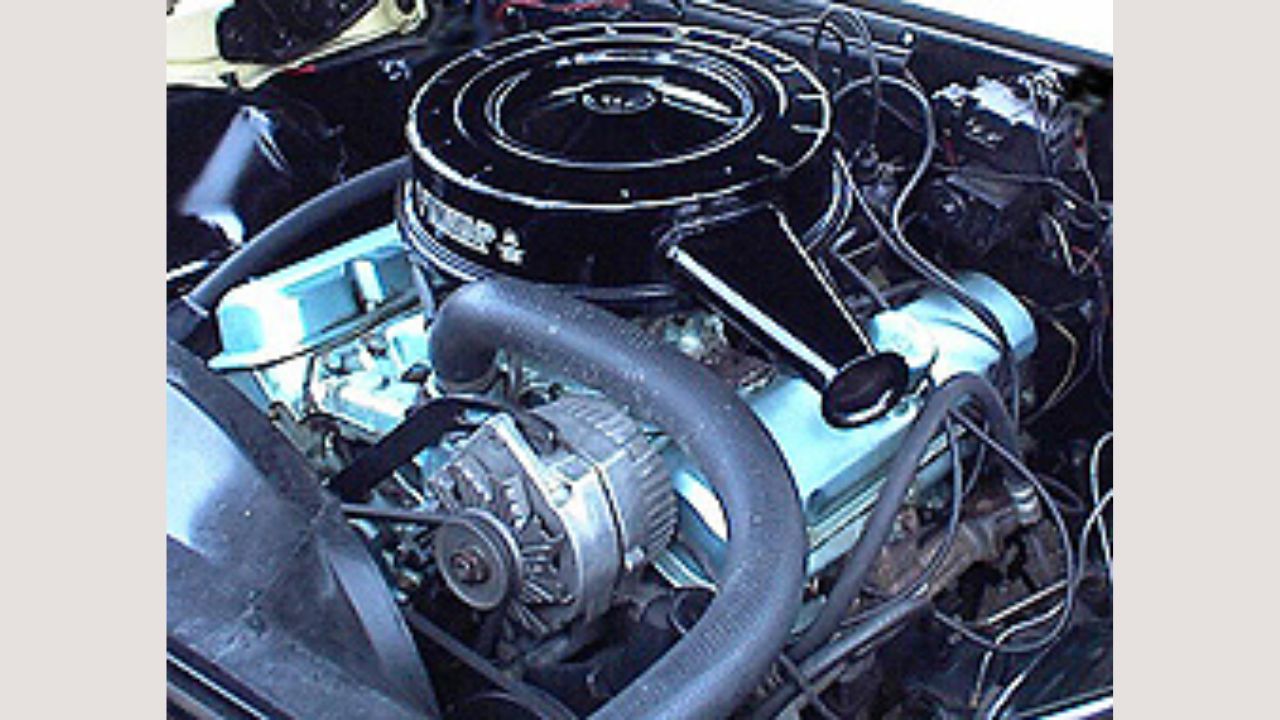
The heart of the Boss 429 Mustang is its engine, a 7.0-liter V8 that showcased Ford’s engineering brilliance. This engine was not just a bigger version of the existing V8s; it was a completely unique design that employed aluminum cylinder heads, which were a rarity at the time. This lightweight construction contributed significantly to the engine’s overall performance, allowing for quicker acceleration and better handling—a key consideration for both the racetrack and street driving.
The Boss 429 engine produced an astonishing 375 horsepower and 420 lb-ft of torque, making it one of the most powerful engines of its era. This remarkable output was achieved through a combination of high compression ratios, large carburetors, and an efficient exhaust system. Ford’s engineers meticulously crafted every component, ensuring that the engine could withstand the rigors of NASCAR racing while also being suitable for everyday use. The result was a powerhouse that defined performance in the late 1960s and influenced countless vehicles that followed.
Production Numbers and Rarity
The production run of the Boss 429 Mustang was notably limited, with only about 1,300 units produced between 1969 and 1970. This scarcity has made the Boss 429 a highly sought-after collector’s item today. The rarity of the model, coupled with its performance pedigree, drives prices at auctions to staggering heights. For example, some well-preserved models have fetched upwards of $500,000, showcasing the car’s desirability among collectors and enthusiasts alike.
Today, owning a Boss 429 is not just about having a piece of automotive history; it also represents an investment opportunity. The market for classic muscle cars has seen significant growth, and the Boss 429 remains one of the most coveted models. Collectors are particularly interested in original, unmodified vehicles, as well as those with documented history and provenance. The Boss 429’s status as a rare gem ensures that it will continue to be a highlight at car shows and auctions for years to come.
NASCAR Influence and Performance
The Boss 429 Mustang was engineered with NASCAR performance as its primary objective. Its design was heavily influenced by the need to compete against formidable rivals like the Dodge Charger and Chevrolet Chevelle on the race circuit. With its powerful engine and lightweight construction, the Boss 429 quickly made a name for itself in competitive racing, achieving notable success on the track.
However, the vehicle’s performance was not limited to racing. The Boss 429 also excelled on public roads, offering an exhilarating driving experience that few cars at the time could match. Its combination of speed, handling, and power made it a favorite among driving enthusiasts. Many owners praised the car for its responsiveness and agility, which allowed for thrilling maneuvers both on the racetrack and in everyday driving situations. The Boss 429 was a true dual-purpose vehicle, bridging the gap between race car and street performer.
Aesthetic Appeal and Design Features
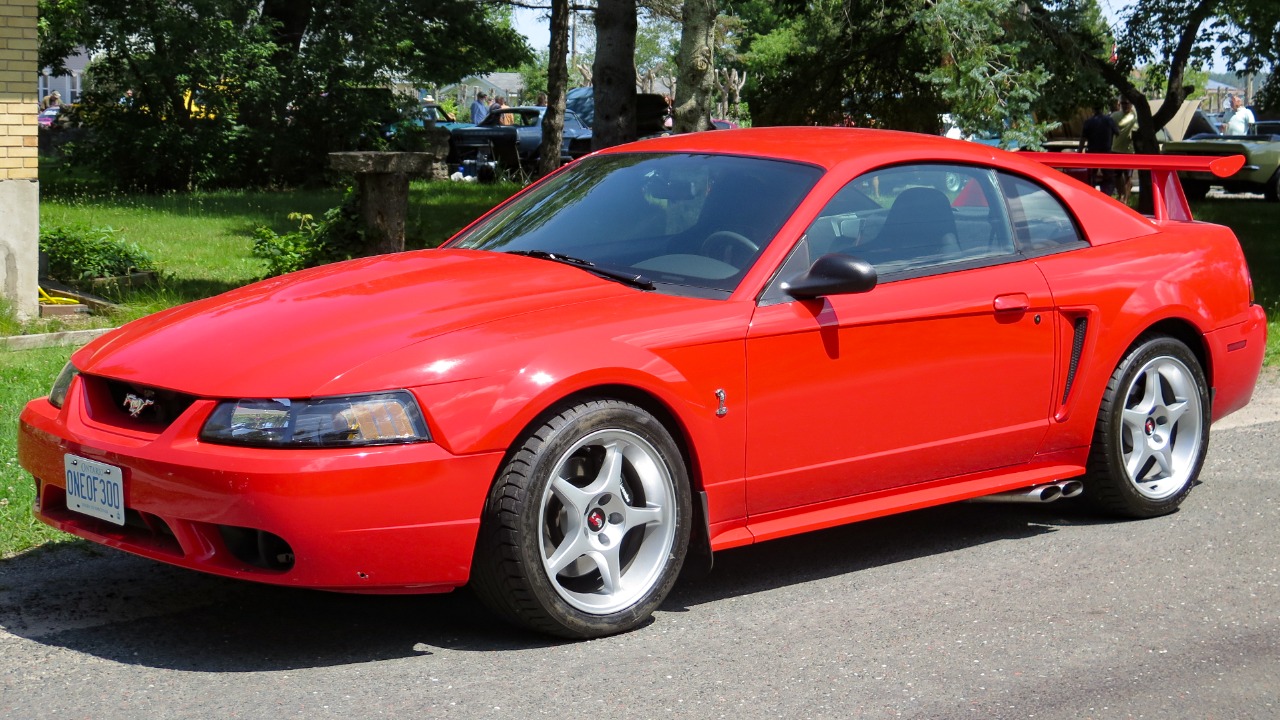
The Boss 429 Mustang is as visually striking as it is powerful. With its aggressive stance, muscular proportions, and iconic hood scoop, the design set it apart from other muscle cars of its time. The front grille and rear end were specifically crafted to enhance aerodynamics, while the distinctive graphics and colors added to the car’s appeal. Each element of the design served a purpose, whether for performance or aesthetics, creating a cohesive look that resonated with enthusiasts.
One of the most notable design features of the Boss 429 is its unique hood scoop, which not only contributed to the car’s aggressive appearance but also provided necessary airflow to the engine. This attention to detail extended to the interior, where the driver-focused cockpit featured essential gauges and controls designed for performance driving. The overall aesthetic of the Boss 429 was a perfect blend of form and function, capturing the imagination of car enthusiasts and solidifying its place in automotive history.
Impact on Street Performance Culture
The introduction of the Boss 429 Mustang had a profound impact on the street performance culture of the late 1960s. As American car manufacturers began to focus on high-performance vehicles, the Boss 429 stood out as a benchmark for power and speed. Its legacy inspired a new breed of muscle cars that prioritized performance, leading to the emergence of vehicles that pushed the limits of what was possible on the street.
With its formidable reputation, the Boss 429 became a symbol of the muscle car era, encouraging manufacturers to innovate and compete aggressively in the performance market. The influence of the Boss 429 can be seen in the design and engineering of subsequent models, as automakers sought to capture the spirit of this iconic vehicle. The shift in public perception regarding street performance cars is largely attributed to the groundbreaking achievements of the Boss 429, paving the way for future generations of performance vehicles.
Legacy and Cultural Significance
The legacy of the Boss 429 Mustang extends far beyond its production years. It has become an icon in automotive history, representing the pinnacle of muscle car engineering and design. The car’s influence can be seen in the performance vehicles that followed, with many manufacturers drawing inspiration from its powerful engine and aggressive styling. The Boss 429 has earned its place in popular culture, often featured in films, music, and television, solidifying its status as a cultural touchstone within the automotive community.
In addition to its presence in media, the Boss 429 has also become a celebrated symbol of American automotive ingenuity. Its engineering achievements and racing pedigree are often discussed in automotive literature and documentaries, ensuring that its story continues to resonate with enthusiasts and collectors. The Boss 429 Mustang has transcended its original purpose, becoming a beloved part of American history and a testament to the era of muscle cars.
Collector’s Market and Value
The collector’s market for the Boss 429 Mustang is robust, with values reflecting its rarity and historical significance. Factors such as condition, originality, and documentation play a crucial role in determining market value. Collectors are particularly interested in finding models with matching numbers and verified histories, as these attributes significantly increase desirability. As the market for classic muscle cars continues to grow, the Boss 429 remains a top contender for collectors seeking to invest in iconic vehicles.
Trends in restoration and preservation of Boss 429 Mustangs have also gained traction, with many enthusiasts opting to restore their vehicles to factory specifications. This dedication to authenticity ensures that the legacy of the Boss 429 is maintained for future generations. Whether it’s a full restoration or a well-preserved original, each Boss 429 Mustang tells a story, representing a piece of automotive history that continues to captivate car enthusiasts.
Modern Interpretations and Tributes
In recent years, modern automotive manufacturers have paid homage to the Boss 429 Mustang, drawing inspiration from its design and performance. While no current production model replicates the exact specifications of the Boss 429, several automakers have introduced tribute models that capture the spirit of this classic muscle car. These modern interpretations often feature retro styling elements combined with contemporary performance enhancements, appealing to both classic car enthusiasts and new generations of drivers.
Aftermarket modifications have also become popular among Boss 429 owners, allowing them to personalize their vehicles while preserving their historical significance. From performance upgrades to custom paint jobs, these modifications keep the spirit of the Boss 429 alive in today’s car culture. The continued fascination with this legendary vehicle ensures that it remains a significant part of the conversation around performance cars, inspiring future generations of automotive enthusiasts to embrace the thrill of driving.
More from Fast Lane Only