It started like a normal trip: errands, a familiar route, nothing dramatic on the schedule. Then, at a routine stop, he pressed the brake pedal and felt… not much. The car slowed, but not the way it should, and the moment stretched long enough to turn his stomach.
He managed to steer into a safer spot and bring the vehicle to a stop without hitting anyone. After a few steadying breaths, he did what most of us would do: checked for obvious problems, looked for warning lights, and wondered how something this important could fail “without warning.” He’d soon learn there was a warning after all—it just never reached him.
A “Soft Pedal” Moment That Didn’t Feel Like a Fluke
He described the pedal as suddenly soft, like stepping on a sponge instead of something connected to a machine designed to stop two tons of metal. No grinding, no squealing, none of the dramatic sound effects people expect from a brake issue. Just a sinking feeling—literally and emotionally.
After pulling over, he tried the brakes again at a crawl. They worked, sort of, but the response was delayed and unpredictable. That’s the kind of behavior that doesn’t invite experimentation, so the next move was a tow instead of a “maybe it’ll be fine if I drive carefully.”
The Warning That Wasn’t on the Dashboard
At the service counter, the first question was the obvious one: when was the last brake service? He gave the best answer he could—he’d had routine maintenance done, he thought, and nobody had said the brakes were urgent. The technician nodded in the way that means “we’re about to look this up.”
That’s when the missed notice came up in the system: a service reminder that had been issued months earlier, tied to the vehicle’s maintenance schedule and a prior inspection note. The shop had a record of an alert related to brake wear and a recommended follow-up. He didn’t remember seeing it, and his email inbox—like many inboxes—was a place where messages go to become legends.
How a Service Notice Gets Missed (Even by Responsible People)
It’s easy to imagine missed maintenance as a “careless driver” problem, but the truth is way more ordinary. People move, change phone numbers, switch email providers, or opt out of marketing messages without realizing some service reminders ride along in the same stream. Sometimes the notice goes to an old address, sometimes it lands in spam, and sometimes it’s delivered in a format that looks like an ad and gets deleted on reflex.
Even when a reminder is received, timing can be brutal. If the car feels fine and the dashboard isn’t lit up like a Christmas tree, it’s tempting to postpone. Add in work, family, and the general chaos of life, and “schedule brake service” becomes “I’ll do it next week,” until next week turns into next season.
What Likely Happened to the Brakes
Brake “failure” can mean a few different things, and not all of them are total loss of stopping power. A soft pedal often points to hydraulic trouble—like air in the brake lines, a leak in the system, failing seals in the master cylinder, or a caliper issue. If brake fluid is low or contaminated, braking can become inconsistent, especially under heat and repeated stops.
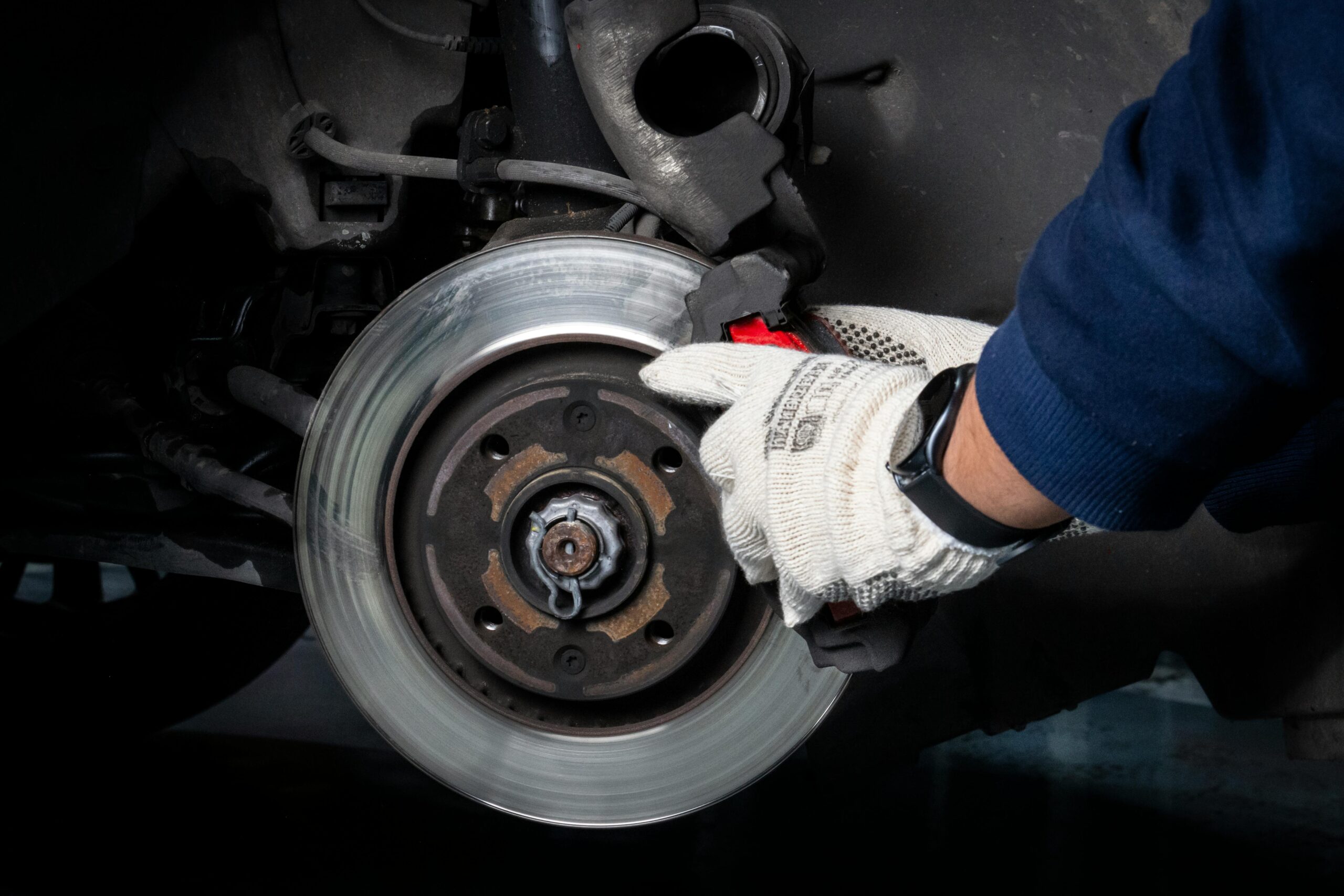
Worn brake pads alone don’t always cause a sudden soft pedal, but they can accelerate other issues. If pads wear down far enough, they can damage rotors, overheat components, or stress calipers. And if a small fluid leak has been slowly getting worse, the difference between “seems okay” and “oh no” can be one awkward stoplight at the wrong moment.
No Light, No Noise, No Mercy: Why It Can Feel “Without Warning”
Modern cars do a lot of self-reporting, but they’re not mind readers. Some brake problems trigger clear alerts, like a low brake fluid warning, ABS light, or a brake system light. Others don’t set off anything until the issue is severe, or they only show up under certain conditions—hard braking, downhill driving, heavy traffic, wet roads, or heat.
Noise is also an unreliable narrator. Some pads have wear indicators that squeal when they’re low, but not every setup is loud, and not every driver hears it over music, phone calls, or road noise. If you’ve ever ignored a strange sound because you assumed it was “just the road,” you’re in very large company.
The Paper Trail: How Shops Track Alerts and Why It Matters
Service departments often log inspection notes, recommended intervals, and follow-ups, especially if a technician sees something approaching the “not urgent today, but soon” zone. That can translate into automated reminders by email, text, app notifications, or old-school mailers. It’s meant to be helpful, but it can also become background noise—one more message competing with everything else.
In this case, the record showed the reminder was generated and marked as sent. From the shop’s perspective, the system did its job. From his perspective, the warning never arrived in a way that registered, which raises an uncomfortable question: if a reminder falls into the spam folder, did it even happen?
What to Do If Your Brakes Suddenly Feel “Off”
He did the right thing by getting off the road quickly and choosing a tow instead of gambling. If your brake pedal suddenly feels soft, sinks farther than usual, or the car doesn’t slow the way it normally does, treat it like a real emergency. Slow down, increase following distance, avoid high-speed roads if you can do so safely, and pull over as soon as it’s reasonable.
If you’re still moving and need to reduce speed, gentle pumping can sometimes help build pressure, but it’s not a fix and it’s not guaranteed. In an automatic car, downshifting to a lower gear can help control speed; in a manual, engine braking can help too. Hazard lights, a calm head, and a safe shoulder beat “I’ll just make it home” every time.
How to Make Sure You Don’t Miss the Next Notice
After the dust settled, he did what most people do after a scare: he reorganized. He updated contact info with the dealer and the independent shop he uses, checked that service reminders were enabled in the vehicle app, and searched his email settings for overzealous filters. It’s not glamorous, but neither is discovering your brakes have secrets.
He also set a simple repeating calendar reminder to check brake fluid level and glance at pad thickness during tire rotations. Not because everyone needs to become a backyard mechanic, but because tiny habits catch big problems. And if you’re wondering whether that’s overkill, consider the alternative: learning about a missed notice while your heart is still racing from a near miss.
A Scary Lesson, and a Pretty Fixable One
The good news is that most brake issues are diagnosable and repairable once the car is in the shop. The bad news is that brakes don’t care about busy schedules, unread emails, or optimistic guesses. He walked away with a working car, a lighter wallet, and a new appreciation for boring maintenance—because boring is exactly what you want your brakes to be.
And if there’s a takeaway that doesn’t feel like a lecture, it’s this: when something feels different under your foot, believe it. Cars speak in vibrations, smells, and little changes you can’t quite describe. Listening early is cheaper, safer, and a lot less exciting than the moment you realize “without warning” sometimes just means “the warning went somewhere else.”
More from Fast Lane Only