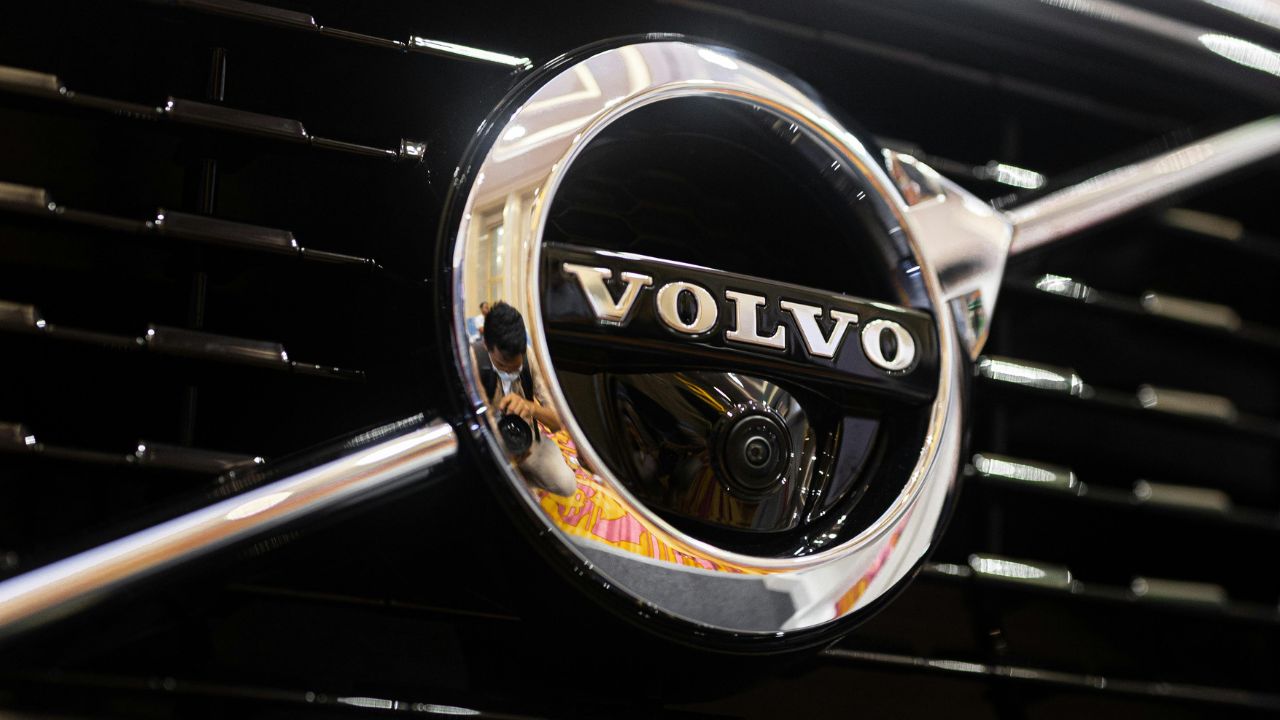
Volvo’s decision to halt some U.S. sales in response to new tariffs has turned a policy shift into a boardroom emergency. What might look like a narrow trade dispute is already forcing the company to revisit where it builds cars, how it prices them and which markets get priority. Other automakers that leaned on China for electric vehicles and components are now watching Volvo’s next moves as a preview of their own.
What happened
Volvo Cars has paused U.S. sales of several models built in China after higher American tariffs on Chinese-made vehicles threatened to wipe out margins on those imports. The company disclosed that tariffs on Chinese cars entering the United States had climbed to a level that would turn some shipments unprofitable, so it chose to suspend deliveries rather than sell at a loss or pass the full cost to customers. The pause affects specific China-built models in its lineup that were destined for American dealers and leans heavily on the company’s global production footprint.
In explaining the decision, the company said the new tariffs significantly increase the landed cost of Chinese-built vehicles, particularly electric and plug-in hybrid models that already carry expensive batteries and electronics. Executives signaled that the company would instead prioritize markets where those same cars can still be sold at acceptable margins, while it studies alternative sourcing options for the United States. That may include shifting production of some models to plants in Europe or North America, or accelerating plans for new capacity outside China.
Volvo’s move follows a broader escalation of trade measures that target Chinese-made vehicles and components. U.S. policymakers have argued that Chinese manufacturers benefit from heavy state subsidies and industrial policies that allow them to flood global markets with lower priced electric cars and batteries. Higher tariffs are designed to slow that inflow and give domestic and allied producers more breathing room. For Volvo, which is owned by China-based Zhejiang Geely Holding Group and uses Chinese factories as a key export base, the policy shift strikes at the heart of its current business model.
The company has already warned that the tariff shock will pinch profitability in the short term. In its discussion of the sales pause, Volvo indicated that higher duties on Chinese imports would reduce earnings unless it can reconfigure its supply chain or push through price increases. That pressure comes at a delicate moment, as the brand pours money into a new generation of battery electric models and digital platforms. The need to absorb or offset tariff costs adds another layer of strain on capital spending plans that were already ambitious.
The reaction also reflects the complexity of modern automotive production. A single model may have one main assembly plant, but its parts can cross borders several times before final assembly. Higher tariffs on finished vehicles from China hit the most visible part of that chain, yet they also raise questions about whether components sourced from Chinese suppliers will face similar treatment in the future. The company’s leadership is therefore looking not only at where cars are assembled, but also at the deeper web of suppliers that feed those plants.
In its communication with investors and dealers, Volvo framed the suspension of some U.S. sales as a temporary and targeted response rather than a retreat from the market. The company still plans to sell other models that are built in Europe or North America and are not directly affected by the latest tariff increase. Even so, the pause underscores how quickly a policy change can scramble product plans. Vehicles that were engineered, certified and marketed for the United States now need a new home, and the company must decide whether to relocate production, redesign its pricing or both.
Volvo’s experience highlights a broader vulnerability for automakers that use China as an export hub for higher value vehicles. For years, building in China and shipping to the United States and Europe looked like an efficient way to balance costs and capacity. The new tariff environment has turned that calculation on its head. The company’s decision to halt some shipments, described in detail in its explanation of how U.S. tariffs pinch, shows how quickly those economics can flip.
Why it matters
Volvo’s tariff problem is not an isolated corporate headache. It is an early signal that global automakers may need to redraw their manufacturing maps to manage political risk as carefully as labor costs and logistics. For companies that spent the past decade consolidating production in a few large plants, often in China, the new trade environment rewards a more regional approach. Building closer to the buyer can reduce exposure to tariffs and export controls, even if it raises some factory costs.
That shift has broad implications for investment and jobs. If higher tariffs on Chinese-built vehicles become a long term feature rather than a temporary bargaining chip, automakers will face pressure to expand or reopen plants in North America and Europe. Suppliers that can offer local or tariff-safe production of batteries, motors and electronics stand to gain as manufacturers seek alternatives to Chinese inputs. At the same time, factories in China that were geared toward exports may need to pivot more toward serving domestic and regional demand.
For consumers, the immediate effect is a more limited choice of models and potentially higher prices, especially in segments where Chinese-built vehicles had been undercutting rivals. The pause in U.S. sales of some Volvo models means fewer options in certain body styles and price brackets, at least until the company either absorbs the tariff cost or finds a new production base. Other automakers that rely on Chinese plants for niche or low volume models may quietly follow, thinning out lineups in the American market.
Electric vehicles sit at the center of this shift. China has become a dominant producer of EVs and their core components, including lithium-ion batteries and electric drive units. Western brands that partnered with Chinese factories to speed up their own EV launches now find that strategy entangled with trade policy. If tariffs make Chinese-built EVs uncompetitive in the United States, manufacturers will need to accelerate plans for local battery plants and final assembly, which take years and billions of dollars to bring online.
The Volvo case also raises questions about how much flexibility automakers really have. Moving production of a complex vehicle from one country to another is not as simple as rerouting shipments. It requires new tooling, supplier contracts, regulatory approvals and often worker training. For models that sell in relatively small volumes, the business case for such a move can be fragile. Some may be discontinued in certain markets rather than rehomed, which would narrow consumer choice and reduce competition.
Investors are watching how companies communicate around these decisions. A firm that can show a credible plan to diversify production, secure non-Chinese suppliers and protect margins is more likely to retain market confidence. Those that appear slow to adapt risk being punished in valuations, especially if tariffs spread to cover more categories of auto parts and technologies. Volvo’s emphasis on reconfiguring its sourcing and sales mix is therefore as much about signaling resilience as it is about the immediate financial hit.
What to watch next
The next phase of this story will play out in boardrooms, trade ministries and factory towns. On the corporate side, the key question is how quickly Volvo and its peers can retool their production networks. Announcements of new or expanded plants in the United States, Mexico and Europe will offer early clues. So will any decisions to shift specific models out of Chinese factories into existing facilities elsewhere, even at the cost of lower short term efficiency.
More From Fast Lane Only: