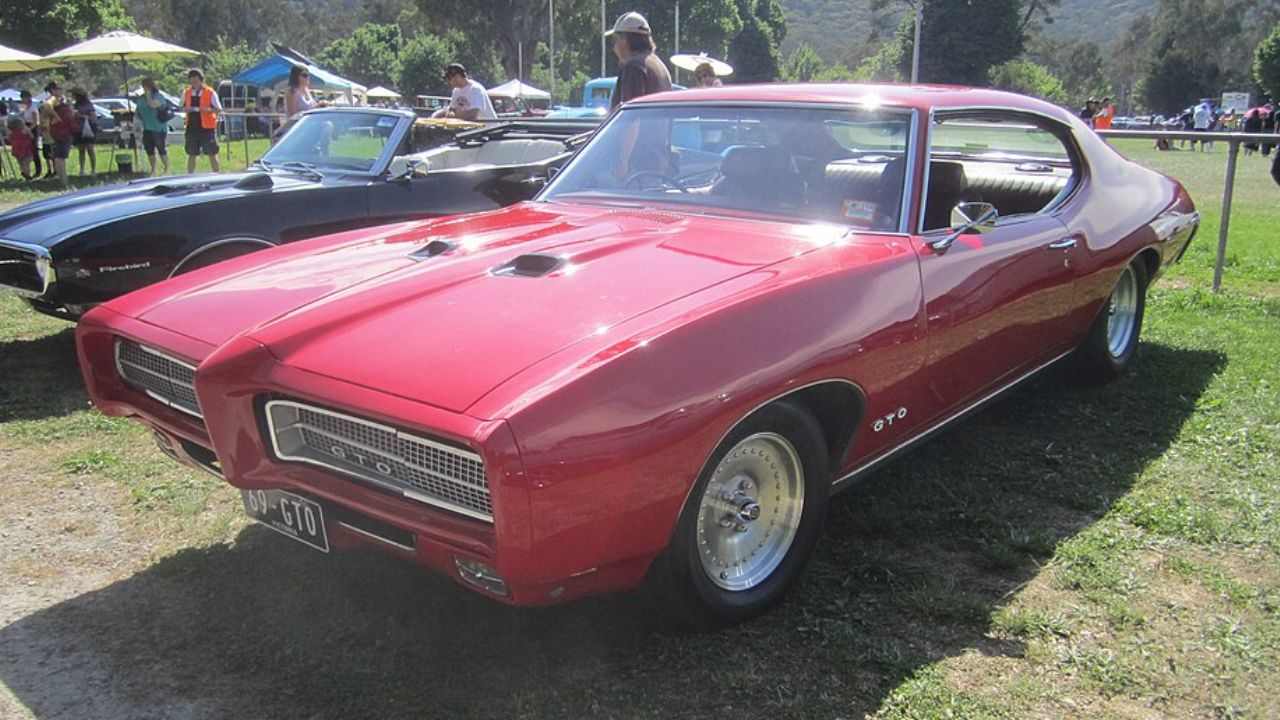
He thought he’d found the holy grail: a 1969 Pontiac GTO advertised as “numbers-matching,” the kind of phrase that makes muscle-car fans sit up a little straighter. The price was strong but not outrageous, the paint looked right, and the seller sounded confident. He pictured weekend cruises, car shows, and that quiet satisfaction of owning something legit.
For the first few days, it felt like a win. The idle sounded healthy, the interior smelled like a time capsule, and strangers kept giving thumbs-ups at stoplights. Still, he did what a lot of careful buyers do after a big purchase—he brought it to his mechanic for a once-over, just to be safe.
Why “numbers-matching” is such a big deal
In classic-car land, “numbers-matching” basically means the car’s original drivetrain components match the factory records for that specific vehicle. Usually people focus on the engine block stamping and the VIN derivative, but transmissions and rear axles can matter too. It’s not just trivia—numbers-matching cars often command a premium because they’re considered more authentic and collectible.
The tricky part is that the phrase gets used loosely. Some sellers mean “it has the correct type of engine,” not the original engine. Others might say “numbers-matching” because a stamp looks close enough in a photo, or because a previous owner told them it was true and they never verified it.
The first hint: something didn’t add up on the block
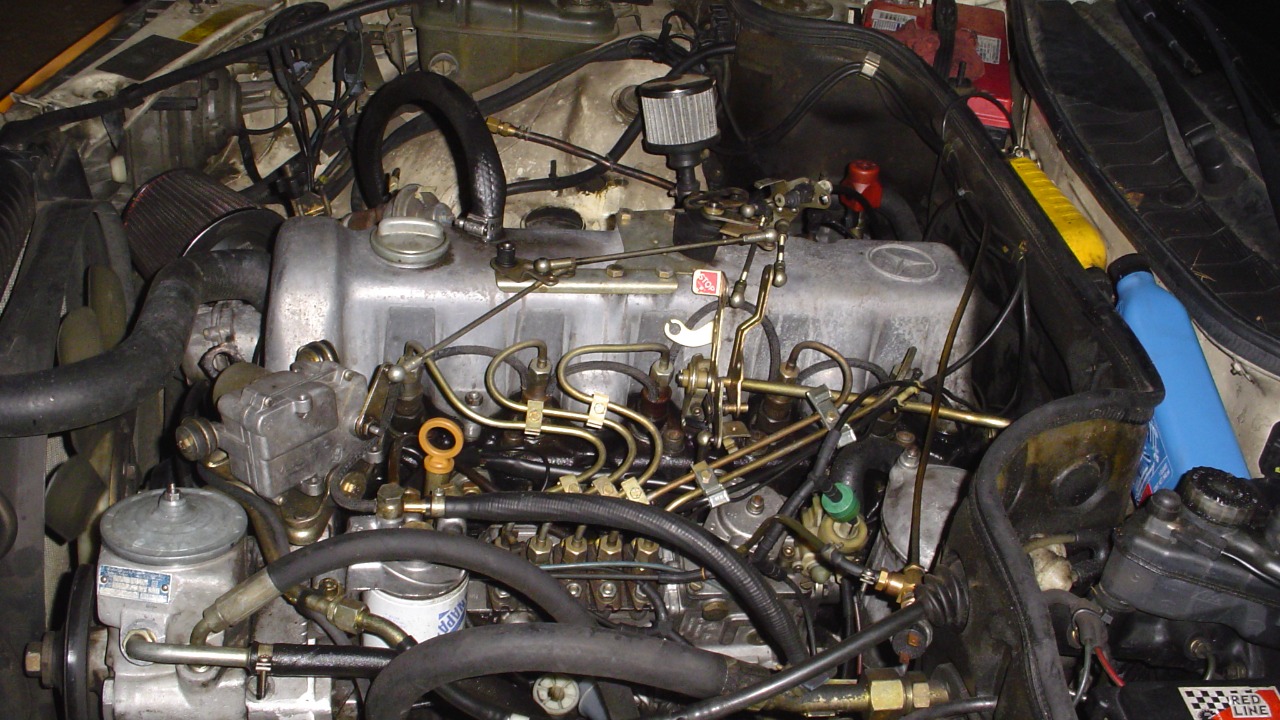
The mechanic didn’t start with accusations or drama. He just did what he always does: checked for leaks, looked at the casting numbers, and then took a closer look at the stamp pad on the front of the engine block. That’s where the puzzle pieces started shifting.
To the untrained eye, the pad looked normal—letters and numbers, a little grime, nothing screaming “fake.” But the mechanic noticed the surface looked a bit too smooth, like it had been machined more recently than the rest of the block. It wasn’t a smoking gun yet, but it was enough to slow down and verify everything.
When a “restamp” starts to look likely
Restamping isn’t rare in the muscle-car world. Sometimes it’s done honestly to replace a damaged block with a date-correct one and keep the car’s identity consistent for show judging. Other times, it’s done to make a car appear more valuable than it really is, which is where it crosses the line into fraud territory.
The mechanic pointed out a couple of things that made him uneasy: the character alignment seemed just a hair too perfect, and the font style didn’t quite match what he typically sees on original ’69 Pontiac stampings. Even the depth of the numbers looked inconsistent, like different stamps—or a different hand—had been involved.
Dates and casting codes: the story the metal tells
Next came the detective work that doesn’t depend on anyone’s memory. Pontiac blocks carry casting numbers and date codes that can be compared to the car’s build timeframe. If the engine casting date is after the car was built, that’s a big problem, because engines don’t time travel.
According to the mechanic, the block’s casting date appeared to be later than expected for a car built when this one supposedly was. Not wildly later—more like “a few months that shouldn’t be there,” which is exactly the kind of detail that can turn a proud purchase into an awkward conversation. Alone, a date discrepancy can be explained by swapped parts, but paired with a suspicious stamp pad, it becomes harder to shrug off.
The transmission and rear end raised more questions
“Numbers-matching” doesn’t stop at the engine, especially for buyers who are paying top money. So the mechanic checked the transmission ID and any visible stampings he could access without tearing the car apart. Those numbers, too, seemed inconsistent with what the car should have if it were truly original.
Then came the rear axle. It’s not always easy to read on a car that’s been driven and undercoated and lived a normal life, but the mechanic found markings that suggested it may have been replaced at some point. By this stage, the pattern looked less like a single honest swap and more like a car that had been assembled to look “right enough.”
How this kind of mix-up happens (even without a cartoon villain)
Not every questionable “numbers-matching” claim starts with a scam artist twirling a mustache. These cars are over 50 years old, and they’ve often had multiple owners, multiple restorations, and plenty of repairs done when originality wasn’t the priority. An engine might have blown in 1978, gotten replaced in 1981, and then decades later someone decided to chase the more valuable story.
That said, money changes the tone. If a seller advertises “numbers-matching” and charges accordingly, they’re selling a specific promise, not just a nice driver. And when the metal doesn’t back up the promise, it puts the buyer in a tough spot: keep it and swallow the difference, or fight for a correction.
What the mechanic recommended doing next
The mechanic’s advice was calm and practical: document everything before emotions take over. Clear photos of the stamp pad, casting numbers, date codes, and any VIN tags or partial VIN stampings can matter later. If a dispute escalates, a neat file beats a heated phone call every time.
He also suggested getting a second opinion from a marque expert—someone who specializes in Pontiacs and knows the quirks of factory stampings. In some cases, specialists can tell you whether a pad looks decked, whether a font matches known originals, and whether the combination of codes makes sense for the car’s claimed build. It’s like having a translator for old iron.
The awkward call to the seller
Armed with photos and notes, he reached out to the seller. He kept it simple: the mechanic found inconsistencies, and he wanted to understand what he’d actually bought. The seller, according to him, sounded surprised at first and then got vague—talking about what a previous owner said, or how “these things are hard to verify.”
That’s the moment a lot of buyers recognize the difference between confusion and deflection. If a seller truly believed the claim, they’re usually willing to talk through documentation, receipts, or even help arrange verification. If they pivot to “well, it runs great,” it can feel like being handed a consolation prize you didn’t ask for.
A cautionary tale for anyone shopping for a classic
The big lesson isn’t “never trust anyone,” because plenty of classic-car deals are honest. It’s that “numbers-matching” is a specific claim that should come with specific proof. A pre-purchase inspection is great, but for high-dollar originality claims, a pre-purchase verification of stampings and date codes can save a lot of heartburn.
It also helps to decide what you actually want before you buy. If you want a great-looking GTO to drive and enjoy, a non-original drivetrain might be perfectly fine—sometimes even preferable. If you’re paying for originality, though, the details matter, and the car should be able to “show its work.”
For now, he’s weighing his options: negotiate a partial refund, unwind the sale if possible, or keep the car and treat it as a driver rather than a museum piece. The GTO still turns heads and still sounds like Detroit in its prime. But thanks to one careful mechanic and a few tiny numbers stamped in metal, it might not be the exact story he thought he bought.
More from Fast Lane Only