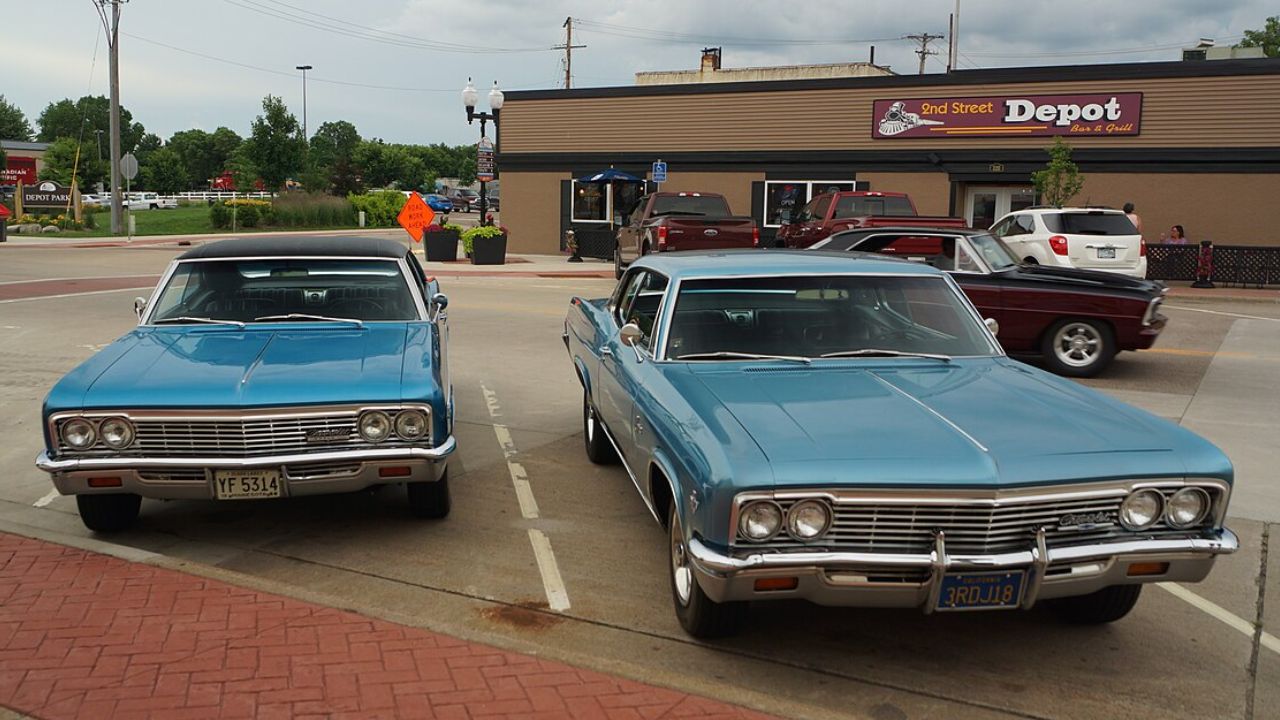
The 1966 Chevy Caprice emerged as a formidable contender in the automotive landscape, offering a blend of luxury and muscle that challenged the dominance of smaller, more traditional muscle cars. With its powerful engine options and spacious design, the Caprice carved out a unique niche that appealed to performance enthusiasts and those seeking comfort alike.
Historical Context of the 1966 Chevy Caprice
The mid-1960s marked a transformative period in the automotive industry, characterized by the explosive popularity of muscle cars. As American consumers sought vehicles that combined performance with style, manufacturers responded with a wave of high-powered options. The muscle car phenomenon was not limited to just compact cars; it also extended into the realm of full-size vehicles, a segment traditionally dominated by comfort and luxury rather than raw power. Chevy recognized this trend and introduced the Caprice as a full-size vehicle that could compete on the same playing field as smaller muscle cars.
The 1966 Caprice was more than just a new model; it represented a strategic shift in Chevy’s approach to the market. By positioning the Caprice as a blend of luxury and muscle, Chevy aimed to attract a broader audience. This vehicle was initially introduced as the top trim level of the Chevy Impala, but it quickly gained its own identity, appealing to buyers who wanted both space and performance. As a full-size car, the Caprice was equipped to deliver on both fronts, marrying the spaciousness of larger sedans with the power that muscle car enthusiasts craved.
Engine Options and Performance Specifications
The 1966 Chevy Caprice came with a range of engine options that made it a standout in the full-size category. Buyers could choose from several V8 configurations, with the most notable being the 396 cubic inch big-block engine that churned out an impressive 325 horsepower. This engine not only provided robust power but also offered a torque rating of 420 lb-ft, allowing the Caprice to accelerate with surprising authority for a vehicle of its size.
When comparing the Caprice’s performance to that of its smaller muscle car counterparts, such as the Ford Mustang or the Pontiac GTO, the numbers tell a compelling story. The Caprice’s acceleration was quite competitive, achieving 0 to 60 mph in just over 8 seconds—an impressive feat for a full-size sedan. Furthermore, its top speed of around 120 mph placed it in the same league as many of the era’s famed muscle cars. The combination of power and size allowed the Caprice to deliver a driving experience that was both exhilarating and refined.
Design and Features of the 1966 Caprice
The exterior of the 1966 Caprice reflected the bold styling cues of the era, with long body lines and a distinctive front grille that set it apart from other vehicles. The Caprice featured a sleek silhouette that exuded a sense of elegance, while the chrome accents added a touch of luxury. The distinctive tailfins were a nod to the design trends of the time, making the Caprice not just a performance vehicle but also a striking piece of automotive art.
Inside, the Caprice was designed with comfort in mind. The interior boasted high-quality materials and an array of features that were ahead of its time. Buyers could enjoy options like power windows, air conditioning, and an advanced sound system that enhanced the driving experience. The spacious cabin comfortably accommodated up to six passengers, making it an ideal choice for families and those who valued both performance and comfort. The luxurious touches and thoughtful design set the Caprice apart from its competitors, appealing to buyers looking for a little extra in their driving experience.
Driving Experience and Handling
The driving experience of the 1966 Caprice was marked by a unique blend of power and comfort. With a well-tuned suspension system, the Caprice was able to handle the road with surprising agility, especially considering its size. The suspension featured coil springs in the front and leaf springs in the rear, which contributed to a smooth ride quality that was often praised in reviews from the era. While smaller muscle cars were known for their nimbleness, the Caprice held its own with a balanced feel that made it enjoyable to drive.
Feedback from drivers highlighted the Caprice’s ability to provide a comfortable ride without sacrificing performance. Many noted that the steering was responsive, allowing for confident handling in various driving conditions. The overall driving dynamics of the Caprice were such that it could easily transition from a leisurely cruise to spirited driving, appealing to a wide range of enthusiasts. Its performance and handling characteristics created a driving experience that was both satisfying and enjoyable, making the Caprice a vehicle that appealed to diverse tastes.
Market Position and Sales Performance
The 1966 Chevy Caprice enjoyed a notable market reception, with sales figures that reflected its popularity among consumers. Chevy sold over 100,000 units of the Caprice in its debut year, demonstrating that there was a significant demand for a full-size car that combined luxury with performance. This level of success positioned the Caprice as a key player in Chevy’s lineup, allowing it to compete effectively against both full-size and mid-size rivals.
When compared with other vehicles in the market, the Caprice’s sales performance was impressive. It consistently outperformed other full-size sedans while also appealing to buyers who might have otherwise considered smaller muscle cars. The target demographic for the Caprice included families looking for a spacious vehicle that didn’t compromise on performance, as well as younger buyers drawn to the muscle car culture. This unique market positioning helped solidify the Caprice’s place in automotive history and contributed to its lasting legacy.
Competition with Smaller Muscle Cars
While the Caprice stood out as a full-size contender, it faced stiff competition from smaller muscle cars like the Ford Mustang and Pontiac GTO, which were designed specifically for performance enthusiasts. The Mustang, for instance, offered a lighter frame and agile handling, making it a favorite among younger drivers. Meanwhile, the GTO was renowned for its powerful engines and sporty demeanor, drawing in customers who prioritized speed and performance. However, the Caprice managed to hold its ground by offering a unique combination of power and space that appealed to a more diverse audience.
In terms of performance metrics, the Caprice’s V8 engines delivered horsepower figures that rivaled those of smaller competitors. While smaller muscle cars often boasted quicker acceleration due to their lighter weight, the Caprice’s robust engine options provided a compelling alternative for buyers who preferred the comfort of a full-size vehicle without sacrificing power. As a result, the Caprice garnered respect among enthusiasts who appreciated its performance capabilities while still valuing the spacious and luxurious driving experience.
Cultural Impact and Legacy
The 1966 Caprice made a significant impact on popular culture, often featuring in films and television shows that celebrated the era’s automotive spirit. Its stylish design and powerful performance made it a popular choice for car enthusiasts, and it was often showcased as a symbol of American automotive excellence. From classic films to modern documentaries, the Caprice has retained a place in the hearts of enthusiasts and collectors alike, serving as a reminder of an era when cars like these represented freedom and adventure.
Testimonies from automotive enthusiasts reveal the Caprice’s lasting appeal, with many collectors seeking out the 1966 model for restoration projects. Its unique combination of luxury and performance makes it a sought-after classic car, and forums dedicated to Chevy enthusiasts often celebrate its history and engineering. The legacy of the Caprice within Chevy’s overall history is significant, as it paved the way for future models that would continue to blend comfort with performance.
Restoration and Collectibility Today
Today, the market for classic Chevy Caprices, particularly the 1966 model, reflects a growing interest among collectors and restoration enthusiasts. Many individuals are drawn to the unique blend of performance and luxury that the Caprice offers, and dedicated clubs and online communities provide resources for those looking to restore or maintain their vehicles. Resources such as parts suppliers and restoration guides are readily available, making it easier for enthusiasts to bring these classic cars back to their former glory.
As for collectibility, the value of the 1966 Caprice has seen appreciation in recent years, driven by nostalgia and the increasing interest in classic American cars. Factors influencing collectibility include originality, condition, and documentation of the vehicle’s history. For many enthusiasts, owning a 1966 Caprice is more than just about having a car; it represents a connection to automotive history and a passion for classic vehicles that continue to captivate new generations of car lovers.
More from Fast Lane Only