It started the way so many dream-car stories do: one scroll too many, one too-perfect listing, and one decision that felt both reckless and inevitable. He’d been hunting for a 1973 Porsche 911 Carrera RS for years, the kind of car people talk about in reverent tones at coffee meets. When the seller described it as “perfect,” with a tidy history and a fresh inspection, he allowed himself to believe the fairy tale.
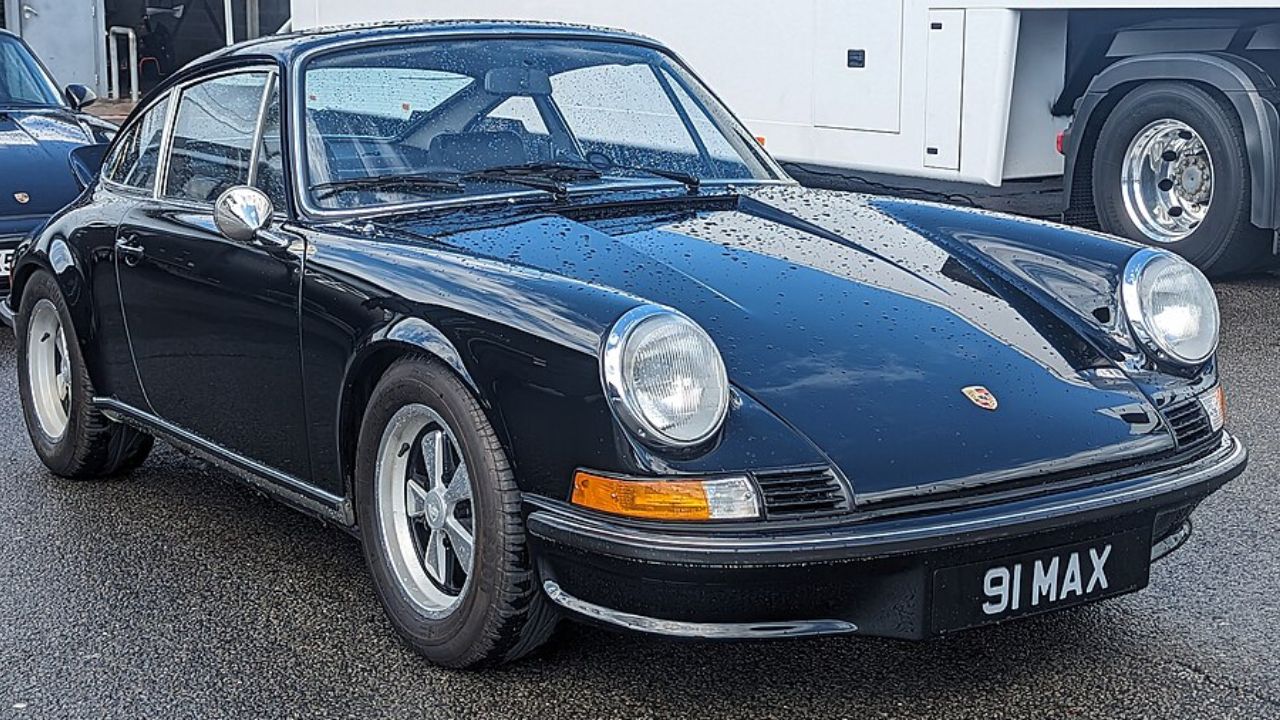
And to be fair, the car looked the part. The stance was right, the panels seemed straight, and the paint had that deep shine that makes you forget about rational budgeting. The paperwork folder was thick enough to double as a gym weight. He bought it, arranged transport, and spent the next few nights picturing weekend drives that smelled faintly of fuel and victory.
The kind of “perfect” that sells fast
In the classic-car world, “perfect” is a loaded word. Sometimes it means concours-ready, sometimes it means “restored once upon a time,” and sometimes it means “please don’t look too closely under fluorescent lighting.” Still, the Porsche arrived looking like it had stepped out of a glossy magazine spread, right down to the iconic RS details that make enthusiasts weak in the knees.
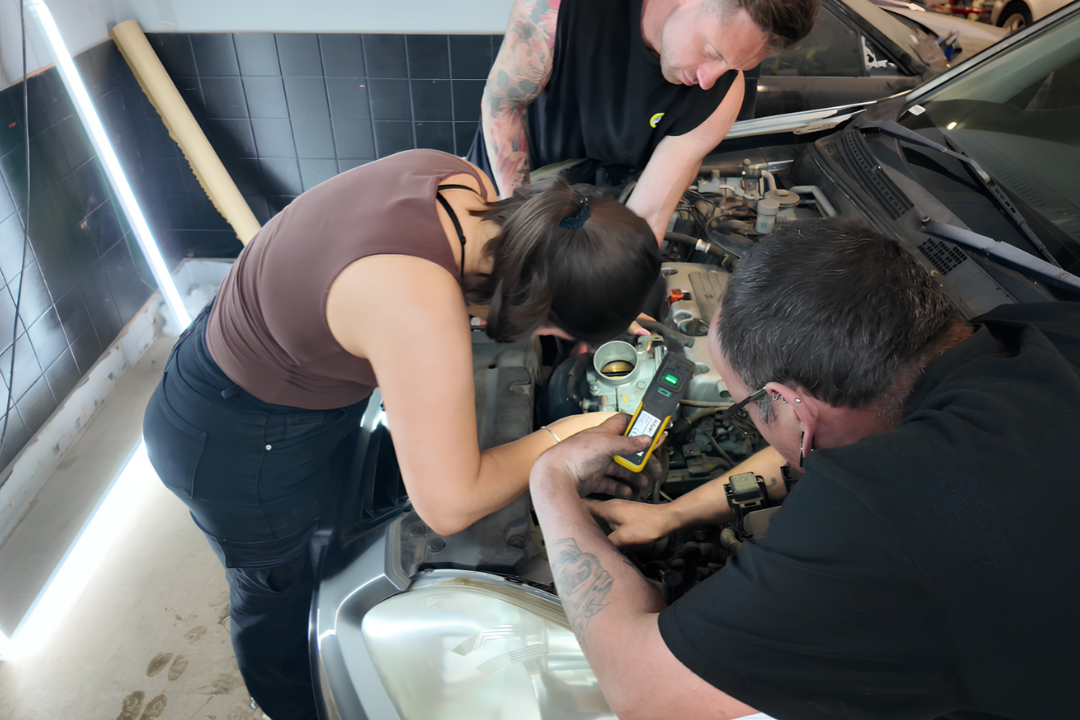
He did what responsible buyers do, at least in theory: he booked a post-purchase check with a trusted mechanic who knows old 911s the way some people know their own kitchens. The plan wasn’t to find drama. It was to get baseline maintenance squared away and to confirm that his big moment hadn’t come with hidden fine print.
The first inspection felt routine—until it didn’t
At first, the mechanic’s notes sounded reassuring. Fluids looked clean, the engine bay didn’t scream “recent panic,” and nothing obvious was dripping onto the shop floor. The test drive felt classic 911: light steering, eager revs, and that unmistakable mechanical whir that makes modern cars feel a bit like appliances.
Then came the pause—the kind that makes your stomach do a small, private somersault. The mechanic spent a little too long circling one area, leaning in, stepping back, and leaning in again. He asked one simple question: had the car ever been hit?
The flaw: a subtle mismatch that pointed to a bigger story
The issue wasn’t a dramatic crack or a missing part. It was a small but meaningful inconsistency in the front structure—an area where factory details on a 1973 chassis tend to be remarkably consistent. The mechanic noticed irregular weld patterns and slight asymmetry where the front panel and inner structure should’ve looked uniform, like they’d been assembled by the same set of hands in the same era.
On a normal driver-grade classic, that might be shrugged off as “old car stuff.” But on a 1973 Carrera RS—one of the most collectible 911 variants ever—those details matter a lot. Tiny differences can suggest past collision repairs, panel replacement, or structural work that wasn’t disclosed, even if the exterior cosmetics are immaculate.
Why a “tiny” detail can change everything on an RS
The Carrera RS isn’t just another vintage Porsche with a cool badge. Values are high, scrutiny is intense, and originality—or at least properly documented restoration—plays a huge role in what the car is worth and how it’s viewed. A questionable repair doesn’t automatically make it a bad car, but it can turn “investment-grade” into “great driver,” and those are two very different price brackets.
The mechanic explained it in plain language: if the structure’s been altered, you want to know exactly when, why, and how well it was done. A well-repaired hit from decades ago with photos and invoices is one thing. A mystery repair with no paper trail is another, especially on a model where collectors obsess over millimeters and factory spot welds.
What the paperwork didn’t say
He went back through the documentation with fresh eyes. The service records showed regular maintenance and some restoration work, but nothing that clearly spelled out front-end repairs. There were a few gaps—years where the car’s story went quiet—which isn’t unusual for a 50-year-old vehicle, but now those quiet years felt a lot louder.
When he contacted the seller, the response was careful and vague. The seller didn’t admit to knowing about structural repairs, but didn’t exactly sound surprised either. It was the classic used-car dance, only with more zeros on the price tag and significantly more emotional whiplash.
The next step: verification, not panic
The mechanic recommended a deeper inspection rather than a knee-jerk reaction. That meant measuring key points on the chassis, checking alignment of suspension pickup points, and looking for additional signs of replacement panels or non-original metal. In high-end classic circles, this is where specialists may bring in paint meters, borescopes, and reference photos of known-original examples to compare tiny manufacturing tells.
It also meant verifying identification details—because with rare models, the nightmare scenario isn’t just an old repair. It’s the possibility of a car being “reborn” from parts, or a tribute built to look like something it isn’t. Most cars aren’t that dramatic, but the market has seen enough weirdness that experienced mechanics and buyers stay cautious.
So… is it still a “perfect” Porsche?
Here’s the twist: he still loved the car. On the road, it felt alive in a way only a lightweight early 911 can, and the cabin had that simple, purposeful vibe that makes you want to take the long way home. But “perfect” no longer meant what he thought it meant when he hit send on the wire transfer.
If the flaw turns out to be an old, properly repaired incident, it might simply change how the car should be priced and described. If it’s something more significant—or something that affects safety or chassis integrity—then it becomes a real problem, not just a collector’s debate. Either way, the lesson lands the same: the prettiest classic car can still be hiding a story under the paint.
A familiar reminder for anyone shopping vintage
People buy classics with their hearts, and that’s not a bad thing. But this episode is a good reminder that the best money spent is often the money spent before buying, on an inspection by someone who knows the model’s quirks and “tells.” A seller can detail a car to perfection; a skilled mechanic can spot the stuff detailing can’t erase.
As for him, he’s now deciding between a few paths: negotiate with the seller, pursue additional verification from a marque specialist, or accept that he bought a thrilling driver rather than an untouchable showpiece. The car is still gorgeous, still rare, still a 1973 911 that turns heads everywhere it goes. It just comes with one small flaw—and a much bigger lesson—noticed by the one person who didn’t get distracted by the shine.
More from Fast Lane Only