For months, the soundtrack of their evenings was the same: a garage door rumbling open, the clink of tools, and classic rock drifting into the kitchen. He’d come in with grease under his nails and the satisfied look of someone who’d “finally figured it out,” even when nothing seemed finished. She didn’t mind the hobby at first—until the hobby started to feel like a wall.
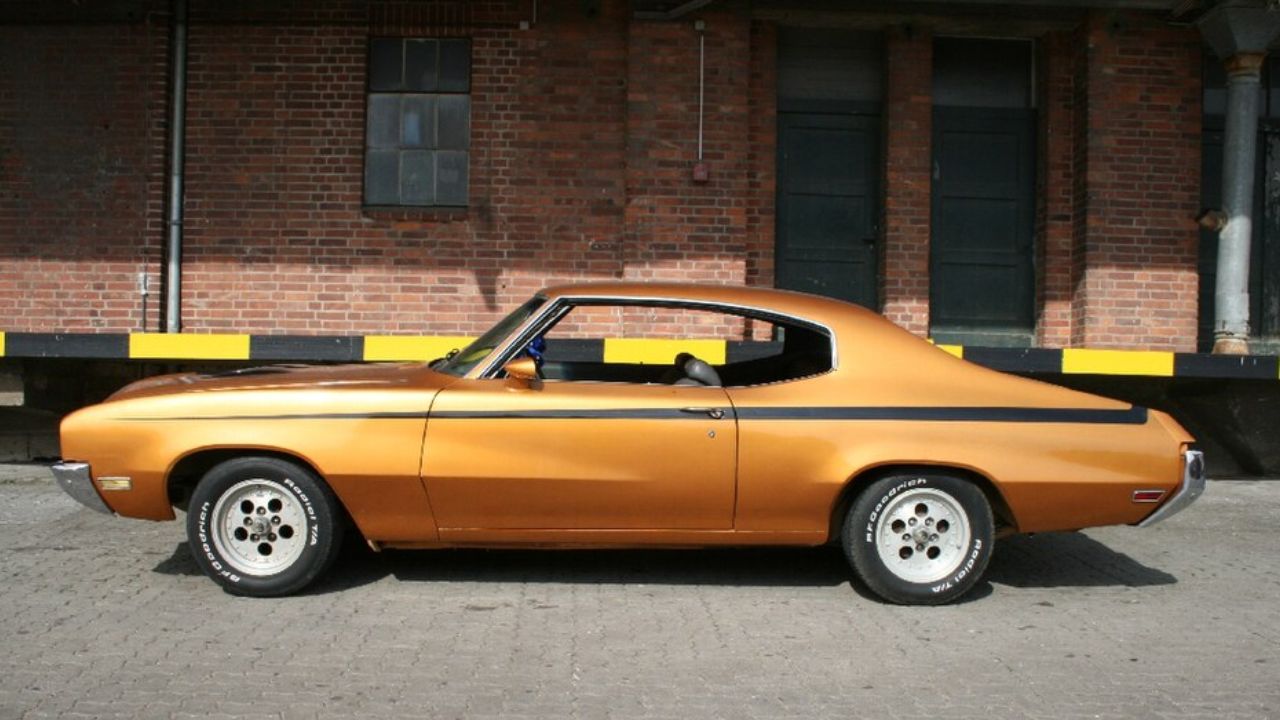
The car at the center of it all was a 1972 Buick Skylark, sun-faded and stubborn, parked like a promise he kept renewing. He called it “a project,” the way people call a half-painted room a “weekend job.” But weeks turned into seasons, and the Skylark stayed put, soaking up time, money, and attention like a sponge.
A classic car, a modern mystery
It wasn’t that she didn’t get it. Plenty of people restore old cars for the joy of bringing something back to life, and the Skylark is the kind of model that makes enthusiasts talk with their hands. In 1972, the Skylark sat in Buick’s mid-size lineup, a practical cruiser with muscle-car DNA still lingering in its posture.
Still, she noticed the patterns that didn’t match a simple restoration. He stopped asking her to come out and see what he’d done. He started keeping receipts in his jacket pockets instead of on the counter, and he’d go quiet if she asked how much a part cost.
The little details that didn’t add up
The first clue was how often packages arrived. Not unusual for a project car, sure, but the labels didn’t always look like the usual auto parts suppliers. Some were addressed to initials, others to the house but with a different return name, and one came with a shipping account she didn’t recognize.
Then there was the phone. He’d step outside to take calls, even in bad weather, and keep his voice low like he was negotiating. When she asked if he was having trouble finding parts, he’d smile too quickly and say, “It’s just car stuff,” like that explained everything.
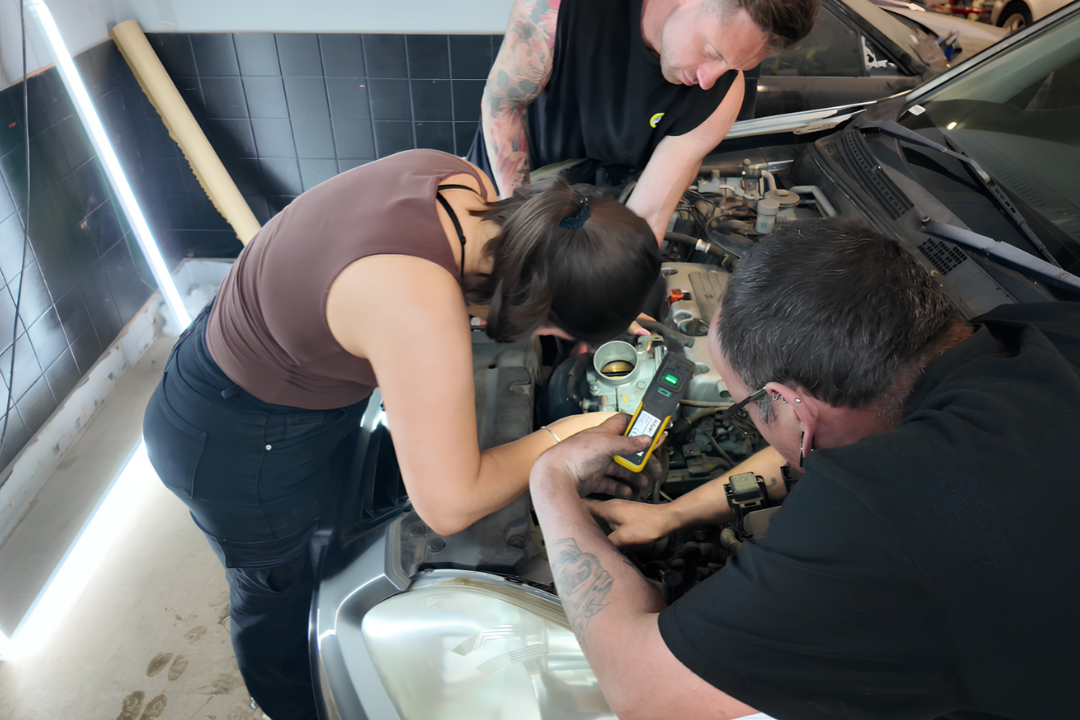
Meanwhile, the Skylark itself seemed… stuck. The hood was up every time she peeked in. The same fender sat on a blanket for what felt like forever, and the “next step” always sounded suspiciously like the last step.
A neighbor’s comment changes the temperature
The moment that flipped her curiosity into concern came from a neighbor who wandered over during a weekend yard cleanup. The neighbor nodded toward the garage and said something casual about “the buyer,” like it was common knowledge. She laughed at first because it sounded ridiculous—buyer, as in someone buying the car?
But the neighbor didn’t laugh back. He just shrugged and said he’d seen a couple of people stop by, looking under the hood, talking numbers, the whole ritual. Then he added, “I figured you were in on it,” and walked away like he’d mentioned the weather.
When she asked, he kept it vague
That night, she asked directly whether he was planning to sell the Skylark. He didn’t deny it, exactly. He just said he was “keeping options open,” which is the kind of phrase people use when they don’t want follow-up questions.
She tried again, softer this time, asking why he hadn’t mentioned it. He said he didn’t want to jinx anything and claimed the market for classics was “weird right now.” The explanation landed with a thud, because the secrecy wasn’t about optimism—it was about control.
The paperwork she wasn’t supposed to see
A week later, she found a folder in the glove box of their daily driver while looking for an insurance card. Inside were printouts: online listings for similar Skylarks, notes about engine codes, and a clean, organized spreadsheet of costs. The numbers were much bigger than she expected, and the neatness of it all made it worse, like the secrecy had been planned.
Tucked behind the spreadsheet was a draft bill of sale with a buyer’s name and a price that made her blink twice. Not “maybe someday” pricing—real, ready-to-sign pricing. The date was blank, but everything else looked like it was waiting for a final decision.
What he wasn’t telling her wasn’t just about the car
When she confronted him with what she’d found, the story finally came out in pieces. The Skylark wasn’t only a hobby; it was a pressure valve. He’d been feeling squeezed at work, worried about layoffs, and embarrassed that he didn’t have a solid backup plan.
In his mind, finishing the Buick and selling it was a quiet safety net—money set aside without having to say, “I’m scared.” He also admitted he’d taken on a small personal loan for parts, assuming he’d pay it off once the car sold. He didn’t mention it because he didn’t want to add another worry to the household, even though that’s exactly what secrecy tends to do.
She wasn’t furious about the idea of selling the car. She was angry that he’d been building a whole parallel plan in the garage while she thought they were sharing a life in the kitchen. The Skylark, it turned out, wasn’t the problem; it was the silence wrapped around it.
A project car meets real-life budgeting
Once the initial tension cooled, they did something surprisingly practical: they treated the Buick like any other household project. They sat down with the spreadsheet, matched it against bank statements, and figured out what was already spent versus what was still owed. Seeing it all in one place didn’t magically fix things, but it turned a secret into a plan.
They also talked about timelines, which is where the Skylark finally stopped being an endless “someday.” If the goal was to sell, what needed to be finished and what could be left to the next owner? If the goal was to keep it, what would “done enough to enjoy” look like without sinking them financially?
The quiet shift in the garage
After that, the garage sounded different—not louder, not softer, just more honest. He started sharing small updates again, like when a part finally fit the way it was supposed to. She started stepping in with questions that weren’t accusations, and he got better at answering without dodging.
There was even a little humor about it. She joked that the car had been his “mechanical therapist,” and he admitted that wasn’t entirely wrong. But the bargain changed: no more therapy that came with hidden invoices.
Why this story is hitting a nerve
People love a classic-car tale because it’s never just about chrome and horsepower. It’s about patience, memory, and the stubborn hope that old things can run right again. And if you’ve ever lived with a long-running project—cars, renovations, side hustles—you know how easily it can become the place someone goes when real life feels too loud.
In the end, the surprise wasn’t that he’d been working on a 1972 Buick Skylark. The surprise was that he’d been working on an escape hatch, one bolt at a time, without telling the person closest to him. The car may or may not sell, but the bigger repair was already underway: rebuilding trust, this time without hiding the tools.
More from Fast Lane Only