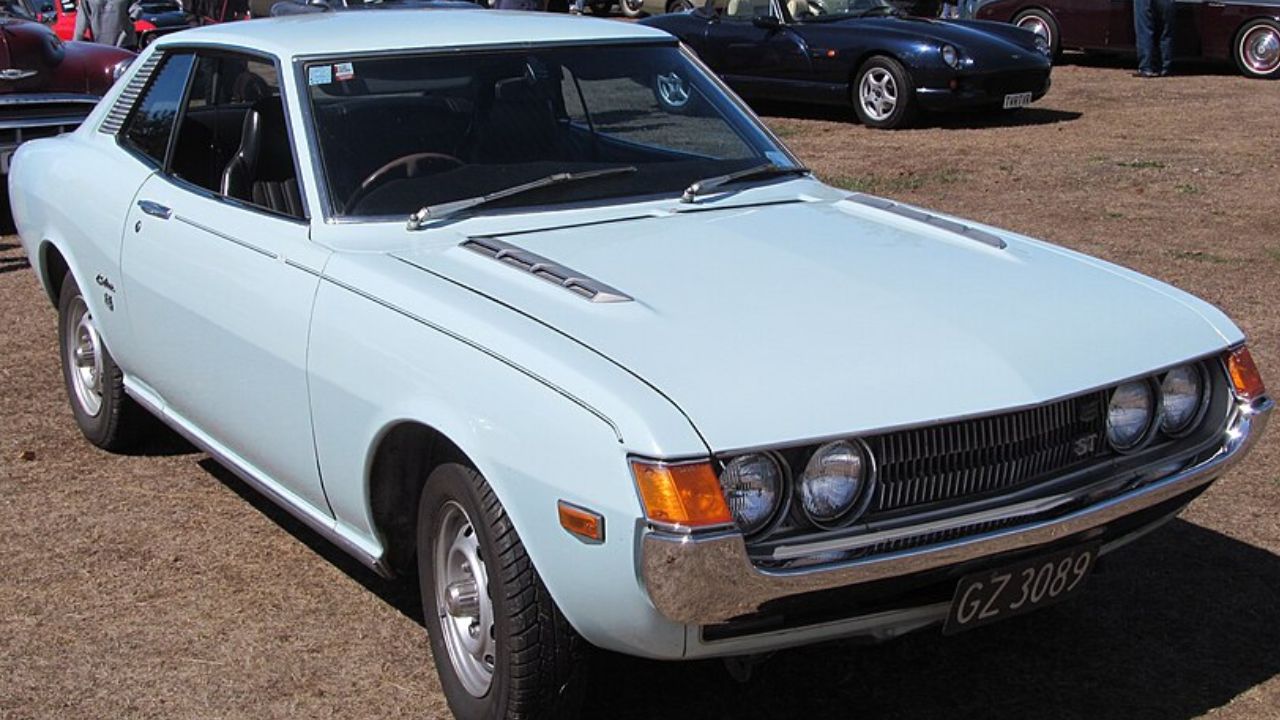
It started like a normal favor: a weekend loan of a classic car to someone who “just wanted to take it to a couple events.” But when the 1971 Toyota Celica rolled back into the driveway days later, its owner says it didn’t feel like the same machine he’d handed over. Not wrecked, not obviously abused—just subtly, unmistakably different in ways that were hard to explain until he started looking closely.
Friends love to joke that old cars are like pets: you notice the tiny changes right away, even when no one else does. This time, though, the changes weren’t just in his head, he says. And the story has turned into the kind of neighborhood mystery that makes everyone lean in a little closer when the hood pops open.
A weekend favor that sounded simple enough
The Celica, according to the owner, is one of those carefully maintained classics that still gets driven, not just polished. It’s not a trailer queen; it’s a car with quirks, routines, and a very familiar feel behind the wheel. He says he agreed to the loan because he trusted the person asking, and because the request sounded harmless: a couple days, no racing, no long road trip, just gentle cruising.
He also did what most careful owners do—went over the basics before handing over the keys. Fluids checked, tire pressure set, fuel topped off, and a quick reminder about the choke and cold starts. In other words, the Celica left in known condition, with the kind of baseline that makes later surprises easier to spot.
“It looks like my car… but it doesn’t drive like it”
When it came back, the first thing that stood out wasn’t cosmetic. He says it was the way the car sounded at idle—slightly higher, a touch rougher, like it was hunting for its rhythm. The clutch engagement felt different too, he claims, with the bite point moved just enough to feel wrong.
Out on the street, the owner says the steering felt heavier at low speeds, then oddly twitchy once rolling. The brakes, which he described as predictable and linear, suddenly grabbed earlier in the pedal travel. None of these things screamed “disaster,” but together they created a nagging sense that something had been adjusted, swapped, or stressed.
The small clues that made it feel bigger
After the initial drive, he started doing the thing every classic-car owner does when something feels off: a slow walkaround with his eyes narrowed. He says the tire tread looked different than he remembered, not dramatically, but enough to raise eyebrows—like a fresher set had been mounted, or the existing tires had been rotated and balanced without telling him. The valve caps didn’t match either, which sounds silly until you’ve spent years knowing exactly which little parts are on your car.
Inside, he claims the seat rails seemed to slide differently, and the driver’s seat sat a fraction farther back even after he adjusted it. The radio knob felt looser, and the ashtray—an old-school detail on cars like this—wasn’t sitting quite right. These are the kinds of changes you’d never notice if you weren’t bonded to the car, but he insists the Celica’s “normal” is basically muscle memory at this point.
Under the hood: nothing obvious, which is its own kind of unsettling
The next step was the engine bay. He says there were no fresh leaks, no dangling wires, no dramatic signs of tampering. But a few fasteners looked shinier than the rest, like they’d been turned recently, and one hose clamp was positioned at a slightly different angle than before.
He also noticed a faint smell—more fuel than usual, mixed with something hot and dusty. That could be as simple as stop-and-go driving, a rich cold start, or a little spilled gas, but it didn’t match his typical routine with the car. When you’ve owned something for years, even the smells become part of the “this is fine” checklist.
Possible explanations people keep throwing around
As word of the story spread among friends and local car folks, the theories multiplied fast. The most benign idea is that the Celica was driven harder than usual and is simply out of its normal rhythm—an old carbureted car can feel different after a weekend of unfamiliar starts, short trips, and heat cycles. A slightly fouled plug, a sticky choke, or a bit of vapor lock can make the whole car feel “off” without anything being permanently wrong.
Another common theory is that someone tried to “help” with adjustments. On vintage cars, it’s tempting to tweak idle speed, timing, or mixture screws if the engine stumbles once. But even a small tweak can change drivability a lot, and if it’s done without a clear baseline, it can leave the owner chasing a new problem that didn’t exist before.
Then there are the more mechanical possibilities: tire pressures changed, wheels swapped, alignment knocked slightly out, or brake shoes adjusted tighter. Any one of those could explain heavier steering, twitchiness, or grabby braking. And because these cars are so analog, tiny shifts can be felt immediately.
The awkward part: asking questions without starting a feud
The owner says the hardest piece hasn’t been the diagnosis—it’s been the conversation. If you loan a classic car, you’re also loaning trust, and it’s uncomfortable to imply that something happened on someone else’s watch. At the same time, he argues that it’s reasonable to ask directly: Where did it go? Who drove it? Did anyone work on it or “check something real quick”?
People close to the situation say that’s often where these stories turn. Sometimes the borrower admits they took it to a shop for a quick tune-up, got a tire patched, or asked a friend to look at a “weird noise,” figuring they were doing a favor. Other times, there’s a vague answer and a change of subject, which only makes the mystery more interesting—and more frustrating.
What he’s doing next to figure it out
For now, he’s taking a practical approach. He’s documenting everything he can: photos of the engine bay, notes about how the car behaves at idle and on the road, and a checklist of what feels different. He’s also planning a careful inspection—spark plugs, timing, vacuum lines, and a close look at the brakes and tires—before he puts many more miles on it.
He’s also considering having a trusted mechanic do a “baseline reset,” basically returning the tune and settings to known-good specs. That doesn’t solve the mystery of what happened over the weekend, but it does bring the car back to a place where every change is intentional again. In classic-car ownership, that peace of mind is worth a lot.
A familiar lesson for anyone who’s ever loaned something they love
The story has struck a nerve because it’s not really just about a Celica. It’s about that specific sinking feeling when something you know well comes back feeling unfamiliar, even if it looks fine at a glance. Tools, cameras, instruments, and yes, cars—anything with a “feel” can trigger the same reaction.
And it’s a reminder that with old machines, the line between “nothing happened” and “a lot happened” can be surprisingly thin. One weekend is plenty of time for small adjustments, heat, wear, or well-meant tinkering to add up. Whether the Celica was simply driven differently or actually altered, the owner’s main takeaway is simple: next time, if the keys leave his hand, the checklist and ground rules are leaving with them.
More from Fast Lane Only