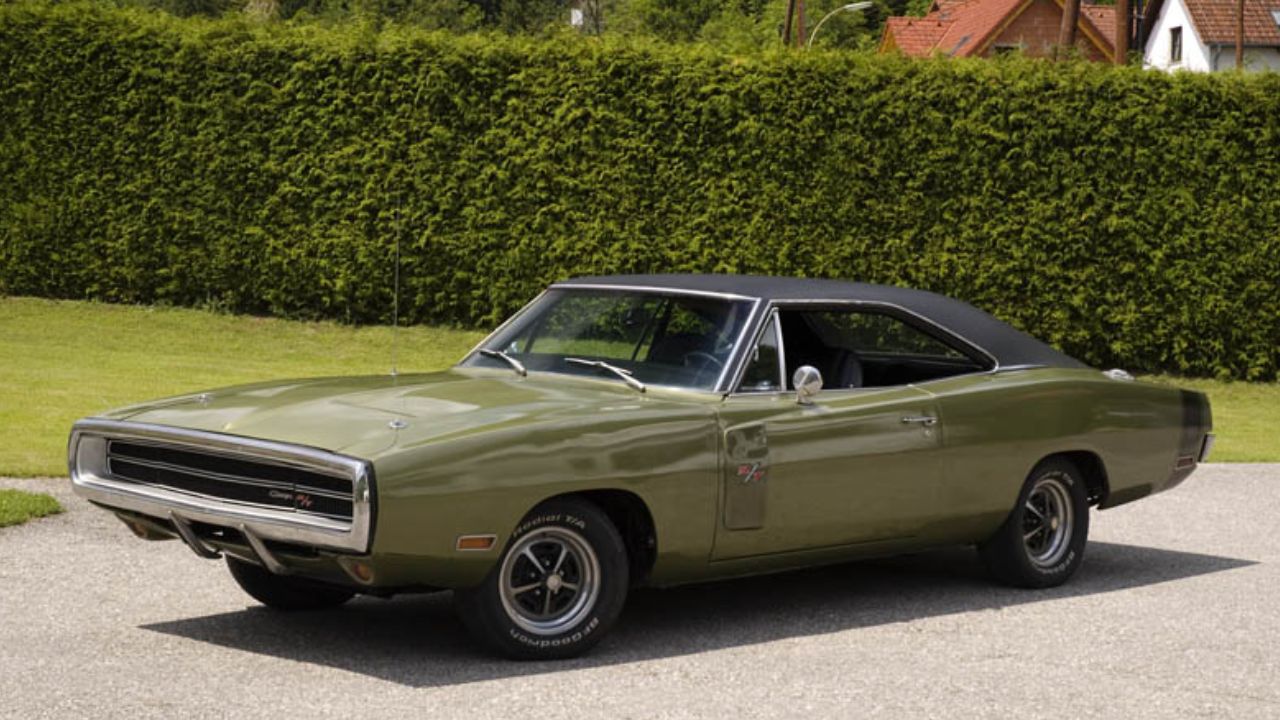
It’s the kind of phone call most classic-car owners dream about: the shop says the build is done ahead of schedule. But according to one 1970 Dodge Charger owner, the good news came with a weird twist. He says the shop told him the car was finished early, then immediately urged him not to come by to look at it.
That combination—“it’s ready” followed by “please don’t see it”—has been rippling through local car circles and online chatter, because it lands right in the middle of every restoration owner’s biggest fear: what if “finished” doesn’t mean what you think it means?
The call that set off alarms
According to the owner, the shop contacted him with an upbeat update: the Charger was completed sooner than expected. The timeline had already been long, like most frame-off or near-frame-off projects, so “early” sounded almost suspiciously lucky. Then came the part that made him pause—he says they suggested he wait before stopping by, and that he didn’t need to see it just yet.
He describes the conversation as polite but firm, with the shop leaning on scheduling and “final touches” as reasons to delay a visit. That might sound normal in isolation; plenty of shops don’t want customers walking the floor. But he says the shop had previously been fine with quick check-ins, which made the sudden change feel off.
Why a “no peeking” request can be normal
To be fair, there are legitimate reasons a shop might stall an in-person reveal even if major work is done. Fresh paint needs cure time, interior adhesives need to set, and shops sometimes do a post-assembly shakedown to chase squeaks, leaks, or heat issues. A builder might honestly want the first impression to be the final impression—no masking tape, no parts on seats, no half-aligned trim.
There’s also the reality of a busy shop. If the car is “done” mechanically but still parked behind other projects, pulling it out for a customer visit can burn half a day and disrupt everyone else. And some facilities have insurance rules about visitors on the floor, especially around lifts, welding areas, or paint booths.
…and why it can also be a red flag
Still, experienced restorations people will tell you that being asked not to look can raise eyebrows, because transparency is the currency of trust. When a shop is proud of a build, it usually wants to show it off. A reluctance to let an owner see the car—especially after saying it’s finished—can make people wonder if there’s a quality issue, a missing part, or a deadline being “met” on paper more than in reality.
In the classic-car world, “done” can mean wildly different things. It might mean it runs and moves under its own power, or it might mean every clip, stripe, and fastener is correct down to factory chalk marks. If the owner expected show-level detail and the shop meant “roadworthy,” that mismatch alone can create a tense, avoid-the-visit kind of conversation.
The Charger factor: why this model makes expectations spicy
A 1970 Charger isn’t just any old project. It’s a big-deal muscle car with a fan base that knows every grille variation, every tail panel finish, and what “right” looks like under the hood. Even people who don’t care about originality tend to care about stance, panel gaps, and whether the thing sits like a Charger and not a shopping cart.
That also means the stakes are higher. Parts can be expensive, and skilled labor on bodywork and paint isn’t something you casually redo because someone rushed the final buff or cut corners on alignment. When the owner says he was told to stay away after being told it’s done, the internet naturally fills in blanks—sometimes fairly, sometimes not.
What “finished early” might really mean behind the scenes
Several builders and shop managers point out that schedules shift for reasons that have nothing to do with the specific car. Another customer might have delayed payment, a parts shipment might have moved, or a painter might have had a surprise opening. Suddenly, a car that was waiting its turn gets bumped forward, and it looks like a miracle from the outside.
But “early” can also mean the shop is trying to clear space or close out a job. If a project has been dragging, it’s not unheard of for a shop to hustle the last 10%—the part that takes 50% of the time—to get it off the books. That doesn’t automatically mean anything shady happened, but it does explain why a shop might want a couple extra days before an owner sees the final fit and finish.
Common end-of-build issues that trigger delays
In restorations, the final stretch is where the gremlins like to show up. A car can start and idle great, then run hot on the first long drive because the fan shroud clearance is off or the timing isn’t happy under load. Or a tiny brake fluid seep appears after everything has been bled and cleaned, which is annoying because it ruins that “perfect” first look.
Cosmetic hiccups are just as common. A brand-new weatherstrip might not seal, a window might whistle, or a door might need another round of striker adjustment so it closes with that satisfying thunk instead of a desperate slam. None of those are catastrophic, but they are exactly the kind of thing a shop might want to fix before inviting an owner to inspect every inch.
What the owner can do next, without turning it into a showdown
If an owner feels uneasy, the simplest move is to ask for specifics in a friendly, matter-of-fact way. “What’s left on the list?” and “When is the earliest time I can see it?” are reasonable questions, and the answers tell you a lot. A clear checklist and a firm date usually signal normal shop workflow, not drama.
It also helps to request photos or short videos that match the claim of being finished. A walkaround, a cold start, lights working, and a quick clip of it going into gear can confirm progress without anyone having to rearrange the whole shop. If the shop gets weird about providing even basic proof, that’s when people typically start documenting everything and considering a third-party inspection.
The bigger issue: trust is part of the build
Restorations aren’t like ordering takeout; they’re more like a long-term relationship with receipts. The best shops communicate often, show progress, explain delays, and don’t take it personally when an owner wants to verify what’s happening to a very expensive, very sentimental car. When communication changes suddenly—especially at the finish line—it can feel like someone’s hiding the ball.
For now, the owner’s story sits in that uncomfortable space between “totally normal shop logistics” and “something’s not adding up.” Either way, it’s a reminder that with classic cars, the final reveal is supposed to be fun. If the shop is asking for patience, most owners will give it—so long as the shop can also give something back: clarity, evidence, and a date when “finished” actually means finished.
More from Fast Lane Only