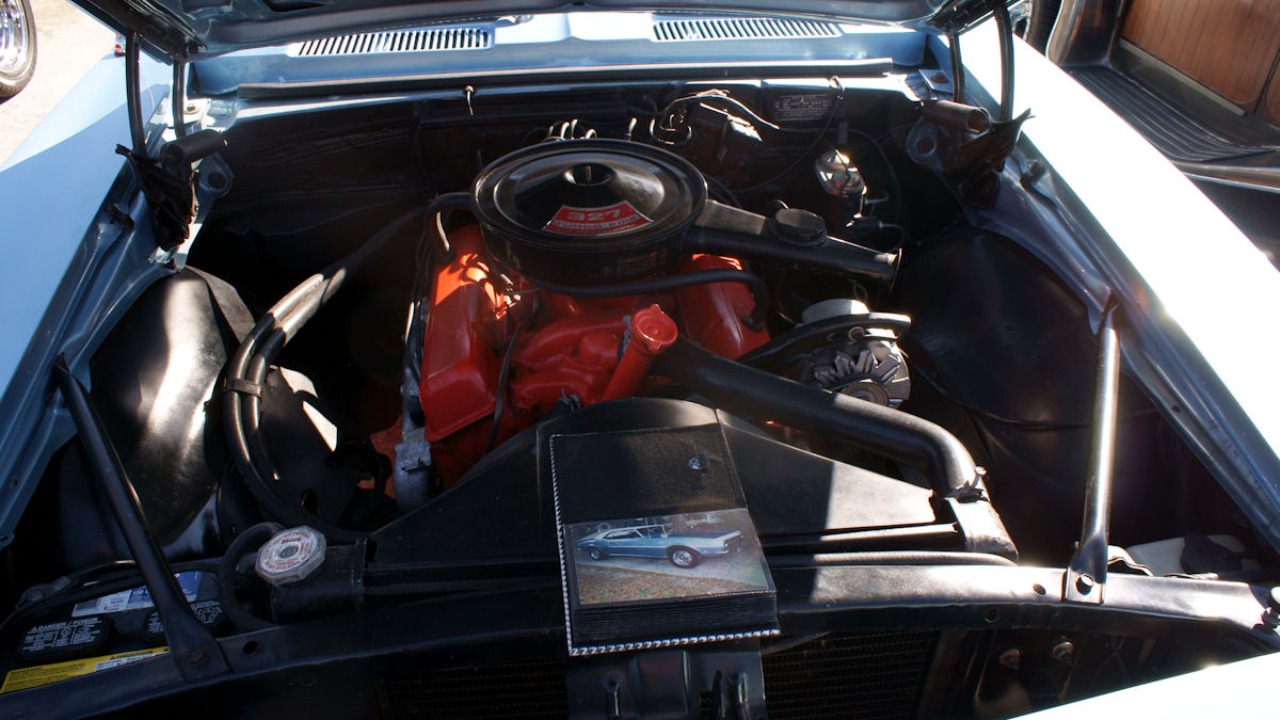
It started the way a lot of classic-car stories do: with a promise that this one “wouldn’t turn into a whole thing.” A man with a well-loved 1968 Camaro said he only wanted to make it a little more dependable, a little more fun, and—if possible—a little less temperamental on Saturday morning coffee runs. The plan, he told friends, was simple: swap in a fresh engine, clean up a few loose ends, and be done.
But projects have a way of growing legs, and budgets have a way of quietly limping behind them. The real twist didn’t come when the engine arrived on a pallet or when the hood first closed. It came later, when his wife spotted the cost—piece by piece—adding up in a way that’s hard to unsee.
A “simple swap” that didn’t stay simple
According to his account, the Camaro had been running, but not in the way anyone would call stress-free. Cold starts were a gamble, idle quality was moody, and long drives came with the kind of mental checklist that makes you listen to every new rattle like it’s a breaking-news alert. He figured a modern crate engine would fix the reliability problem in one move.
And to be fair, it often does—at least mechanically. But swapping an engine into a 1968 car isn’t like changing a battery. Even when the motor physically fits, there’s wiring, fuel delivery, cooling, exhaust routing, mounts, sensors, and a dozen small “while I’m in here” decisions waiting around the corner.
The parts list that hides in plain sight
He described the big purchase as the engine itself, which he’d priced out and saved for. That’s the number people remember, because it’s the headline cost. The trouble, he admitted, was everything that wasn’t the engine: upgraded radiator, new fans, fresh hoses, accessory brackets, a different oil pan to clear the crossmember, and a revised fuel setup.
Then there were the things that aren’t optional once you’re already committed. Fluids, belts, clamps, gaskets, heat shielding, exhaust components, and wiring adapters don’t sound dramatic, but they add up fast. Individually they feel like “just another $40,” and collectively they start looking like a second engine.
Why the price tag can jump overnight
He said the Camaro’s original setup had decades of “creative solutions” from past owners, the kind that work until you touch them. As soon as the old engine came out, a few issues became impossible to ignore: cracked mounts, tired steering components near the headers, and wiring that looked like it had lived a hard life. None of it was the goal, but all of it suddenly sat right in front of him.
That’s how a weekend job becomes a month-long one. And it’s how a budget that seemed realistic becomes more of a suggestion. When you’re already spending money to do it once, it’s tempting to spend a little more to do it right.
Where the “hidden” costs really come from
He also pointed to labor, even though he did a lot of the work himself. Specialty tools, shop supplies, and the occasional “I need this today” parts run can quietly inflate the final total. And if a shop is involved for tuning, fabrication, or troubleshooting, hourly rates can add another layer very quickly.
Modern engines, especially fuel-injected ones, often need a proper tune to run their best. That’s not a scam; it’s just reality. A strong engine on a mismatched tune can feel rough, run hot, or behave unpredictably, which is the opposite of what anyone wants after dropping serious money.
How his wife connected the dots
He said he’d been careful not to make it sound secretive—just “not worth bothering her with every receipt.” That strategy worked right up until a few boxes showed up in quick succession, and a couple of shipping confirmations landed within view. The numbers weren’t hidden, exactly; they just weren’t assembled into one unmistakable total.
Then, as he tells it, she started asking the kind of questions that turn vague estimates into math. How much was the engine? What about the computer? The fuel system? The exhaust work? By the time the conversation reached “and then I had to buy a new radiator,” the mood had shifted from curiosity to the specific calm that signals someone is doing the ledger in their head.
The moment the total became real
The turning point wasn’t one giant charge, but the accumulation. He described it like watching a snowball roll downhill: the numbers looked manageable one at a time, until they weren’t. When she finally asked for a ballpark total, he gave a figure that apparently landed with a long pause.
He tried to frame it as an investment in reliability and safety, which is partly true. But she wasn’t only reacting to the car—she was reacting to the surprise. In most households, the stress isn’t the hobby; it’s the feeling that the budget got rewritten without a meeting.
Car people will recognize the pattern
Anyone who’s built or restored something knows this dance. You start with one clear goal, then you discover three related problems, then you upgrade one component so you have to upgrade the next one to match it. It’s not always reckless; sometimes it’s just the cost of making old and new play nicely together.
He joked that the Camaro taught him two lessons: engines are heavy, and receipts are heavier. It’s a funny line, but it also explains why this kind of story spreads. It’s relatable in that “I can’t believe it happened to me” way.
What he says he’d do differently next time
After the dust settled, he said he wished he’d priced the whole system from day one, not just the motor. That means thinking in categories: engine, fuel, cooling, exhaust, wiring, drivetrain, and tuning—plus a buffer for the stuff you can’t predict. If you build a realistic range instead of a single optimistic number, you’re less likely to get blindsided.
He also said he’d communicate earlier, even if it feels tedious. Not because every purchase needs permission, but because surprises are what make people angry. A quick “here’s the plan, here’s the range, and here’s what could change” goes a long way toward keeping a fun project from turning into a household argument.
Still, the Camaro runs—and that counts for something
In the end, he said the car fired up cleaner, ran cooler, and finally felt like something he could trust on longer drives. That’s the payoff enthusiasts chase: the moment the project stops being a collection of parts and becomes a car again. And yes, he admitted, it feels great when you tap the throttle and it responds like it’s been waiting years to do that.
As for his wife, he said she wasn’t furious so much as unimpressed by the “it’s basically just one engine” explanation. The compromise, at least for now, sounds familiar too: he’s back on regular-budget duty, the Camaro is “done” in the way project cars are always “done,” and the next big upgrade will apparently require a conversation before the boxes show up.
More from Fast Lane Only