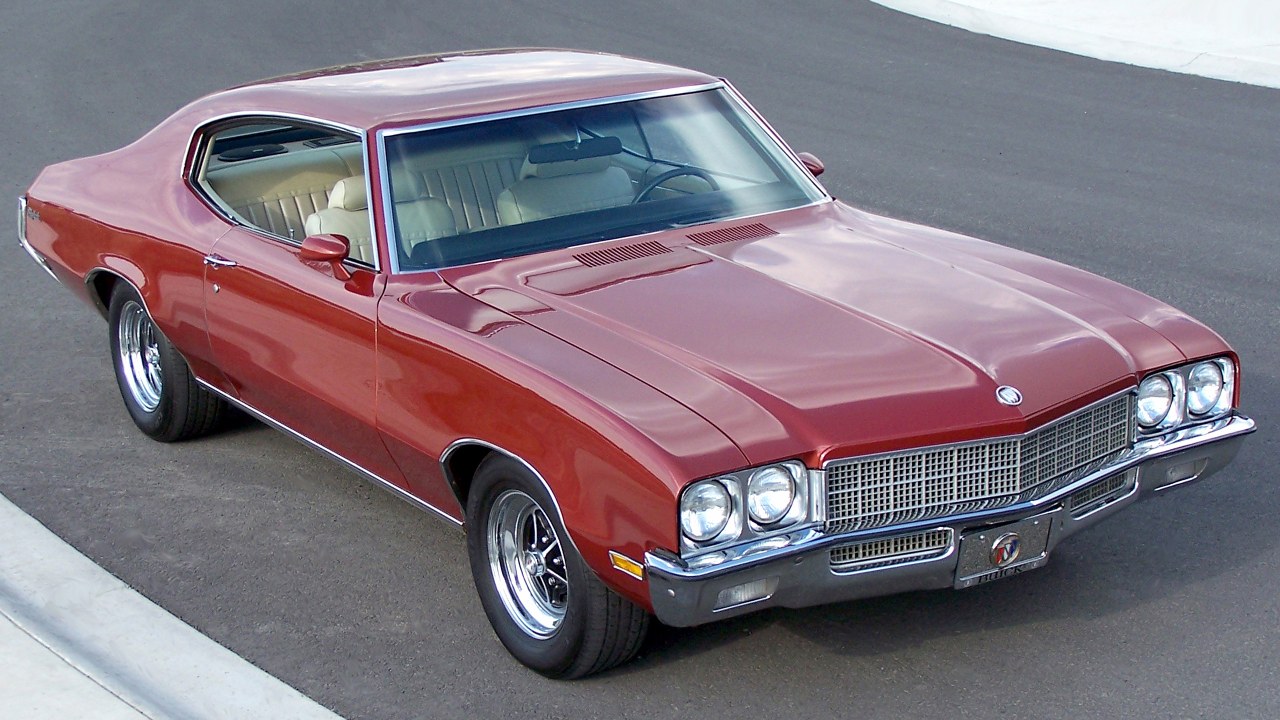
A classic-car deal that started with the promise of a vintage cruiser has reportedly turned into weeks of unanswered calls and mounting frustration. The vehicle at the center of the dispute is a 1972 Buick Skylark, a model that tends to make people smile even if they can’t tell a carburetor from a coffee maker. Now, one buyer says the purchase got pushed through fast, and once the money changed hands, the seller went quiet.
It’s the kind of story that spreads quickly in local car circles: someone finds a dream project, feels pressured to act immediately, and then can’t reach the person who took their payment. The buyer says they aren’t trying to start drama—they just want the car and paperwork they believed they were buying. But as days turn into weeks, the silence is starting to feel like an answer of its own.
A Skylark with plenty of appeal
The 1972 Skylark sits in that sweet spot for a lot of enthusiasts: old enough to feel truly classic, common enough to find parts, and stylish without looking like it’s trying too hard. It’s not unusual for buyers to jump when they see one come up for sale, especially if it’s priced like a “move it quick” listing. And that’s exactly the kind of urgency the buyer says surrounded this deal.
According to the buyer, the seller described the Skylark as a solid foundation—something that could be driven soon or restored over time. There were also references to paperwork and details that would be “handled right after” the sale. The buyer says that sounded reasonable in the moment, especially with the seller pushing for a quick meetup.
“They kept saying someone else was coming with cash”
The buyer claims the seller repeatedly hinted that other buyers were lined up and ready to pay immediately. That kind of pressure isn’t rare in private-party sales, especially for older cars where demand can spike overnight. But the buyer says it didn’t feel like normal competition—it felt like a countdown.
They describe being urged to bring payment quickly and to keep the meet-up short. The buyer says questions about title status, bill of sale details, and timing were met with reassurance rather than clear answers. In the moment, the buyer says they worried that walking away would mean losing a rare find.
The handoff happened fast, then the communication didn’t
The buyer says the deal was completed in a hurry, with minimal time to double-check paperwork or confirm next steps. They left believing the remaining details—like final documents, extra parts, or other promised items—would be provided shortly. It’s the classic “I’ll send it tonight” situation, except the nights kept stacking up.
After the sale, the buyer says they tried to follow up by phone and message. At first, they report getting short replies or vague updates. Then, they say, the seller stopped responding entirely.
What the buyer says is missing
Exactly what’s disputed can vary in these situations, and the buyer hasn’t described every detail publicly in a way that can be independently confirmed. But they say they’re still waiting on key follow-through that was discussed at the time of purchase. That could include paperwork, documentation for the vehicle, or other promised items connected to the sale.
In classic-car transactions, even small missing pieces can become big headaches. Without the right documents, a buyer may struggle to register or insure the car, and they can’t exactly enjoy a Sunday cruise if they’re worried the car could be flagged in a paperwork mess. The buyer says that’s where the stress is coming from: it’s not just annoying, it can stall the entire ownership experience.
Why rushed classic-car deals can get messy
Private sales move fast because they’re personal, informal, and often fueled by emotion. You see a 1972 Skylark, you imagine the sound, the stance, the feeling of turning heads at a gas station—and suddenly you’re negotiating like you’re buying concert tickets. Sellers know that excitement is real, and sometimes it gets used as leverage.
There’s also a practical side: older cars can have complicated histories. Titles can be misplaced, names can be wrong, liens can pop up, or the car might have been sitting for years while paperwork drifted into a drawer somewhere. None of that automatically means a seller is acting in bad faith, but it does mean “we’ll fix it later” is a risky phrase.
What people watching the situation are saying
People who follow classic-car sales tend to react in two lanes: sympathy for the buyer and skepticism about the details. Some point out that sellers sometimes go silent because they feel overwhelmed, embarrassed, or unsure how to fix the paperwork. Others argue that disappearing after taking payment is a bright red flag, no matter how nice someone seemed during the meet-up.
There’s also a familiar refrain from longtime hobbyists: if the title isn’t clear and present at the time of sale, assume the transaction will be a project before the car even becomes one. That advice is easy to say after the fact, though, especially when a Skylark shows up at the right price and your brain starts making “just this once” exceptions.
What experts generally recommend if a seller goes quiet
Consumer advocates and auto-industry attorneys often recommend starting with calm, documented outreach. That means saving screenshots, writing down dates and times, and sending a clear message that states what was agreed to and what’s still needed. It’s not about sounding threatening—it’s about creating a record that you tried to resolve things normally.
If that doesn’t work, the next steps can depend on the specifics: what’s in writing, what state the sale took place in, and what exactly is missing. Many buyers in similar situations consider sending a formal demand letter, contacting their state motor vehicle agency for guidance on title issues, or seeking legal advice about small claims or civil court. The buyer in this case says they’re still hoping the seller simply responds and finishes what was started.
A reminder for anyone shopping for a vintage ride
Classic cars are supposed to be fun, and most deals between enthusiasts are perfectly fine. But the combination of excitement, urgency, and informal paperwork is where trouble tends to sneak in. If a seller is rushing the deal, it’s worth slowing it down—asking to see the title, matching VIN details, and making sure any promises are written into a bill of sale.
The buyer’s experience is a tough reminder that a great-looking car isn’t the whole purchase. The paperwork is part of the vehicle, too—just not the part that shows up in photos. And if someone’s pushing hard to close fast, it’s fair to wonder: are they excited to sell, or are they hoping you won’t ask one more question?
For now, the Skylark is stuck in limbo
The buyer says they’re still trying to reach the seller and get the deal fully completed as promised. They haven’t described any desire for public conflict, just a practical need for answers. The longer the silence goes on, the more the story shifts from “minor delay” to “something’s wrong here.”
Meanwhile, the 1972 Skylark—an icon of casual American cool—has become the centerpiece of a very modern problem: being ghosted after a major purchase. The buyer says they’re still holding out hope that a missed call becomes a returned call. But until that happens, the biggest thing missing from the deal isn’t a part or a document—it’s a reply.
More from Fast Lane Only