You are watching a luxury icon try to buy breathing room. Aston Martin is warning investors that its losses will be deeper than expected while simultaneously cashing in on its Formula 1 identity by selling long-term naming rights to its works team. You are being asked to believe that sacrificing a powerful brand asset today will help fund the turnaround that finally sticks.
If you follow either high-end sports cars or grand prix racing, you now have to judge whether this is a shrewd piece of financial engineering or a distress signal in green paint. The figures, the tariffs and the three-decade F1 deal together tell a story about how far Aston Martin is prepared to go to stay on the grid in both business and sport.
What the new F1 naming-rights deal actually does
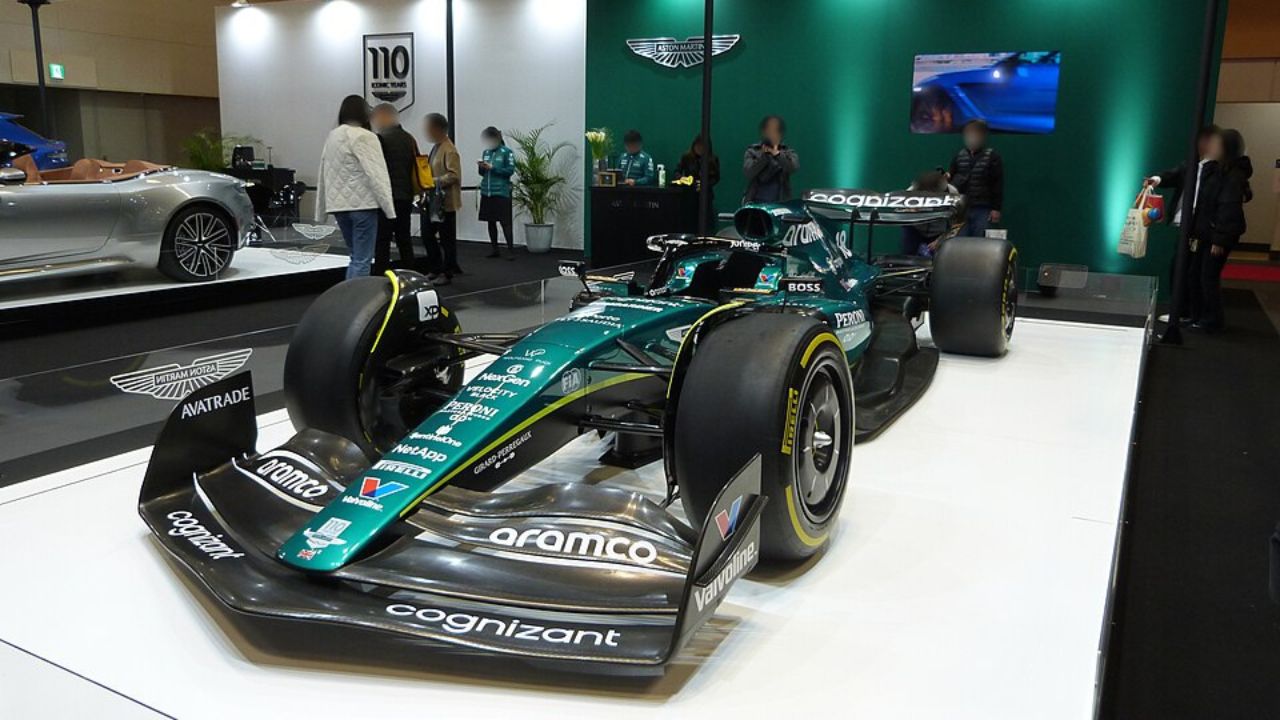
You are not just looking at a logo tweak on the timing screens; this is a financial transaction designed to turn future brand exposure into immediate cash. Aston Martin has agreed to sell the right to use its name on the Aston Martin F1 Team for £50 million, handing over exclusive naming rights for a period that stretches to 2055 at the latest according to the Notice of GM. You are effectively watching the company mortgage three decades of racing identity in exchange for a relatively modest sum in corporate finance terms.
The structure is unusual enough that you need to see it as more than routine sponsorship. A separate entity, AMR, is positioned to acquire these rights, with Aston Martin Lagonda highlighting in its Trading Update that the deal is intended to bolster liquidity after a difficult year. A related report on the cash injection describes the arrangement as a £50 million deal and places it within a wider attempt by Aston Martin to secure its place in Formula One’s exciting future while easing pressure on the balance sheet, a framing echoed in coverage of how Aston Martin F1.
Why a heritage brand is selling its name for cash
To understand why you end up here, you need to look at the trading backdrop. Aston Martin has been clear that 2025 was a highly challenging trading environment, with wholesale volumes falling to 5,448 units from 6,030 a year earlier as described in a Trading Update. When you sell fewer high-margin specials and ultra-luxury models, you lose the cushion that normally protects a prestige carmaker from economic shocks.
At the same time, you are seeing external forces squeeze profitability from the other side. Aston Martin has explicitly linked its deteriorating outlook to tariff pressures and softer demand in key markets, with a detailed section on Tariff Pressures and explaining how new US import duties and weaker orders have combined to hit margins. Add those headwinds to the lower volumes and the attraction of a £50 million cash injection in exchange for a marketing asset that does not directly build cars becomes much easier to understand.
Guidance shock: bigger losses and missed earnings targets
For you as an investor or fan, the real jolt is in the updated profit guidance. Aston Martin has told markets that its annual loss will be wider than previously expected, with the company cautioning that it now anticipates a full-year loss rather than the profit trajectory it had once targeted, a warning captured in the way Aston Martin expects. When a company that has already gone through multiple recapitalisations tells you losses are getting bigger again, you know the turnaround is still fragile.
The company has also signalled that its 2025 earnings will slightly miss the lower end of analysts’ forecasts, reinforcing the sense that your expectations need to be reset. Detailed commentary on how earnings will miss frames the gap in terms of adjusted profit measures, but the underlying message for you is simple: the business is not yet generating the cash it needs from selling cars, so it is selling other assets instead. That is the context in which the F1 naming-rights deal moves from quirky to essential.
How the F1 strategy fits into the wider plan
You might reasonably ask why Aston Martin is clinging so tightly to Formula 1 at the same time it is monetising the team name. The answer lies in how central the series has become to its brand and technology roadmap. The company has already lined up a new engine partnership in which Honda and Aston Martin will work together from the 2026 season, with Honda and Aston planning to supply power units that tie into future hybrid and electrified road cars. You are meant to see F1 as both a marketing platform and a development lab that justifies continued spending even when the core business is under strain.
The naming-rights deal lets Aston Martin keep a presence on the grid while shifting some of the financial burden. The company itself has framed the transaction as a way to monetise the Aston Martin F1 Team brand while retaining a long-term association with the sport, a balance that surfaces again in a briefing that notes how Aston Martin Lagonda will continue to be linked to the team name even as the rights are transferred. For you, that means the cars on Sunday should still look and feel like Aston Martin racers, even if the economics behind the badge have been rewired.
What you should watch next: balance sheet, branding and fan reaction
From here, you need to watch two sets of numbers: the car business and the financial engineering. On the operational side, the key question is whether Aston Martin can stabilise volumes and margins after the drop to 5,448 units from 6,030, and whether tariff relief or price adjustments can ease the pressures described in the Aston Martin reports update. On the financial side, you will want to see how the £50 million is deployed and whether it meaningfully reduces leverage or simply plugs short-term cash gaps.
You should also pay attention to how this long-term deal lands with fans and the wider motorsport community, because Formula 1 branding is only valuable if supporters keep buying into it. Early reaction in places like the Formula 1 community has focused on the length of the naming-rights term and what it says about Aston Martin’s independence in the sport. If fans start to see the team as a financial instrument rather than a racing project, the halo effect that justifies this entire strategy could dim.
More from Fast Lane Only