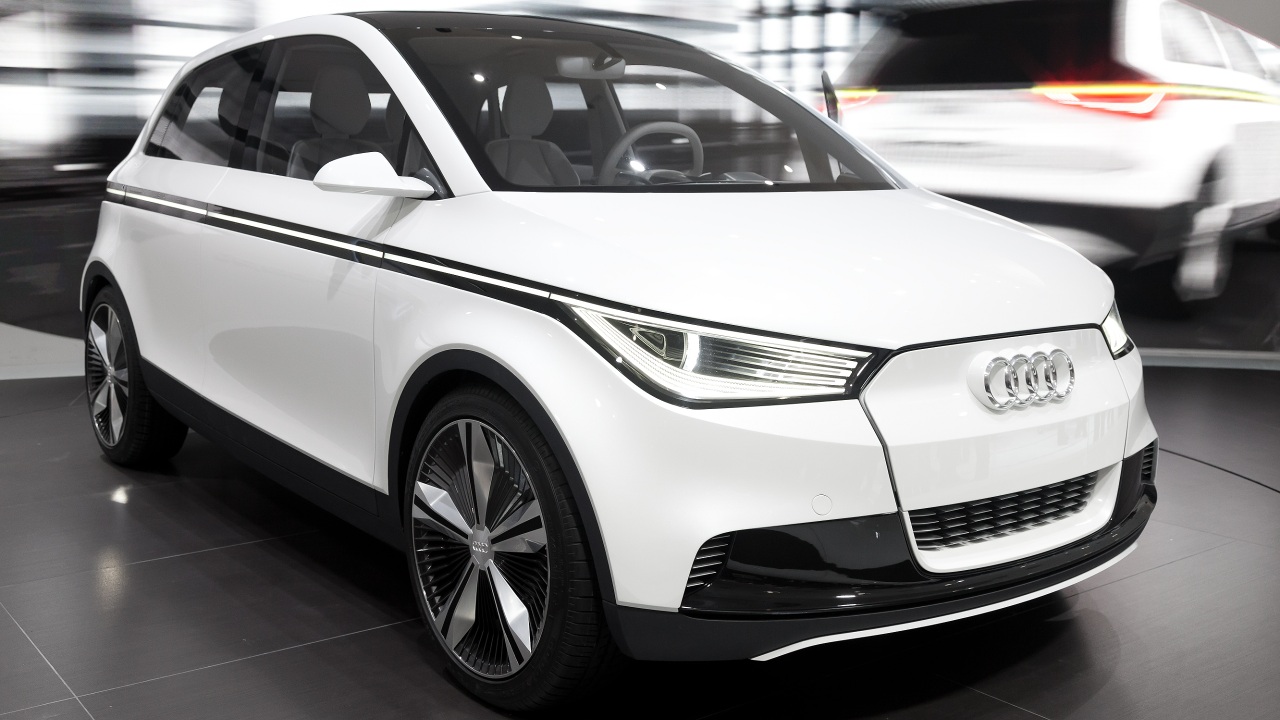
Audi is preparing to bring back one of its most distinctive badges, reimagining the A2 for a generation that expects electric power, digital sophistication, and practical versatility in a compact footprint. Instead of a simple nostalgia play, the company is using the A2 nameplate to signal a shift in how it approaches small cars, from packaging and pricing to platform strategy. The original A2’s reputation for efficiency and clever engineering is being translated into an electric era brief that targets younger drivers and urban households looking for a premium yet attainable EV.
Early details suggest the reborn A2 will sit at the intersection of hatchback, crossover, and compact MPV, reflecting how customer expectations have evolved since the early 2000s. It is also emerging as a key plank in Audi’s broader electric roadmap, alongside larger models such as the A6 e-tron and e-tron GT, which are already demonstrating the brand’s progress in range, charging, and performance. The result is a project that aims to reconnect with a cult classic while anchoring Audi’s future in the most hotly contested part of the EV market.
A classic name returns with a new electric mission
The decision to revive the A2 identity is rooted in the original car’s status as a forward-looking compact that was ahead of its time on efficiency and packaging. The first-generation A2, often described as an icon of the 2000s, built its reputation on lightweight construction and a focus on low energy use, qualities that translate naturally into an electric brief. Recent reporting describes the upcoming model as the Audi A2 e-tron, explicitly positioning it as an electric reinterpretation of that earlier concept and underlining that the name is being used to signal continuity of purpose rather than a simple badge recycle.
Several reports indicate that the new A2 will effectively serve as the electric successor to the current A3, with internal planning sometimes referred to as an “E3” project that evolves into a production A2 e-tron. That strategy allows Audi to consolidate its compact offerings around a single, fully electric architecture instead of maintaining parallel combustion and EV lines. The company has already tested the waters with a one-off A2 electromod that reworked the seminal 1990s supermini into an electric prototype, a move that both celebrated the original’s 25th anniversary and signaled how its packaging could adapt to a battery and motor layout. By using that heritage as a development test bed, Audi is effectively stress-testing the A2 formula for a new generation of drivers who see electric power as the default rather than a novelty.
Segment-bending design for urban and family life
Rather than simply recreating a small hatchback, Audi appears to be shaping the new A2 into a segment-blurring compact that borrows from hatch, SUV, and mini-MPV templates. Reporting on early development describes a “segment-bending” electric hatchback that aims to combine the maneuverability of a supermini with the upright stance and practicality that buyers now expect from crossovers. Other accounts describe the car as a compact SUV or “monovolume” concept, suggesting a tall, space-efficient silhouette that maximizes interior room within a modest footprint, a direct echo of the original A2’s clever use of vertical space.
This approach aligns with Audi’s broader testing of a new entry-level electric hatch that draws clear influence from the A2, indicating that the company sees this packaging style as a template rather than a one-off experiment. By pushing the wheels to the corners and using an architecture optimized for electric drivetrains, engineers can carve out a flat floor and generous headroom, which are particularly valuable for urban families and ride-sharing use. The result is likely to be a car that feels larger on the inside than its exterior dimensions suggest, a trait that made the first A2 stand out and that now resonates with city drivers who need to balance tight parking spaces with real-world usability.
Pricing, positioning, and the entry-level EV battle
The reborn A2 is also a strategic response to the pricing pressures in the compact premium segment, where younger buyers and first-time EV customers are especially sensitive to cost. Current small Audi models such as the A1 and Q2 start at £24,000, €28,000, $31,000 and £28,000, €32,500 respectively, figures that set a clear benchmark for what the brand considers an attainable entry point. Positioning the A2 e-tron near or slightly above those levels would allow Audi to offer a fully electric alternative without abandoning the pricing territory that has historically brought new customers into the brand.
At the same time, Audi is conscious that the A2 must justify any premium over mainstream electric hatchbacks by offering tangible benefits in refinement, technology, and perceived quality. The company’s recent work on larger EVs provides a template: the A6 e-tron, for example, is expected to deliver competitive range and efficiency, while the latest e-tron GT showcases how a new, larger battery can support rapid charging at up to 320 kW and maintain strong performance over long distances. Translating those learnings into a smaller, more affordable package is central to the A2 project, which needs to convince buyers that a compact Audi EV can feel every bit as considered as its larger siblings, even if the price tag is closer to that of an A1 or Q2.
Platform strategy and the road to 2027
Underpinning the A2 revival is a broader platform strategy that sees Audi consolidating its compact offerings on electric-only architectures. Reports on the next-generation A3 describe it evolving into an electric-only model that effectively becomes the A2 e-tron, a move that simplifies the lineup and signals a clear break from combustion in this size class. Other coverage points to a new compact model, potentially wearing the A2 e-tron name, that is scheduled for unveiling in late 2026, likely at a major autumn motor show, with market arrival expected around 2027. This timing places the car at the heart of Audi’s mid-decade EV rollout, alongside other new electric crossovers and sedans.
The company is also reshaping its small crossover strategy, with plans to reboot the Q2 name as part of a spiritual successor to the A2 that is due to arrive in 2027. That project is described as a subcompact luxury crossover aimed at American and global buyers who may not have known the original A2 but are familiar with the Q2 badge. By aligning the A2 e-tron and a renewed Q2 effort on related architectures, Audi can share components and software while tailoring body styles to different tastes, from European city hatchbacks to American-friendly crossovers. The result is a family of compact EVs that share a technical core but speak to distinct audiences, all while reinforcing the message that small does not have to mean compromised.
From efficiency experiment to EV brand pillar
The original A2 was often seen as an engineering experiment that arrived before the market was ready, prioritizing efficiency and lightweight construction at a time when fuel was relatively cheap and crossovers were only beginning to dominate. In the electric era, those priorities suddenly look prescient, and Audi is keen to recast the A2 story as a foundation for its modern EV identity. The one-off A2 electromod that reworked the seminal 1990s supermini into an electric prototype was more than a heritage exercise, it was a statement that the brand’s past experiments can inform its future products. By celebrating that car’s 25th anniversary with an electric reimagining, Audi effectively framed the A2 as a bridge between its combustion history and its battery-powered ambitions.
More from Fast Lane Only