Automotive history often celebrates the biggest sales successes and most famous performance cars, but many lesser-known models quietly shaped the future in meaningful ways. Through innovative engineering, clever packaging, or forward-thinking design, these forgotten road cars introduced ideas that later became standard throughout the industry.
Jensen FF
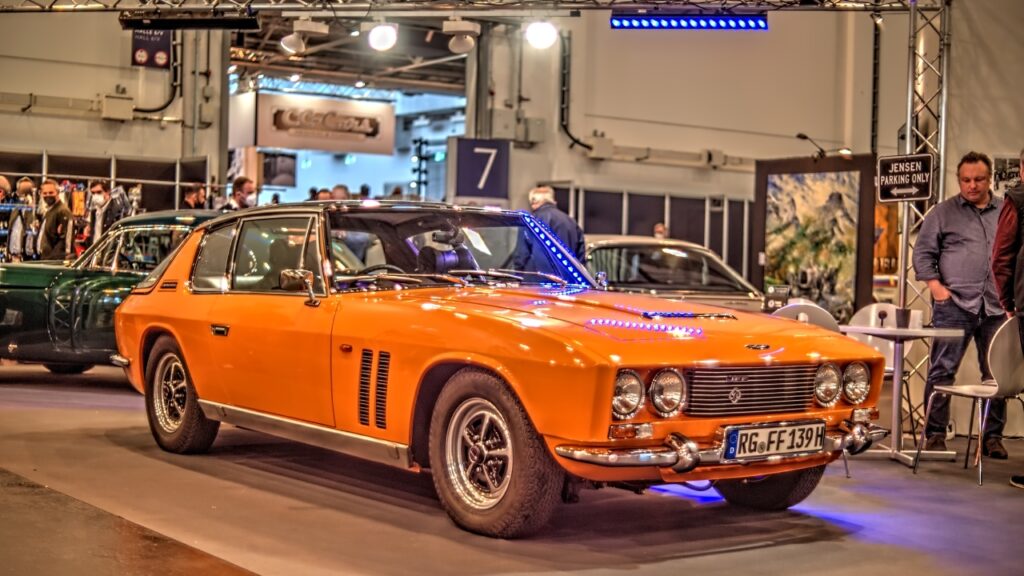
The Jensen FF became one of the world’s first production cars to combine all-wheel drive with anti-lock braking technology. Although built in limited numbers, it demonstrated how advanced drivetrains and safety systems could improve road performance. Many concepts first explored by the FF later became common in modern passenger cars.
NSU Ro 80
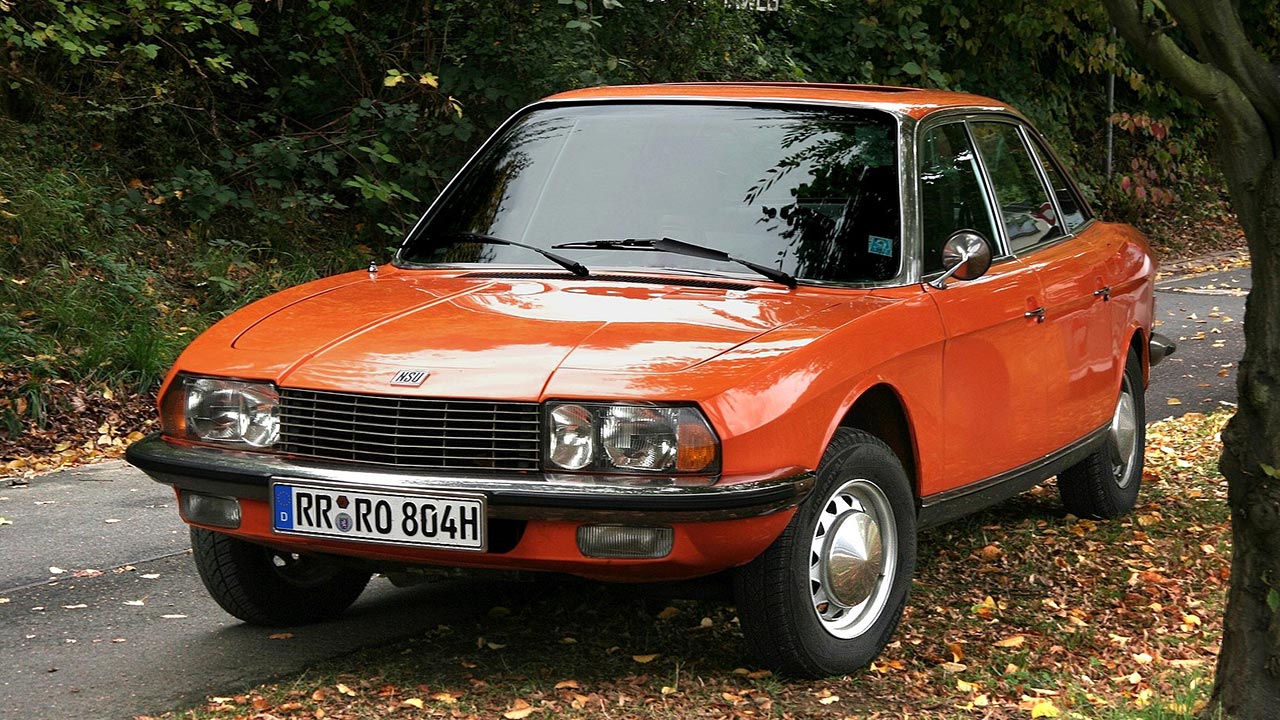
The NSU Ro 80 paired futuristic styling with a Wankel rotary engine and front-wheel drive, creating one of the most technically ambitious sedans of its time. While reliability concerns limited its commercial success, its aerodynamic design and engineering philosophy influenced later European automobile development.
Lancia Lambda
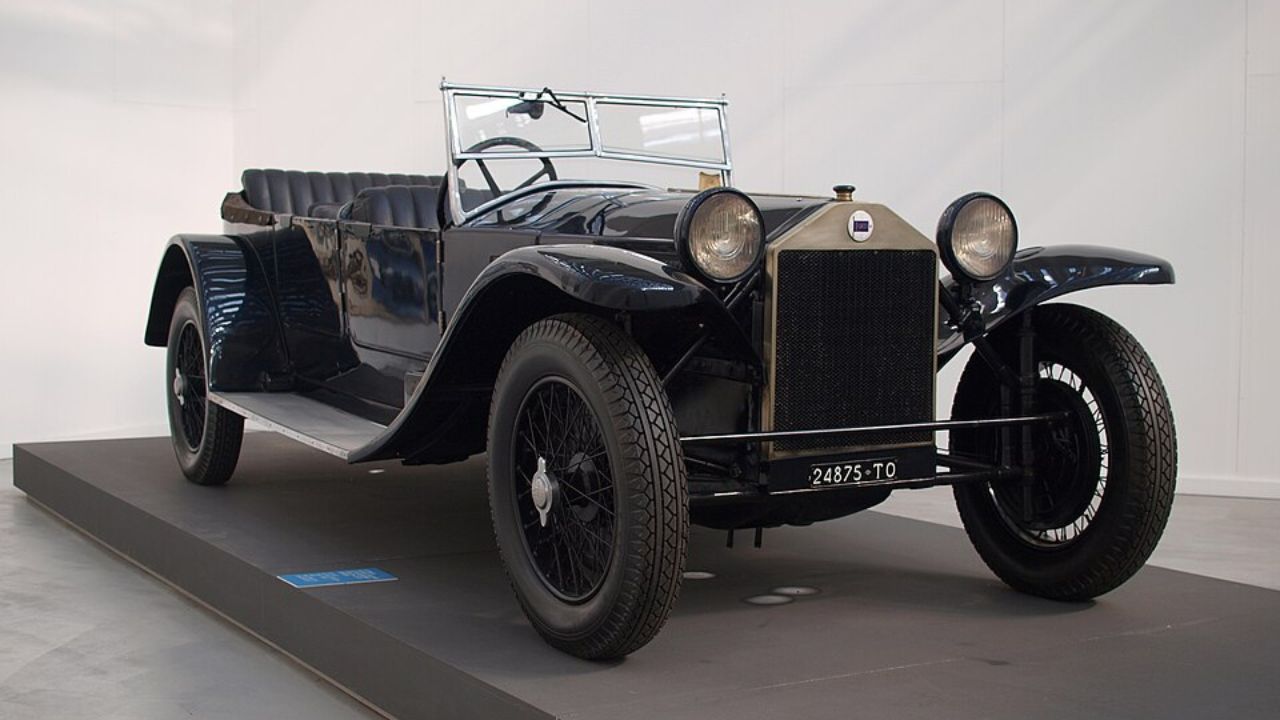
The Lancia Lambda pioneered unit-body construction and independent front suspension during the 1920s, introducing technologies that transformed vehicle engineering. Its lightweight structure improved handling and rigidity while reducing unnecessary weight. Although often overlooked today, the Lambda established principles that became standard across the automotive industry.
Rover P6
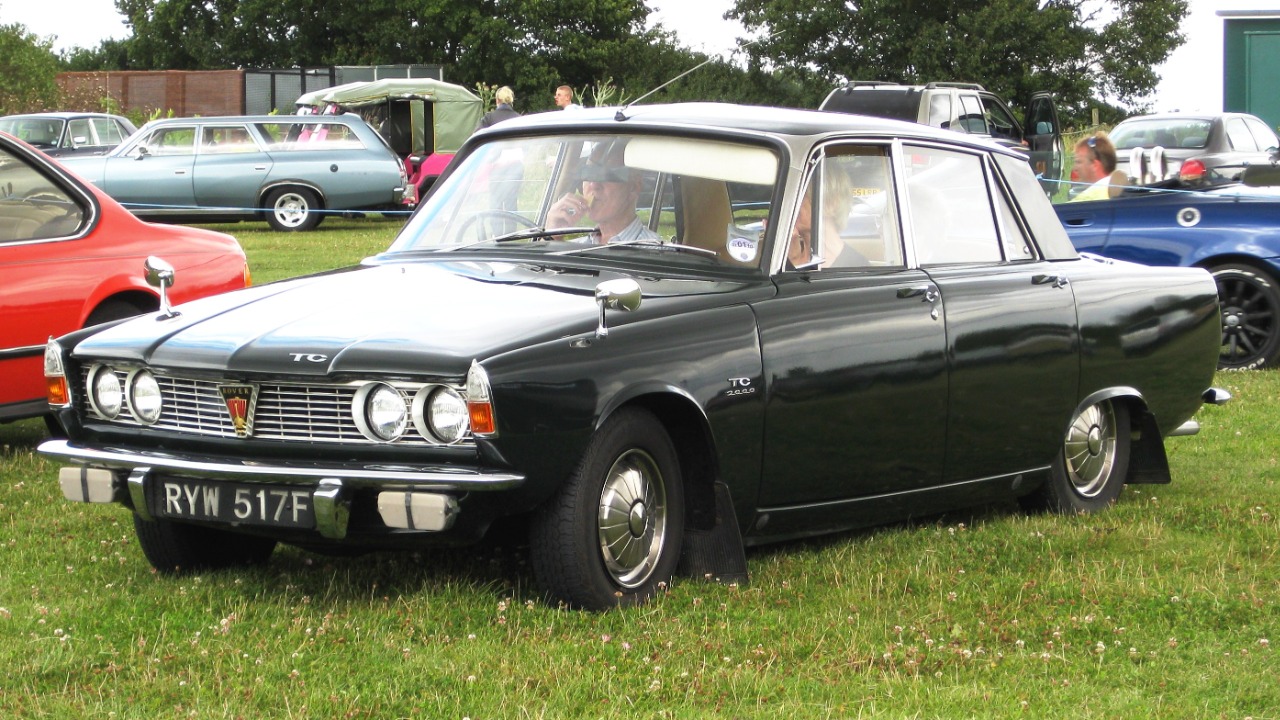
The Rover P6 introduced innovative structural engineering, advanced suspension design, and safety-focused construction in a refined executive sedan. Built with a modular body structure and carefully engineered crash protection, it demonstrated a forward-thinking approach to vehicle development. Many later luxury sedans adopted similar engineering priorities.
Saab 99

The Saab 99 quietly introduced practical innovations including improved occupant safety, efficient turbocharging development, and ergonomically designed controls. Built with durability and real-world usability in mind, it reflected Saab’s engineering-first philosophy. Its influence extended well beyond its production years through ideas later adopted by mainstream manufacturers.
AMC Eagle
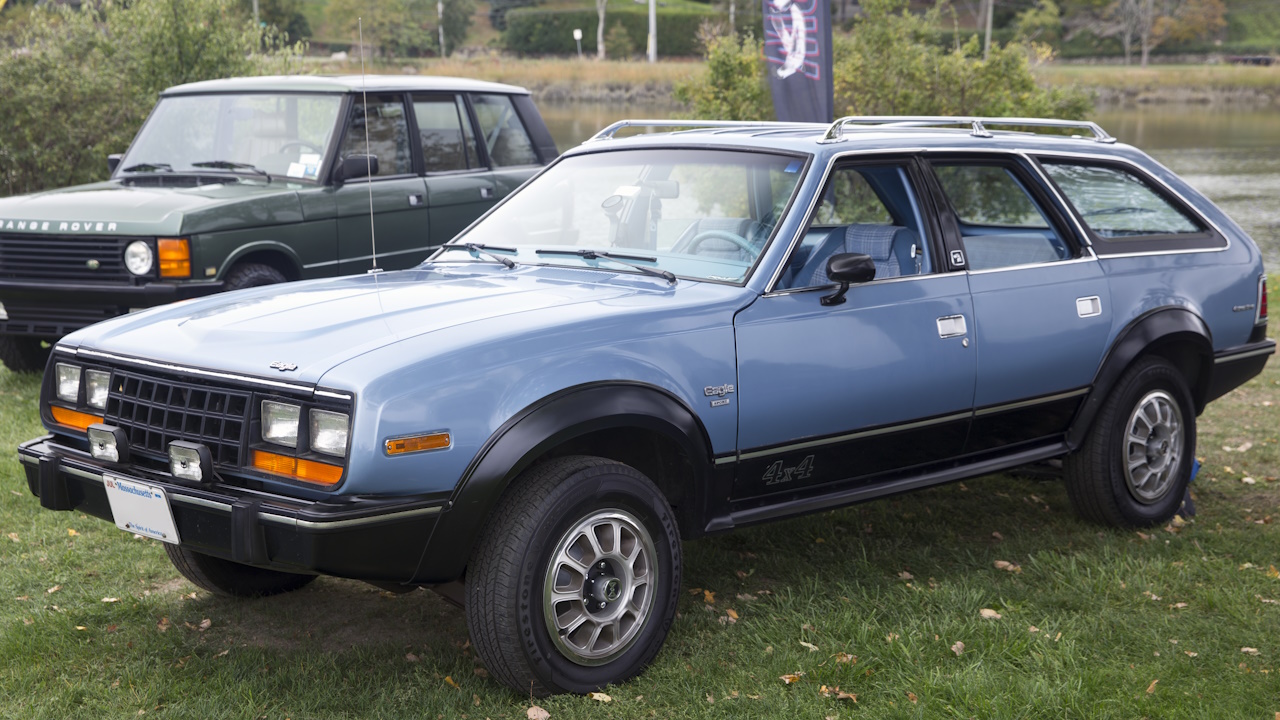
The AMC Eagle anticipated today’s crossover segment by combining passenger-car comfort with full-time four-wheel drive. At a time when SUVs remained specialized vehicles, it demonstrated that all-weather capability could be integrated into everyday transportation. Its concept became a blueprint followed by countless manufacturers decades later.
Citroën GS
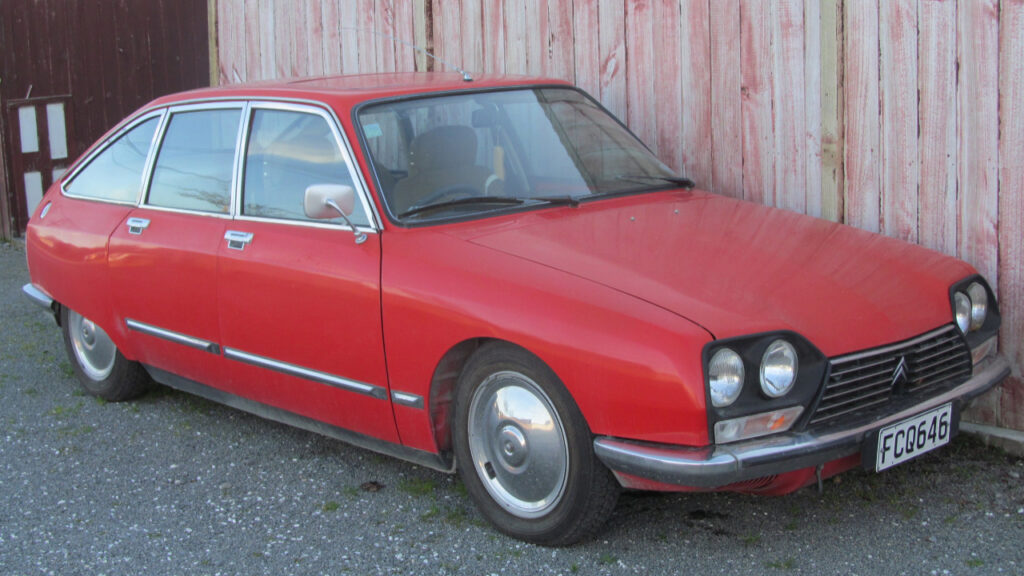
The Citroën GS brought aerodynamic styling, hydropneumatic suspension, and advanced engineering to the compact family car market. It delivered comfort and efficiency uncommon for its class while showcasing technologies typically reserved for premium vehicles. The GS demonstrated that innovation could thrive outside the luxury segment.
Subaru XT

The Subaru XT stood apart with its highly aerodynamic body, aircraft-inspired interior, and available all-wheel drive. Although its unconventional styling limited mainstream popularity, the XT showcased Subaru’s willingness to experiment with efficiency and driver-focused technology. Many of its design priorities foreshadowed trends that became increasingly important in later decades.
More from Fast Lane Only
- Unboxing the WWII Jeep in a Crate
- 15 rare Chevys collectors are quietly buying
- 10 underrated V8s still worth hunting down
- Police notice this before you even roll window down
*Research for this article included AI assistance, with all final content reviewed by human editors—