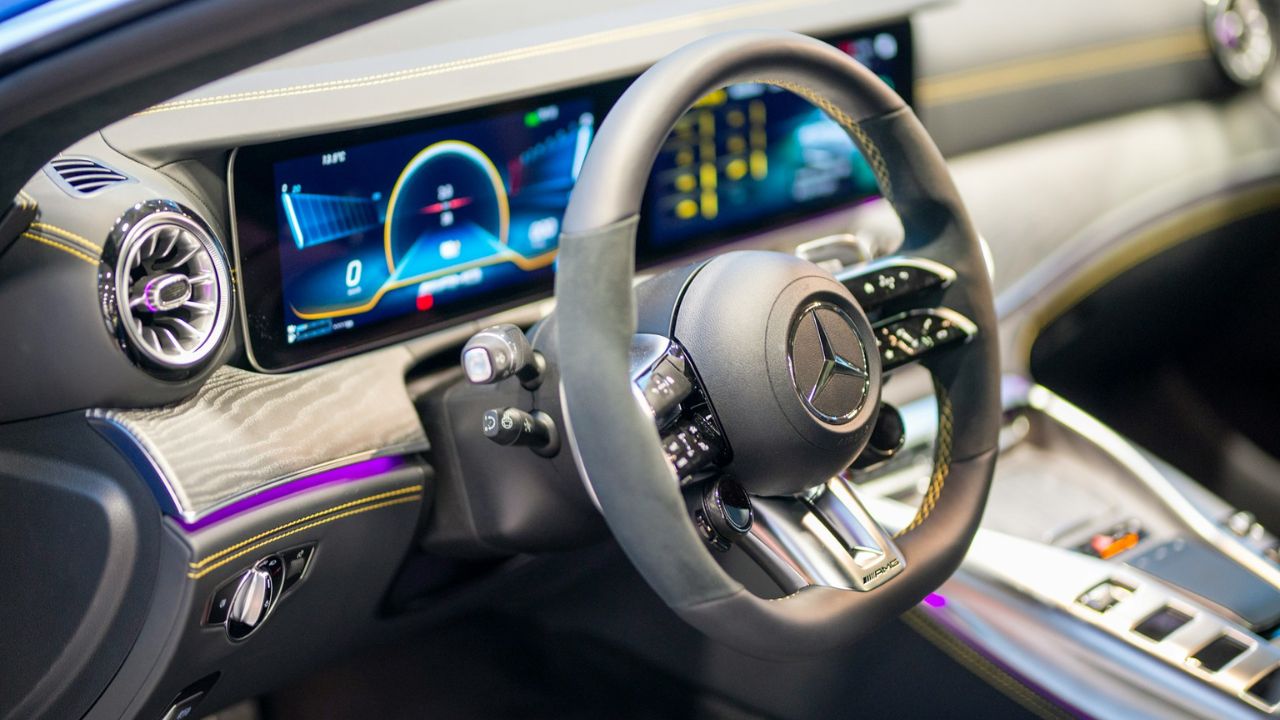
The evolution of automobile dashboards from traditional gauges to digital interfaces marks a significant shift in vehicle design and functionality. This transformation is driven by advancements in technology and the demand for more intuitive and interactive user experiences. As digital dashboards become increasingly prevalent, they offer a range of benefits and challenges for manufacturers and consumers alike.
The Evolution of Automobile Dashboards
Automobile dashboards have come a long way since the days of analog dials and mechanical gauges. In the early 20th century, car dashboards were simple, featuring basic instruments such as speedometers and fuel gauges. Over time, these evolved to include more complex features like tachometers and temperature gauges. The 1980s saw the introduction of the first electronic displays, which began the transition from purely mechanical systems to electronic interfaces.
Technological advancements have been a key driver in this evolution. The development of LCD and OLED screens has enabled the creation of more versatile and visually appealing dashboards. These screens offer high-resolution displays that can be customized to show a wide range of information, from navigation maps to vehicle diagnostics. As a result, manufacturers can design dashboards that are not only functional but also enhance the aesthetic appeal of the vehicle’s interior.
Consumer demand for digital interfaces is also reshaping design trends in the automotive industry. Today’s drivers expect their vehicles to offer the same level of connectivity and interactivity as their smartphones and other devices. This has led to an increased focus on creating dashboards that provide a seamless user experience, with intuitive controls and responsive displays. Automakers are responding by incorporating features such as touchscreens, digital assistants, and voice-activated controls into their dashboard designs.
Advantages of Digital Dashboards
One of the primary advantages of digital dashboards is the enhanced user experience they offer. Unlike traditional gauges, digital displays can be customized to suit individual preferences, allowing drivers to prioritize the information that is most important to them. Real-time information, such as traffic updates and weather conditions, can be displayed alongside essential vehicle data, providing a comprehensive overview of the driving environment.
Digital dashboards also improve vehicle diagnostics by leveraging advanced data analytics. Modern vehicles are equipped with a multitude of sensors that monitor various aspects of performance, from engine health to tire pressure. Digital dashboards can process this data in real time, alerting drivers to potential issues before they become serious problems. This proactive approach to vehicle maintenance can lead to increased longevity and reliability.
Another significant benefit of digital dashboards is their integration with smart technologies. Many modern vehicles offer connectivity with smartphones and IoT devices, allowing drivers to access a wide range of apps and services directly from the dashboard. For example, Apple CarPlay and Android Auto enable users to make calls, send messages, and stream music without taking their hands off the wheel. This integration enhances convenience and helps keep drivers focused on the road.
Challenges and Considerations
Despite their advantages, digital dashboards present certain challenges and considerations for manufacturers. One of the primary concerns is the production and development costs associated with these advanced systems. Designing and manufacturing digital dashboards require significant investment in research and technology. This financial burden can impact the pricing of vehicles, potentially making them less accessible to budget-conscious consumers.
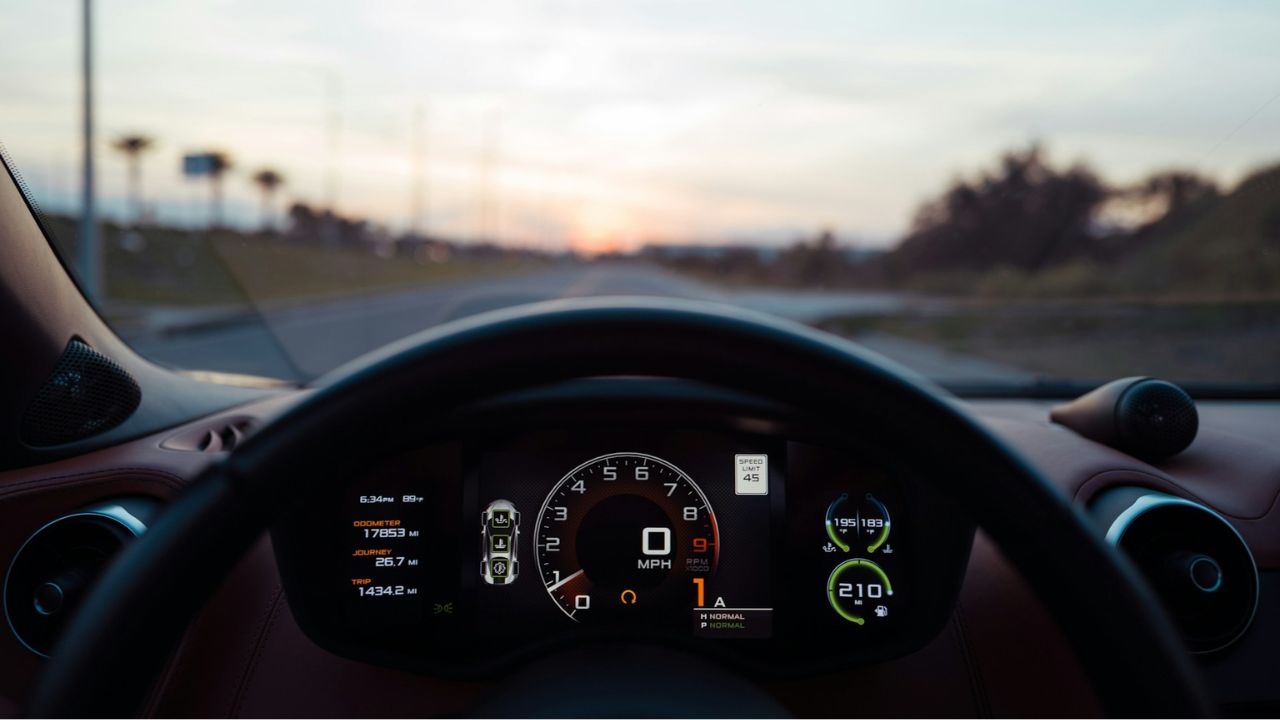
Reliability and durability are also critical considerations. Digital systems are inherently more complex than their analog counterparts, which can lead to potential failures or malfunctions. Manufacturers must ensure that these systems are robust and can withstand the rigors of everyday use. Additionally, they must address concerns about the longevity of electronic components and the availability of software updates to maintain functionality over the life of the vehicle.
User adaptation is another challenge that must be addressed. As digital dashboards become more prevalent, drivers need to be educated on how to use these new interfaces and features effectively. Automakers may need to invest in training programs or develop user-friendly manuals to help drivers make the most of their digital dashboards. Ensuring that all drivers, regardless of their technical proficiency, can operate these systems safely is paramount.
Impact on Driving and Safety
Digital dashboards have the potential to significantly impact driving and safety by offering improved safety features. Adaptive displays can provide drivers with critical information at a glance, enhancing their awareness of the road environment. For instance, head-up displays project vital data, such as speed and navigation directions, onto the windshield, allowing drivers to keep their eyes on the road while accessing necessary information.
However, the introduction of digital interfaces also raises concerns about distraction risks. With a plethora of information available at their fingertips, drivers may become overwhelmed or distracted by non-essential data. Automakers must strike a balance between delivering useful information and maintaining driver focus. Designing intuitive interfaces that prioritize essential information and minimize distractions is crucial to ensuring safety.
Regulatory considerations are also an important aspect of the transition to digital dashboards. Governments and industry bodies are developing standards to ensure that these systems comply with safety and technology requirements. As digital dashboards become more common, regulations will likely evolve to address emerging technologies and their impact on driver behavior and vehicle safety.
The Future of Automotive Interfaces
The future of automotive interfaces is poised to be shaped by emerging technologies such as augmented reality and voice-activated controls. Augmented reality can overlay digital information onto the real-world view, providing drivers with enhanced situational awareness. Voice-activated controls, powered by AI, offer a hands-free way to interact with vehicle systems, reducing the need for manual input and minimizing distractions.
AI is also playing an increasingly important role in predictive analytics and personalization. By analyzing driving patterns and preferences, AI-powered systems can anticipate driver needs and offer personalized recommendations, from route suggestions to climate control settings. This level of customization enhances the driving experience and tailors it to individual preferences.
Sustainability and energy efficiency are becoming critical considerations in the design of digital dashboards. As the automotive industry moves toward electric and hybrid vehicles, reducing energy consumption and environmental impact is a priority. Manufacturers are exploring ways to make digital dashboards more energy-efficient, using technologies such as low-power displays and energy-saving modes.
Like Fast Lane Only’s content? Be sure to follow us.
Here’s more from us:
*Created with AI assistance and editor review.