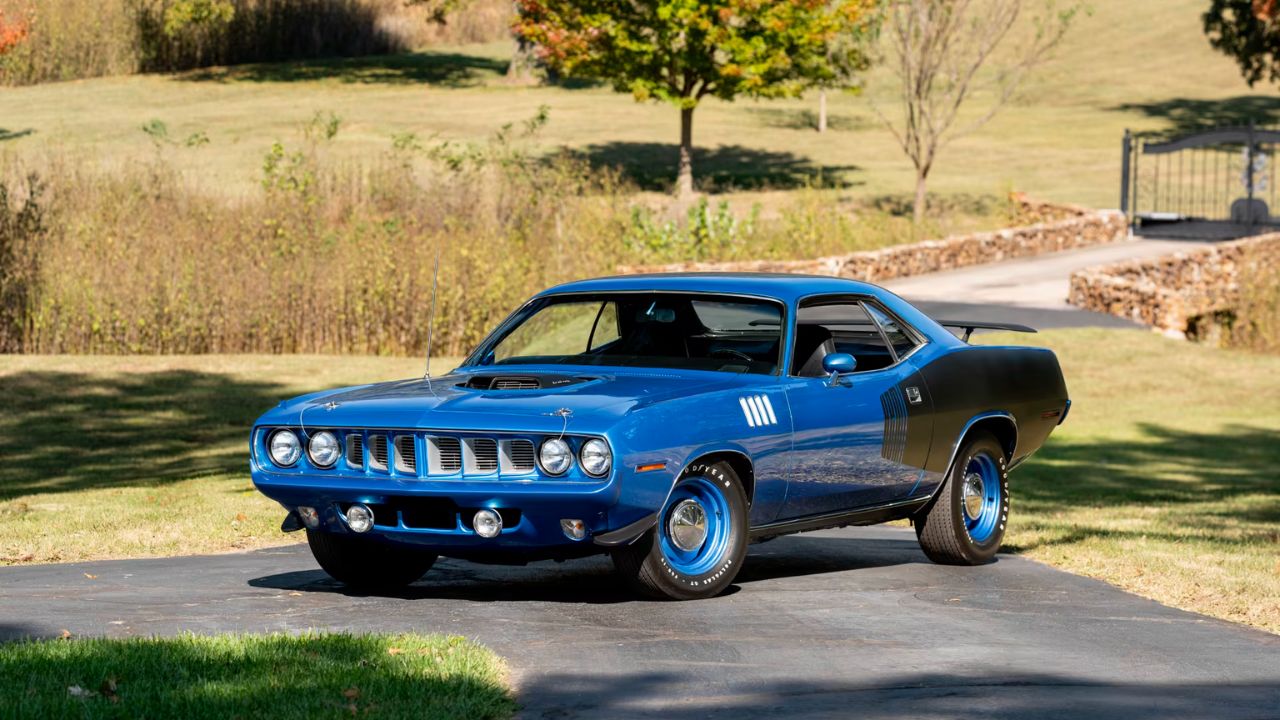
The muscle car heyday didn’t last long—just a few years of raw power, loud engines, and street dominance before the ’70s hit with a wave of new rules, rising insurance costs, and a shifting market. Many iconic models that once ruled roads and drag strips suddenly vanished, leaving behind a handful of legends and a lot of forgotten iron. This wasn’t just about muscle cars losing their roar—it was a reshaping of an era. Let’s look back at ten muscle cars that were cut from the lineup too soon but still left their mark on the scene.
1970 Plymouth Hemi ’Cuda
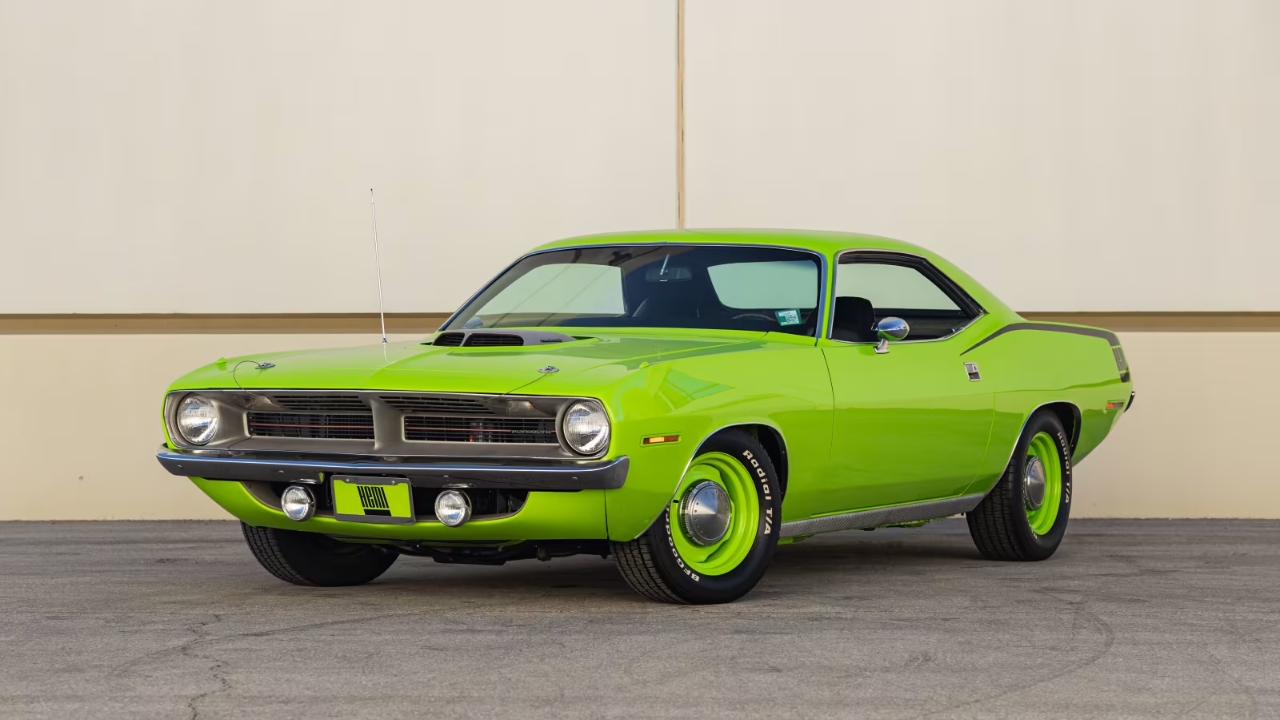
The ’70 Hemi ’Cuda was a beast built for straight-line speed, packing Chrysler’s legendary 426 HEMI V8 with 425 horsepower and 490 lb-ft of torque. This engine wasn’t just about numbers—it was the kind of power that made quarter-mile times drop into the low 13s, which was serious for the era. Plymouth paired it with heavy-duty suspensions and a functional shaker hood scoop, making it a menace at the drag strip and a street car that demanded respect.
Despite its ferocity, the ’Cuda’s production numbers were limited, making it rare today. It came at a time when insurance rates were climbing and emissions were tightening, foreshadowing the end of muscle car dominance. Still, the ’70 Hemi ’Cuda remains a symbol of muscle’s last real gasp before the ’70s put the brakes on performance.
1970 Dodge Challenger R/T SE

The Dodge Challenger burst onto the scene in 1970 as Chrysler’s answer to the Mustang and Camaro, but it quickly made its mark with big-block engines like the 426 HEMI and the 440 Six-Pack. The R/T SE model wasn’t just about looks—it delivered upwards of 425 horsepower, with a torque-heavy 440 cubic inch V8 that tore through the streets. Mopar enthusiasts loved the available 4-speed manual that kept the car connected to its brute power.
Its style was unapologetically aggressive, with bold graphics and optional racing stripes, helping it carve a niche among muscle buyers. Unfortunately, just a few years later, tightening regulations and fuel crises made this kind of firepower unsustainable, and the Challenger’s muscle heyday was cut short.
1970 Buick GSX
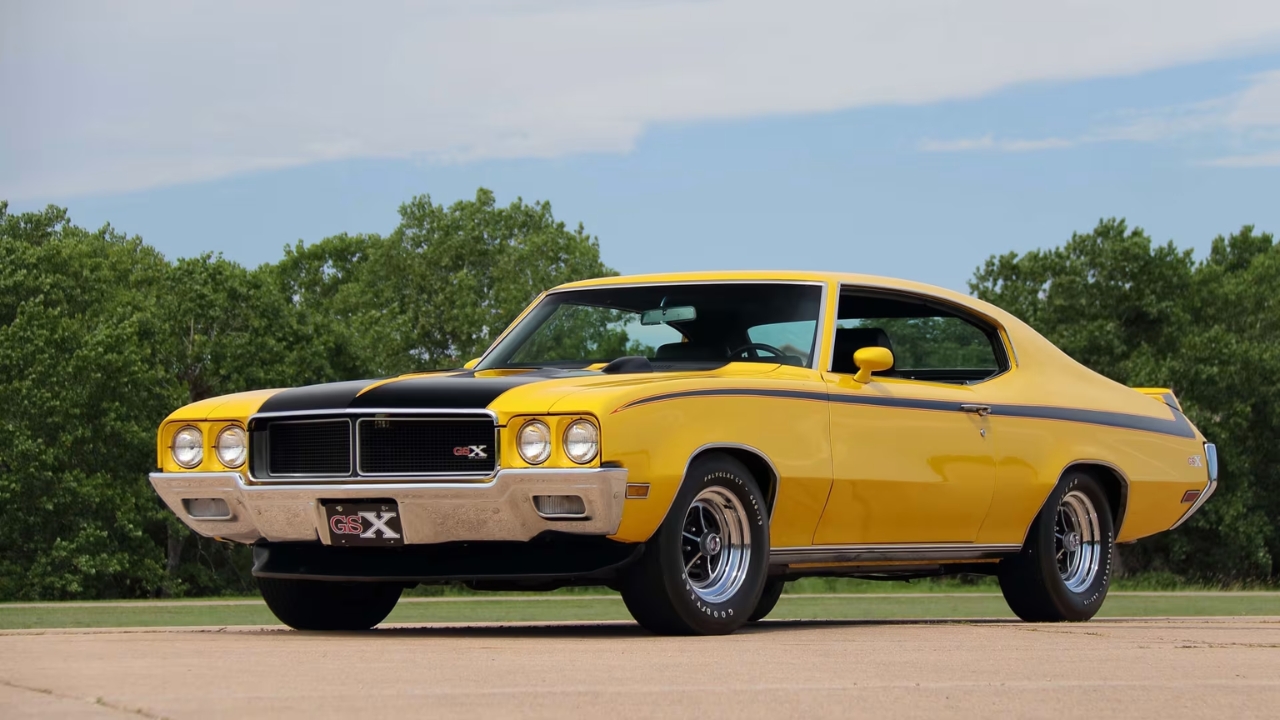
Buick’s GSX wasn’t your typical muscle car—it leaned more into balance but still rocked a 455 cubic inch V8 with 360 horsepower and 510 lb-ft of torque. That torque made it feel bigger than it looked, and the car could sprint to 60 mph in just over six seconds, respectable for a big, luxury-leaning coupe. Buick’s GSX included performance upgrades like heavy-duty suspension and a track-tuned limited-slip differential.
The GSX showed muscle cars didn’t need to be loud to be serious. It was a sleeper in a sea of flashier machines, but that combination of power and composure made it a favorite among those who wanted performance with a bit of subtlety. The oil crisis and emission laws soon put an end to its run, making it one of the muscle world’s lost chapters.
1970 Plymouth Road Runner Superbird
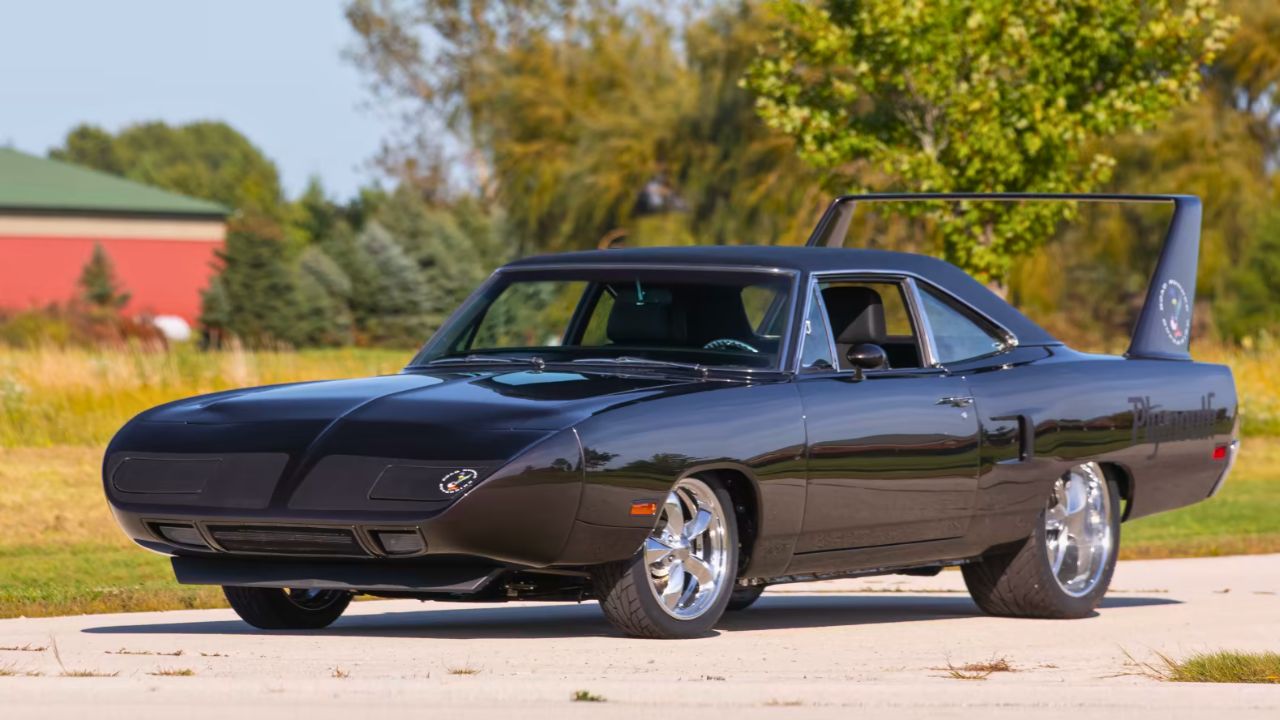
The Superbird was Plymouth’s wild attempt to dominate NASCAR, sporting a massive aerodynamic nose cone and a towering rear wing. Beneath the flashy bodywork was the 426 HEMI engine, still pushing 425 horsepower, designed for speed on the track and the strip. Though only 1,935 were made, the Superbird quickly became an icon thanks to its radical looks and race-bred performance.
While it was made for racing, the Superbird was street legal, making it a rare piece of NASCAR history for everyday drivers. But as racing rules and market demands shifted in the early ’70s, the era of these winged wonders came to a close, sealing the Superbird’s place as a fleeting legend.
1970 AMC Rebel “The Machine”
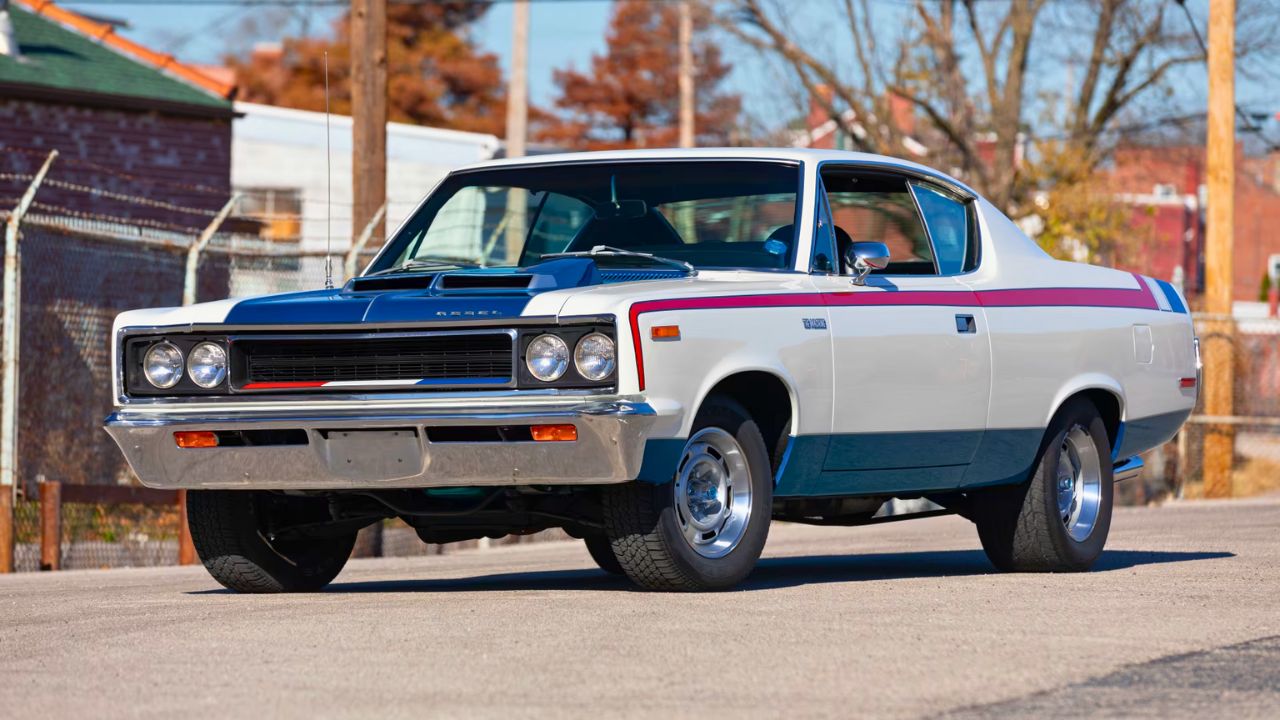
AMC’s “The Machine” took muscle car rules and flipped them a bit. It packed a 390 cubic inch V8 pushing 340 horsepower and 430 lb-ft of torque, offering solid performance without the big-block bloat of competitors. The car was quick and handled well, with a performance suspension and aggressive styling that stood out, especially with those bold stripes and hood scoop.
Though AMC was a smaller player in the muscle game, the Machine’s no-nonsense approach earned it a niche following. It was a last hurrah for AMC’s muscle efforts before the ’70s crackdowns and changing tastes essentially ended their muscle program.
1970 Ford Torino Cobra
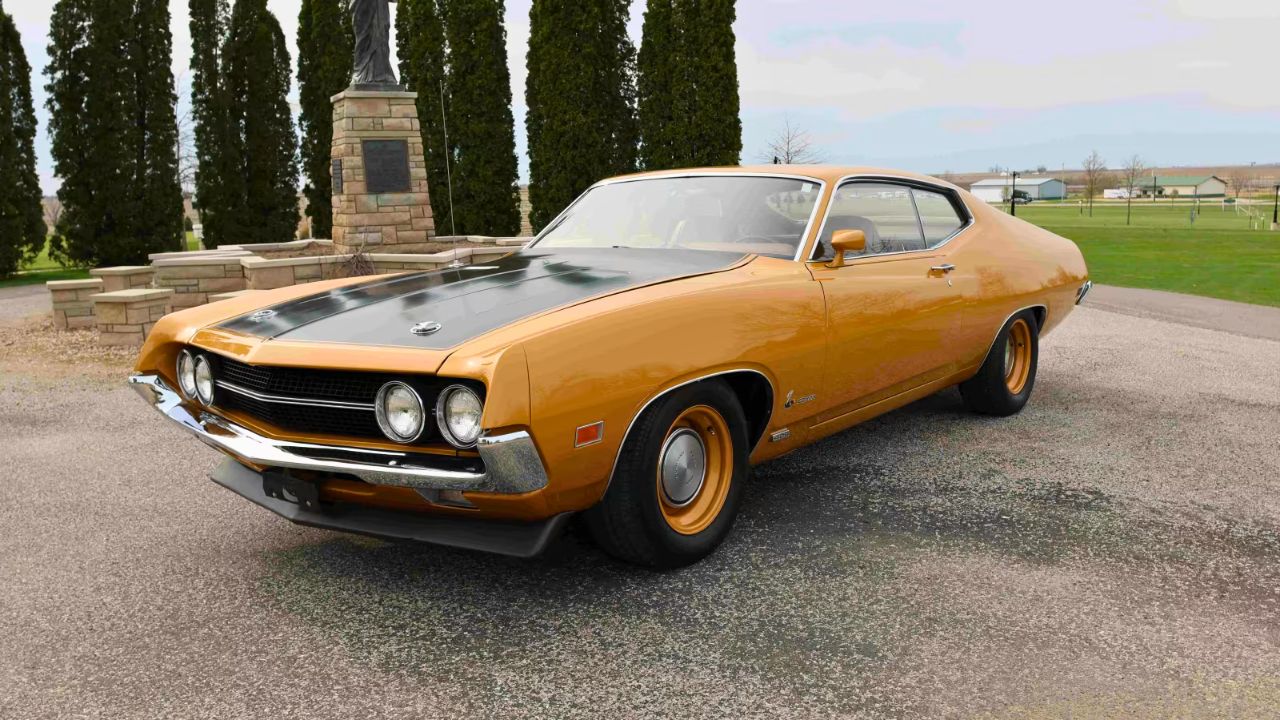
Ford’s Torino Cobra carried a 429 cubic inch Cobra Jet V8 engine rated at 370 horsepower, delivering strong acceleration and solid torque. The big Torino platform combined with this powerful engine made it a muscle car that could also hold its own on longer cruises or around town. Ford’s dual exhausts and aggressive styling gave the Cobra an intimidating presence on the street.
Though the Torino Cobra wasn’t produced in huge numbers, it had a dedicated following thanks to its performance and relative affordability. The ’70 model year marked one of the last times Ford could get away with such high-performance street cars before insurance and regulations tightened the noose.
1970 Chevrolet Chevelle SS 454 LS6

The Chevelle SS 454 LS6 is one of muscle car history’s last true beasts, packing a 454 cubic inch V8 rated at a staggering 450 horsepower and 500 lb-ft of torque. Its reputation for raw power made it a drag strip favorite, with zero to 60 times that could embarrass many sports cars of its era. Chevrolet built it with heavy-duty components to handle the abuse.
Despite the muscle car’s peak, 1970 was also the beginning of the end. That same year marked the peak horsepower before the horsepower wars cooled down due to regulations. The Chevelle SS 454 LS6 remains a benchmark of late-era muscle car bravado.
1970 Oldsmobile 442 W-30
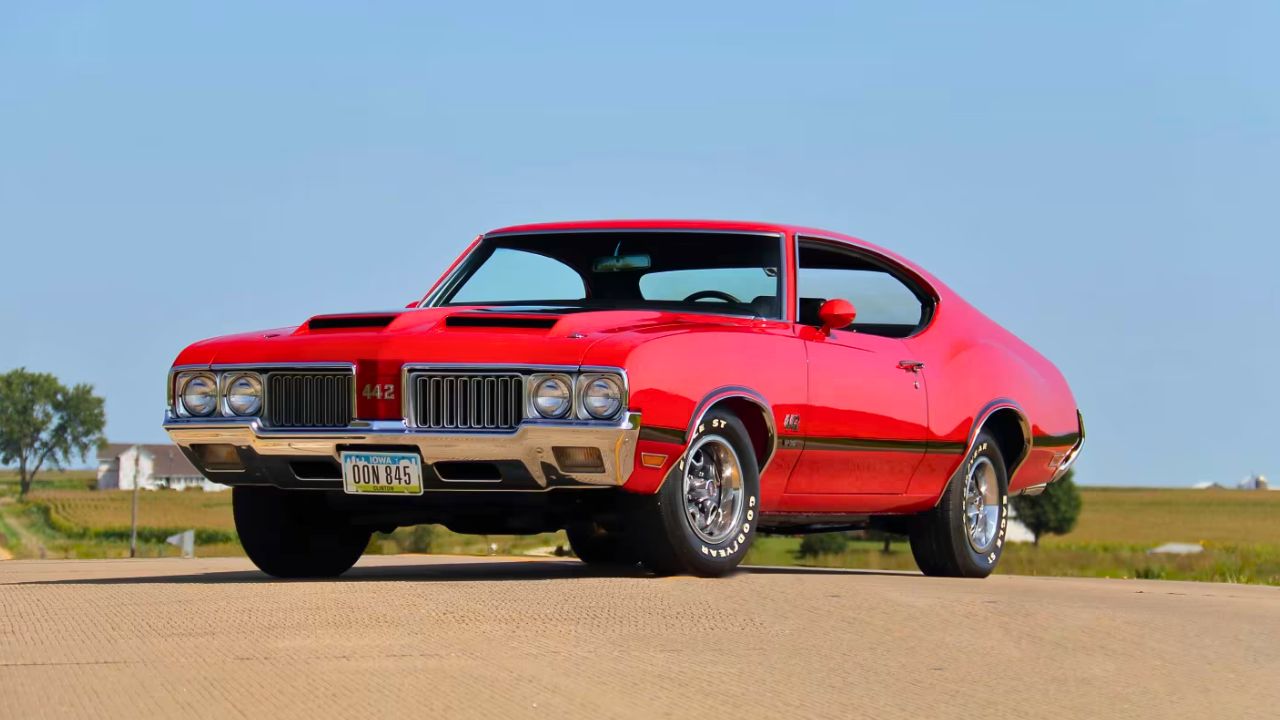
Oldsmobile’s 442 W-30 package boosted the standard 400 cubic inch V8 with high-performance cams and heads, raising output to around 370 horsepower and 445 lb-ft of torque. It was more than just power — improved suspension and brakes made the car handle better than many muscle peers, offering a balanced mix of speed and control.
The 442 had a loyal following but got caught in the ’70s muscle car squeeze. Its combination of performance and comfort made it stand apart, yet the tightening regulations and rising insurance costs meant it would soon disappear from production, making the W-30 a sought-after classic today.
1970 Pontiac GTO Judge
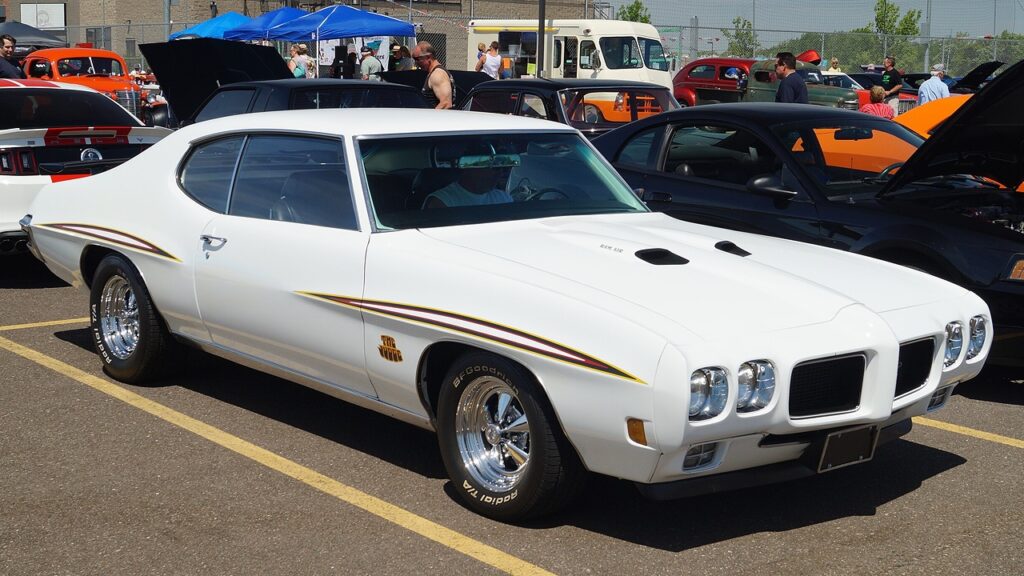
The GTO Judge was Pontiac’s colorful, high-performance variant of the GTO, with the Ram Air III 400 V8 delivering 366 horsepower. What really set the Judge apart was its aggressive styling—bold graphics, a functional hood scoop, and a name that made it clear this wasn’t just a cruiser. Its suspension upgrades helped it stay planted, even with the power under the hood.
Despite its popularity, 1970 was a tough time for muscle cars. The Judge represented muscle’s peak personality before new laws clipped its wings. It remains one of the most visually recognizable muscle cars and a reminder of that era’s edge.
1970 Dodge Charger R/T
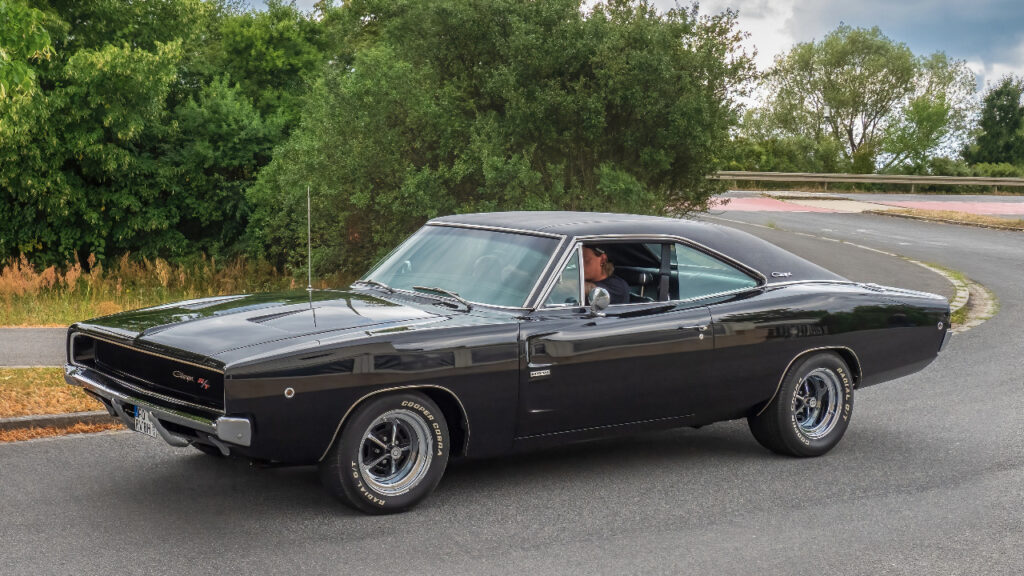
The 1970 Charger R/T was a blend of power and style with a 440 cubic inch Magnum V8 putting out 375 horsepower. With a beefy torque rating of 480 lb-ft, it had the grunt for serious acceleration. The Charger’s fastback design and hidden headlights gave it a menacing look that matched its performance.
Its reputation was cemented in popular culture but behind that was a serious machine capable of handling high speeds comfortably. Like many muscle cars, the ’70 Charger marked the end of muscle’s heyday, as regulations and fuel economy demands took muscle cars off the road and into history books.
Like what you read? Here’s more by us:
*Created with AI assistance and editor review.