Whether you carry daily or just transport your firearm occasionally, storing a gun in your car isn’t something to take lightly. It’s not just about convenience—it’s about security, legality, and personal responsibility. A poorly stored firearm can lead to theft, misuse, or worse, legal consequences you didn’t see coming.
This article breaks down ten practical, real-world facts about storing firearms in your vehicle the right way. No fluff, no shortcuts—just solid advice for gun owners who understand that responsibility doesn’t stop when the engine’s off.
Always Check Your State’s Storage Laws

Before you mount a lockbox or tuck a firearm under the seat, take a close look at your local laws. Some states require the gun to be unloaded. Others mandate locked containers or specify exactly where the firearm can be stored.
What’s legal in Texas might get you in serious trouble in New York. If you cross state lines often, understand how reciprocity works—and where it doesn’t. Don’t assume “locked and loaded” is always allowed. When in doubt, secure it and separate it.
Use a Vehicle-Specific Gun Safe
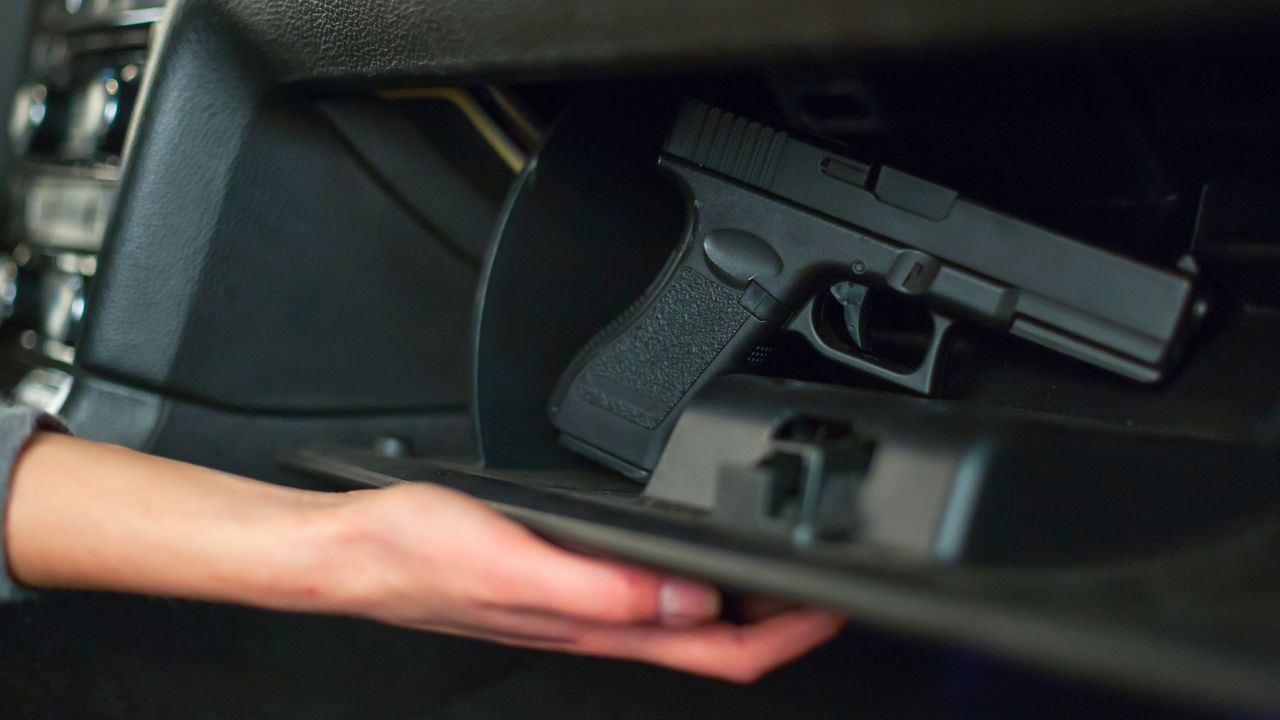
There are countless vehicle gun safes on the market, but not all are created equal. A safe designed for your make and model fits better, stays hidden, and is harder to steal. Think under-seat lockboxes, center console vaults, or glovebox-mounted options.
A good safe should bolt down or anchor with a high-strength cable. Look for thick-gauge steel, reinforced latches, and a keyed or biometric lock. Remember: this is about securing your firearm and preventing unauthorized access. Cheap plastic boxes don’t cut it.
Never Store a Gun in Plain Sight
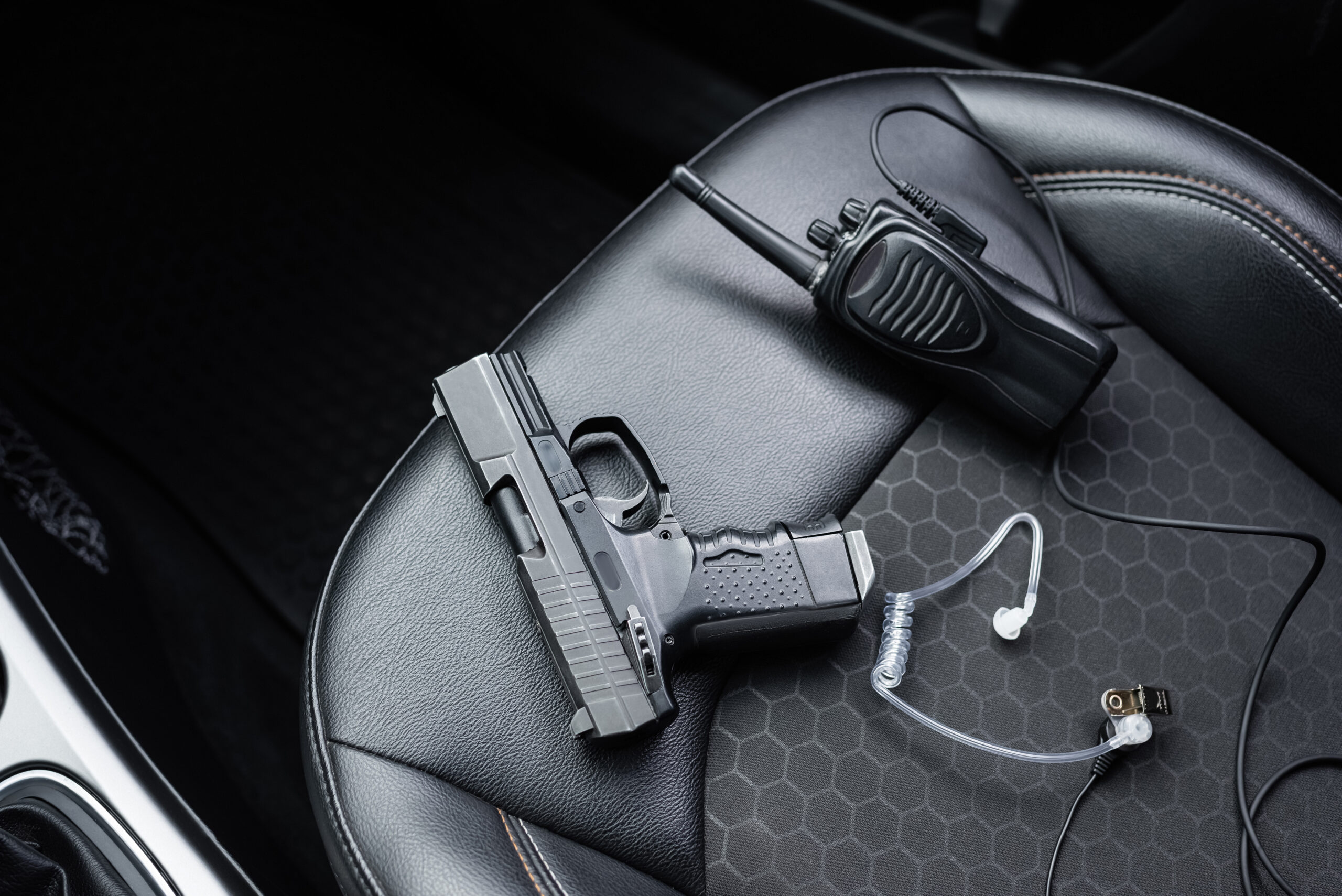
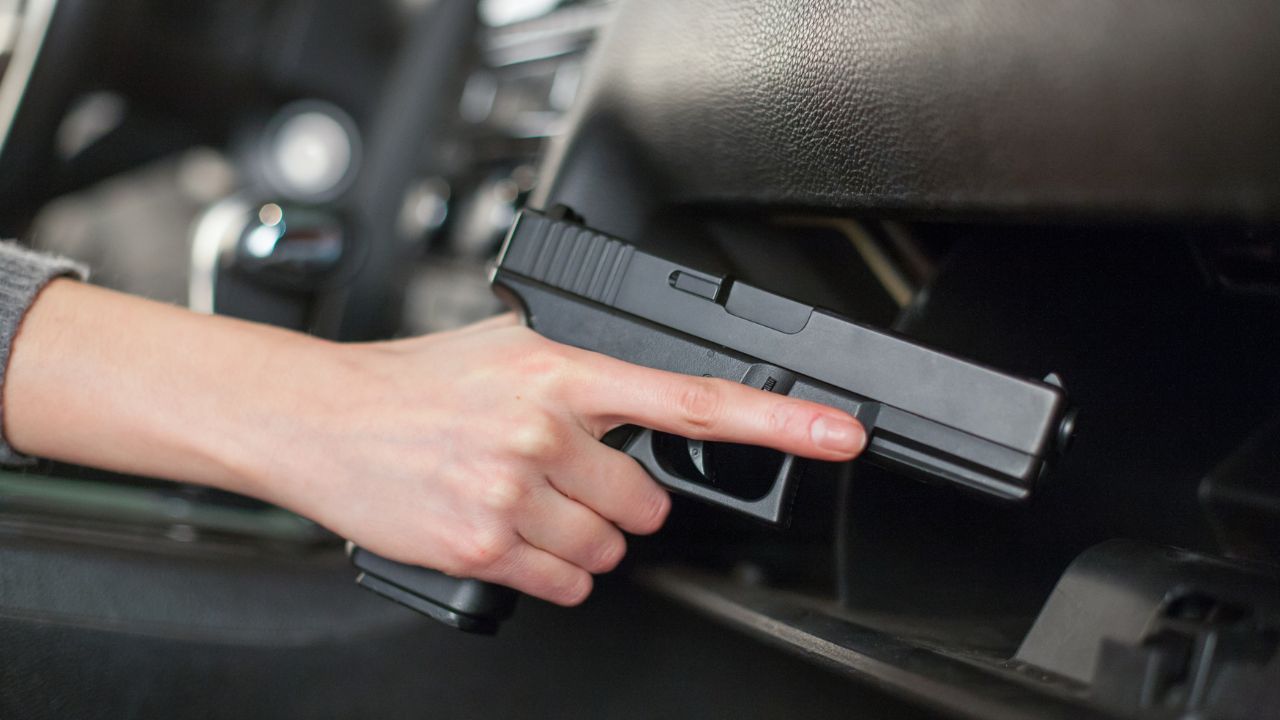
This should go without saying, but it still happens all the time. Leaving a pistol in the cupholder, door pocket, or sliding it under the seat isn’t secure. It’s an invitation for smash-and-grab theft—and it could land you in legal trouble if someone else gains access.
If you have to leave your firearm in the vehicle, it should be out of sight, locked up, and immobile. Even something as simple as a shirt over a gun on the seat doesn’t count as concealment. That’s just being careless.
Avoid Leaving Your Firearm Overnight
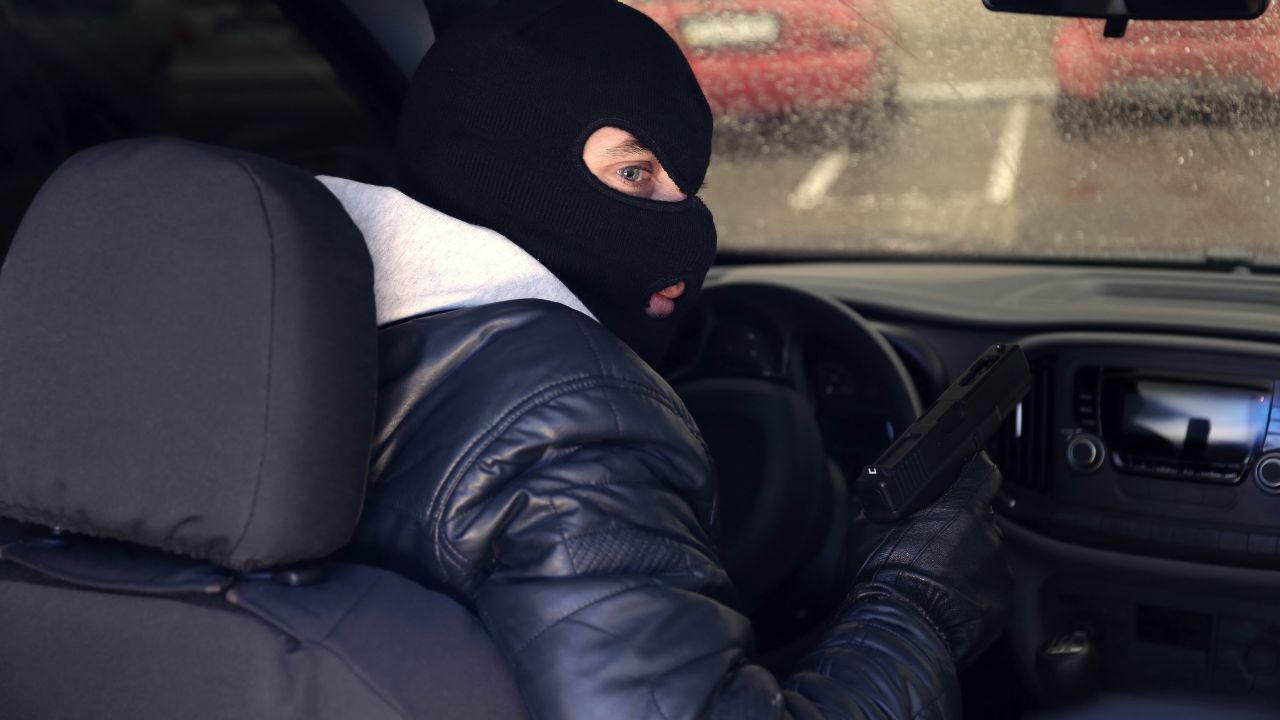
Even if you’re parked in your own driveway, leaving a gun in the car overnight is a bad habit. Vehicle break-ins often happen late at night, and guns are high on a thief’s list. It’s also a liability nightmare if that firearm is later used in a crime.
Make it part of your daily routine: when the gun’s not with you, it should be secured indoors in your home safe. The longer it sits outside unattended, the greater the risk—not just of loss, but of unintended consequences.
Keep Ammo Stored Responsibly, Too
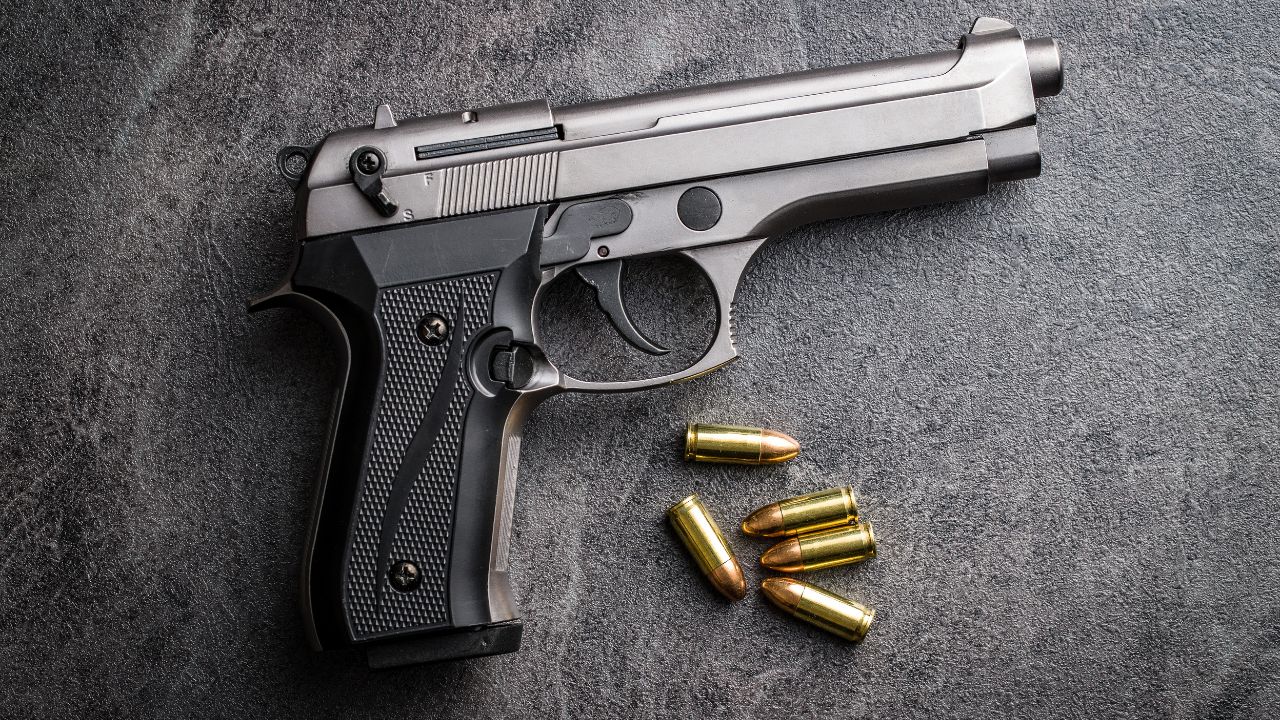
Some jurisdictions require ammo to be stored separately from the firearm when it’s in a vehicle. Even if that’s not the law in your state, it’s worth considering. If you’re not carrying the gun for immediate access, separating the two is an added safety layer.
Store magazines in a separate locked container or a secure ammo pouch. Just like with the firearm, don’t leave loose rounds rattling around in the glovebox or console. Secure ammo storage shows you’re thinking two steps ahead—not just about legality, but safety.
Long Guns Need Real Mounting Solutions
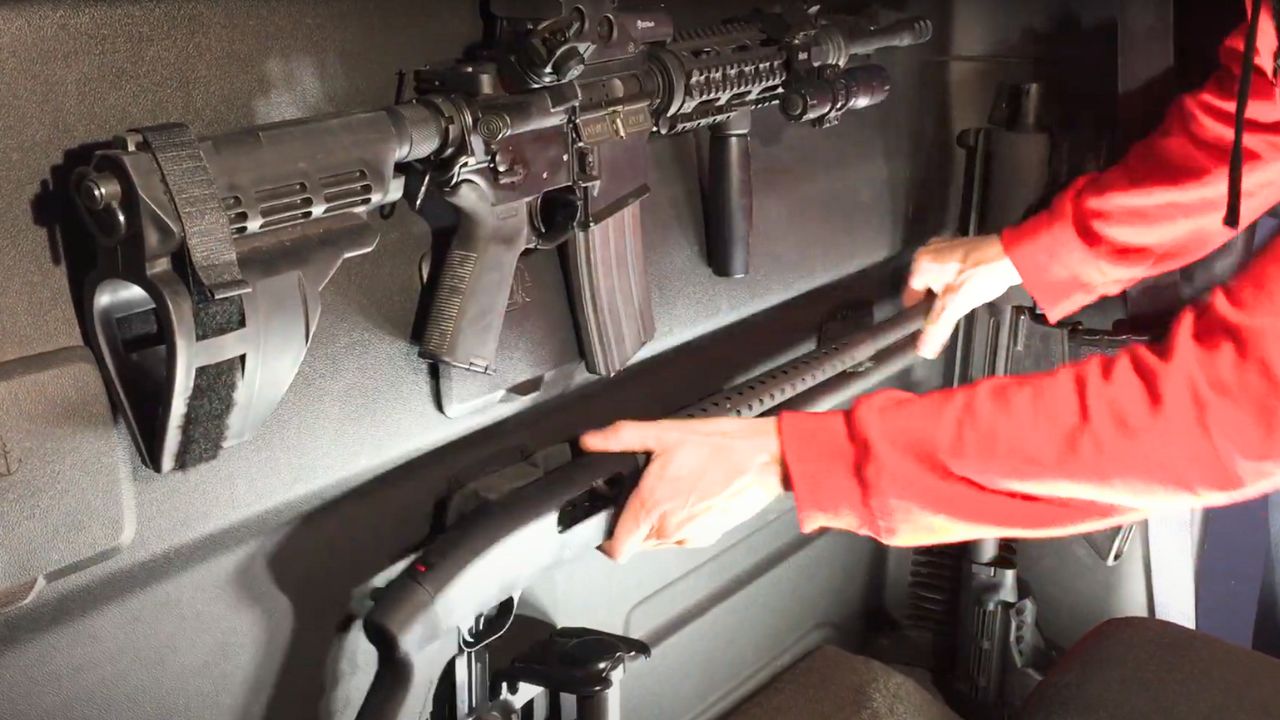
If you’re storing a rifle or shotgun in your truck, it needs to be properly mounted. Just laying it across the back seat or tossing it in the bed under a tarp doesn’t cut it. A sudden stop or quick turn can send it sliding—and you never want a firearm bouncing around.
Use a purpose-built locking rack or hard case. Whether it’s vertical behind the seat or horizontal under it, make sure it’s padded, secure, and legal in your area. Hunters, ranchers, and security professionals should all treat vehicle-based long gun storage seriously.
Quick-Access Isn’t a Substitute for Secure
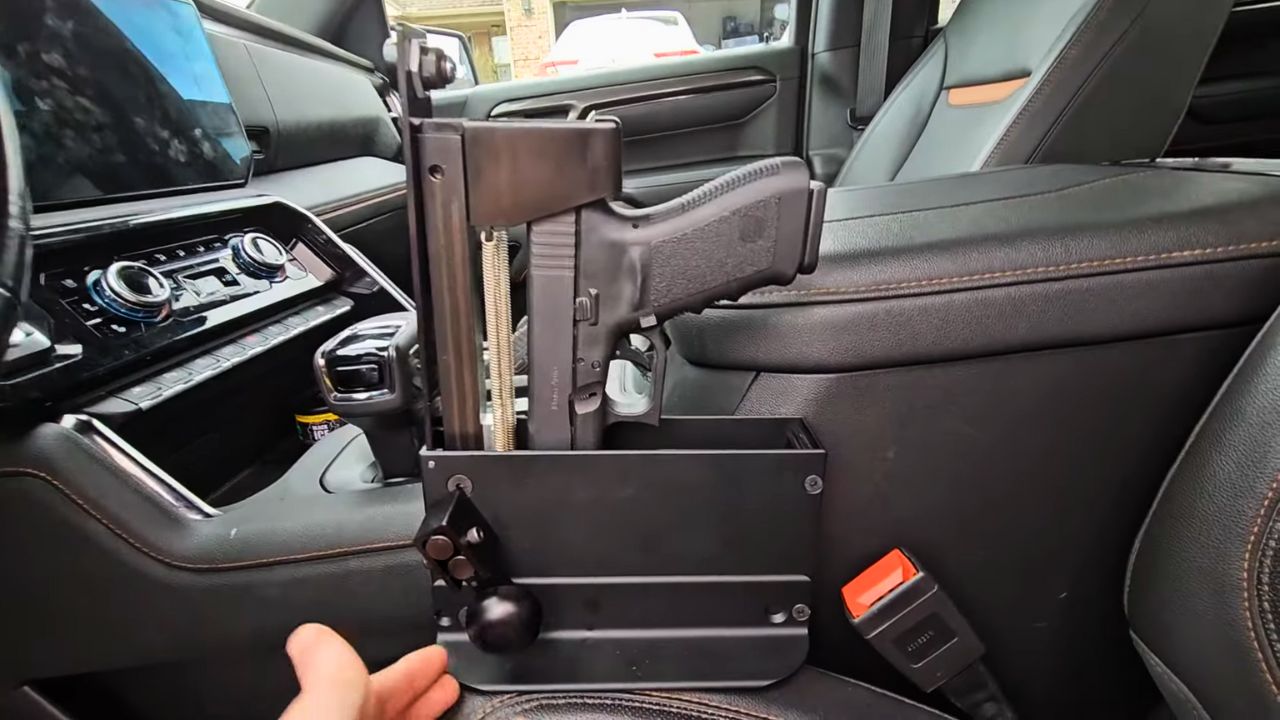
Console holsters and magnetic mounts can be tempting if you’re carrying daily. But convenience doesn’t excuse poor storage. If you’re stepping out of the car—even just to pay for gas—you still need to lock the firearm up or take it with you.
A good solution is a quick-access safe designed for car use. These allow you to secure the firearm in seconds when you exit the vehicle, without compromising speed when you’re inside. Convenience is fine—just don’t let it replace common sense.
Don’t Rely on Window Tint or Hidden Spots

Some people think window tint is enough to keep a firearm out of sight. It’s not. A flashlight and a few seconds are all it takes for a thief to scan your vehicle. And hiding a gun under the floor mat, in a door panel, or stuffed in a boot pocket? That’s not security.
If you’re not willing to lock it up properly, don’t leave it in the car. Thieves know where people hide things. If it’s not locked and fixed in place, it’s fair game—and now it’s your responsibility to answer for it.
Protect Against Heat, Humidity, and Corrosion

Cars can become saunas in summer and freezers in winter. Firearms are precision machines, and they don’t love extreme conditions. Over time, moisture and temperature swings can affect lubricants, damage optics, and cause corrosion in hard-to-reach spots.
Use a small desiccant pouch inside your safe or storage case. Wipe the gun down regularly, and don’t leave loaded mags exposed to heat. Treat it like you would a high-end tool—because that’s exactly what it is.
Have Your Serial Number Recorded
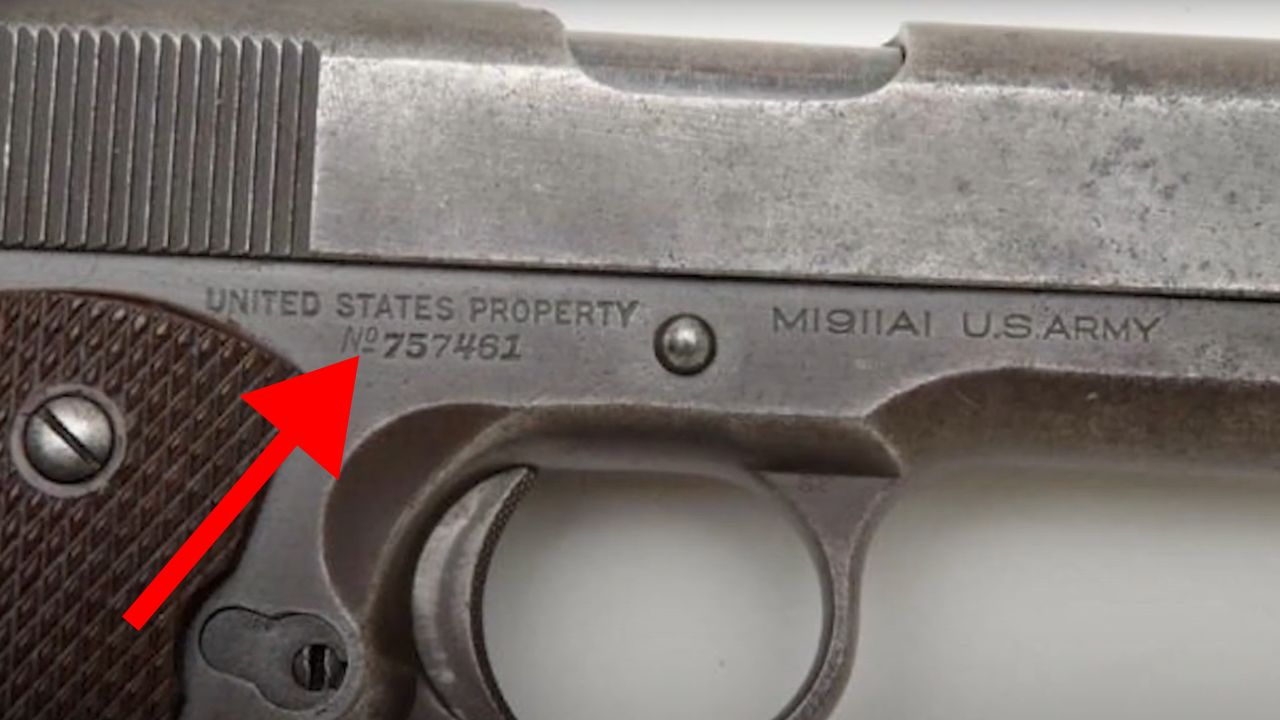
If your firearm ever goes missing from your car—whether stolen, impounded, or misplaced—you’ll need to provide law enforcement with the make, model, and serial number. Don’t rely on memory or a photo on your phone.
Write it down and store it in a safe place at home. If your gun is recovered weeks or months later, having that info is the only way you’ll get it back. It also shows law enforcement you’re a responsible owner—not someone just winging it.
Like what you read? Here’s more by us:
*Created with AI assistance and editor review.