The rise of electric vehicles (EVs) has brought significant advancements in battery technology, directly impacting the longevity and reliability of these vehicles. As the automotive industry continues to evolve, understanding the factors that influence battery life is crucial for both manufacturers and consumers. Technological innovations and consumer considerations play pivotal roles in shaping the future of EV batteries.
Technological Advances in EV Batteries
Lithium-Ion Dominance and Beyond
Lithium-ion batteries have become the cornerstone of modern EVs, renowned for their balance of energy density, longevity, and cost-effectiveness. These batteries power popular models such as the Tesla Model 3 (2025) and the Ford Mustang Mach-E (2025), both of which exemplify the technology’s widespread adoption. However, the future may see a shift as emerging technologies like solid-state batteries gain traction. Solid-state batteries promise higher energy density, faster charging times, and improved safety, potentially revolutionizing the EV market.
Battery Management Systems (BMS)
A critical component in the quest for extended battery life is the Battery Management System (BMS). BMS plays a vital role in monitoring and optimizing battery performance, ensuring reliability and safety. Modern BMS solutions, such as those found in the Hyundai Ioniq 7 (2025), utilize advanced algorithms and real-time data to regulate charging and discharging cycles, prevent overheating, and balance cell voltages. These innovations contribute to not only prolonging battery life but also enhancing overall vehicle performance.
Factors Affecting Battery Longevity
Charging Practices and Their Impact
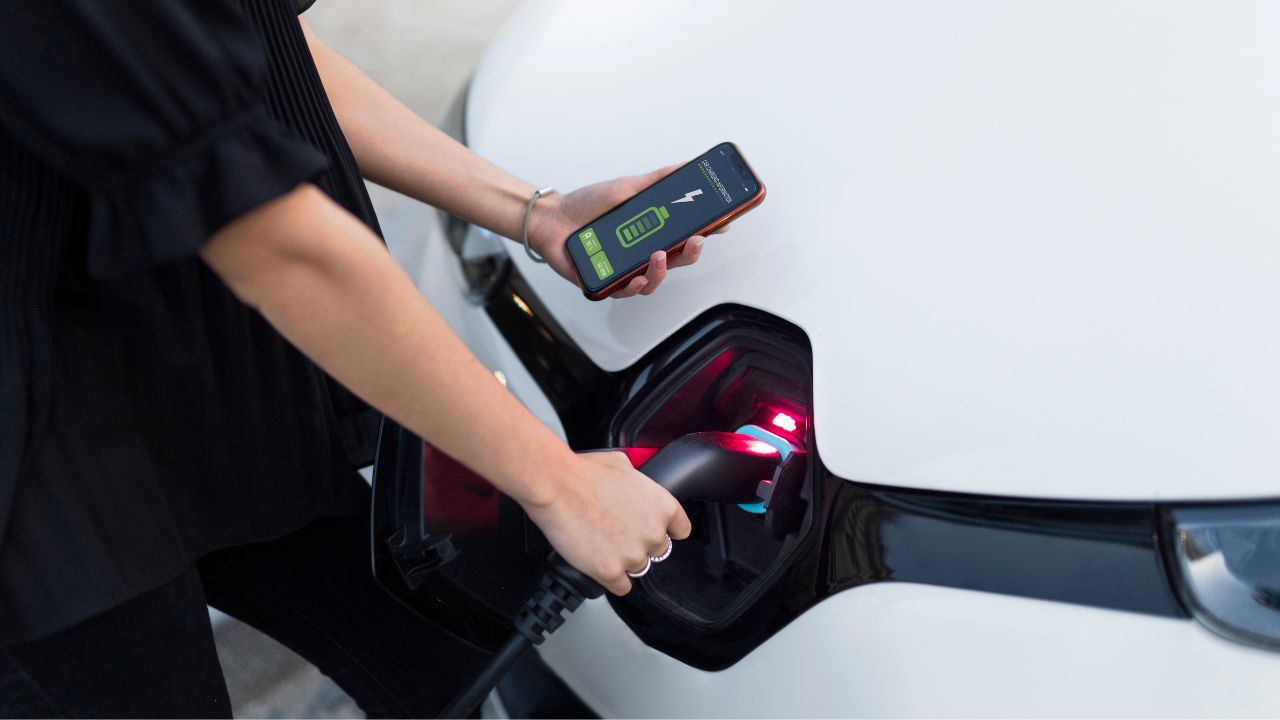
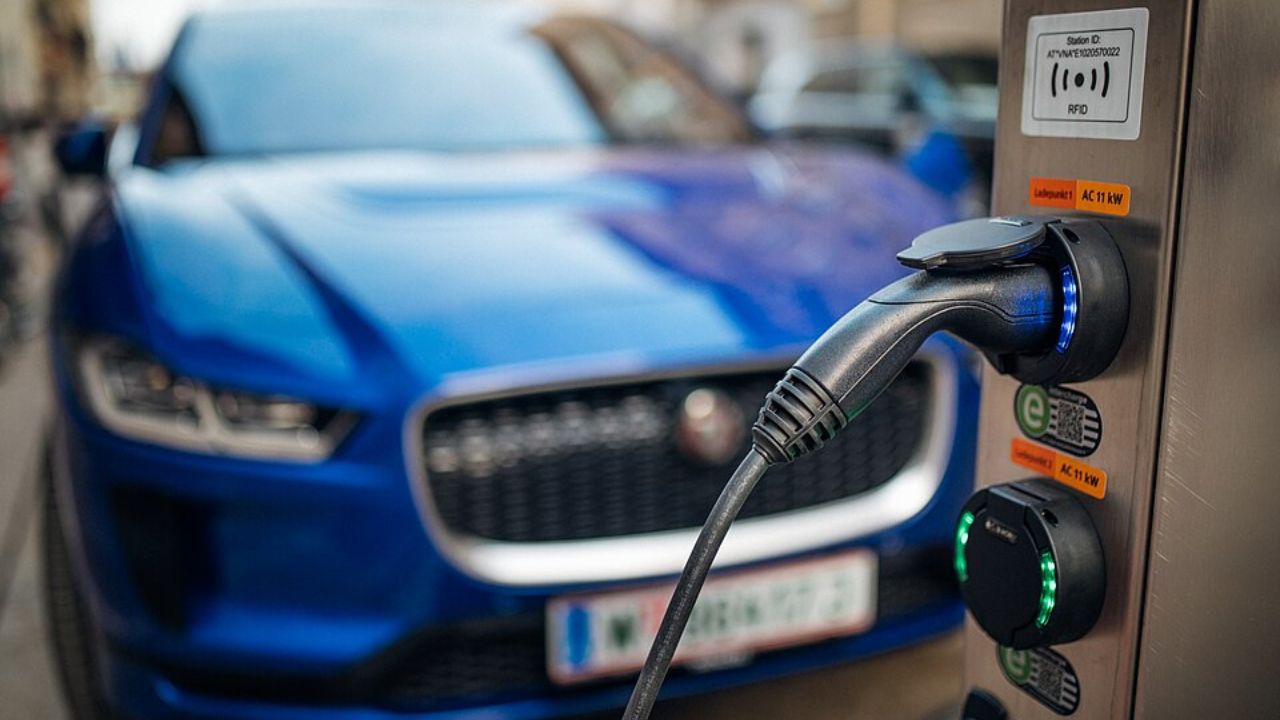
Charging habits are a significant determinant of battery health. While fast charging offers convenience, it can accelerate battery degradation over time. Studies suggest that regular use of fast charging can reduce a battery’s lifespan by up to 20% compared to standard charging methods. For optimal longevity, manufacturers recommend a balanced charging approach. For instance, Nissan advises Leaf (2025) owners to maintain a charge level between 20% and 80% for routine use, reserving full charges for long trips.
Environmental and Usage Conditions
Environmental factors such as temperature extremes can significantly affect battery performance. High temperatures can increase the rate of chemical reactions within the battery, leading to faster degradation, while cold temperatures can reduce efficiency and range. Driving habits also play a role; frequent rapid acceleration and heavy loads can strain the battery, as observed in models like the Rivian R1T (2025). Manufacturers are continuously improving thermal management systems to mitigate these effects and extend battery life.
Consumer Considerations and Manufacturer Warranties
Evaluating Battery Life in Purchase Decisions
When evaluating an EV, consumers must consider various metrics related to battery life. Key benchmarks include the expected range per charge, degradation rates, and overall lifespan. The Chevrolet Bolt EUV (2025), for example, offers a range of 250 miles with a degradation rate of approximately 1% per year, providing a reliable benchmark for potential buyers. Understanding these factors helps consumers make informed decisions that align with their driving needs.
Understanding Manufacturer Warranties and Guarantees
Manufacturer warranties are crucial in assessing the reliability of EV batteries. Typically, EV warranties cover a period of 8 years or 100,000 miles, whichever comes first. These warranties often guarantee a minimum battery capacity retention, such as 70% of the original capacity. For instance, the warranty for the BMW iX3 (2025) includes provisions for battery replacement if capacity falls below 70% within the warranty period. Such warranties not only enhance consumer confidence but also reflect the manufacturer’s commitment to quality and reliability.