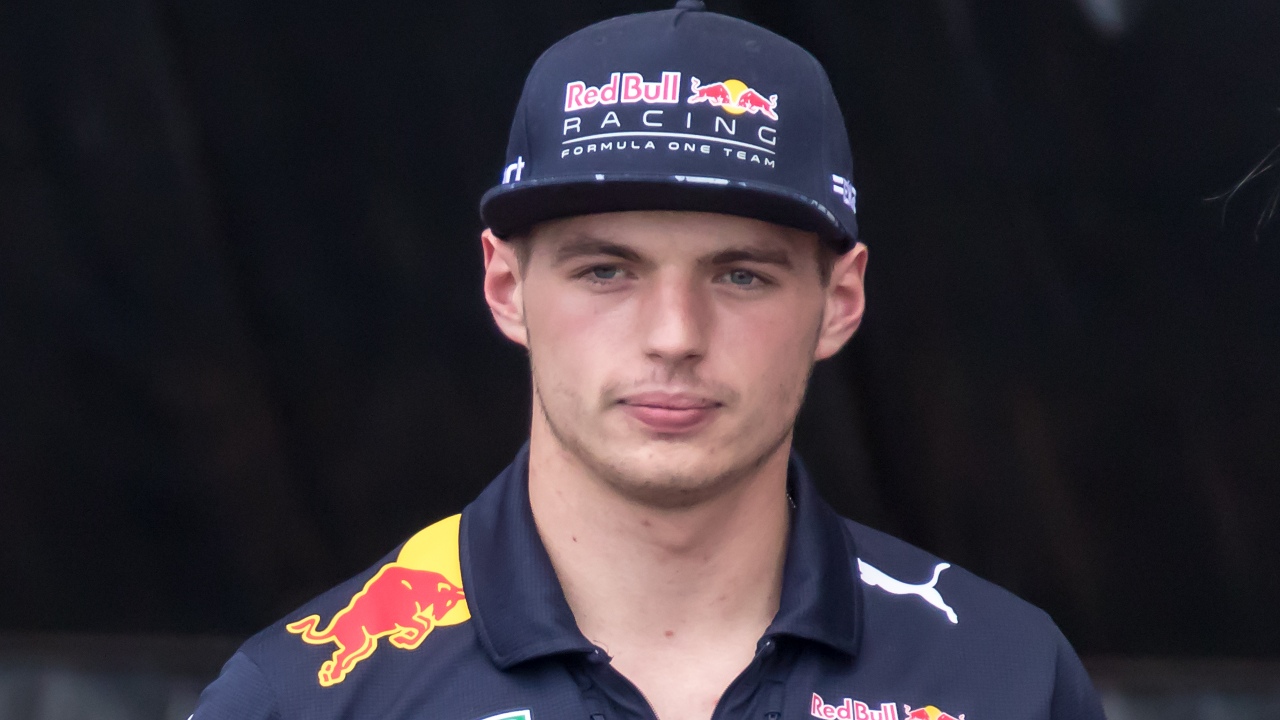
Max Verstappen has built his reputation on Formula 1 dominance, but one of endurance racing’s leading figures believes the triple world champion will not stay confined to single-seaters forever. BMW works driver Robin Frijns has publicly suggested that Verstappen could be racing World Endurance Championship hypercars within a few years, a comment that has sharpened paddock chatter about where the Dutch star might take his career next.
The idea is more than idle speculation. It links Verstappen’s long-stated interest in endurance events with a WEC grid that is rapidly filling with major manufacturers, aggressive driver programs and the kind of technical challenge that appeals to elite racers looking for a second chapter beyond Formula 1.
What happened
Robin Frijns, a factory driver for BMW in the World Endurance Championship, recently said he expects Max Verstappen to appear in the hypercar class in the medium term. Frijns, who competes in the top category with BMW’s LMDh program, framed the move as a realistic scenario rather than a fantasy, arguing that Verstappen’s age, achievements and personal interests all point toward an eventual endurance campaign.
In detailed comments, Frijns explained that Verstappen has already achieved so much in Formula 1 that a new challenge will become increasingly attractive. He described the Dutchman as someone who loves racing in many forms, not only grand prix weekends, and suggested that the World Endurance Championship would be a natural fit for that mentality. According to Frijns, it is reasonable to expect Verstappen to join the hypercar grid in a few years, once the timing of his Formula 1 commitments and contract situation allows the switch to be considered seriously.
The BMW driver also pointed to Verstappen’s personal environment. The Red Bull star has close ties to figures who already work across multiple categories, and he is known to spend a significant amount of time on simulators that include endurance content. Frijns argued that this exposure, combined with Verstappen’s competitive streak, makes long-distance racing more than a passing curiosity.
Reports that relayed Frijns’s remarks highlighted that he spoke from the perspective of a current WEC competitor, familiar with how manufacturers are shaping their driver rosters for the coming seasons. In one detailed account, Frijns outlined how the hypercar field has become a destination for top-level talent and suggested that Verstappen could eventually join that pool of drivers who treat Le Mans and the WEC title as career-defining targets. Another report echoed that stance, presenting Frijns’s belief that Verstappen might line up in a hypercar within a few years as a serious, grounded prediction rather than a throwaway line.
The story has gained traction because it links a current Formula 1 benchmark with the fastest-growing category in global sports car racing. Frijns’s status as a BMW works driver gives his comments extra weight, since he has direct insight into how manufacturers plan multi-year programs and how they think about recruiting headline names for the World Endurance Championship.
Why it matters
Frijns’s suggestion is not only about one driver changing series. It reflects how the World Endurance Championship has transformed into a genuine rival platform for top-level talent. The hypercar rules have attracted a roster of manufacturers that includes BMW, Ferrari, Toyota, Porsche and others, and the category is positioned as a showcase for hybrid technology, efficiency and long-distance performance. That environment has turned the WEC into a realistic destination for current and former Formula 1 drivers, rather than a step down the ladder.
Verstappen’s potential arrival would amplify that trend. As a three-time Formula 1 world champion with a huge global following, his participation in hypercar racing would instantly raise the profile of the WEC and of the 24 Hours of Le Mans among fans who currently focus almost exclusively on grand prix weekends. For manufacturers, the chance to put Verstappen in a factory hypercar would be a marketing asset on the level of a major title sponsor, and it would sharpen the competitive intensity within the paddock.
From a sporting perspective, Verstappen’s skill set appears well suited to endurance racing. He is known for his pace over a single lap, but also for his ability to manage tyres, fuel and race strategy over long stints, attributes that are central to success in the WEC. The hypercar formula requires drivers to balance outright speed with mechanical sympathy and consistency across multi-hour runs, often in changing conditions and heavy traffic. Frijns’s confidence that Verstappen could adapt reflects the view that the Dutchman’s racecraft is not limited to the sprint-style format of Formula 1.
There is also a generational angle. Verstappen is relatively young for someone already so established, which gives him the theoretical space to complete a full Formula 1 chapter and then pivot to endurance racing while still at a very high level physically. Frijns’s timeline of “a few years” implies a scenario in which Verstappen first consolidates his Formula 1 legacy, then explores a new discipline before retirement becomes a serious consideration.
For BMW and its rivals, the prospect of Verstappen on the grid underscores how hypercars are reshaping the driver market. Factory programs now target not only long-time sportscar specialists but also high-profile single-seater stars. Manufacturers have invested heavily in simulators, test programs and multi-series calendars that make it easier for crossover drivers to integrate. Frijns’s comments hint at a future in which moving between Formula 1 and the WEC, or combining them in overlapping seasons, becomes more common among elite racers.
On the fan side, a Verstappen move would accelerate the convergence between grand prix and endurance audiences. Many supporters already follow both disciplines, but a driver of his stature competing for Le Mans glory would draw new eyes to the WEC’s calendar, from marquee rounds like Spa and Fuji to newer events that are still building recognition. Broadcasters and streaming platforms would likely respond with expanded coverage, studio analysis and shoulder programming built around Verstappen’s presence, which in turn would benefit the entire grid.
Frijns’s view also speaks to the broader question of how Formula 1 stars think about their careers. Historically, some champions treated their final grand prix as a natural endpoint. Increasingly, top drivers are looking at multi-category portfolios, from IndyCar to endurance racing and even high-profile GT programs. Endurance racing’s mix of heritage, manufacturer backing and technical challenge makes it a particularly attractive second phase. In that sense, Verstappen’s potential leap into hypercars would be part of a wider shift in how elite drivers structure their professional lives.
There is a commercial dimension as well. Hypercar programs are expensive, and manufacturers are under pressure to justify their budgets with clear returns. A driver with Verstappen’s profile would help convert racing success into brand recognition and road car interest. Whether or not Verstappen ultimately signs with BMW or another marque, Frijns’s comments highlight how manufacturers are already thinking in those terms when they draw up their long-term plans.
What to watch next
The first variable is Verstappen’s own stance. Publicly, he has expressed interest in racing outside Formula 1 at some point in his career, and he has spoken positively about endurance events in general terms. The key question is timing. Frijns’s suggestion of a move within a few years implies that Verstappen might consider testing or one-off appearances before committing to a full WEC campaign. Observers will be watching for any sign that Verstappen is allocating simulator time, private tests or calendar space to endurance machinery.
Another factor is how manufacturers position themselves. BMW’s presence in the hypercar class gives Frijns a direct connection to one potential destination, and his comments naturally prompt speculation about whether BMW would target Verstappen for a future program. One detailed report on Frijns’s remarks framed the idea of Verstappen in a WEC hypercar as a “dramatic switch,” highlighting how significant such a move would be for both the driver and any manufacturer able to secure his services, and tied that view directly to the BMW driver’s perspective through Frijns’s comments.
Other coverage of the same remarks emphasized the medium-term horizon that Frijns has in mind. One analysis stressed that Verstappen could compete in the hypercar class of the World Endurance Championship in a few years, presenting the idea as a logical progression rather than a distant dream. That piece underlined how Frijns, as a BMW factory driver, sees Verstappen as an ideal candidate for the category’s demands and cited his belief that the Dutchman’s interest in different forms of racing makes such a move plausible, a view captured in detail through Frijns’s prediction.
A separate report focused on how Frijns framed the timeframe and the specific category. It reiterated that Verstappen could race hypercars in the World Endurance Championship within a few years and placed that claim within a broader discussion of how the WEC is attracting top-tier drivers. The same report noted that Frijns spoke from his vantage point inside BMW’s program and that he views Verstappen’s potential switch as part of a wider trend of Formula 1 stars considering endurance racing, an interpretation set out through coverage of his.
In practical terms, there are several milestones that would signal movement toward a Verstappen endurance program:
- Testing activity: Any confirmed private test of a hypercar with BMW or another manufacturer would be a clear indicator that discussions have moved beyond theory. Teams often use such tests to gauge a driver’s adaptability to multi-driver stints, night running and traffic management.
- Calendar experiments: A one-off entry in an endurance classic that does not clash with the Formula 1 schedule, such as the 24 Hours of Daytona or a non-championship event, would allow Verstappen to sample long-distance racing without committing to a full WEC season.
- Contract language: If future public information about Verstappen’s Formula 1 deals includes explicit flexibility for other programs, that would support Frijns’s view that a switch within a few years is realistic.
- Manufacturer signaling: Statements from BMW or rival brands that they are open to sharing drivers with Formula 1 teams, or that they are targeting current grand prix stars for future hypercar seats, would align with the scenario Frijns outlined.
Fans and analysts will also pay attention to how Verstappen’s priorities evolve as he accumulates more Formula 1 success. If he continues to dominate, the appeal of adding new trophies such as an overall Le Mans victory may grow. The cultural weight of Le Mans within motorsport history is significant, and many drivers view it as a missing piece in an otherwise complete career. Frijns’s comments tap into that sentiment, suggesting that Verstappen may eventually feel the same pull.
At the same time, the WEC itself is in a growth phase, with expanding grids and increasing manufacturer commitment. The hypercar regulations are still relatively young, and the technical direction of the category over the next cycle will influence how attractive it remains to drivers like Verstappen. Stability in the rules, strong competition and healthy manufacturer involvement will all make a switch more enticing.
More from Fast Lane Only