Nissan has signaled an exciting shift in its product strategy with the announcement from executives that a broader sports-car lineup is back on the table. This move aims to rekindle the brand’s legacy in sports cars and cater to a growing enthusiast market.
The Legacy of Nissan Sports Cars
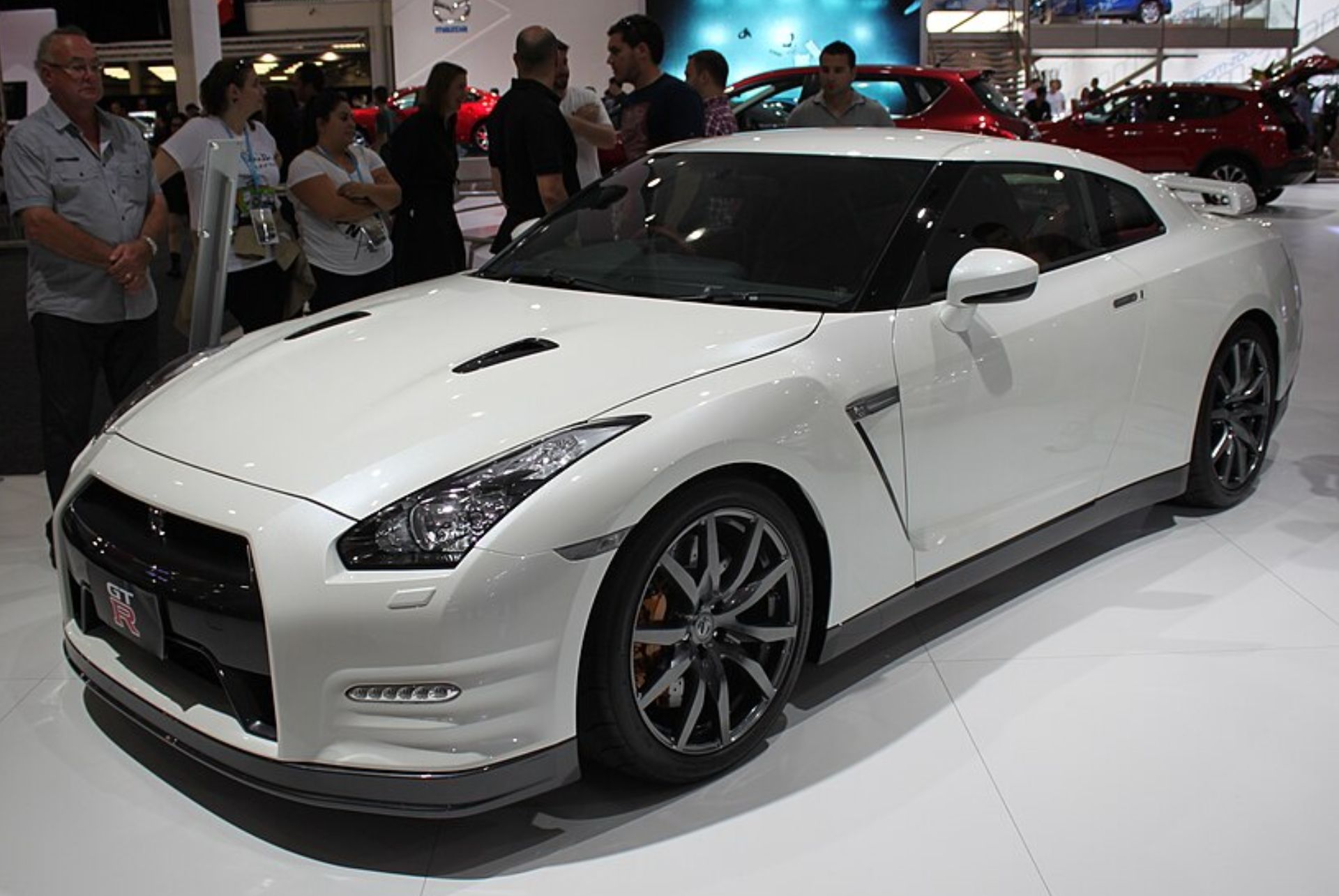
Nissan has long been a formidable player in the sports car arena, with models like the Nissan Z and GT-R standing as pillars of automotive performance. The Z series, first introduced in 1969, has become synonymous with sports car culture, delivering an exhilarating driving experience at an accessible price point. The GT-R, particularly the R35 variant launched in 2007, has made waves in the automotive world, boasting advanced technology and performance metrics that often rival more expensive supercars. These models not only showcase Nissan’s engineering prowess but also reflect a cultural significance that has left an indelible mark on enthusiasts and casual drivers alike.
The impact of Nissan’s sports cars extends beyond mere performance; they have shaped automotive culture, inspiring generations of car lovers and racers. The Z and GT-R have become icons, celebrated not only for their speed and agility but for their design and innovation. They embody the spirit of driving passion, which is a core element of Nissan’s identity. As the company pivots back towards a broader sports-car lineup, it seeks to honor this legacy while engaging with a new generation of enthusiasts who crave performance vehicles that deliver excitement without compromising on reliability.
Market Trends in Sports Cars
The demand for affordable sports cars has been on the rise, as consumers increasingly seek vehicles that offer both performance and value. In a market where luxury and high-performance cars dominate, Nissan’s commitment to creating accessible sports cars could fill a crucial gap. Many enthusiasts are looking for vehicles that provide the thrills of sports car driving without the astronomical price tags associated with luxury brands. This trend is evident as automakers like Ford and Chevrolet continue to attract attention with models like the Mustang and Camaro, which balance performance with affordability.
The competitive landscape is also changing, with manufacturers like Toyota launching models such as the GR86, designed to appeal to driving purists. This shift highlights the growing interest in lightweight, driver-focused vehicles that prioritize engagement and enjoyment over sheer power. As consumers increasingly gravitate towards these performance-oriented vehicles, Nissan’s return to the sports car segment could position it advantageously against rivals. Understanding these market dynamics will be essential as Nissan develops its new lineup to meet the evolving preferences of car buyers.
Executive Insights
Nissan executives have recently shared their enthusiasm for reviving the sports car lineup, emphasizing the brand’s commitment to performance and innovation. “We recognize the passion that our customers have for sports cars, and we want to reignite that connection,” said one executive during a recent press conference. This sentiment reflects a broader strategy to engage driving enthusiasts while re-establishing Nissan as a leader in the performance segment.
The rationale behind this renewed focus on sports cars stems from a combination of market demand and the desire to tap into Nissan’s rich heritage. Executives believe that there is a significant opportunity to attract younger buyers who are eager for affordable performance vehicles. Potential target demographics for the new models include millennials and Gen Z drivers, who prioritize driving experiences and are looking for vehicles that reflect their lifestyle and values. As Nissan aims to capture this audience, it will likely leverage social media and modern marketing tactics to build anticipation around the upcoming models.
Expected Features and Innovations
With a renewed focus on sports cars, Nissan is expected to incorporate cutting-edge technology and design philosophies into its upcoming lineup. Anticipated advancements may include enhanced performance features, such as improved aerodynamics, lightweight materials, and advanced suspension systems that cater to driving enthusiasts. The integration of connected car technologies could also play a significant role, allowing drivers to personalize their driving experiences while maintaining safety and convenience.
Moreover, the role of electric and hybrid technologies cannot be overlooked. As the automotive industry shifts towards sustainability, Nissan could explore hybrid powertrains that combine the thrill of sports car performance with greater fuel efficiency. Models like the Nissan Ariya have already showcased the brand’s commitment to electrification, and the knowledge gained from these developments could significantly influence future sports cars. By blending traditional performance with modern technology, Nissan can create a compelling offering that appeals to both traditional enthusiasts and environmentally-conscious consumers.
The Role of Affordability
One of the key aspects of Nissan’s strategy for its upcoming sports car lineup is affordability. The company aims to keep its models accessible to a wider audience, setting them apart from luxury sports cars that often come with exorbitant price tags. This focus on affordability aligns with the growing demand for sports cars that do not compromise on performance while remaining budget-friendly.
Nissan’s approach will likely involve innovative manufacturing techniques and sourcing strategies to maintain competitive pricing. By ensuring that their sports cars are not only fun to drive but also financially attainable, Nissan can differentiate itself in a crowded market. This strategy could resonate well with potential buyers who are looking for a fun, performance-oriented vehicle without the financial burden associated with higher-end models. The goal is to create an emotional connection with consumers, allowing them to experience the joy of driving a sports car without breaking the bank.
Potential Models in Development
As Nissan embarks on this renewed journey into the world of sports cars, speculation is already swirling about the types of models that may be introduced. Possibilities include updated versions of classic favorites, such as a new Z model that pays homage to its predecessors while incorporating modern design elements and technology. Additionally, the introduction of new variants, such as convertibles or compact coupes, could further diversify Nissan’s sports car portfolio.
Moreover, potential collaborations or partnerships with performance brands or tuning companies could enhance the appeal of Nissan’s offerings. For instance, collaborations similar to Nissan’s partnership with Nismo could lead to performance variants that excite driving enthusiasts. Importantly, the significance of customer feedback in shaping future models cannot be overstated. Engaging with the community through social media and events will help Nissan understand what features and designs resonate most with potential buyers, allowing them to tailor their offerings accordingly.
Challenges Ahead
While the future looks promising for Nissan’s sports car division, several challenges lie ahead. Economic factors, such as fluctuations in the global supply chain and rising material costs, could pose significant hurdles for the automotive industry, impacting production timelines and pricing strategies. As Nissan navigates these economic uncertainties, maintaining a focus on delivering quality sports cars at competitive prices will be critical.
Additionally, regulatory challenges related to emissions and safety standards are increasingly shaping the automotive landscape. As governments worldwide implement stricter regulations, Nissan must prioritize compliance while also delivering performance-oriented vehicles. This balance will require innovative engineering solutions to meet environmental standards without sacrificing the driving experience. Furthermore, the competition from electric vehicles is fierce, as many manufacturers are launching high-performance electric models that attract tech-savvy consumers. Nissan will need to strategize effectively to establish a strong presence in this evolving market.
The Future of Nissan’s Sports Car Division
Looking ahead, the long-term vision for Nissan’s sports car lineup is one of innovation and performance. Executives have hinted at potential partnerships with performance brands or tuning companies to elevate the brand’s offerings, ensuring that Nissan remains competitive in the sports car segment. These collaborations could result in limited-edition models or performance packages that enhance the driving experience, appealing to dedicated enthusiasts.
To maintain its competitive edge, Nissan will need to balance its rich heritage with modern demands. This includes adapting to new technologies, consumer preferences, and market trends. By focusing on delivering cars that are not only fun to drive but also incorporate the latest innovations, Nissan can solidify its position in the sports car market. As the company prepares to unveil its new lineup, the excitement surrounding Nissan’s commitment to performance and accessibility is palpable, promising a thrilling future for car enthusiasts.
As Nissan gears up for this exciting new chapter, the automotive community eagerly awaits what the brand has in store. From the revival of beloved models to the introduction of innovative, performance-oriented vehicles, the possibilities are vast. For enthusiasts, this is a time to stay tuned and watch as Nissan reignites its passion for sports cars, aiming to deliver exhilarating driving experiences to a new generation of fans.
More from Fast Lane Only