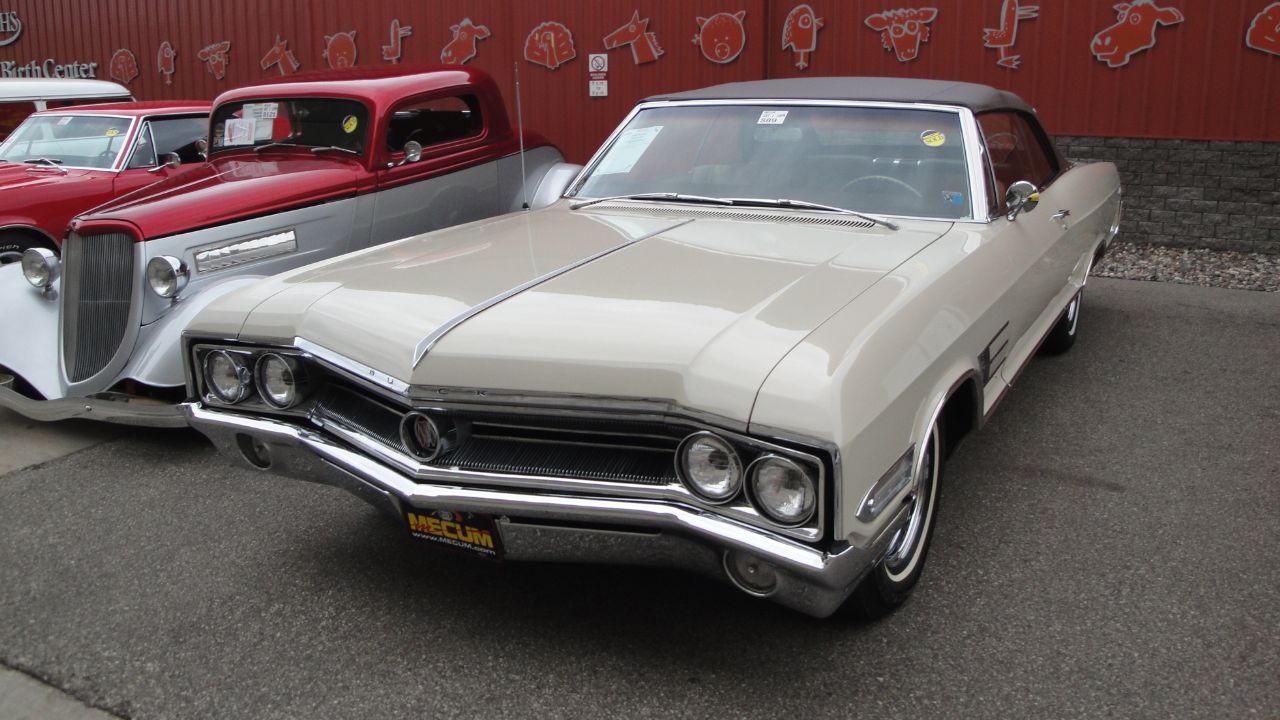
The Buick Wildcat, a symbol of American muscle in the mid-1960s, was not only known for its sleek design but also for its impressive performance, achieving 60 mph in about 7 seconds. With a bold aesthetic and powerful engineering, the Wildcat stands as a testament to Buick’s ambition during a transformative era in the automotive industry. In exploring the history, design, and cultural impact of the Wildcat, we can better appreciate its significance in the muscle car movement.
Historical Context of the Buick Wildcat
In the 1960s, Buick was firmly established as a major player in the American automotive industry, known for its combination of luxury and performance. As the muscle car era began to gain momentum, Buick recognized the opportunity to appeal to a younger, more performance-oriented demographic. The Wildcat, introduced in 1963, was a direct response to the growing demand for powerful, stylish vehicles that could compete with the likes of Ford Mustang and Chevrolet Camaro.
The Wildcat was positioned as a premium option in the muscle car segment, designed to appeal to those who desired both performance and sophistication. During this vibrant period, the automotive market was characterized by fierce competition, with brands like Pontiac and Chrysler also introducing their own high-performance models. This competition significantly influenced Buick’s design and engineering strategies, pushing the brand to innovate and refine its offerings.
Design Features of the Wildcat
The exterior design of the Buick Wildcat was a captivating blend of elegance and aggression. Its long hood and short rear deck gave it a classic muscle car silhouette that was both appealing and aerodynamic. The bold grille and distinctive taillights, coupled with a range of vibrant color options, made the Wildcat stand out on the road. Designers aimed to create a car that not only performed well but also exuded a sense of luxury and style, a hallmark of the Buick brand.
Performance Specifications
Under the hood, the Buick Wildcat boasted impressive engine options that contributed to its performance reputation. The most notable was the 425 cubic inch V8 engine, which produced an exhilarating 360 horsepower. This power allowed the Wildcat to accelerate from 0 to 60 mph in about 7 seconds, a remarkable feat for the era. The combination of this powerful engine with a well-tuned suspension system enabled the Wildcat to deliver a thrilling driving experience, appealing to muscle car enthusiasts.
When comparing the Wildcat’s performance metrics to other muscle cars of the time, it consistently held its ground. For instance, the Chevrolet Chevelle SS and the Ford Mustang GT were formidable competitors, but the Wildcat’s superior horsepower and torque often gave it an edge in straight-line acceleration. This performance not only solidified its reputation as a muscle car but also highlighted Buick’s engineering prowess during a competitive period in automotive history.
Technological Innovations
Buick’s commitment to innovation was evident in the engineering advancements incorporated into the Wildcat. The car featured a sophisticated suspension system that improved handling and ride quality, making it not just fast but also enjoyable to drive. The use of a variable ratio steering system allowed for better maneuverability, adding to the overall driving experience. Furthermore, the introduction of disc brakes on the Wildcat provided enhanced stopping power, a crucial aspect for a vehicle capable of high speeds.
Fuel technology also played a significant role in the Wildcat’s performance. Buick engineers focused on optimizing the engine tuning and fuel delivery systems to maximize power while maintaining efficiency. This attention to detail allowed the Wildcat to deliver impressive performance without compromising on reliability. The integration of these innovations showcased Buick’s forward-thinking approach during a time when many manufacturers were primarily focused on raw power.
Market Reception and Cultural Impact
Upon its release, the Buick Wildcat received a warm reception from consumers and critics alike. Its blend of performance and luxury attracted a diverse audience, from car enthusiasts to families looking for a stylish vehicle. Sales figures reflected its popularity, with the Wildcat contributing significantly to Buick’s overall success during the mid-1960s. The car became a symbol of the American muscle car movement, representing the desire for speed and style.
The Wildcat’s cultural impact extended beyond the showroom. It appeared in various films and music of the era, reinforcing its status as a cultural icon. For instance, the Wildcat was featured in several movies that celebrated the freedom and excitement of driving. Its presence in pop culture helped solidify its reputation and influence, captivating the imagination of a generation that valued performance and style.
Legacy of the Buick Wildcat
The legacy of the Buick Wildcat is significant in the context of both Buick’s history and the broader automotive landscape. Over the years, the Wildcat evolved, with various iterations introduced until its discontinuation in 1970. Each generation built upon the successes of its predecessor, incorporating new technologies and design philosophies while maintaining the core performance characteristics that made the Wildcat a beloved model.
Today, the Wildcat holds a special place among classic car enthusiasts. Its unique design and performance capabilities have made it a sought-after collectible, with well-preserved models often fetching high prices at auctions. The Wildcat’s impact on the muscle car era is undeniable, serving as a benchmark for performance vehicles and influencing future Buick models, including the more recent iterations of the Buick Regal and the revival of performance-oriented designs.
Comparative Analysis with Other Buick Models
When comparing the Wildcat to other notable Buick models from the same era, such as the Skylark and Riviera, it becomes clear how the Wildcat distinguished itself. The Skylark, with its compact design, targeted a different market segment focused on affordability and efficiency, while the Riviera leaned more towards luxury and style. The Wildcat, in contrast, effectively balanced performance and sophistication, setting a standard for Buick’s performance vehicles.
The differences in performance metrics are particularly noteworthy. While the Skylark offered respectable power for its class, it could not match the Wildcat’s raw horsepower and acceleration. The Riviera, known for its luxurious appointments, was not designed for the same high-speed thrills that the Wildcat delivered. This strategic positioning allowed the Wildcat to carve out its niche as Buick’s flagship performance model, appealing to consumers who desired both speed and luxury.
Challenges Faced by Buick in the 1960s
Despite its successes, Buick faced several challenges during the 1960s that impacted the Wildcat’s production and marketing. Economic factors, such as fluctuating oil prices and changing consumer preferences, began to shift the automotive landscape. As the demand for fuel-efficient vehicles grew, the muscle car segment faced increased scrutiny, prompting Buick to rethink its approach to performance cars.
Internally, Buick grappled with the complexities of maintaining its brand identity while adapting to market changes. The transition from muscle cars to more fuel-efficient vehicles in the 1970s marked a significant shift in the industry. As regulatory pressures and economic realities set in, the Wildcat and similar models began to fade from production, reflecting the broader transformation of the automotive market.
Future of the Wildcat Brand
As we look to the future, there is speculation about the potential revival of the Wildcat nameplate in modern Buick offerings. With a growing interest in performance vehicles and a resurgence of classic designs, Buick could leverage the Wildcat’s legacy to attract a new generation of car enthusiasts.
Contemporary automotive trends, such as electrification and advanced technology, could influence a modern Wildcat design while paying homage to its storied past. The importance of heritage and nostalgia in branding cannot be understated. As automotive manufacturers seek to connect with consumers on a deeper level, the Wildcat name carries significant weight. By reintroducing the Wildcat in a way that honors its history while embracing modern innovations, Buick has an opportunity to create a vehicle that resonates with both longtime fans and new customers alike.
More from Fast Lane Only