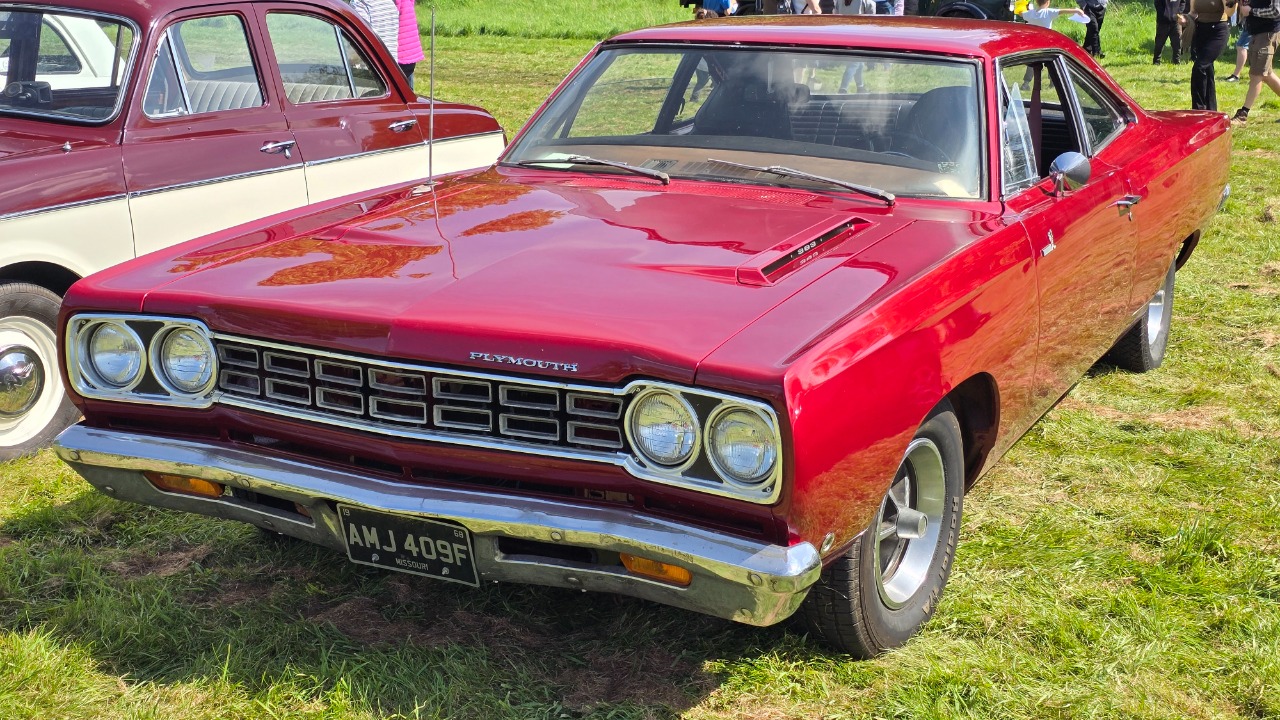
The 1968 Plymouth Road Runner made its debut as an affordable muscle car that delivered impressive performance straight from the factory. With its mid-13s quarter-mile times, this iconic vehicle combined value and speed, captivating car enthusiasts and racers alike.
The Birth of the Road Runner
The Road Runner was introduced to the market as a response to the growing demand for affordable muscle cars. It targeted young buyers who wanted performance without the hefty price tag that often accompanied high-powered vehicles. The marketing strategy was clear: make a car that was both thrilling to drive and easy on the wallet.
The significance of the name “Road Runner” was not lost on anyone familiar with the popular cartoon character. Chrysler’s marketing team cleverly capitalized on the popularity of the cartoon, which featured a speedy bird that always evaded capture. This connection was designed to evoke the idea of speed and fun, making the car appealing to a younger demographic eager to make a statement on the road.
The Road Runner aimed to attract a generation of drivers who were not just looking for speed but also a sense of identity. By offering a no-frills, performance-oriented vehicle at an accessible price, Plymouth was able to carve out a niche that resonated with young enthusiasts eager to embrace the muscle car culture.
Performance Specifications
The 1968 Road Runner came equipped with several engine options, the most popular being the powerful 383 cubic inch V8. This engine was capable of producing an impressive 335 horsepower and 425 lb-ft of torque, giving the Road Runner the grunt it needed to compete on both the street and the strip. The muscle car’s lightweight design further enhanced its performance, allowing it to achieve quarter-mile times in the mid-13s straight from the factory.
Notably, the Road Runner also offered a more powerful 426 HEMI option for those seeking even greater performance. With the HEMI engine, drivers could experience an exhilarating increase in speed, but the standard 383 V8 was already more than sufficient for most enthusiasts. The engineering behind the Road Runner’s performance figures was a testament to Plymouth’s dedication to delivering a high-value, high-performance vehicle.
It’s important to note that the Road Runner’s impressive straight-line speed was not merely a result of its powerful engine. The combination of a well-tuned suspension, lightweight construction, and an aerodynamic design contributed to its remarkable performance. This attention to detail ensured that the Road Runner could stand toe-to-toe with its competitors, cementing its reputation as one of the best muscle cars of its era.
Design and Aesthetics
The exterior design of the 1968 Road Runner was both distinctive and functional. One of its most recognizable features was the hood scoop, which not only added to the car’s aggressive look but also served to improve engine performance by directing cool air into the engine bay. The optional graphics package, which included the iconic “Road Runner” logo and cartoon bird, set the vehicle apart from other muscle cars, giving it a playful yet powerful identity.
Inside, the Road Runner maintained a no-frills approach that prioritized performance and affordability over luxury. The interior layout was straightforward, with comfortable seating that encouraged spirited driving without extraneous distractions. While some might view this as a lack of refinement, many enthusiasts appreciated the focus on driving experience rather than unnecessary gadgets.
Color options for the 1968 Road Runner also played a crucial role in its appeal. Bright hues like Vitamin C Orange and Plum Crazy Purple captured the essence of the 1960s muscle car era, while unique badging and finishes helped solidify its identity within the competitive landscape. These aesthetic choices contributed to the Road Runner’s status as a cultural icon, with many owners taking pride in customizing their cars to reflect their personality.
The Competitive Landscape
The muscle car market in 1968 was highly competitive, with several formidable contenders vying for the attention of performance-minded buyers. Notable competitors included the Ford Mustang, Chevrolet Camaro, and Pontiac GTO. Each of these cars had its strengths, but the Road Runner distinguished itself by offering exceptional performance at a more accessible price point.
The muscle car craze of the late 1960s played a significant role in the Road Runner’s growing popularity. As more young drivers sought out vehicles that provided both speed and style, the Road Runner quickly became a favorite among those looking to make a statement. The car’s racing pedigree and its ability to dominate the quarter-mile made it a sought-after choice for weekend warriors and serious racers alike.
Insights into the racing culture of the time highlight how the Road Runner positioned itself within this vibrant community. Many owners participated in local drag races and car shows, showcasing their vehicles’ capabilities and competing for bragging rights. The Road Runner’s performance made it a formidable contender on the track, and its association with racing helped further cement its status in automotive history.
Factory Performance vs. Modifications
One of the most striking aspects of the 1968 Road Runner is its ability to achieve impressive quarter-mile times without the need for extensive modifications. Many owners found that the factory settings offered a perfect balance of power and drivability, allowing them to enjoy spirited driving right off the showroom floor. This made the Road Runner an attractive option for those who wanted performance without the hassle of aftermarket upgrades.
In contrast, modified muscle cars often come with trade-offs. While modifications can enhance performance, they may also compromise reliability and increase maintenance costs. Original owners frequently emphasize the joy of driving a factory-spec Road Runner, with numerous testimonials highlighting the excitement of racing their cars straight from the factory.
Cultural Impact and Representation
The 1968 Road Runner has made numerous appearances in media and pop culture, further solidifying its status as a symbol of the American muscle car era. From its portrayal in films to its presence in television shows, the Road Runner has become an enduring icon. Its association with speed and excitement resonates with audiences, and it often represents the carefree spirit of the 1960s.
Advertising played a crucial role in shaping public perception of the Road Runner. Memorable campaigns highlighted its performance capabilities and affordability, appealing directly to the young drivers who were eager for a taste of the muscle car lifestyle. These ads not only showcased the car’s features but also fostered a sense of community among enthusiasts who connected with the brand and its message. Collectibility and Market Value Today Maintenance and Restoration Tips Legacy of the Road Runner
More from Fast Lane Only