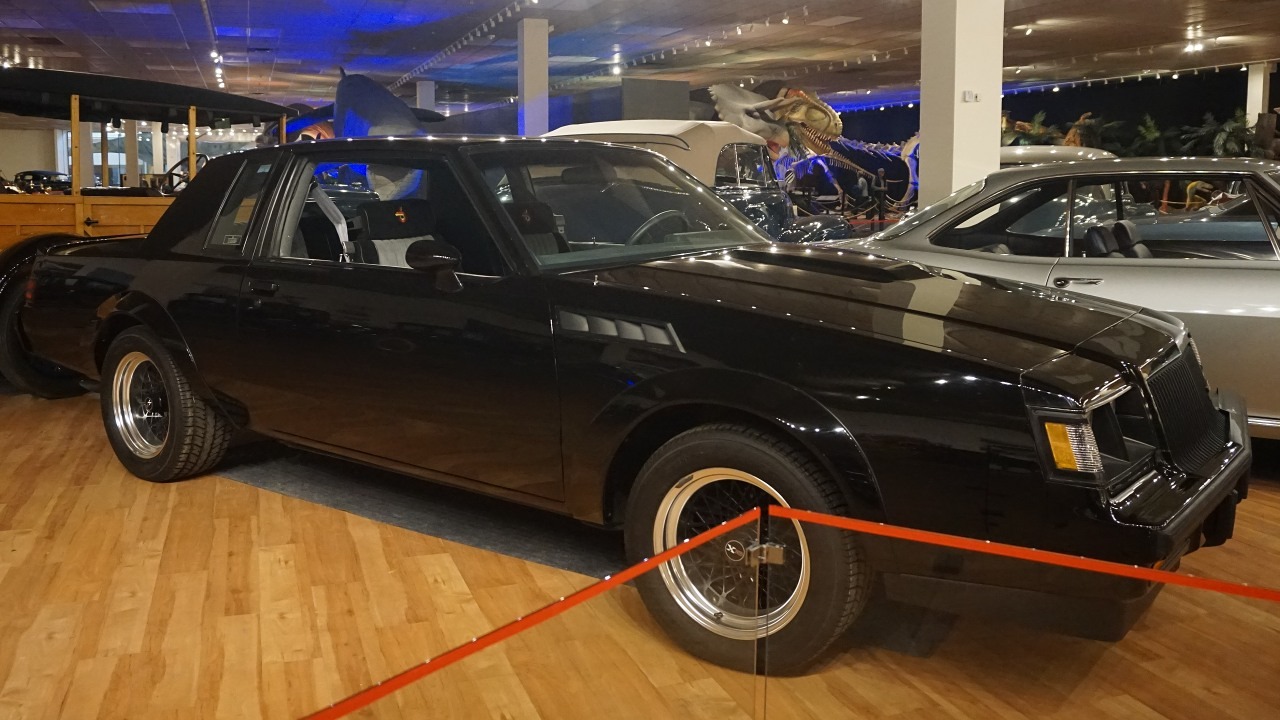
You live in a world where luxury performance is a default setting, not a contradiction. Twin-turbo SUVs, 600-horsepower sedans and whisper-quiet cabins are just line items on a spec sheet. The Buick GNX arrived in a very different moment, when a plush American coupe with supercar numbers felt almost like a prank on the entire industry, and that is exactly why it still matters to you today.
If you care about how speed and comfort merged into one idea, you cannot ignore the brief, violent flash of the GNX. It showed you what happens when a brand known for soft seats and quiet retirees suddenly decides to outrun the heroes from Europe and its own corporate siblings, long before that strategy made commercial sense.
When a luxury badge decided to go quicker than the heroes
You first understand the GNX when you look at the numbers that quietly rewrote what a comfortable American coupe could do. Period testing recorded the car going from 0 to 60 m in 4.7 seconds, a figure repeated in Car and Driver and in the kind of enthusiast lore that refuses to die. When you remember that most people still tell you the 1980s killed American performance, that single metric snaps the decade into focus and shows you that the real story was more complicated.
Those acceleration runs did not just beat a few rivals on paper. Contemporary owners and fans still point out that the 4.7-second sprint made the GNX quicker than many high-profile Corvettes, Ferraris and Porsches of the time, which is why you see it described as outrunning Corvettes, Ferraris, Porsches that supposedly owned the fast-lane conversation. Here is a car that wore a conservative Buick badge, yet embarrassed the exotic posters on your childhood bedroom wall, and that mismatch is the heart of its appeal.
A blacked-out answer to the “Saddest era of automotive history?”
If you grew up hearing that the 1980s were the “Saddest era of automotive history,” you probably did not hear it from people who had spent time around an 87 G. In one enthusiast discussion, Scott Sanford and trade comments about how a car that hits 4.7 seconds to 60 simply does not fit the stereotype of a slow, smog-choked decade. For you, that context matters, because it shows that the GNX was not just quick for a Buick, it was quick in a way that rewrites the narrative of its entire generation.
You also have to remember how limited this experiment really was. The Buick GNX, officially called Grand National Experimental, was a one-year, 1987-only project, and only 547 units were built, a figure repeated in modern summaries of The Buick GNX. When you see that number, you realize you are not dealing with a mainstream product plan; you are looking at a factory-sanctioned hot rod that slipped through corporate caution, then vanished before the wider market even knew what it was.
How a quiet luxury coupe became an American performance benchmark
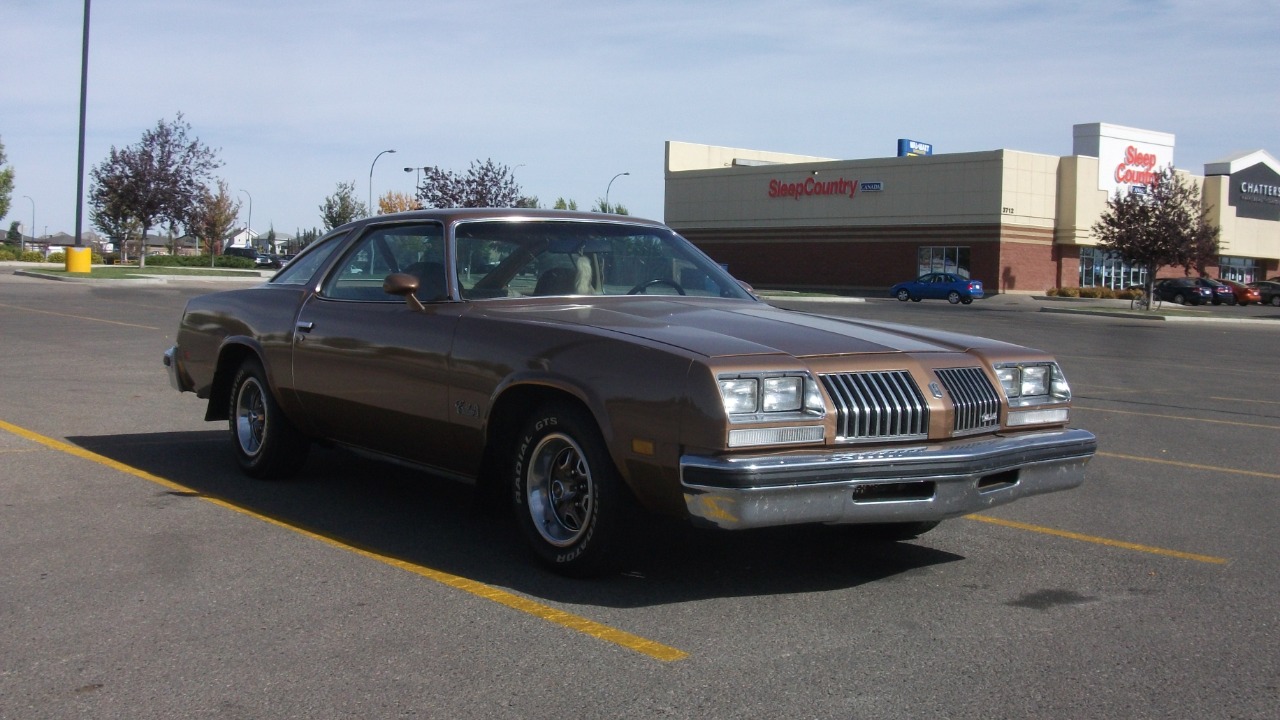
You might assume that if you wanted American speed in the 1980s, you went straight to a V8 pony car. Yet period coverage now circulating among fans calls the 1987 Buick Regal Grand National a high point of 1980s American performance, and that sets the stage for the GNX as its even more extreme sibling. In that telling, the Buick Regal Grand already proved that a turbocharged V6 in a luxury wrapper could hang with the best, and the GNX simply took that proof and turned the volume up as far as the factory dared.
That transformation did not come out of nowhere. Enthusiast histories describe how The Buick Regal T-Type and Grand National were marketed as An American Classic from General Motors, with fans repeating lines like “All i ever wanted was a black Grand National” to explain the obsession. When you see the All i ever quote alongside references to The Buick Regal Type and Grand National, you understand that the GNX was the sharpest edge of a broader movement that turned a comfortable coupe into an unlikely American muscle icon.
Luxury with a wild side before that became the business model
When you shop for cars now, you almost expect a luxury badge to come with a “wild” performance variant, from AMG sedans to turbocharged SUVs. In the 1980s, Buick was still known for quiet comfort, which is why one modern feature describes the brand’s turbo coupe as a luxury car with sports car power that leaned into a “with a wild side” thing. That framing helps you see the GNX as a prototype for the formula you take for granted today, where a plush interior and brutal acceleration are not contradictions but selling points, a balance captured in Muscle cars love to brag style commentary.
Enthusiasts also love to remind you that the GNX did not shout about its capabilities with stripes or wings. Its menace came from a blacked-out body, subtle badges and the knowledge that under the hood sat a turbocharged V6 that could outrun cars with far more flamboyant styling. When modern commentators call it a luxury car with big power, they are really telling you that Buick quietly solved the equation of comfort plus speed long before marketing departments turned that combination into a corporate strategy.
Why the GNX still haunts modern performance fantasies
You can measure the GNX’s afterlife by how often it resurfaces in places far beyond traditional car circles. A modern video titled “1987 Buick GNX: 20 Weird Facts You Didn’t Know!” treats the car as a cultural artifact, reminding you that Sep discussions about American performance often start with the claim that the 1980s killed American muscle cars, then pivot to the GNX as the rebuttal. When you watch that 1987 Buick GNX video, you see how the car’s myth keeps growing among younger enthusiasts who were not alive when it was new.
The name has even spilled into music and pop culture. In one clip, fans point out that in 2024, 22 time Grammy award-winning rapper Kendrick Lamar released an album called GNX, introducing the badge to listeners who may never have seen the car in person. That connection between Grammy Kendrick Lamar and the original coupe means that when you hear the initials now, you might think of a tracklist before you think of a turbo Buick, yet the association still feeds the legend.
More from Fast Lane Only