After World War II, the American auto industry experienced a renaissance that coincided with the nation’s recovery and growth. The cars produced during this time symbolized not only technological advancements but also the aspirations and hopes of a generation eager to embrace a new era of peace and prosperity. Here’s a look at ten American cars that became icons of hope after the war.
1946 Chrysler New Yorker
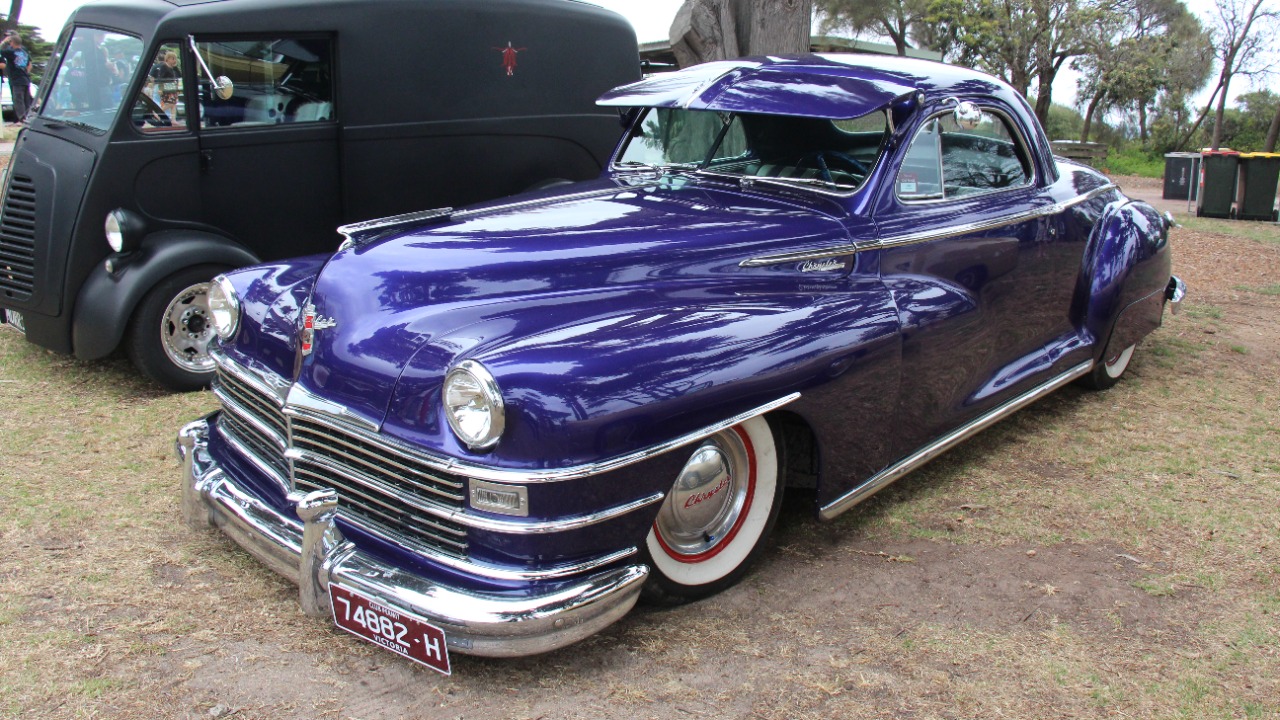
The 1946 Chrysler New Yorker marked a significant return to civilian automobile production after the war. With its sleek lines and luxurious features, it was a symbol of prosperity and optimism. The New Yorker offered innovative engineering, including a powerful 8-cylinder engine and a spacious interior, appealing to families eager for freedom and mobility. Its introduction signaled a new era for Chrysler, as it featured advanced technologies such as a semi-automatic transmission. The car quickly became a favorite of affluent buyers, showcasing the renewal of the American dream. Enthusiasts still cherish the New Yorker today, recognizing its role in shaping post-war American automotive history.
1947 Cadillac Series 62
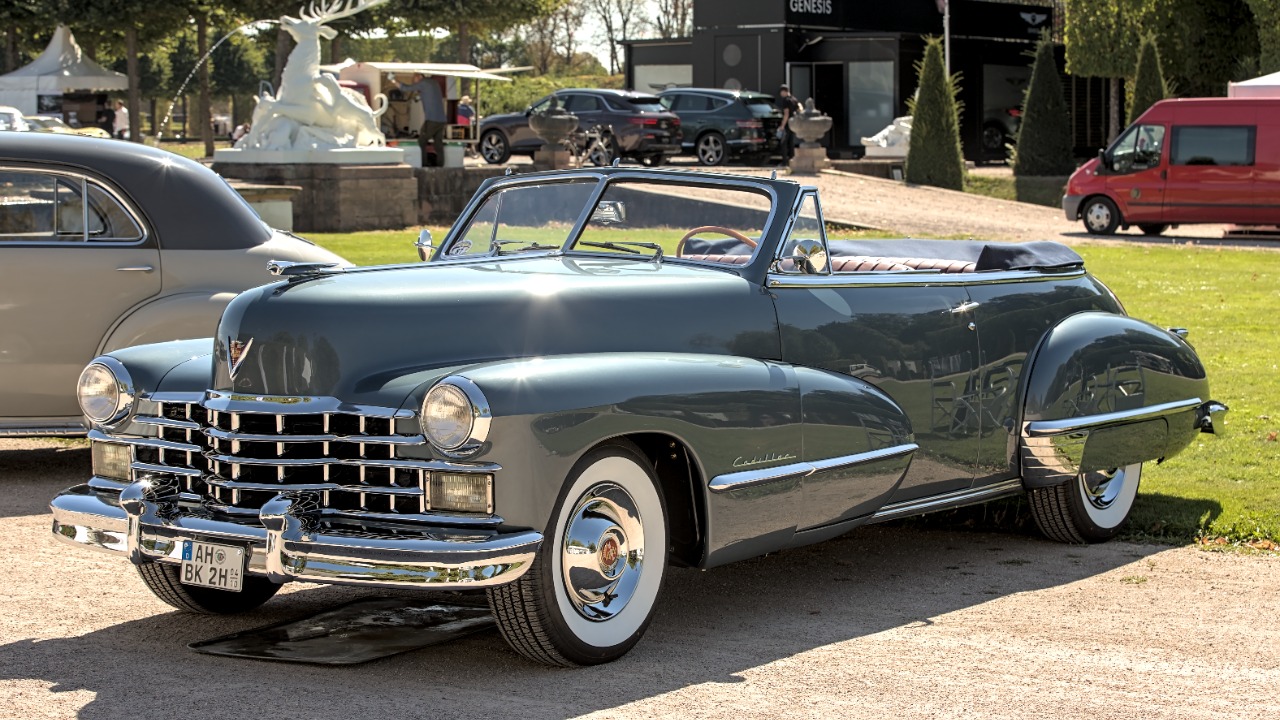
The 1947 Cadillac Series 62 epitomized luxury and style in the post-war automotive landscape. With its distinctive tailfins and chrome accents, it became a status symbol for those looking to showcase their success in a recovering economy. Cadillac incorporated innovations like a V8 engine that improved performance while ensuring a smooth ride. The Series 62 featured plush interiors with high-quality materials, reflecting the desires of consumers for comfort and elegance. As one of the most celebrated models of its time, the 1947 Cadillac Series 62 represented a hopeful future filled with possibilities and adventures on the open road.
1949 Ford F-Series
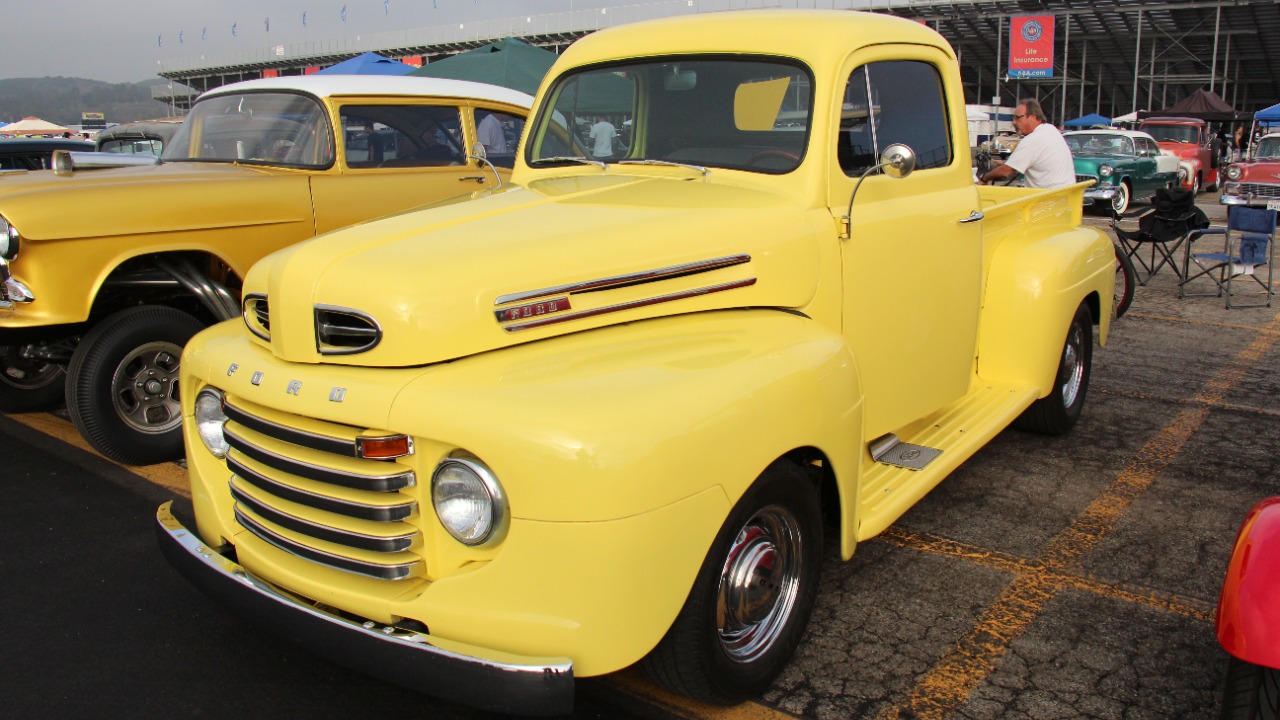
The introduction of the 1949 Ford F-Series revolutionized the pickup truck market, combining utility with style. This model was not just a workhorse; it also appealed to families and businesses alike, symbolizing a shift in how Americans viewed trucks. The F-Series featured a modern design that included a wider cab and improved handling. Its versatility made it a popular choice for those looking to balance work and leisure. As America expanded its suburbs and built infrastructure, the F-Series became synonymous with the American spirit of hard work and determination. The truck’s legacy continues, as it remains one of the best-selling vehicles in the country.
1950 Chevrolet Bel Air
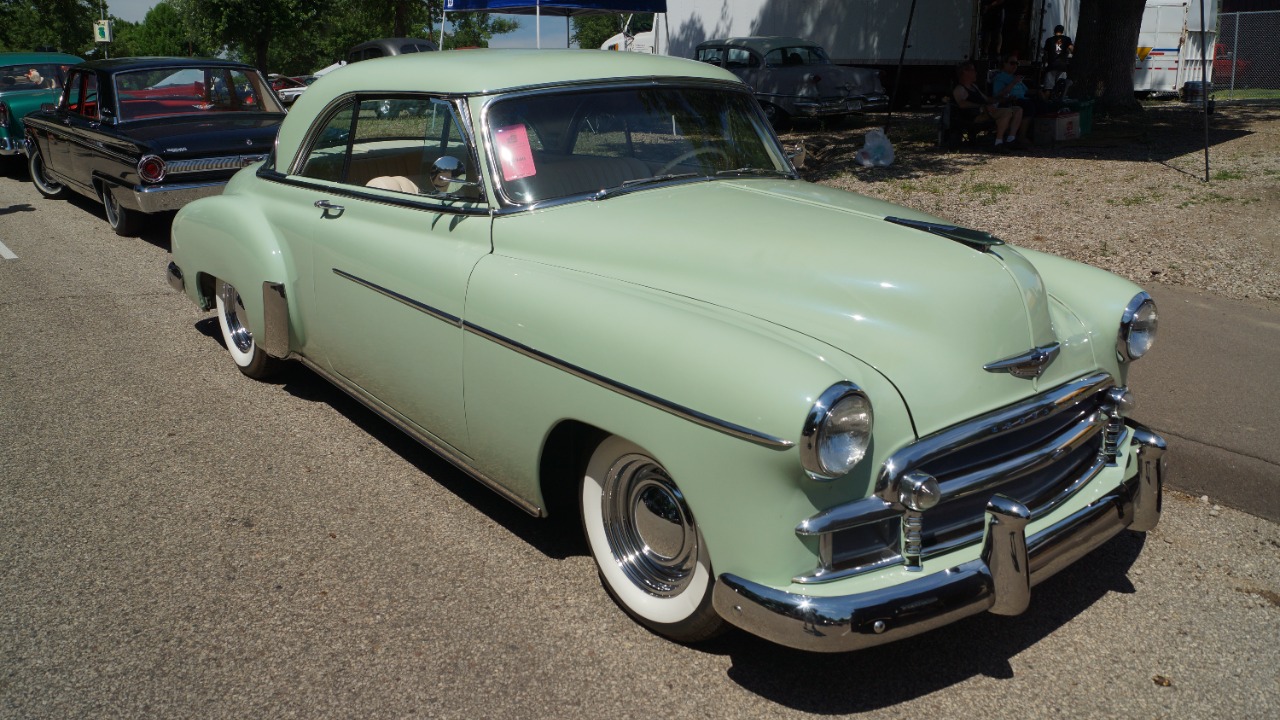
The 1950 Chevrolet Bel Air became synonymous with the American lifestyle, capturing the essence of the post-war era. Its bold design and vibrant colors appealed to a new generation eager for self-expression and freedom. The Bel Air featured a range of options, including powerful engines and stylish interiors, making it a popular choice among families and young professionals. Its affordability and reliability also contributed to its status as a cultural icon. As families took to the highways for road trips and vacations, the Bel Air represented not just a car, but a symbol of the American dream of adventure and exploration.
1955 Ford Thunderbird
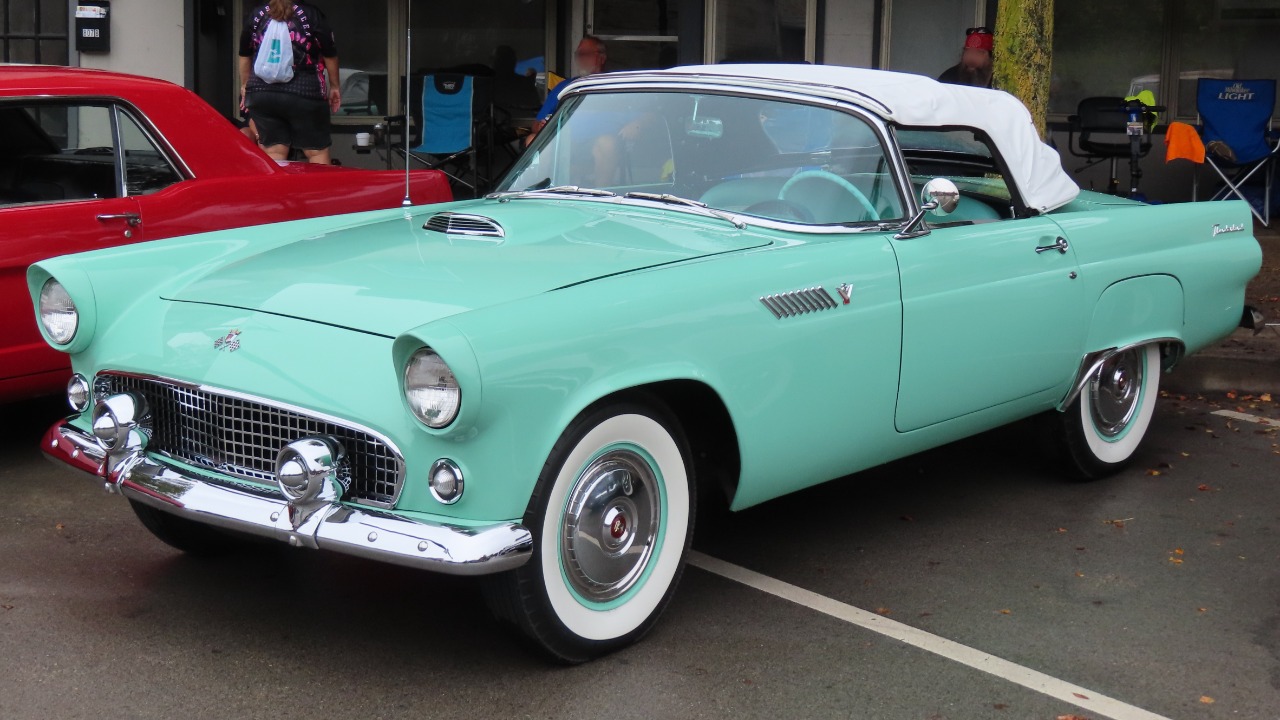
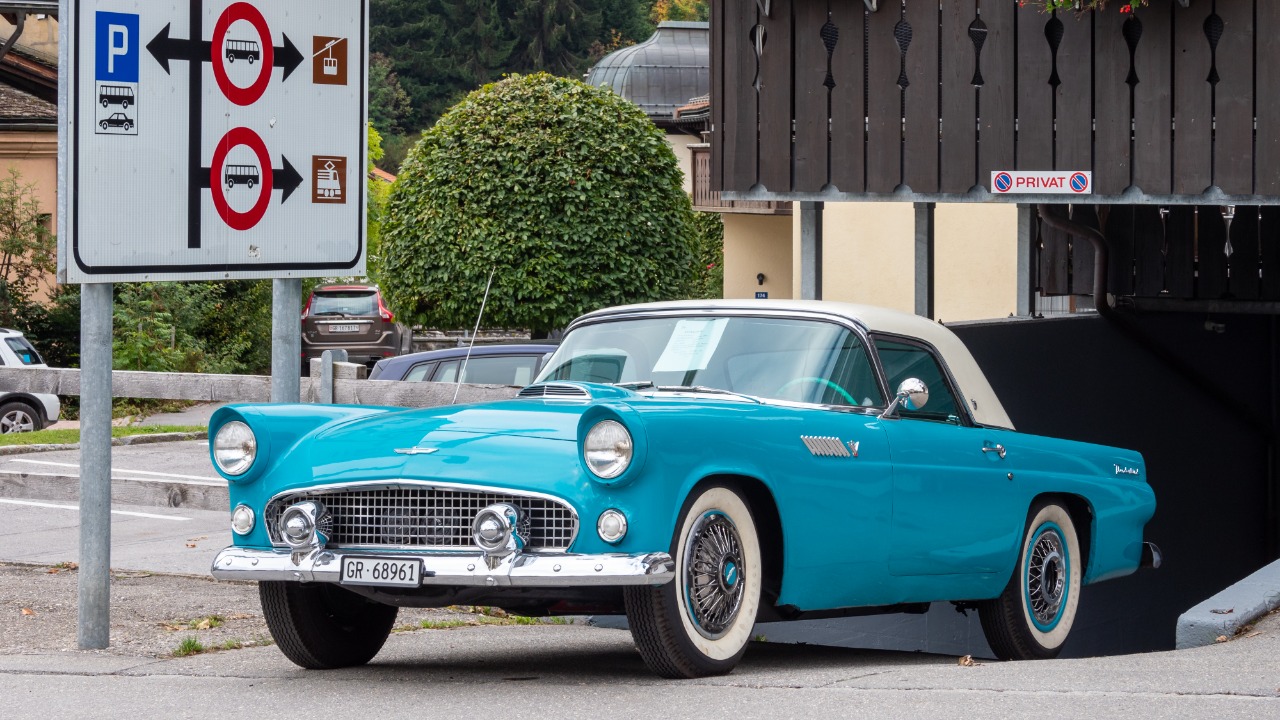
The 1955 Ford Thunderbird introduced a new concept of personal luxury cars that blended style and performance. It was designed to appeal to those seeking a car that was not only practical but also fun to drive. With its sporty design, powerful V8 engine, and comfortable interior, the Thunderbird captured the imagination of many Americans. Its success led to a growing market for personal luxury cars, influencing competitors to create their own models. The Thunderbird’s allure was reflected in its appearances in popular culture, reinforcing its status as a symbol of aspiration and hope during the 1950s.
1957 Chevrolet Corvette
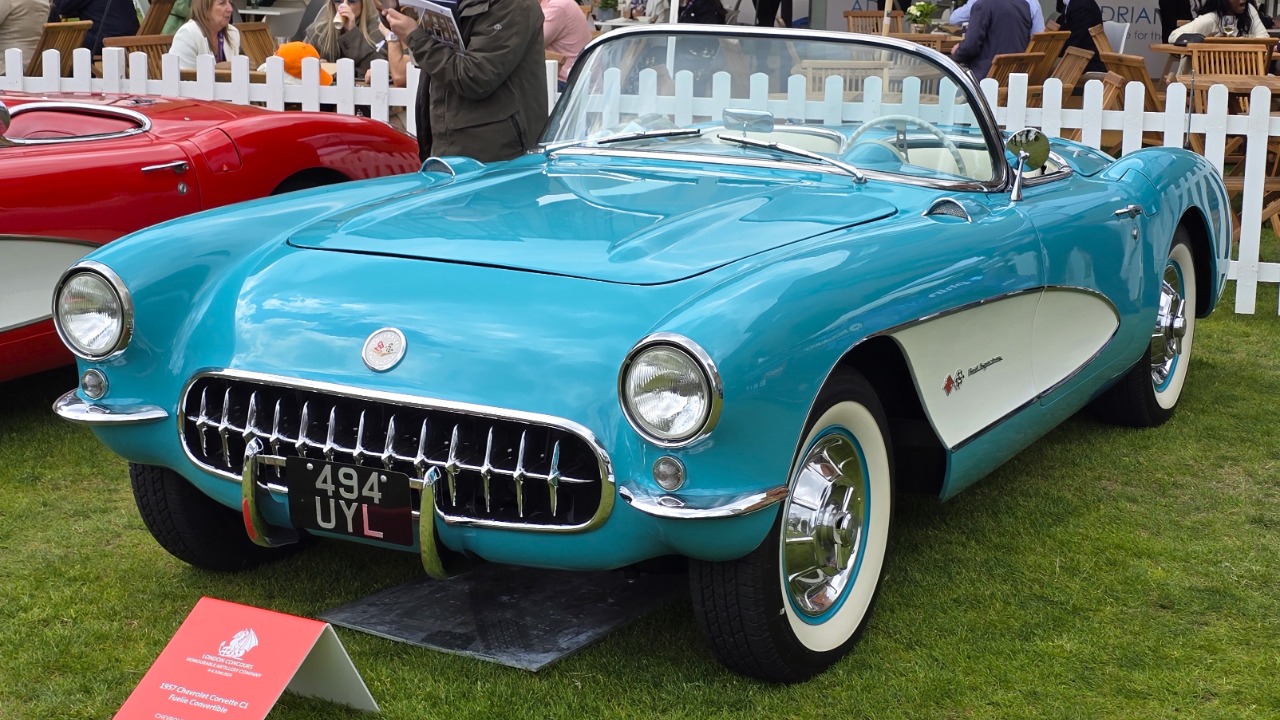
The 1957 Chevrolet Corvette is often regarded as one of the most iconic American sports cars, embodying the spirit of freedom and adventure. With its sleek design and powerful V8 engine, it became a symbol of performance and engineering excellence. The Corvette’s introduction coincided with a growing interest in speed and style among American consumers. Its affordability and accessibility made it popular among young drivers eager to break away from the norm. Today, the 1957 Corvette is celebrated not only for its performance but also for its cultural significance, representing the hope and ambition of a generation looking to the future.
1964 Pontiac GTO
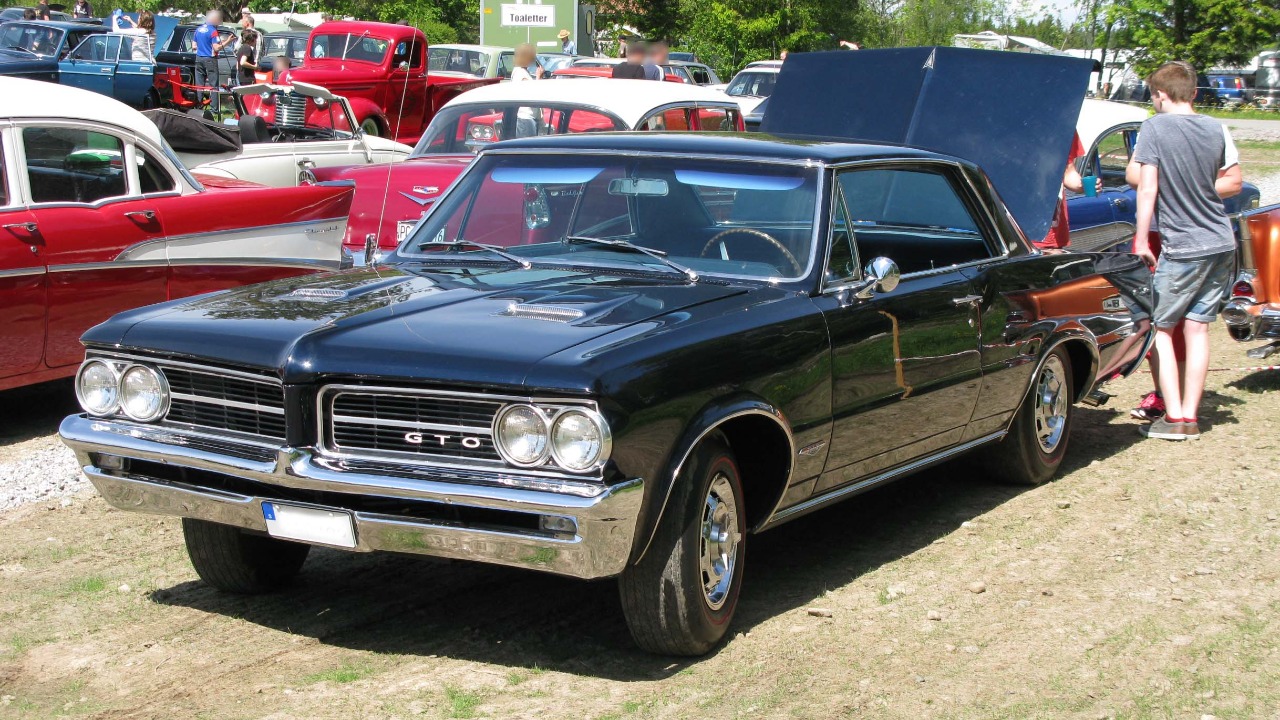
The 1964 Pontiac GTO is credited with launching the muscle car era, blending power and style that appealed to a youthful audience. With its robust V8 engine and aggressive design, the GTO captured the thrill of driving and the excitement of the American car culture. It embodied the spirit of the 1960s, a decade marked by social change and a desire for personal expression. As young Americans sought freedom and adventure, the GTO emerged as a symbol of rebellion and independence. Its legacy continues today, and it remains a sought-after classic among car enthusiasts who appreciate its role in automotive history.
1966 Ford Mustang
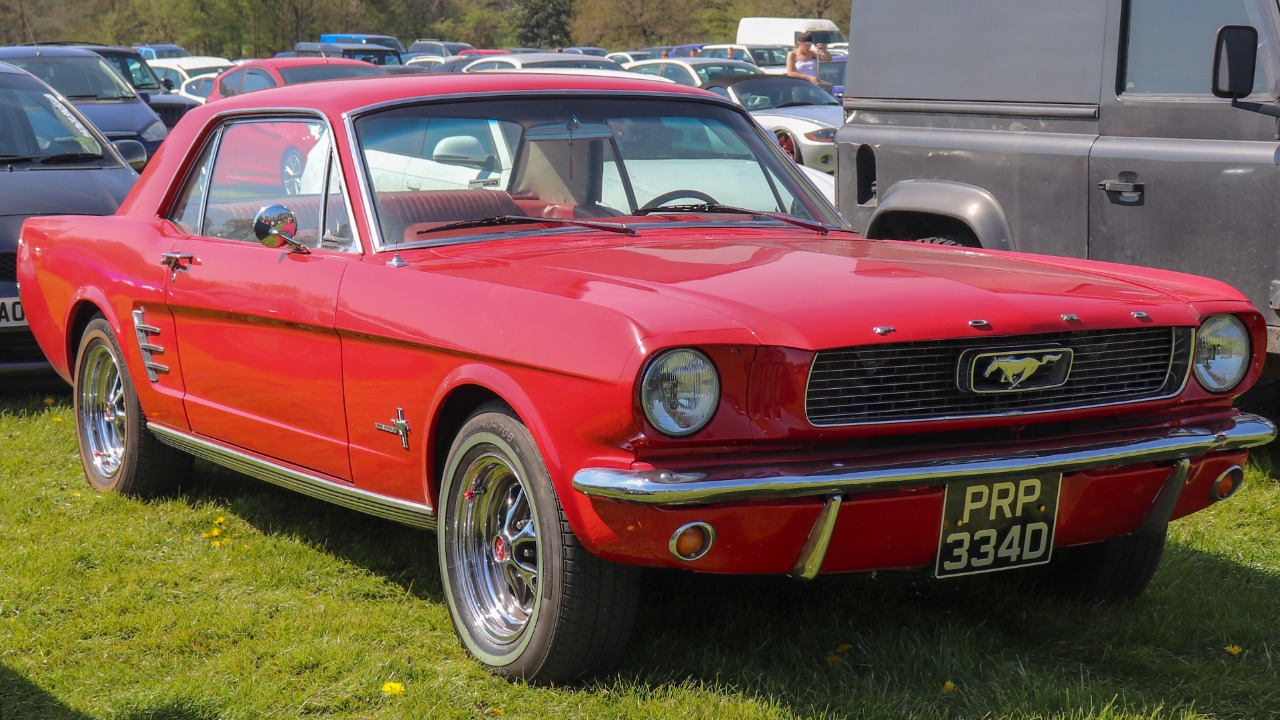
The 1966 Ford Mustang became an instant classic, representing the youthful spirit of the 1960s. With its stylish design and variety of options, including powerful engines and sporty features, the Mustang appealed to a wide audience. It was marketed as an affordable performance car, making it accessible to a generation eager to experience the thrill of driving. The Mustang’s debut coincided with the rise of car culture in America, and it quickly became a cultural icon, symbolizing freedom and individuality. Even today, the Mustang continues to evolve while maintaining its status as a symbol of American automotive ingenuity.
1970 Chevrolet Camaro
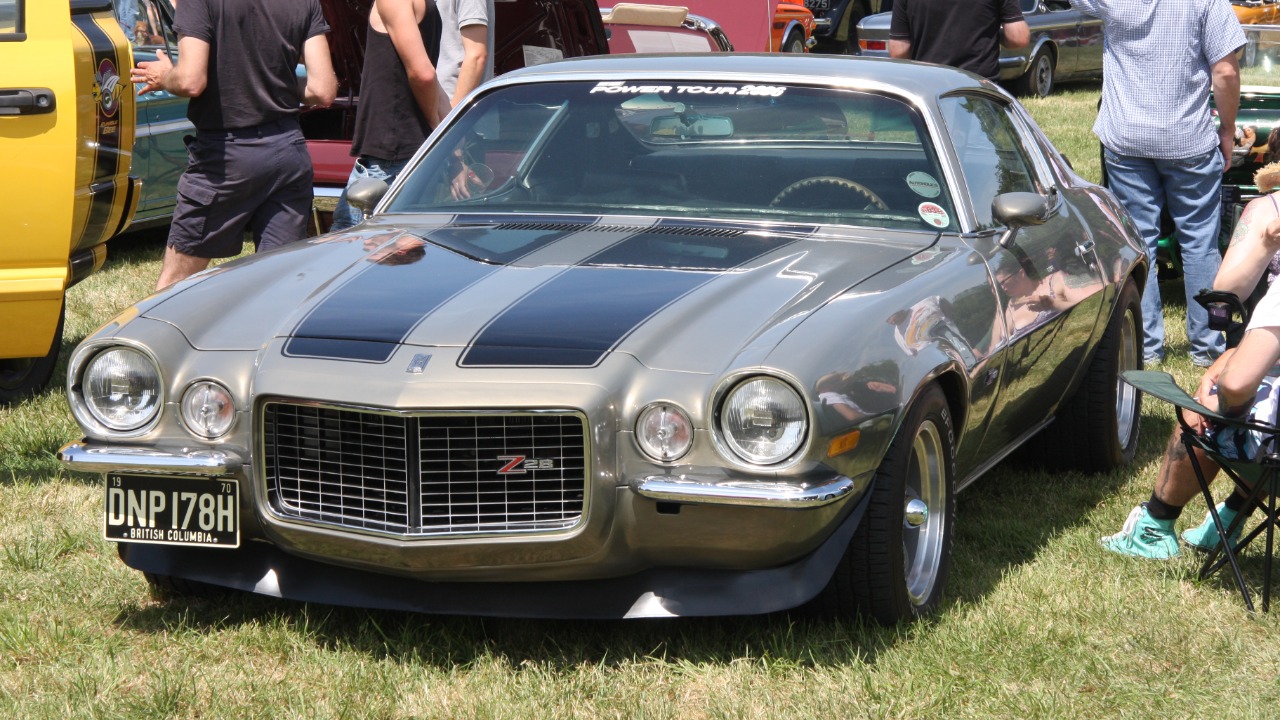
The 1970 Chevrolet Camaro was designed to compete in the growing muscle car market, capturing the essence of American performance and style. With its aggressive design and powerful engine options, the Camaro appealed to enthusiasts looking for speed and excitement. Its introduction came during a time of cultural change, and the Camaro quickly became associated with youth and rebellion. It embodied the hopes of a generation eager to break free from tradition and embrace new experiences. The Camaro remains a beloved classic, representing the enduring appeal of American muscle cars and their place in popular culture.
1983 Dodge Ram 1500
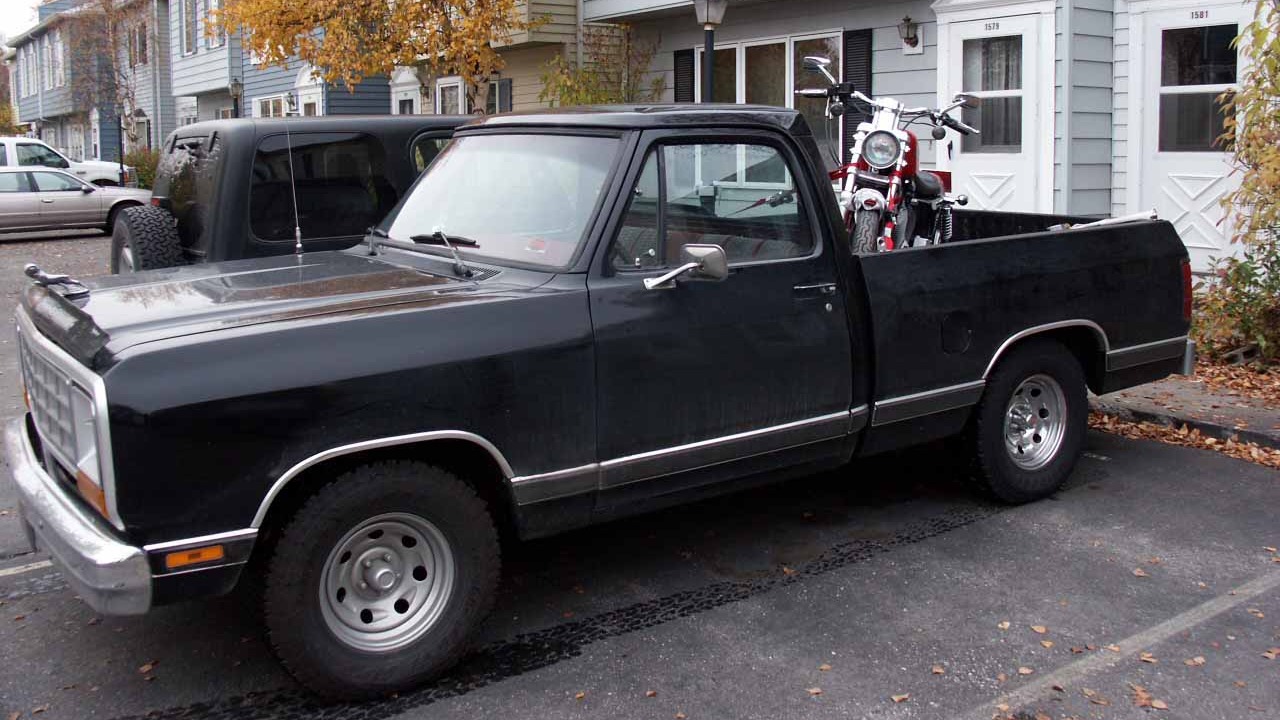
By the early 1980s, the automotive landscape was changing, and the 1983 Dodge Ram 1500 emerged as a symbol of durability and versatility. This model was designed to appeal to both work and play, offering a blend of ruggedness and comfort. Its distinctive styling and powerful engine options made it a popular choice among consumers who needed a reliable truck for various tasks. The Ram 1500’s reputation for toughness and performance helped solidify Dodge’s position in the competitive truck market. As Americans continued to embrace the freedom of the open road, the Ram 1500 became a symbol of hope and resilience.
More from Fast Lane Only
- Unboxing the WWII Jeep in a Crate
- 15 rare Chevys collectors are quietly buying
- 10 underrated V8s still worth hunting down
- Police notice this before you even roll window down
*Research for this article included AI assistance, with all final content reviewed by human editors.