
In the quest for speed and efficiency, both bullet trains and planes offer compelling advantages for travelers. While planes have long been the symbol of swift transport over long distances, bullet trains have emerged as a formidable competitor, particularly in regions with advanced rail infrastructure. This exploration delves into the nuances of speed between these two modern marvels of transportation.
Technological Advancements in Speed
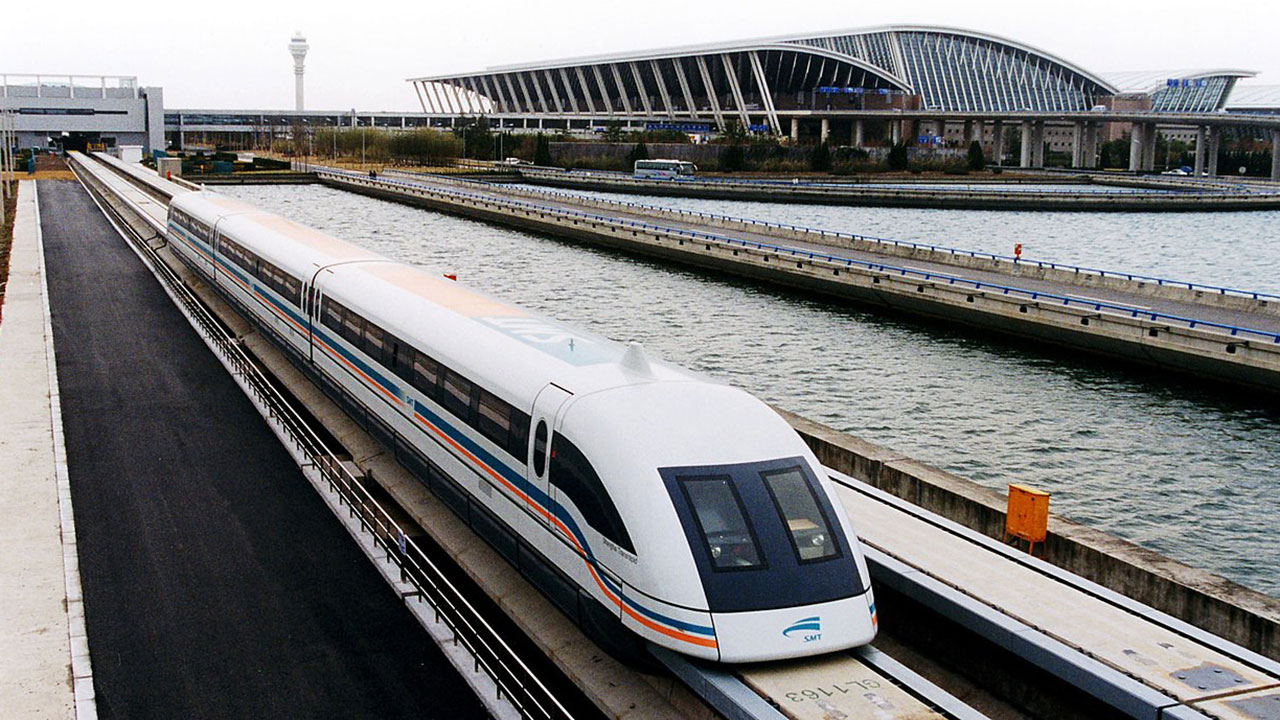
Bullet trains have undergone significant technological enhancements, most notably with the development of magnetic levitation (Maglev) technology. Maglev trains, such as those operating in Shanghai, reach speeds up to 431 km/h (268 mph) by using powerful electromagnets to lift and propel the train above the track, reducing friction and allowing for smoother, faster travel. According to an IEEE article, these advancements not only increase speed but also enhance the reliability and efficiency of train travel. The reduction of mechanical contact ensures less wear and tear, potentially lowering maintenance costs and improving safety.
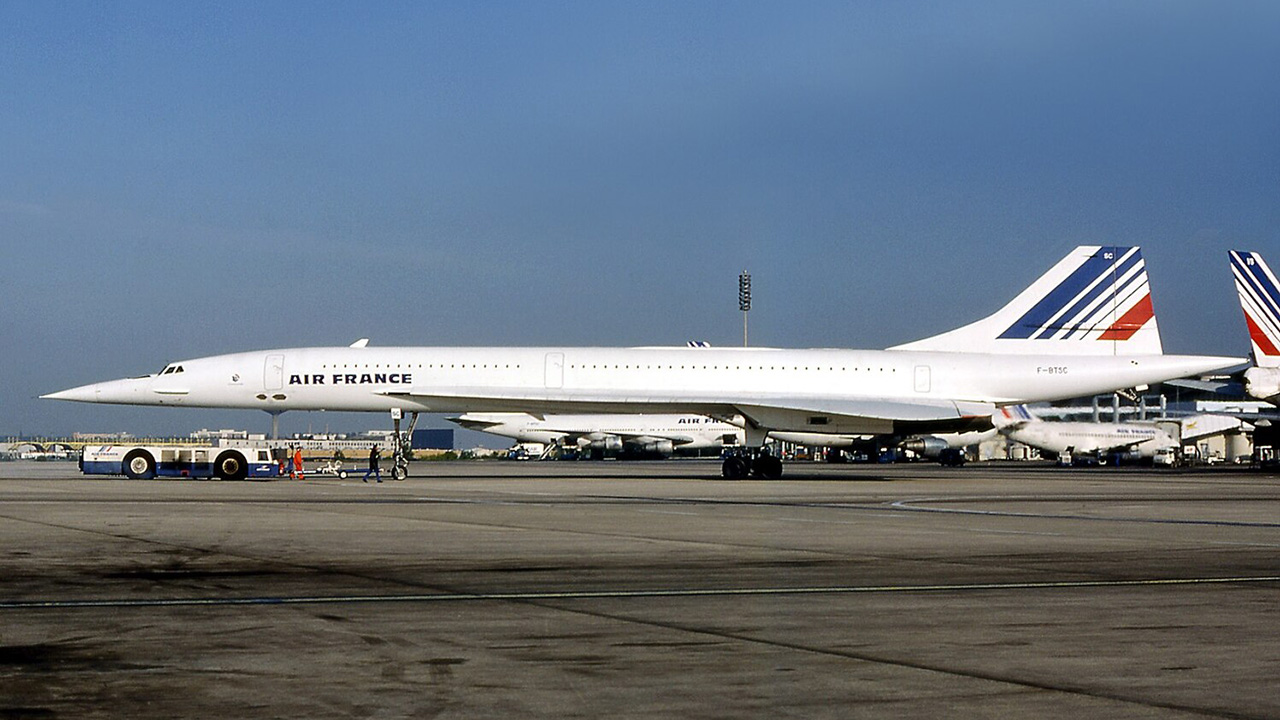
In contrast, airplanes have also seen substantial progress in speed and efficiency. Modern jets like the Boeing 787 Dreamliner and the Airbus A350 have benefitted from aerodynamic improvements and advanced engine technologies that reduce drag and improve fuel efficiency. These enhancements allow planes to fly faster and more economically over longer distances. Recent developments in supersonic travel, such as the Boom Supersonic project, aim to reintroduce commercial supersonic flights, potentially reducing transatlantic travel time by half. These innovations highlight the ongoing race to optimize travel speed in air transportation.
Travel Distance and Speed Dynamics
For short to medium distances, bullet trains often have the upper hand over planes in terms of total travel time. In regions like Europe and East Asia, where high-speed rail networks are extensive, trains can be faster than planes when factoring in airport security, check-in times, and the journey to and from airports. According to The China Journey, high-speed rail lines such as the Beijing-Shanghai route can complete the trip in approximately 4.5 hours, whereas a flight might take around 6 hours including ground transportation and security checks.
However, for long-distance travel, airplanes typically maintain a speed advantage. When crossing continents or oceans, air travel remains the fastest option. The ability of airplanes to fly at high altitudes and speeds of over 900 km/h (560 mph) makes them indispensable for long-haul travel. For instance, a flight from New York to London takes about 7 hours, compared to the considerable time it would take a train to cover the same distance, including potential undersea travel challenges. Consequently, for long-haul routes, planes are likely to retain their dominance in speed.
Infrastructure and Accessibility
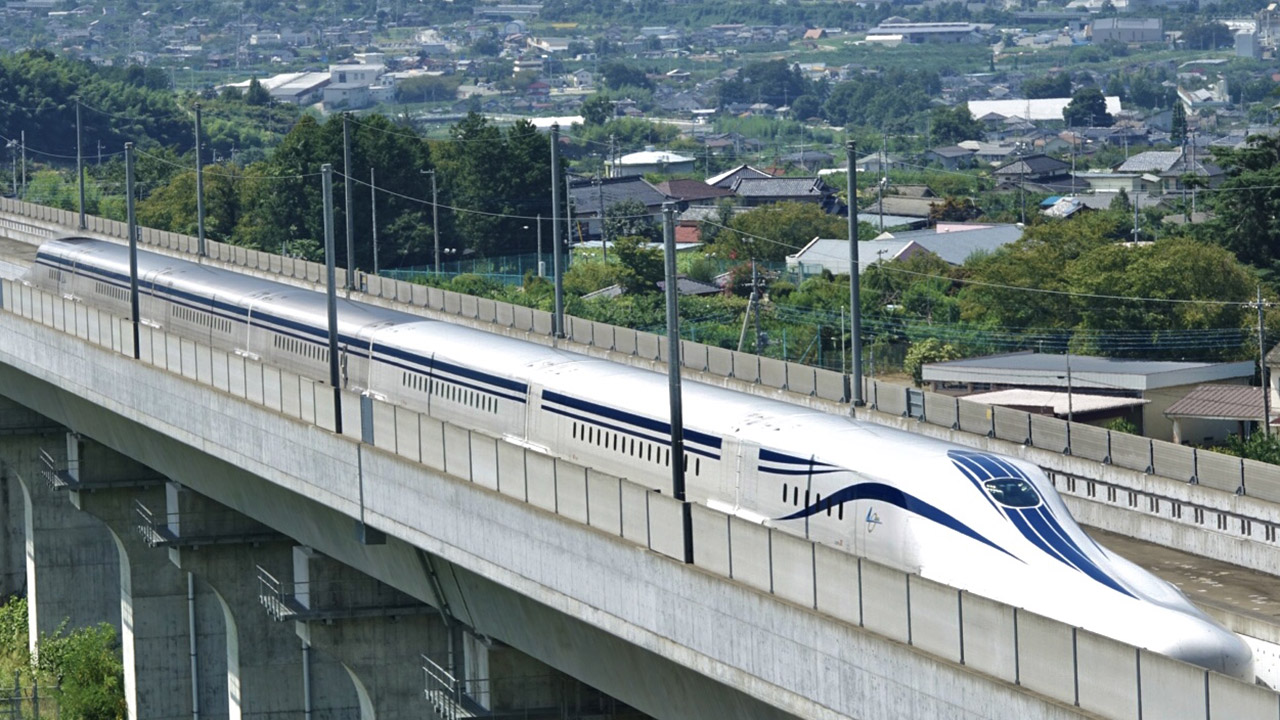
The efficiency of bullet trains is inextricably linked to the quality and extent of the rail network. Countries like Japan and France, with their Shinkansen and TGV systems respectively, showcase how an extensive rail infrastructure can make train travel not only faster but also more convenient. A well-connected rail network can significantly reduce travel time by offering direct routes and frequent services. Insights from Springer highlight how such networks are designed to optimize speed and efficiency, making them highly competitive with air travel on certain routes.
Conversely, airport and airspace congestion can substantially impact the speed and efficiency of air travel. Major airports around the world, such as Heathrow and JFK, often experience delays due to high traffic volume. Additionally, congested airspace can lead to longer flight paths and extended travel times. An article from the South China Morning Post notes that these factors contribute to travelers opting for bullet trains in regions where the rail infrastructure is robust, as trains offer a more predictable and often quicker alternative.
Environmental and Economic Considerations

Environmental concerns are increasingly influencing transportation choices. Bullet trains are often lauded for their lower environmental impact compared to airplanes. They generally consume less energy per passenger kilometer and produce fewer emissions, especially when powered by renewable energy sources. High-speed trains operating on electricity can significantly reduce the carbon footprint of travel, making them an attractive option for environmentally conscious travelers.
From an economic perspective, bullet trains and planes each offer distinct advantages. Factors such as ticket pricing, infrastructure costs, and operational efficiencies play a crucial role in determining the overall economic viability of each mode of transport. A discussion on Y Combinator highlights that while the initial cost of building high-speed rail infrastructure is substantial, the long-term operational savings can make it economically favorable. In contrast, airplanes benefit from existing airport infrastructure but face fluctuating fuel costs and maintenance expenses, which can impact ticket prices and operational efficiency.
Traveler Preferences and Experiences

Traveler preferences often hinge on factors of comfort and convenience. Bullet trains offer spacious seating, the ability to move freely within the train, and often have more lenient baggage policies. The experience of boarding a train can be less stressful than navigating airport security and boarding procedures. In regions where high-speed trains are prevalent, they are often preferred for their straightforward and efficient boarding processes.
Cultural and regional influences also play a significant role in the choice between bullet trains and planes. In Europe and Japan, where rail culture is deeply ingrained, trains are a popular choice for both domestic and regional travel. Meanwhile, in regions like North America, where air travel infrastructure is more developed, airplanes are often the primary mode of long-distance travel. These preferences are shaped by the availability and development of transportation infrastructure, as well as cultural attitudes towards travel.
Like Fast Lane Only’s content? Be sure to follow us.
Here’s more from us:
*Created with AI assistance and editor review.