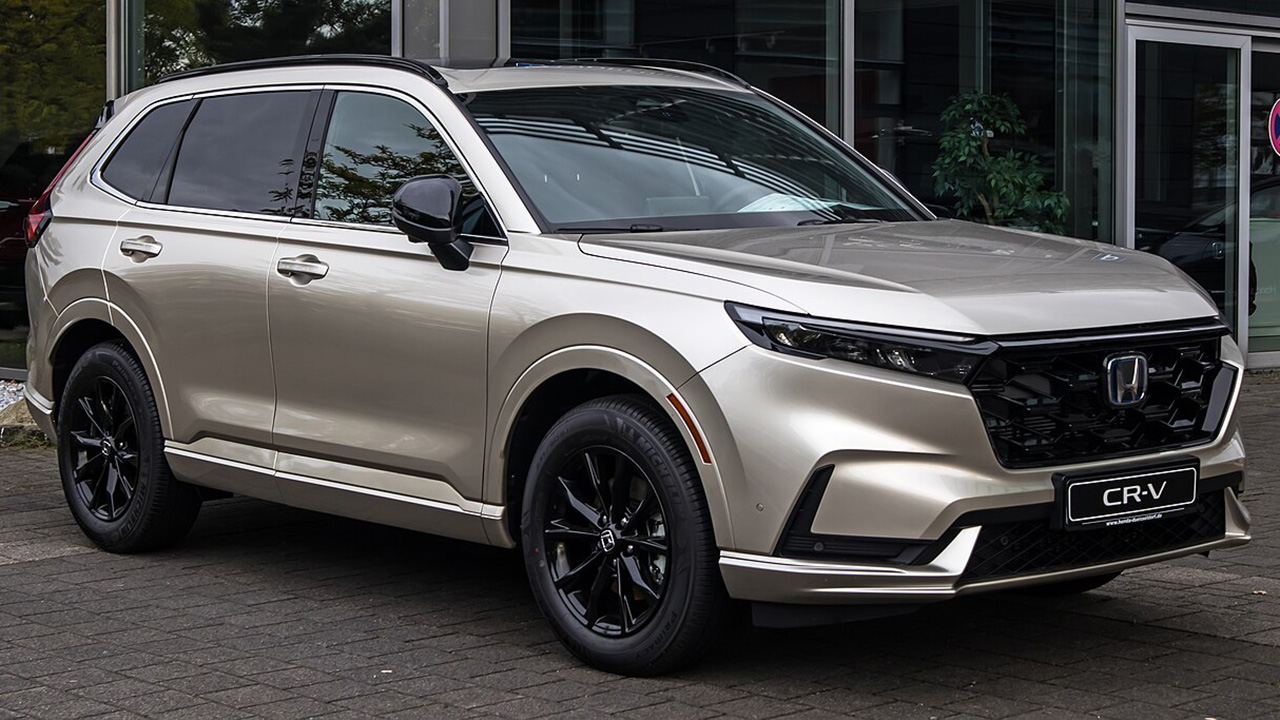
With the growing emphasis on sustainability and reducing carbon footprints, consumers face the choice between hybrid vehicles and electric vehicles (EVs). Both options offer unique benefits and drawbacks, making the decision complex for potential buyers. Key considerations can help determine which type of vehicle might be the better fit for one’s lifestyle and needs.
Understanding the Basics
Hybrid Vehicles
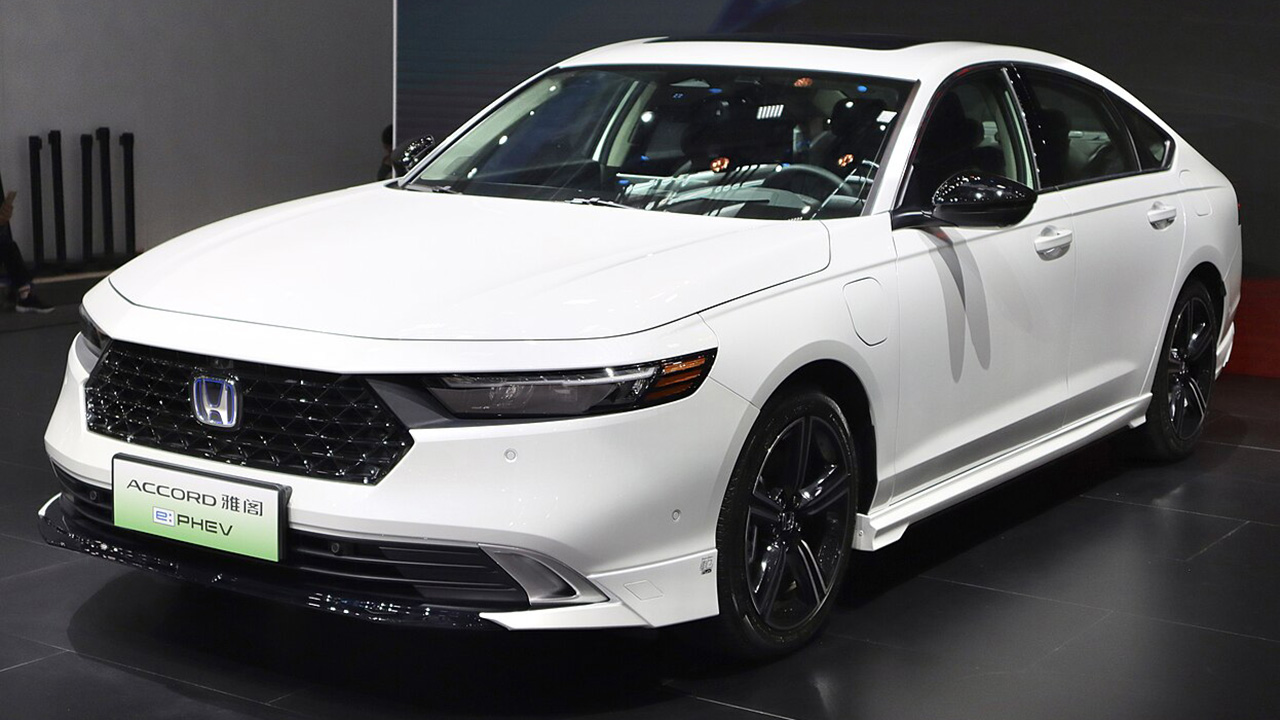
Hybrid vehicles combine a traditional internal combustion engine with an electric motor to improve fuel efficiency. The electric motor assists the engine during acceleration and can sometimes operate the vehicle independently. There are several types of hybrid systems, each with varying levels of electric assistance: mild, full, and plug-in hybrids. Mild hybrids offer minimal electric support, while full hybrids can run solely on electric power for short distances. Plug-in hybrids have larger batteries, allowing for extended electric-only driving ranges.
Electric Vehicles
Electric vehicles run entirely on electricity, utilizing a battery pack to power an electric motor. Unlike hybrids, EVs do not have an internal combustion engine, which eliminates tailpipe emissions. Battery technology and charging infrastructure have seen significant advancements, making EVs more viable for everyday use. With longer ranges and faster charging options, modern EVs like the Tesla Model 3 and Ford Mustang Mach-E are gaining popularity among consumers.
Cost Considerations
Initial Purchase Price
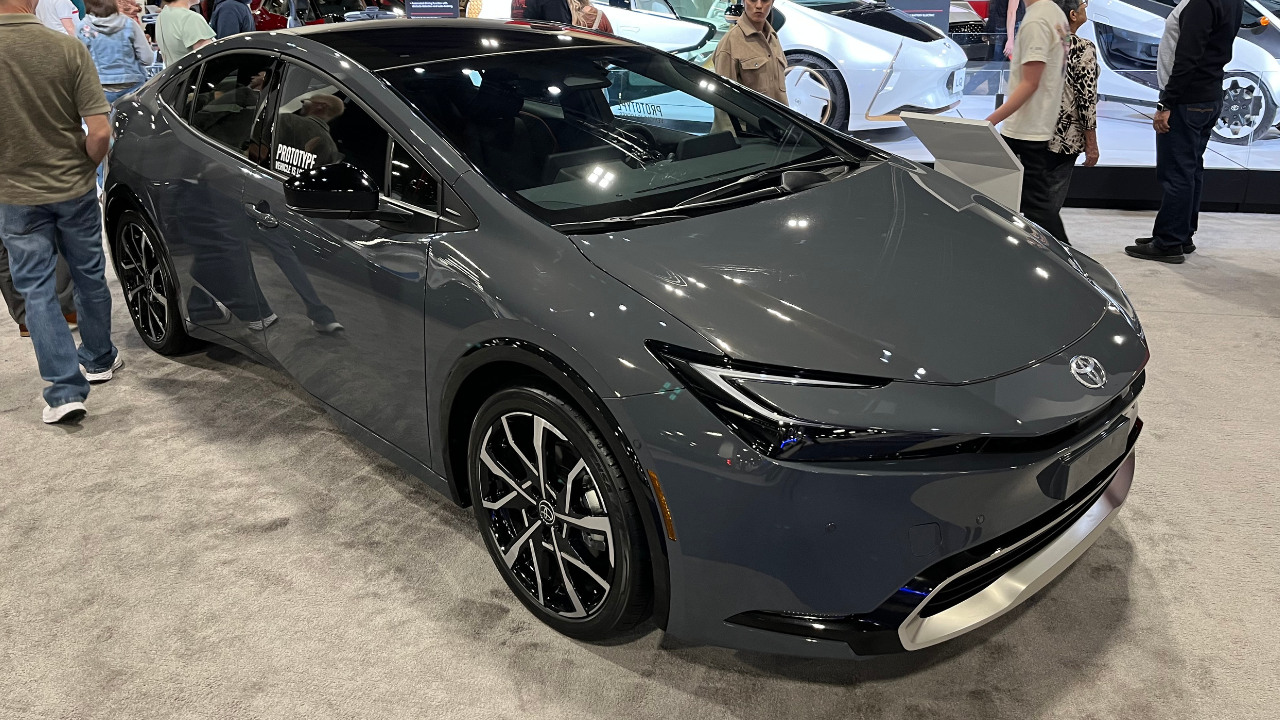
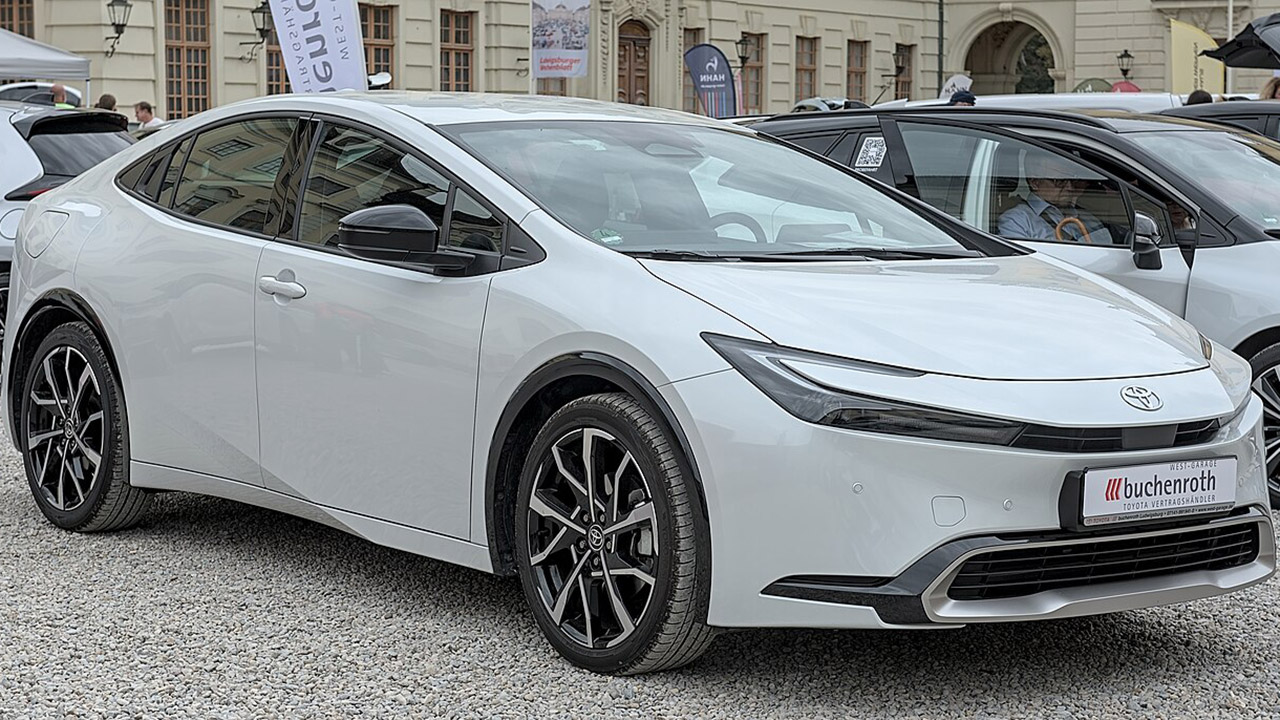
The initial purchase price of hybrid vehicles is generally lower than that of electric vehicles. For instance, a 2023 Toyota Prius hybrid starts at around $25,000, whereas a Chevrolet Bolt EV might start closer to $31,000. However, both hybrid and electric vehicles may qualify for various incentives and rebates, potentially offsetting their upfront costs. These incentives vary by region, so it’s important to research local options before making a purchase.
Long-Term Savings
When considering long-term savings, electric vehicles often have the edge over hybrids. EVs typically have lower fuel and maintenance costs. For example, electricity is generally cheaper than gasoline, and EVs have fewer moving parts, reducing the likelihood of costly repairs. On the other hand, hybrids still rely partially on gasoline, which can lead to higher fuel expenses over time. Depreciation rates and resale values also play a critical role. While EVs can depreciate quickly due to rapid technological advancements, hybrids often retain their value better in the used car market.
Environmental Impact
Emission Reductions
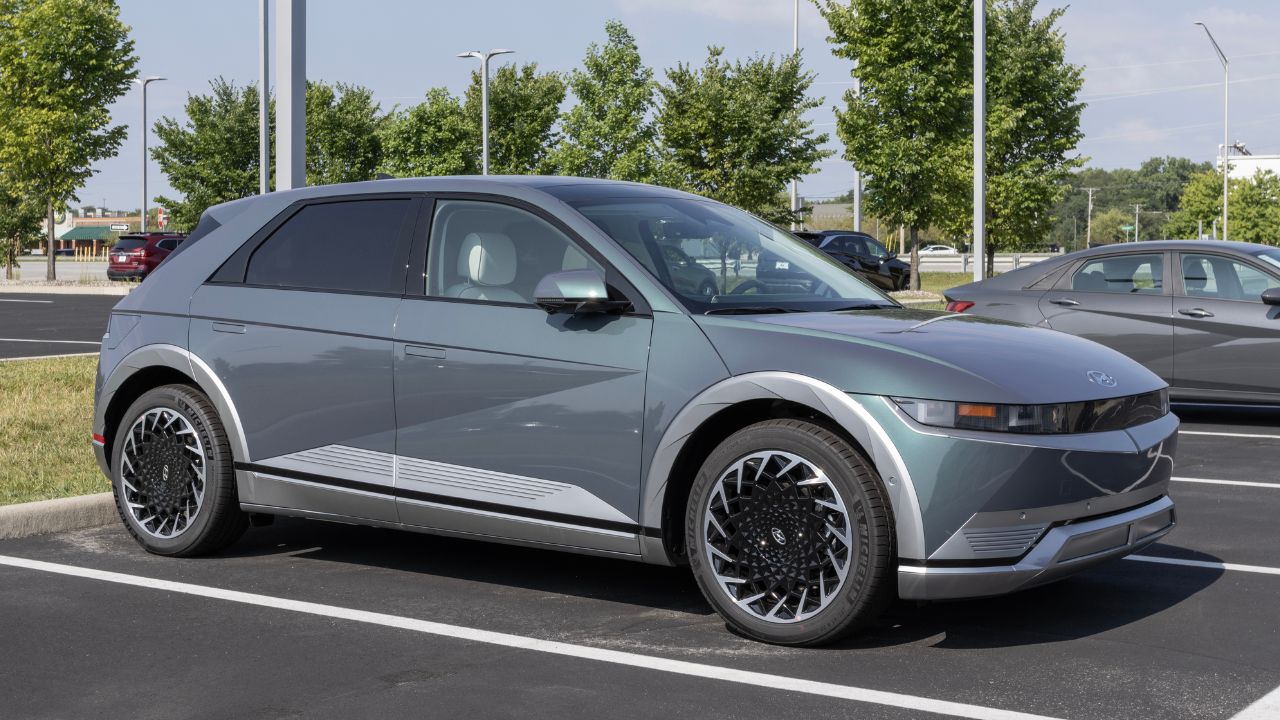
Environmental impact is a major consideration for many buyers. Electric vehicles boast lower life-cycle emissions compared to hybrids. A study published in ScienceDirect highlights that, even when accounting for electricity generation, EVs contribute less to greenhouse gas emissions than their hybrid counterparts. However, the environmental benefits of EVs heavily depend on the sources of electricity. Regions relying on renewable energy see a more significant reduction in emissions compared to those dependent on fossil fuels.
Sustainability of Materials
The sustainability of materials used in vehicle production also impacts environmental considerations. Both hybrids and EVs use rare earth materials in their batteries and motors, raising concerns about mining practices and resource scarcity. Additionally, the disposal and recycling of batteries pose challenges. While efforts are underway to improve battery recycling processes, it’s crucial for manufacturers to develop more sustainable solutions to minimize environmental harm.
Performance and Range
Driving Experience
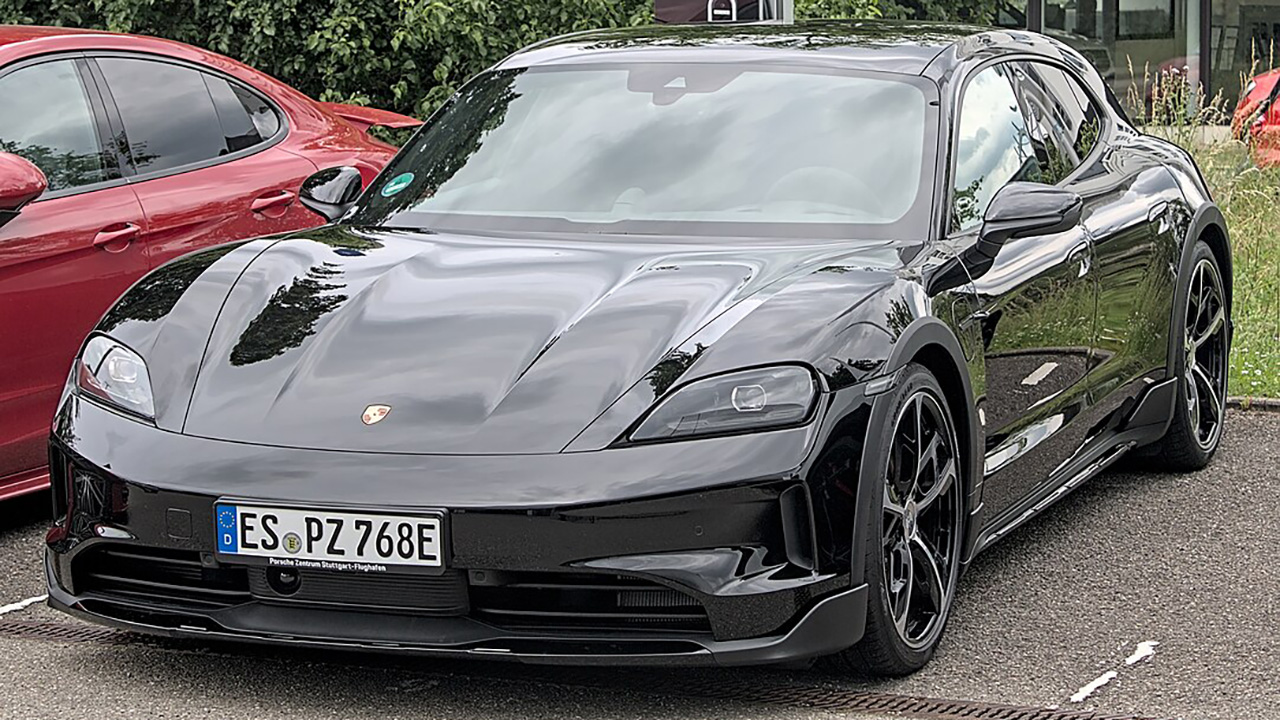
Performance is another critical factor when comparing hybrids and EVs. Electric vehicles are known for their instant torque and smooth acceleration, providing a more dynamic driving experience. Models like the Porsche Taycan offer exceptional handling and speed, rivaling traditional sports cars. Hybrids, while offering improved fuel efficiency, may not deliver the same level of performance due to the combined use of electric and combustion engines. However, they provide a balanced driving experience suitable for everyday commuting.
Range and Refueling
Range and refueling options significantly influence a buyer’s decision. Hybrids offer the advantage of running on gasoline, providing a longer range and easy refueling at gas stations. In contrast, EVs depend entirely on battery range and access to charging stations. Although charging infrastructure is expanding rapidly, it may still be a concern in some areas. For those with regular access to home charging or a robust network of public charging stations, EVs can be a practical choice. However, for long-distance travel or areas with limited charging options, hybrids may offer greater convenience.
Future Trends and Technological Advancements
Advancements in Battery Technology
Battery technology continues to evolve, promising significant improvements in efficiency and longevity. Innovations such as solid-state batteries and increased energy density could enhance the range and reduce costs for electric vehicles. As these technologies become mainstream, we can expect a shift in the market dynamics, making EVs more accessible and appealing to a wider audience. This evolution is already evident in models like the Lucid Air, which boasts impressive range capabilities.
Policy and Market Trends
Government policies and market trends play a vital role in shaping the future of hybrid and electric vehicles. Many countries are implementing stricter emission regulations and offering incentives to promote the adoption of cleaner vehicles. Manufacturers are responding by investing heavily in EV technology and committing to electrify their fleets within the coming decades. Consumer preferences are also shifting towards sustainable options, driving demand for both hybrid and electric vehicles.
Like Fast Lane Only’s content? Be sure to follow us.
Here’s more from us:
*Created with AI assistance and editor review.