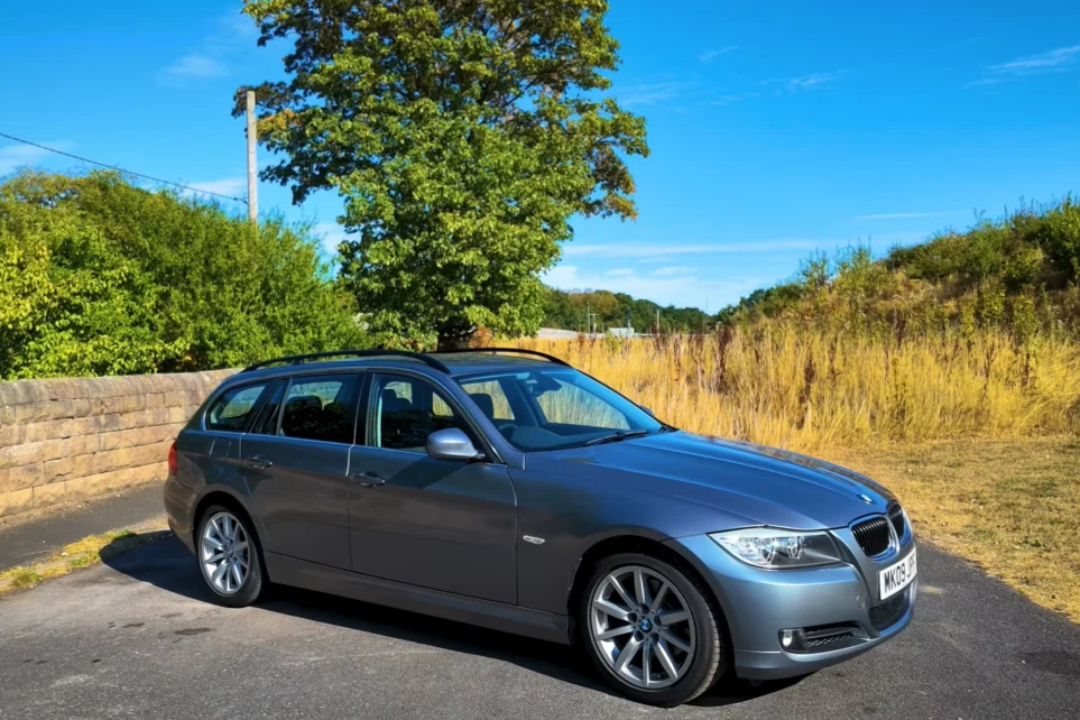
Certified pre-owned vehicles promise a middle path between new-car security and used-car savings, but the reality is more nuanced than the glossy showroom pitch. Buyers are paying a clear premium for that factory-backed label, and the value of that extra cost depends heavily on how long they plan to keep the car, what is covered, and how disciplined they are about shopping the alternatives. I want to unpack both the headline advantages and the less obvious tradeoffs so shoppers can decide whether that CPO badge is genuine protection or just expensive peace of mind.
What “certified pre-owned” really means
At its core, a certified pre-owned program is a marketing promise wrapped around a used car that has passed a defined inspection and qualifies for extra warranty coverage. A typical CPO vehicle is a late-model trade-in or lease return with relatively low mileage that has been inspected, reconditioned, and then sold with a manufacturer-backed warranty that extends beyond the original new-car coverage. Programs described as Certified Pre Owned Vehicle programs are typically overseen by a Program Administrator at the manufacturer level, which means the brand, not just the individual dealer, is standing behind the inspection checklist and the warranty language.
That structure matters because it separates a true factory CPO from a simple dealer “certified” label that might rely on a looser in-house standard. Factory-backed programs described in guides to Certified Pre Owned cars spell out eligibility rules, such as maximum age and mileage, and require an extensive inspection that can run to dozens or even more than one hundred checks. When I look at those standards alongside vehicle history tools from places like Carfax, the picture that emerges is a used car that has been filtered twice, first by the brand’s criteria and then by the inspection process, before it ever reaches the retail lot.
The headline advantages: warranty, inspection, and peace of mind
The most compelling advantage of a CPO vehicle is the extra protection against expensive mechanical failures. Factory programs typically add an Extended Warranty on top of whatever remains of the original coverage, often focused on the powertrain but sometimes including broader components. One owner in a June discussion highlighted that the Mazda CPO program stretches the drivetrain warranty to 100,000 miles, more than double the standard coverage, which can be a decisive factor for someone planning to keep a CX-5 or Mazda3 well into six-figure mileage. Reporting on CPO programs notes that they are “protected against defects and expensive repairs by an extended manufacturer’s warranty,” which is exactly the kind of safety net that can turn a scary transmission failure into a manageable inconvenience.
That warranty sits on top of a structured inspection and reconditioning process that is designed to weed out problem cars before they ever reach a buyer. Guides that explain what does a Certified Pre Owned car mean describe multi-point inspections that cover mechanical systems, safety equipment, and cosmetic issues, with required repairs before certification. Analysis of CPO programs notes that Certified vehicles are often “cherry picked” from the used inventory, which means the cars that qualify tend to have better reliability histories and stronger condition ratings than the average used car on the same lot. For a buyer who does not want to arrange an independent inspection or sift through dozens of private listings, that combination of screening and warranty can feel like a justifiable premium.
Where the premium bites: higher prices and limited choice
The flip side of that extra protection is that CPO vehicles are priced higher than comparable non-certified used cars, sometimes by thousands of dollars. Analyses of CPO pricing point out that these cars “are absolutely more expensive” than regular used vehicles, reflecting both the cost of the inspection and the value of the added warranty coverage. One breakdown of the pros & cons of buying CPO notes that the higher resale value of these vehicles is a double-edged sword: it helps owners later, but it also means paying more upfront. When I compare that with user experiences in the comments section of “are certified pre-owned cars really worth it,” the pattern is consistent: buyers are often weighing a CPO car against a slightly older or higher-mileage non-certified option that costs significantly less but carries more risk.
Beyond price, the certification rules themselves narrow the pool of available vehicles, which can limit choice in ways that matter to real-world shoppers. A breakdown of the cons of a certified program notes that buyers face “Limited Options” because only vehicles that meet strict age, mileage, and condition standards can be certified. That means someone hunting for a specific trim, like a manual-transmission Honda Civic Si or a particular color combination on a Toyota RAV4, may find that the only examples on the lot that match their wish list are regular used cars, not CPO. In practice, the shopper is then forced to choose between the ideal spec without the warranty or a less perfect configuration that carries the coveted certification label.
Hidden drawbacks: coverage gaps, wear and tear, and fine print
Even when a car is certified, it is still a used vehicle, with all the wear and tear that implies. Guides that compare used and certified options point out that any Pre Owned Vehicle will have some history of use, and certification does not erase prior wear on items like brakes, tires, or suspension components. The inspection process is designed to catch safety issues and major defects, but it does not guarantee that every consumable part is new or that cosmetic flaws have been fully corrected. That is why I still see value in pulling a detailed history report from a service like Carfax and doing a careful test drive, even when the car carries a factory CPO badge.
The warranty itself can also be more limited than buyers assume, which is where the fine print becomes critical. Overviews of what a CPO program includes emphasize that coverage often focuses on the powertrain, with shorter terms or narrower protection for electronics, infotainment systems, or interior components. Some programs require a deductible for each repair visit, which can erode the financial benefit of the warranty if the car needs multiple small fixes instead of one big, covered failure. The value calculation depends on how long the buyer plans to keep the vehicle and whether they are likely to hit the mileage or time limits before the warranty expires.

When a CPO deal makes sense, and when it does not
For some buyers, the combination of warranty coverage, inspection, and manufacturer backing is worth the premium, especially when compared with the cost of a major repair on a modern vehicle packed with complex electronics. However, not everyone can afford a new car or sees value in paying for the first years of depreciation, which is where a late-model certified vehicle can hit a sweet spot. Not every used car qualifies as CPO, which means the ones that do are often newer, lower mileage, and better maintained than the broader used market. For a family buying a 2-year-old Toyota Highlander or Subaru Outback and planning to keep it for five to seven years, the extra warranty coverage can provide real financial protection against a failed transmission or all-wheel-drive component.
On the other hand, shoppers who are comfortable with risk, handy with repairs, or planning to keep the car only for a short period may find that the CPO premium does not pencil out. Some buyers argue that the extra cost is better spent on a thorough independent inspection and a small repair fund, especially for simpler vehicles like a base Toyota Corolla or Honda Fit. Overviews of CPO programs stress that buyers should understand exactly what they are paying for, line by line, and compare that cost with the price of a similar non-certified car plus an aftermarket warranty or self-funded reserve. When I weigh those tradeoffs, the CPO badge looks most compelling for complex, expensive-to-fix models and for owners who value predictability over squeezing every last dollar out of the deal.
How to shop smart if you decide to go certified
For buyers who decide that certification is worth considering, the key is to treat the CPO label as a starting point, not a guarantee that every aspect of the deal is fair. I recommend comparing multiple brands’ programs side by side, paying close attention to warranty length, mileage limits, deductibles, and what systems are covered. Guides that explain what to expect from a CPO vehicle show that some brands bundle roadside assistance, loaner cars, or free maintenance, while others focus almost entirely on powertrain coverage. I also see value in using tools like Carfax to verify the history of each candidate, even if the dealer presents a clean report, and in cross-shopping similar non-certified cars to keep the price premium in check.
It is also worth remembering that not all certified programs are created equal, and that the inspection checklist is only as good as the technician who completes it. Overviews of CPO programs, including those that define CPO vehicles, stress that the manufacturer’s oversight is meant to standardize quality, but they still advise buyers to do their own due diligence. I would bring a detailed list of questions about what was replaced during reconditioning, ask to see the inspection report, and, if possible, have an independent mechanic review the car before signing. When shoppers combine that level of scrutiny with a clear-eyed view of the warranty and the price premium, certified pre-owned can shift from a vague promise of peace of mind to a concrete, measurable value proposition.