Hands-free driving is shifting from a luxury experiment to a mainstream expectation, and Snapdragon Ride Pilot sits at the center of that transition. By combining high-performance automotive chips with an automated driving software stack, Qualcomm Technologies, Inc is trying to turn highway automation into a product that carmakers can deploy at scale rather than a bespoke science project in each model line.
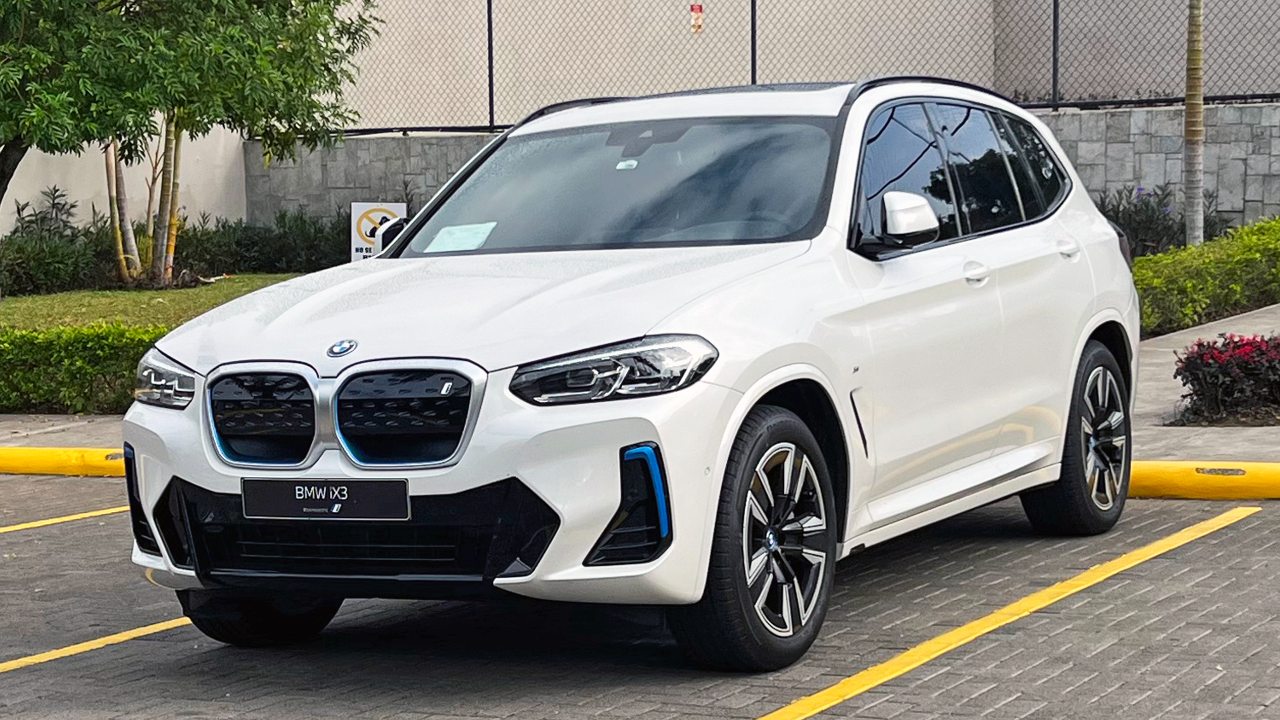
The partnership with BMW shows how that strategy plays out on real roads, starting with the BMW iX3 and extending into the company’s Neue Klasse platform. I see Snapdragon Ride Pilot as less of a single feature and more of a reference architecture for how cameras, AI, and decision-making software can work together to keep a vehicle in control while the human driver relaxes but remains ultimately responsible.
From Snapdragon Ride to Ride Pilot: a platform built for carmakers
The foundation of Snapdragon Ride Pilot is Qualcomm’s existing Snapdragon Ride hardware platform, which was designed as a customizable system-on-chip family for advanced driver-assistance systems, or ADAS. Instead of forcing automakers to stitch together disparate processors and accelerators, Snapdragon Ride offers integrated compute that can handle perception, planning, and control in one scalable package, with enough headroom for automated driving features that go beyond basic lane keeping and adaptive cruise. Qualcomm describes Snapdragon Ride as a way to help partners push ADAS and automated driving into a “new age,” and that ambition is what Ride Pilot builds on.
Ride Pilot adds a complete software stack on top of that silicon so carmakers do not have to start from scratch when they want hands-free capability on highways. Qualcomm Technologies, Inc positions Snapdragon Ride Pilot as a system that can manage tasks such as keeping distance, adopting speed limits, and lead vehicle following, while still fitting into the safety and regulatory frameworks that require the driver to supervise. The result is a platform approach: Snapdragon Ride provides the compute and low-level capabilities, while Snapdragon Ride Pilot layers in the higher-level automated driving logic that manufacturers like BMW can adapt to their own vehicles and brand-specific behaviors.
Inside the BMW collaboration: hardware, software, and division of labor
The most visible proof point for Snapdragon Ride Pilot is its debut in the BMW iX3, where Qualcomm and BMW Group and Qualcomm Technologies have spent several years co-developing an automated driving system. In that collaboration, Qualcomm supplies the Snapdragon Ride compute platform and the core perception technology, while BMW contributes its drive policy expertise, meaning the rules and strategies that govern how the car should behave in complex traffic. The software stack is structured into multiple layers so that perception, prediction, and decision-making are modular, which lets BMW tune the driving style without rewriting the underlying AI engines.
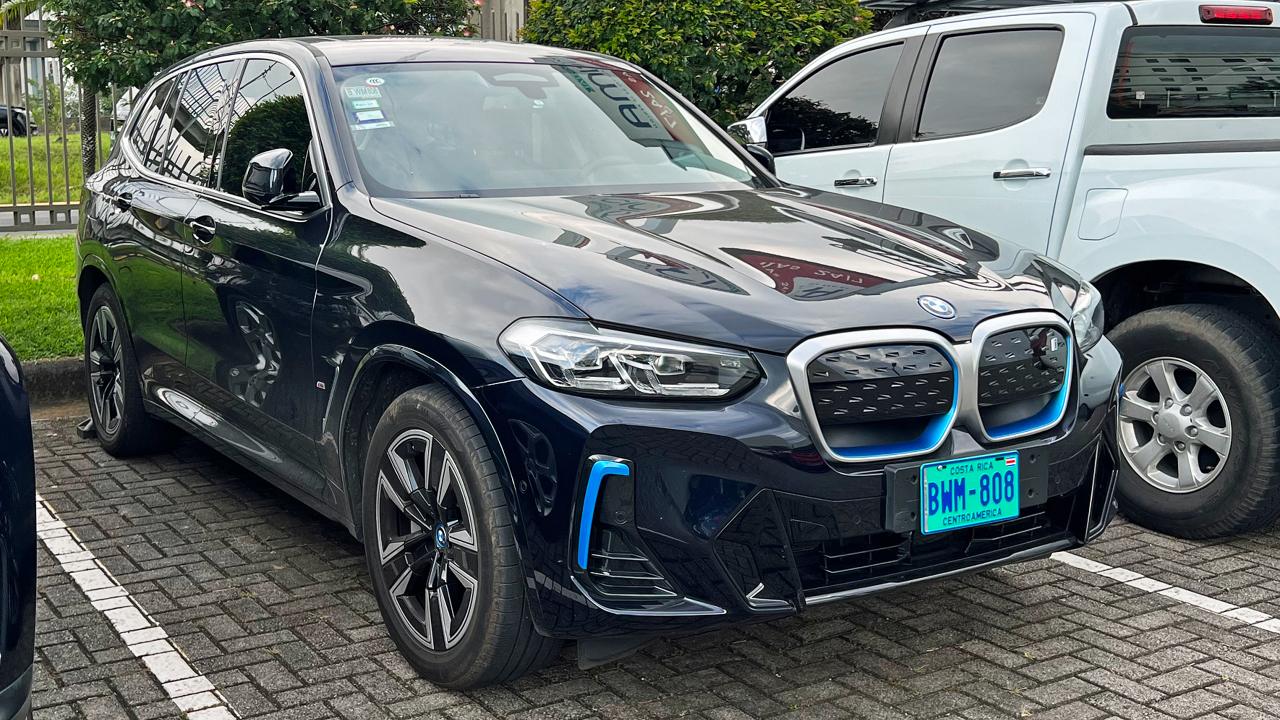
BMW is also treating this system as a cornerstone for its upcoming Neue Klasse vehicles, which signals that the company sees Snapdragon Ride Pilot as more than a one-off experiment in a single SUV. The BMW iX3 implementation is expected to support hands-free driving on highways, with the car handling lane centering, speed control, and lane changes under defined conditions while the driver supervises. By embedding Snapdragon Ride hardware and the Ride Pilot software stack into its broader electronics architecture, BMW can roll out updates and enhancements over time, rather than waiting for a full model change to introduce new automated features.
How Snapdragon Ride Pilot “sees” the road: 360-degree perception and AI
At the core of any hands-free system is perception, and Snapdragon Ride Pilot leans heavily on a camera-based vision setup that surrounds the vehicle. The stack is built around a “360-Degree” perception layer that fuses inputs from multiple cameras to create a continuous view of the environment, from vehicles in adjacent lanes to pedestrians near the road edge. That camera-centric approach is paired with AI models that can recognize lane markings, traffic signs, and road boundaries, which is essential for keeping the car centered and compliant with local rules even when markings are faded or lighting is poor.
Qualcomm’s automotive team has emphasized that this perception layer is designed not just to detect objects but also to understand their motion and potential risk. The system tracks other vehicles, predicts their likely paths, and flags potential conflicts so that the planning layer can react early rather than waiting for a last-second emergency maneuver. In practice, that means Snapdragon Ride Pilot can adjust following distance, anticipate cut-ins, and prepare for merging traffic in a way that feels more like a human driver who is scanning several seconds ahead. The same perception stack also supports features such as automatic lane changes and giving right of way when appropriate, which are critical for a system that aims to handle extended stretches of highway without constant driver input.
Decision-making and safety: from drive policy to driver monitoring
Perception alone does not deliver safe automation, so Snapdragon Ride Pilot pairs its sensing capabilities with a structured drive policy that governs how the car responds. In the BMW implementation, that policy is informed by BMW’s own driving dynamics philosophy, layered on top of Qualcomm’s planning and control algorithms. The software decides when it is safe to initiate a lane change, how aggressively to accelerate when passing, and how to respond to slower traffic or sudden braking ahead. Those decisions are constrained by safety rules that prioritize maintaining safe distance, respecting speed limits, and avoiding maneuvers that could surprise nearby drivers.
Equally important is the system’s focus on keeping the human driver in the loop. Snapdragon Ride Pilot is designed as a supervised automated driving feature, not a fully autonomous system, so it relies on driver monitoring to ensure that the person behind the wheel remains attentive. If the driver looks away for too long or fails to respond to prompts, the system can escalate alerts and eventually hand control back. Qualcomm Technologies, Inc frames this as an “eye toward safety,” where automation is used to reduce workload and mitigate issues like distraction or slow reaction times, but ultimate responsibility still rests with the human. That balance is central to regulatory acceptance and to building trust with drivers who may be wary of ceding too much control to software.
From premium showcase to broader rollout: what comes next
Launching Snapdragon Ride Pilot in a BMW iX3 gives Qualcomm and BMW a premium showcase, but the long-term goal is much broader. Qualcomm has described Snapdragon Ride Pilot System Brings State and Safety and Comfort Features to Drivers across different segments, not just high-end electric SUVs. Because the platform is built on scalable Snapdragon Ride hardware, it can be configured for various vehicle classes and cost points, which opens the door for tier 1 suppliers to integrate it into their own offerings and sell to multiple automakers. That ecosystem approach is meant to accelerate adoption by reducing the engineering burden for each new model.
For drivers, the promise is a consistent experience where highway automation behaves predictably across brands that adopt the platform. Features like automated lane keeping, adaptive speed control, and supervised lane changes become part of a common toolkit, even if each manufacturer adds its own interface and tuning. As more vehicles ship with Snapdragon Ride Pilot or related ADAS capabilities, the technology shifts from a differentiating gadget to a baseline expectation, similar to how anti-lock brakes and stability control moved from options to standard equipment. The real test will be how smoothly Qualcomm, BMW, and their supplier partners can translate this sophisticated stack into reliable, everyday performance in traffic that is anything but predictable.