As winter approaches, many drivers begin to question the capability of their vehicles in harsh weather conditions. Hybrid vehicles, known for their fuel efficiency and eco-friendliness, often face skepticism regarding their performance in snow and ice. Can hybrids effectively handle winter weather, and what do drivers need to know to stay safe on the roads?
Hybrid Technology and Winter Performance
Hybrid vehicles like the 2020 Toyota Prius combine a traditional internal combustion engine with an electric motor to increase fuel efficiency and reduce emissions. This dual approach means hybrids rely on a battery pack to power the electric motor, which can be sensitive to temperature fluctuations. Cold weather significantly impacts battery performance, often reducing the range and efficiency of the vehicle. In freezing temperatures, the chemical reactions within the battery slow down, leading to diminished power output. Drivers might notice a decrease in the car’s electric range during winter months, necessitating more frequent use of the gasoline engine.
Regenerative braking, a feature in hybrids that recaptures energy during braking to recharge the battery, can behave differently on snowy or icy roads. In the 2019 Honda Insight, for example, regenerative braking might be less effective on slippery surfaces, as the system could have trouble maintaining traction. This doesn’t mean hybrids are unsuitable for winter driving, but drivers should be aware of these nuances and allow extra stopping distance to account for potential changes in braking performance.
Tire Considerations for Winter Driving
Tires play a crucial role in a vehicle’s winter performance, perhaps even more so for hybrids. The 2021 Ford Escape Hybrid is an example of a vehicle where opting for winter tires can make a significant difference. Winter tires are designed with specialized rubber compounds that remain flexible in cold conditions, providing better grip and handling than all-season tires. While all-season tires might suffice in mild winter conditions, they can’t match the performance of winter-specific tires in deep snow or on icy roads.
Tire pressure and tread depth are other critical factors for maintaining traction. Cold weather causes tire pressure to drop, which can affect handling and fuel efficiency. Regularly checking and maintaining the recommended tire pressure is essential. Additionally, ensuring the tread depth is sufficient can prevent the vehicle from sliding on icy surfaces. For hybrid owners, investing in a set of winter tires can enhance safety and optimize the vehicle’s performance during the colder months.
Heating and Energy Efficiency in Cold Weather
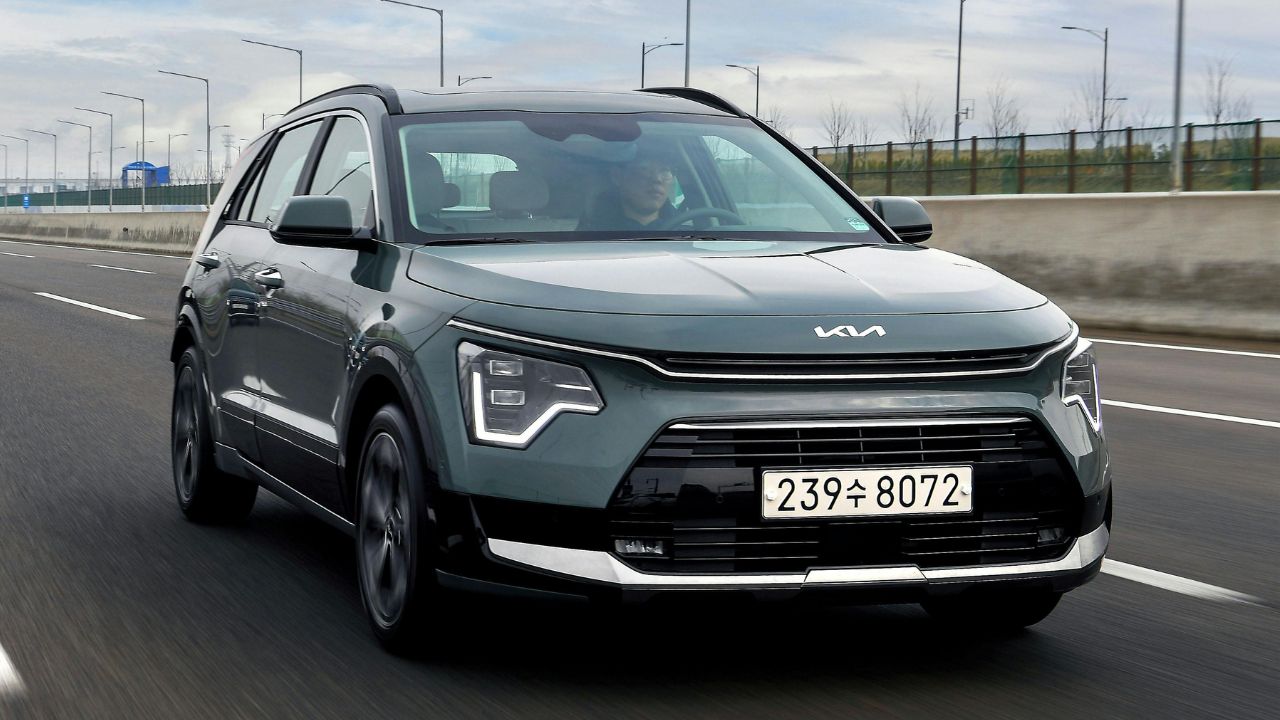
One of the challenges faced by hybrid owners like those driving the 2018 Kia Niro is the impact of heating systems on energy efficiency. In traditional vehicles, the engine’s waste heat warms the cabin, but hybrids often rely on electric heaters. Using these heaters can draw significant power from the battery, reducing the vehicle’s electric range. To mitigate this, drivers can adopt strategies like pre-conditioning, where the vehicle is warmed up while still plugged into an external power source.
Maintaining cabin warmth without compromising performance involves smart usage of climate control systems. For instance, using heated seats and steering wheels, which require less energy than heating the entire cabin, can be an efficient way to stay warm. Additionally, drivers can set the climate control to recirculate warm air, which can help maintain a comfortable temperature without constantly drawing new, cold air from outside. Such measures can help preserve battery life and maintain optimal performance in winter conditions.

Hybrid Features That Aid in Winter Driving
Many modern hybrids, like the 2022 Subaru Crosstrek Hybrid, come equipped with features that enhance safety in winter conditions. Traction control and electronic stability control systems are particularly beneficial, as they help manage the power delivery to the wheels, minimizing slippage on icy roads. These systems can automatically adjust brake force and throttle to aid in maintaining control during acceleration and cornering.
All-wheel drive (AWD) is another feature available in some hybrid models that can improve handling in snow. The 2023 RAV4 Hybrid offers an AWD option, which can provide better traction by distributing power to all four wheels. Additionally, adaptive technologies such as lane-keeping assist and adaptive cruise control can further enhance the winter driving experience, providing drivers with extra support in maintaining safe distances and staying in their lanes, even in challenging conditions.
Preparing Your Hybrid for Winter Conditions
Routine maintenance is key to ensuring that hybrids are prepared for winter’s challenges. Regularly inspecting components like the battery, brakes, and windshield wipers can prevent unwanted surprises. For instance, checking the battery’s health is crucial, as a weakened battery can struggle in cold temperatures. The 2017 Chevrolet Volt is known for its reliable performance, but like any hybrid, it benefits from pre-winter checks and maintenance.
Equipping your hybrid with an emergency kit is advisable. Essential items include a snow shovel, ice scraper, jumper cables, and a blanket. Keeping a small supply of sand or kitty litter can also be helpful for gaining traction if the vehicle gets stuck. Understanding best practices for driving in snow and ice, such as gentle acceleration and braking, can further ensure safety. Being prepared and informed allows hybrid drivers to confidently navigate winter roads and enjoy the benefits of their vehicles all year round.
More From Fast Lane: