Canada has recently announced a significant policy shift aimed at phasing out gas-powered vehicles by 2035, a move that has sent shockwaves through the automotive industry. As automakers scramble to adapt, the clock is ticking for them to meet new regulations and consumer expectations.
The Policy Shift: What Canada Has Announced
In a bold move, Canada has committed to banning the sale of new internal combustion engine (ICE) vehicles by 2035. This policy aims to accelerate the transition to electric vehicles (EVs) as part of a broader strategy to combat climate change. The Canadian government has set a target that requires 20% of new vehicle sales to be zero-emission vehicles by 2026, increasing to 100% by 2035. This ambitious timeline reflects a growing global trend toward sustainable transportation.
The regulations encompass various aspects, including stricter emissions standards and incentives for consumers to purchase EVs. These measures align with similar initiatives in countries like Norway, which plans to phase out ICE vehicles by 2025, and the United Kingdom, which has set a 2030 deadline. Canada’s approach not only aims to reduce greenhouse gas emissions but also seeks to position the country as a leader in the burgeoning electric vehicle market.
The Implications for Automakers
For automakers, the implications of Canada’s policy shift are profound. Companies must urgently pivot toward electric vehicle production to comply with new regulations. Traditional manufacturers, such as Ford and General Motors, are already investing billions in EV technology and infrastructure. For example, Ford has committed $22 billion to electrification through 2025, while GM plans to offer an all-electric lineup by 2035.
The urgency of the situation is underscored by shifting market dynamics and consumer demands. A growing number of Canadian consumers are expressing interest in EVs, driven by environmental concerns and the rising cost of gasoline. Automakers must adapt quickly to these changing preferences, which could redefine their product offerings and marketing strategies. New entrants into the automotive market, such as Rivian and Lucid Motors, are also poised to compete aggressively, further intensifying the pressure on established companies.
Consumer Sentiment and Market Trends
Current consumer attitudes toward electric vehicles in Canada are increasingly positive, with many Canadians seeing EVs as a practical and environmentally friendly option. According to a recent survey, approximately 60% of Canadians expressed interest in purchasing an electric vehicle within the next five years. Factors such as government incentives, increased charging infrastructure, and improvements in battery technology are contributing to this growing acceptance.
Market data reflects this trend, with electric vehicle sales in Canada surging by more than 50% in 2021. The Financial Post reports that EVs accounted for nearly 10% of all new vehicle sales in 2021, a figure expected to rise as more consumers become aware of the benefits of electric transportation. However, consumer education remains crucial. Many potential buyers still have concerns regarding charging infrastructure, battery range, and overall cost, highlighting the importance of ongoing outreach efforts by automakers and government agencies.
Environmental Impact and Climate Goals
The ban on gas-powered vehicles aligns with Canada’s broader climate change commitments. As part of the Paris Agreement, Canada has pledged to reduce greenhouse gas emissions by 40-45% below 2005 levels by 2030. Transitioning to electric vehicles is seen as a vital step in achieving these goals, as the transportation sector is one of the largest contributors to emissions in the country.
Experts estimate that the shift to electric vehicles could lead to significant reductions in greenhouse gas emissions and other pollutants. According to research from the Canadian Journal of Economics and Political Science, transitioning to EVs could reduce transportation-related emissions by up to 90% by 2050. This transition not only benefits the environment but also advances public health by reducing air pollution associated with traditional gas-powered vehicles.
Technological Innovations Driving Change
Technological advancements are accelerating the shift toward electric vehicles, particularly in battery technology and charging infrastructure. Innovations such as solid-state batteries promise to enhance the range and affordability of EVs, making them more appealing to consumers. Companies like Tesla and Panasonic are investing heavily in research and development to improve battery efficiency and longevity.
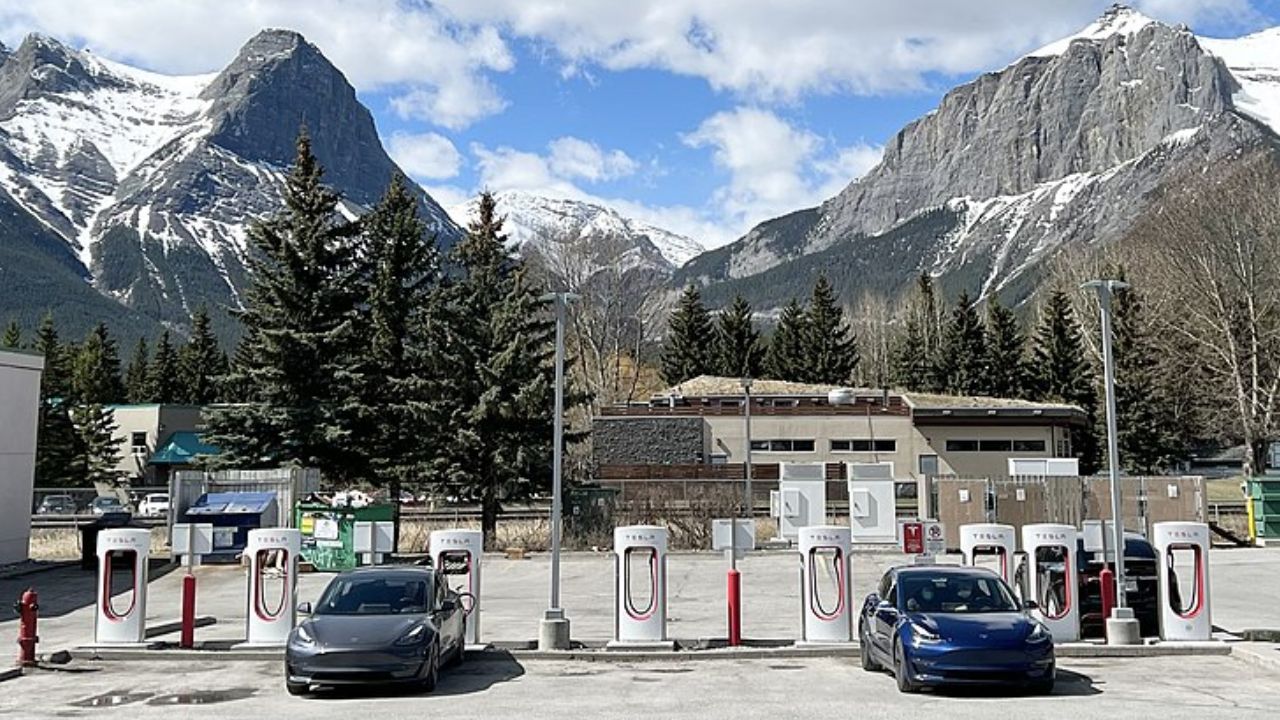
Charging infrastructure is also evolving rapidly, with the expansion of fast-charging stations across Canada. Initiatives such as the federal government’s commitment to invest $300 million in EV charging infrastructure are crucial for supporting widespread adoption. The integration of smart grid technology allows for more efficient energy distribution, making it easier for consumers to charge their vehicles at home and on the go. The combination of improved technology and supportive infrastructure will play a pivotal role in shaping the future of the Canadian automotive landscape.
Challenges Ahead: Supply Chain and Manufacturing
Despite the potential benefits, challenges loom ahead for the automotive industry as it pivots toward electric vehicle production. One significant concern is the supply chain for essential EV components, such as batteries and semiconductors. The global semiconductor shortage has already impacted various industries, and the automotive sector is no exception. Disruptions in the supply chain could hinder automakers’ ability to meet production targets and consumer demand.
Moreover, investing in domestic manufacturing capabilities is essential for ensuring a stable supply of EV components. Canada has the potential to become a hub for EV production, but it will require significant investment from both the government and private sector. The traditional automotive workforce may also face job displacement as the industry shifts focus, highlighting the need for retraining programs and support for affected workers.
The Road Ahead: Strategic Recommendations for Automakers
To navigate this evolving landscape, automakers must adopt key strategies that align with Canada’s regulatory environment and consumer expectations. First and foremost, investing in sustainable technologies and practices will be crucial for long-term success. Companies should prioritize research and development efforts to enhance battery technology and expand their electric vehicle offerings.
Engaging consumers will also be critical. Automakers should focus on educating potential buyers about the benefits of electric vehicles, addressing common concerns, and promoting the environmental advantages of EV ownership. Building strong brand loyalty through transparency and community engagement can help automotive companies foster positive relationships with consumers as they transition to electric vehicle production.
In summary, Canada’s decision to phase out gas-powered vehicles by 2035 presents both challenges and opportunities for automakers. By embracing innovation, investing in sustainable practices, and effectively engaging consumers, the automotive industry can successfully navigate this transformative period and contribute to a greener future.
More from Fast Lane Only