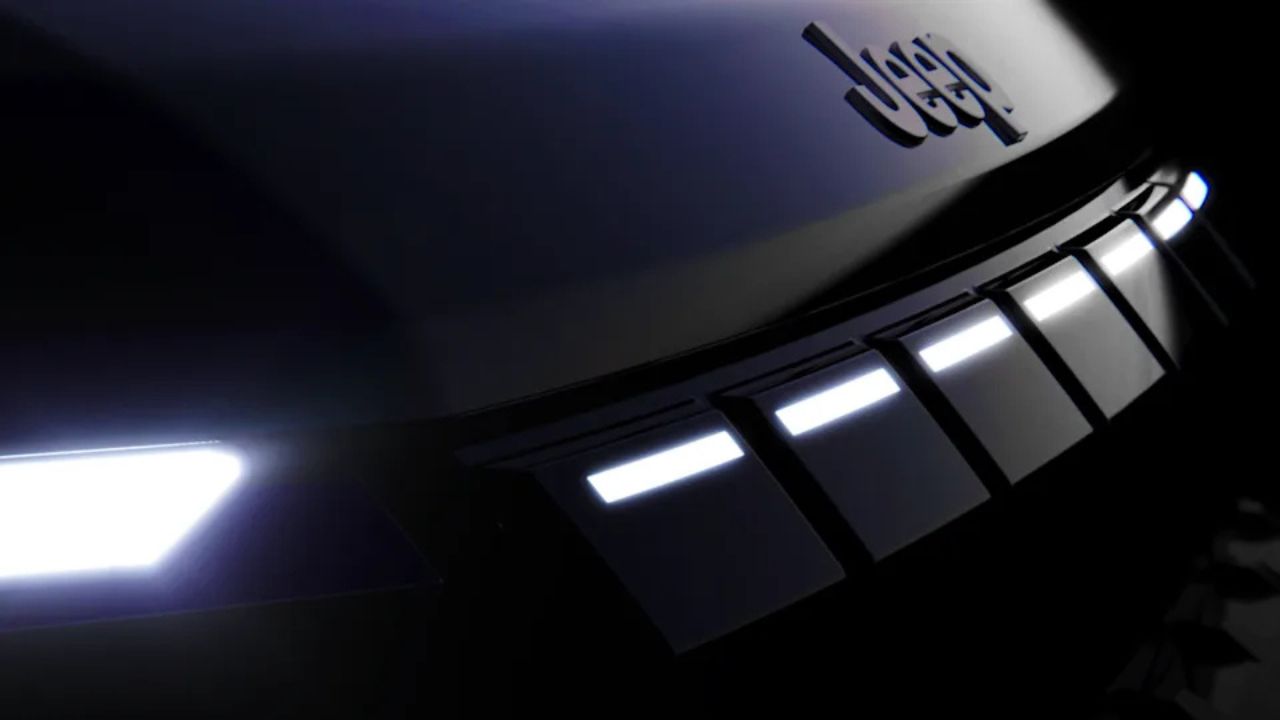
Jeep has long been synonymous with adventure, rugged terrain, and a distinctive design that has evolved over decades. However, recent teasers from the brand suggest an exciting shift that could redefine one of its most recognizable features. As I explore these anticipated changes, I can’t help but consider what this means for Jeep’s identity and future in an increasingly competitive automotive landscape.
The Iconic Jeep Design Language
Jeep’s design language has always been rooted in functionality and ruggedness, characterized by features like the seven-slot grille and high ground clearance. These elements not only serve practical purposes, such as enhancing airflow and approach angles, but they also create an emotional connection with consumers. The iconic design has become a symbol of adventure and exploration, resonating deeply with Jeep enthusiasts and casual drivers alike.
Nostalgia plays a significant role in automotive design, especially for brands like Jeep that have a storied history. The classic shapes and features evoke fond memories for many, solidifying brand loyalty. When consumers think of Jeep, they often envision the classic CJ models or the early Wranglers, which have shaped the brand’s legacy. This nostalgic connection adds a layer of complexity when it comes to modernizing the design while retaining the elements that made the brand iconic.
Teaser Insights: What We Know So Far
Jeep recently released a series of teasers hinting at significant design changes, particularly focusing on the front grille, a hallmark of its identity. These teasers showcase a more streamlined silhouette and modernized elements that could signal a shift in their design philosophy. While the classic seven-slot grille is unlikely to disappear entirely, hints suggest that the brand may be exploring a more contemporary interpretation.
As I analyze the teasers, it becomes clear that Jeep is aligning its design with evolving consumer expectations. Today’s buyers are looking for vehicles that not only perform well off-road but also offer a stylish and modern aesthetic. The teasers suggest that Jeep is committed to meeting these expectations while still honoring its legacy. The fusion of tradition and innovation is a delicate balance, and I find myself intrigued by how Jeep will navigate this transformative period.
Rethinking the Front Grille
The front grille is arguably one of Jeep’s most recognizable attributes, serving as a defining feature that sets it apart from competitors. The traditional seven-slot design, which dates back to the brand’s origins during World War II, carries a cultural impact that extends beyond its functional purpose. It’s a visual cue that signifies adventure and capability, making it essential to Jeep’s brand identity.
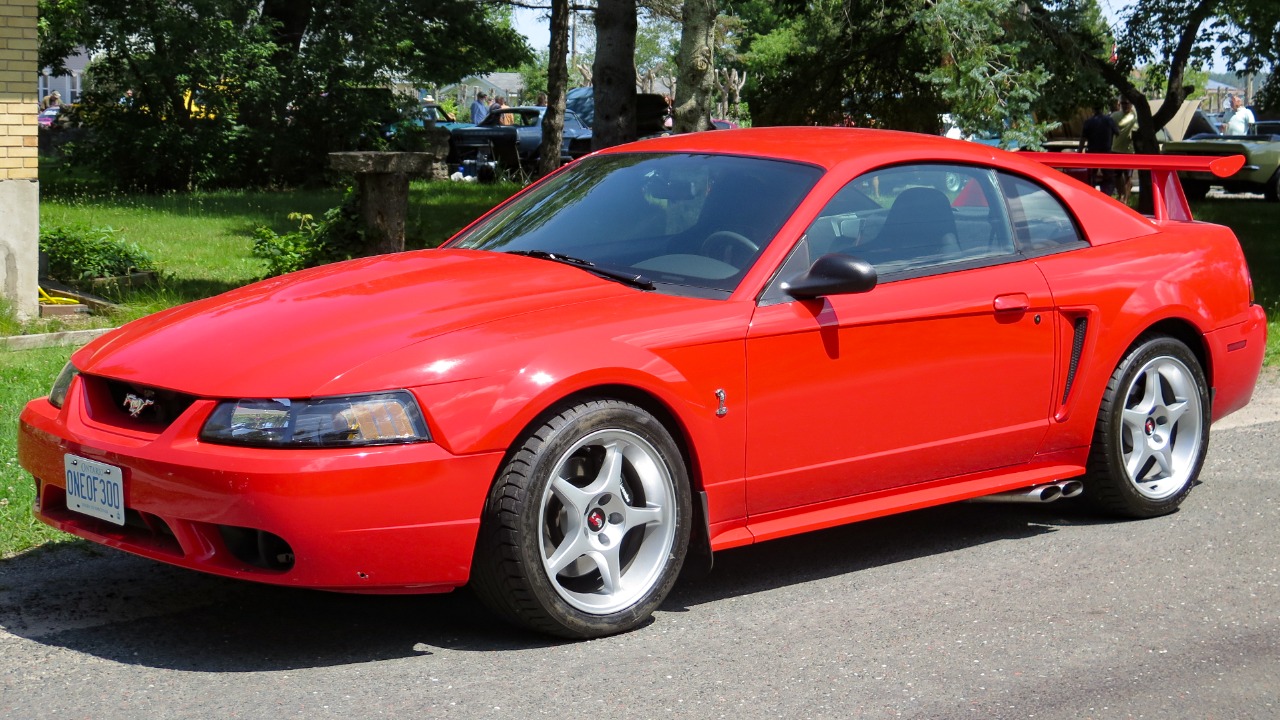
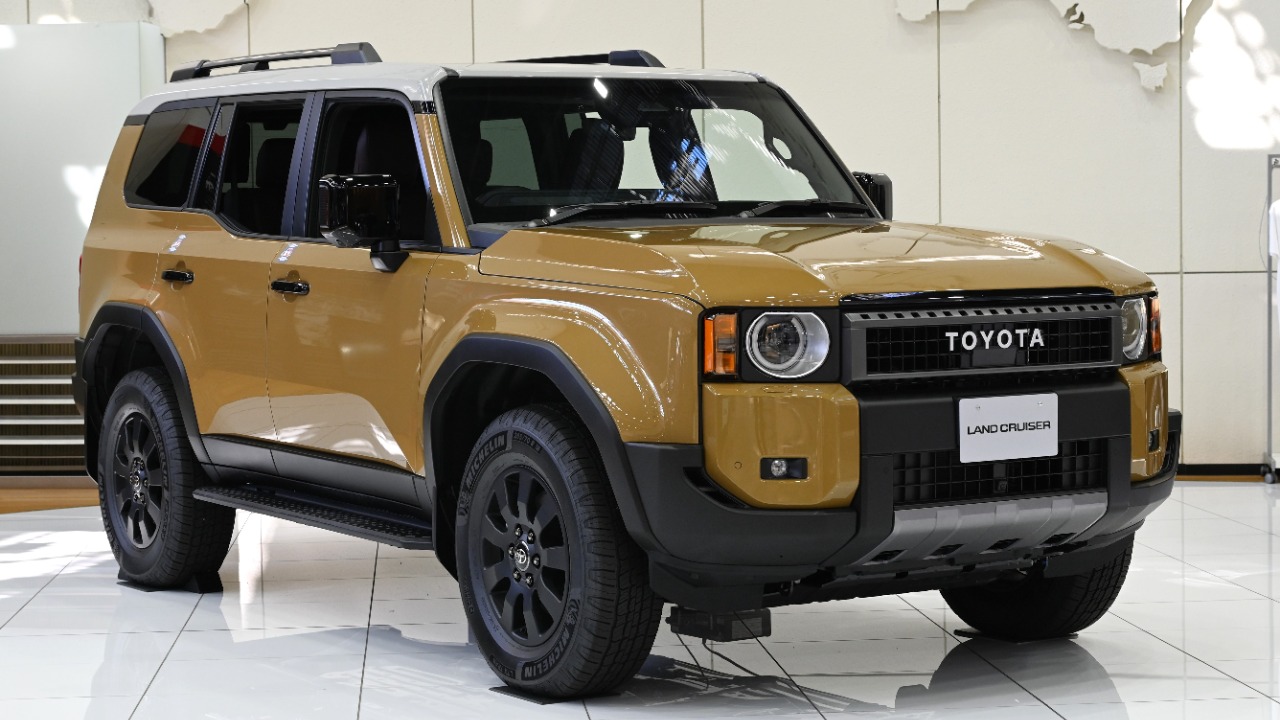
The potential redesign of the grille, as hinted in recent teasers, raises questions about the implications for Jeep’s identity. While modernizing the grille could attract a new generation of buyers, there’s a risk of alienating long-time enthusiasts who cherish the classic look. Other automakers, such as Ford with its Mustang and Toyota with the Land Cruiser, have found success in reinterpreting classic designs while maintaining the essence of what makes those vehicles beloved. I wonder if Jeep can achieve a similar balance.
Impacts of Electric Vehicle Trends
The automotive industry is undergoing a seismic shift with the rise of electric vehicles (EVs), and Jeep is not immune to these changes. As the demand for eco-friendly options grows, manufacturers are rethinking their designs to accommodate new technologies. This transition presents both challenges and opportunities for Jeep, particularly as it seeks to maintain its rugged, off-road reputation.
Jeep has already begun to embrace electrification with models like the Jeep Wrangler 4xe, which combines traditional off-road capabilities with hybrid technology. The move toward electric vehicles is influencing the design direction, leading to questions about how Jeep will integrate electric powertrains without compromising its adventurous spirit. Balancing innovation and heritage is crucial; as I reflect on this, I see a unique opportunity for Jeep to redefine what it means to be an off-road vehicle in the age of sustainability.
Consumer Reactions to Design Changes
Understanding consumer sentiment is vital as Jeep navigates these design shifts. Recent focus groups and surveys indicate a mixed response to the potential changes in the iconic design elements. While many consumers are excited about the modernization of Jeep’s aesthetics, others express concern about losing the brand’s traditional appeal. It’s clear that Jeep’s community is passionate and vocal, and their feedback will play a crucial role in shaping future decisions.
Social media discussions have been lively, with fans sharing their thoughts on the teasers and expressing their hopes for the new design. Some are enthusiastic about the potential for a fresh take on the classic Jeep look, while others fear that modernization may dilute the brand’s rugged identity. As I observe these conversations, I recognize the importance of community feedback in guiding Jeep’s design strategy. Engaging with consumers and addressing their concerns will be key to a successful transition.
Competitors’ Influence on Jeep’s Design Strategy
The automotive landscape is increasingly competitive, with various brands adapting their designs to meet changing consumer preferences. Companies like Ford and Rivian are pushing the envelope in terms of design and technology, and Jeep must respond accordingly. The influence of competitors is evident as Jeep reevaluates its design strategy to ensure it remains relevant and appealing to modern consumers.
Ford’s recent redesigns of the Bronco and Mustang have shown how classic models can be revived with contemporary styling while still honoring their heritage. This approach has sparked interest and excitement, setting a standard that Jeep may strive to emulate. I see potential for Jeep to differentiate itself by embracing its unique identity while also incorporating elements that resonate with the current market trends. The challenge lies in finding a unique voice amid a chorus of competing brands.
Brand Identity Versus Modernization
One of the most significant challenges for Jeep is maintaining its brand identity while embracing modernization. The brand has a rich history that carves out a unique space in the automotive market, known for its off-road capabilities and rugged aesthetics. However, as consumer preferences evolve, so too must the designs of the vehicles that represent the brand.
Brands like Volkswagen and Mini have successfully navigated this balance, modernizing their vehicles while keeping core features intact. These companies demonstrate that it is possible to innovate without sacrificing the elements that define a brand. As I consider Jeep’s next steps, I believe the key will be to maintain the essence of what makes them Jeep while adapting to new design trends and consumer expectations.
Future Implications for the Jeep Lineup
The anticipated design changes could have far-reaching implications for Jeep’s entire lineup. As the brand moves forward, we can expect to see updates across various models, potentially introducing fresh features that align with modern technology and consumer needs. The integration of electric vehicles into the lineup will likely influence not only the aesthetic but also the functionality of future models.
New features that focus on connectivity, safety, and efficiency may accompany the redesigns, catering to the tech-savvy consumer. Jeep’s ability to blend these modern elements with its storied heritage will be critical to its success in the marketplace. I am particularly curious to see how this evolution unfolds and what new offerings will emerge as a result of this design transformation.
More from Fast Lane Only