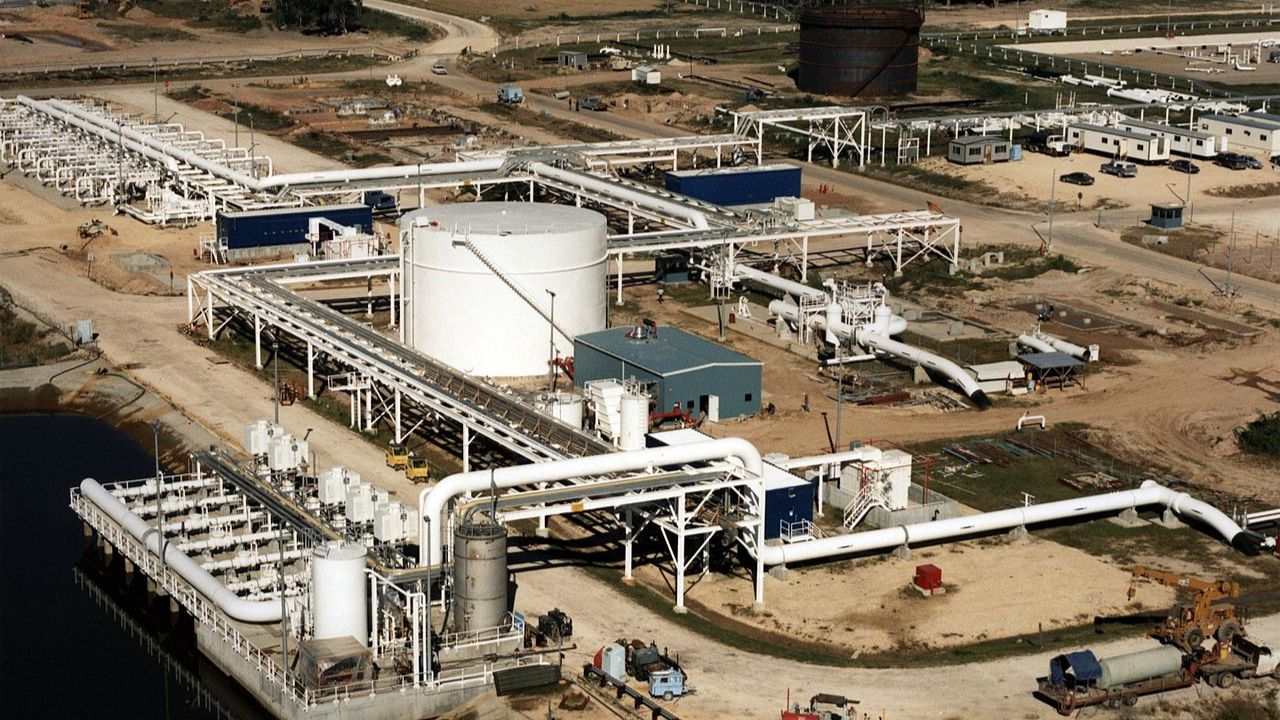
Recent reports indicate that the U.S. may be facing a tighter oil supply than previously anticipated, prompting concerns among consumers and industry experts. However, officials urge the public not to panic, emphasizing that measures are in place to manage potential disruptions.
Understanding the Current Oil Supply Situation
Recent data suggests that U.S. oil reserves and production levels are not as robust as previously thought. The Energy Information Administration (EIA) has noted a decline in domestic crude oil output, with production levels falling to approximately 11.5 million barrels per day, down from earlier projections of 12 million. This decline comes at a time when demand for crude oil is surging, leading to concerns about a potential supply crunch. The situation is further complicated by a lack of significant new oil discoveries and the slow pace of permitting for new drilling projects.
Several factors have contributed to the reduced oil supply forecasts. The ongoing shift towards renewable energy and electric vehicles is reshaping market dynamics, leading some companies to scale back on fossil fuel investments. Additionally, production in key states like Texas and North Dakota has faced challenges due to labor shortages and supply chain disruptions. Historical trends indicate that the U.S. has weathered oil supply issues before, but the current convergence of factors makes this situation more precarious.
Global Factors Affecting Oil Supply
Geopolitical tensions, particularly in the Middle East, significantly impact global oil prices and supply stability. Recent reports of escalating conflicts in regions like Iran have raised alarms about potential disruptions in oil exports. As a result, oil prices have surged, with Brent crude reaching over $90 a barrel, prompting fears of a prolonged supply crisis. The situation in Iran is particularly concerning, given the country’s pivotal role in the global oil market.
International sanctions and trade agreements also play a critical role in oil production. For instance, sanctions imposed on countries like Venezuela and Iran have reduced their ability to export oil, tightening the global supply further. Meanwhile, OPEC’s decisions regarding production cuts or increases can sway market prices significantly. The organization’s recent announcements indicate a cautious approach to increasing output, contributing to volatility in oil prices.
Domestic Production Challenges
Domestically, recent natural disasters have further hampered oil extraction efforts. Hurricanes in the Gulf of Mexico, for example, have led to temporary shutdowns of oil rigs and refineries, affecting overall production. The aftermath of Hurricane Ida in 2021, which knocked out nearly 90% of oil production in the region, serves as a stark reminder of how climate events can disrupt supply chains. With forecasts predicting more frequent severe weather, the oil industry faces mounting challenges.
Regulatory changes are also impacting U.S. oil production capabilities. Stricter environmental regulations and permitting processes have slowed the development of new drilling sites. The Biden administration’s focus on clean energy and emissions reduction has led to a reevaluation of fossil fuel projects, causing uncertainty among oil producers regarding future investments. Compounding these issues is the aging infrastructure of pipelines and refineries, which limits the efficiency and output of existing facilities.
Market Reactions and Price Fluctuations
The recent tightening of oil supply has led to noticeable spikes in oil prices, provoking concern among consumers and businesses alike. Gas prices at the pump have surged, with many regions experiencing increases of more than 30% in recent months. This sudden rise in prices can create a ripple effect through the economy, as transportation costs increase and businesses pass those costs onto consumers. The energy market is notoriously sensitive to supply signals, and any indication of reduced availability can lead to panic buying and further price hikes.
As consumers react to rising prices, behaviors are shifting. Many individuals are reconsidering their transportation choices, with a notable uptick in interest in public transit and carpooling. The demand for fuel-efficient vehicles is also rising, as consumers look for ways to mitigate the impact of higher fuel prices. According to recent data, sales of hybrid and electric vehicles have surged, reflecting a growing awareness of fuel costs and environmental impacts. Predictions for future price trends remain uncertain, with many analysts suggesting that prices could remain elevated until supply stabilizes.
Government Response and Preparedness
In response to the tightening oil supply, the U.S. government has implemented several measures aimed at addressing supply concerns. The Biden administration has emphasized the importance of maintaining strategic reserves, which serve as a buffer during times of crisis. The Strategic Petroleum Reserve (SPR) currently holds over 600 million barrels of crude oil, which can be tapped in emergencies to stabilize the market. Officials have also encouraged domestic production, aiming to strike a balance between environmental concerns and energy needs.
Officials have been proactive in communicating with the public, reassuring citizens about the stability of the U.S. oil market. The government has emphasized that while the supply situation is tight, it is not a crisis situation. The importance of public trust in government communication during times of uncertainty cannot be overstated. Clear messaging and transparency are crucial in preventing panic buying and ensuring that consumers remain informed about their options.
Alternative Energy Sources and Long-term Solutions
In light of the current oil supply challenges, there is a growing recognition of the need to shift towards alternative energy sources. The transition to renewable energy is becoming increasingly urgent, with many states implementing policies to encourage solar, wind, and other clean energy initiatives. Government incentives, such as tax credits for solar installations, are making it easier for consumers to invest in alternative energy solutions.
Technological advances are also playing a crucial role in enhancing energy independence. Innovations in battery storage and energy efficiency can mitigate reliance on fossil fuels, creating a more sustainable energy landscape. The shift towards electric vehicles, coupled with improvements in charging infrastructure, offers a promising path toward reducing oil dependency. As we look to the future, the integration of alternative energy sources will be vital to ensuring a resilient and stable energy supply.
Consumer Impact and Advice
As oil supply concerns continue to evolve, consumers are advised to stay informed and manage fuel expenses wisely. Simple changes, such as carpooling or using public transportation, can significantly reduce fuel costs. Additionally, investing in fuel-efficient or electric vehicles may provide long-term savings, despite the initial costs of these vehicles. With the rise of apps like Google Maps and Waze, consumers can also find the most efficient routes to minimize fuel consumption.
Businesses are also adapting to fluctuating fuel costs by exploring telecommuting options and optimizing supply chains. Many companies are reevaluating their logistics strategies to reduce reliance on fuel-intensive transportation methods. The potential for remote work and digital solutions to reduce travel needs offers an opportunity for businesses to navigate these uncertain times effectively.
Expert Opinions on Future Outlook
Economists and industry experts provide valuable insights into the future of U.S. oil production. Many agree that while current supply challenges are significant, they are not insurmountable. The likelihood of a recovery in U.S. oil production depends on various factors, including technological advancements, regulatory changes, and international market dynamics. Some experts predict that as the global economy stabilizes, oil production will gradually increase, alleviating supply concerns.
However, experts also caution that geopolitical events can disrupt supply chains unexpectedly. Escalating tensions in oil-producing regions could lead to further price fluctuations and market instability. The need for a diversified energy strategy that includes renewable sources is more critical than ever to safeguard against such disruptions. As the landscape continues to change, ongoing analysis and adaptability will be essential for both consumers and producers alike.
Call for Public Calm and Understanding
Officials emphasize the importance of maintaining calm and understanding during these uncertain times. The stability of the U.S. oil market is a collective responsibility that requires informed decision-making from both consumers and industry stakeholders. Public trust in government communication will play a vital role in navigating challenges and minimizing panic.
As we confront potential supply disruptions, I encourage consumers to remain informed and make thoughtful choices. By understanding the factors at play and exploring alternative energy options, we can collectively work toward a more resilient energy future. The path forward may be challenging, but with informed decision-making and collaboration, we can navigate these uncertainties together.
More from Fast Lane Only