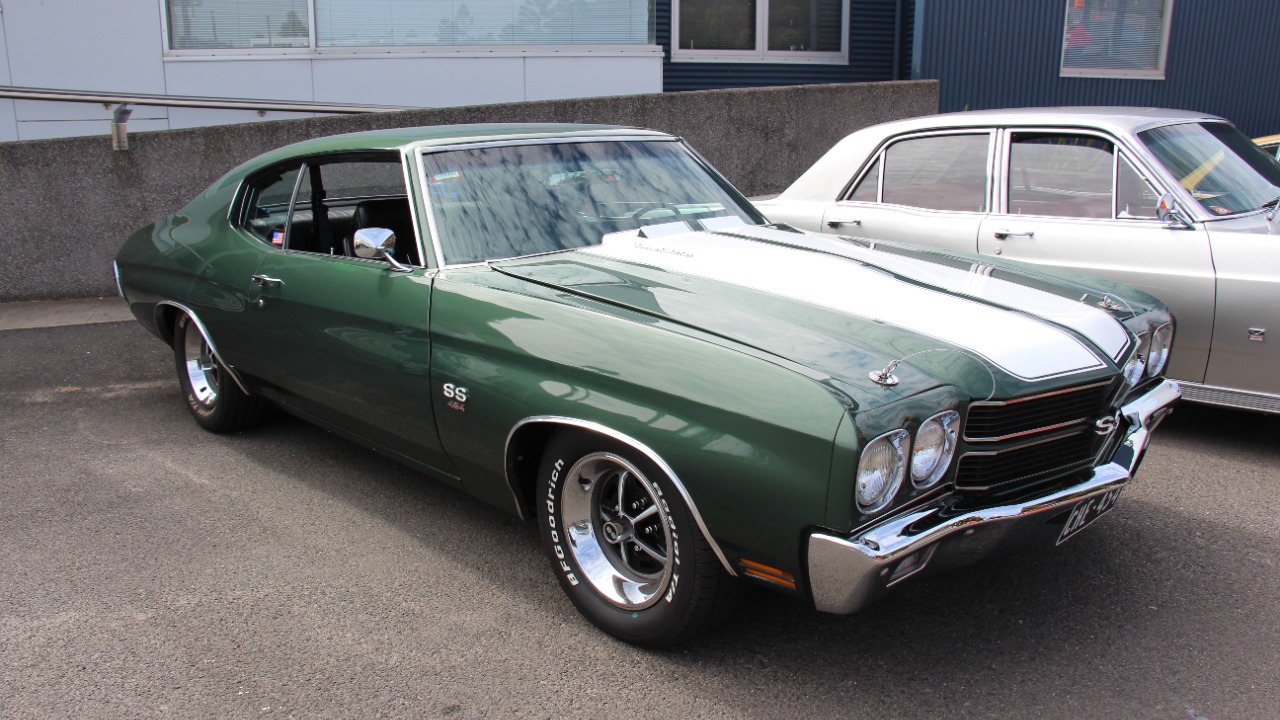
The 1970 Chevrolet Chevelle SS 454 LS6 arrived at a moment when Detroit was locked in an escalating horsepower contest, and it answered with a factory rating of 450 horsepower that stunned buyers, rivals, and even regulators. Wrapped in a mid-size body that could still pass as a family car, it represented the most aggressive expression of Chevrolet’s big-block engineering before insurance companies and emissions rules began to shut the party down.
More than half a century later, that combination of brutal power, everyday usability, and clean, squared-off styling has turned the LS6 Chevelle into one of the most coveted muscle cars ever built, a benchmark that still shapes how enthusiasts judge modern performance machines.
What happened
For 1970, Chevrolet reworked the Chevelle lineup and quietly created a monster. The SS 454 package placed a 454 cubic inch big-block V8 under the hood, and in LS6 trim the engine carried a factory rating of 450 horsepower and 500 pound-feet of torque. Period road tests and later analysis have long suggested that this figure was conservative, yet even on paper it made the car one of the most powerful American production models of its era.
The LS6 engine used a high 11.25:1 compression ratio, a solid-lifter camshaft, and a single Holley four-barrel carburetor on an aluminum intake, all aimed at high-rpm power. Heavy-duty internals, including forged pistons and a four-bolt main block, turned the 454 into a durable performance foundation. Chevrolet paired this with either a Muncie four-speed manual transmission or a three-speed Turbo Hydra-Matic automatic, both backed by strong rear axles and optional limited-slip differentials.
What made the Chevelle SS 454 so striking was that it remained, at heart, a mid-size A-body that could be ordered as a coupe or convertible and trimmed with many of the comforts expected in a family car. As one analysis of the car’s legacy notes, Chevrolet effectively created a 450 hp family at a time when few buyers or regulators were prepared for that level of performance. Bench seats, air conditioning, and power accessories could all be combined with the LS6 drivetrain, so the car did not look like an uncompromising race special from the outside.
Styling updates for 1970 sharpened the Chevelle’s image. The SS package brought a cowl induction hood with a vacuum-operated flap that fed cooler air to the carburetor, along with blacked-out grille elements, hood stripes, and badging that highlighted the 454 identity. Buyers could select bright colors, vinyl roofs, and contrasting stripes, which made the cars stand out in traffic and on drag strips across the country.
Among collectors today, few configurations are more admired than a triple black LS6 coupe with matching-numbers driveline. One such car, described as having the full package of factory-correct drivetrain and options, has been highlighted as a prime example of a triple black LS6 that captures the model’s original intent. These survivor-grade or meticulously restored examples help document how Chevrolet assembled the cars and which components were truly available from the factory.
In period performance testing, LS6 Chevelles recorded quarter-mile times deep into the 13-second range on street tires, with trap speeds that reflected the engine’s immense torque. With slicks and minor tuning, many owners pushed them into the 12s at local drag strips. The big-block Chevelle quickly became a favorite in Super Stock and bracket racing classes, where the strong bottom end and broad torque curve paid dividends run after run.
Behind the scenes, the LS6 package was expensive and not heavily promoted, which kept production numbers relatively low compared with more common small-block Chevelles. Insurance surcharges for high-horsepower models were already rising, and some buyers opted for the milder LS5 454 or even 396-powered SS models to avoid higher premiums. Those decisions, combined with the short life of the LS6 option, helped make surviving cars far rarer than the Chevelle’s familiar silhouette might suggest.
Why it matters
The 1970 Chevelle SS 454 LS6 is often described as the high-water mark of General Motors muscle car performance. One detailed retrospective has called it the centerpiece of a 1970 GM muscle lineup that included heavy hitters from Chevrolet, Pontiac, Oldsmobile, and Buick, all benefiting from a brief window when corporate engine displacement caps were relaxed. Within that context, the LS6 stood out as Chevrolet’s boldest answer to the horsepower wars.
Its significance starts with timing. The LS6 arrived just as federal emissions regulations, unleaded fuel requirements, and rising insurance costs were converging. Within a few model years, compression ratios would fall, net horsepower ratings would replace the older gross figures, and the era of factory-built 400-plus horsepower street cars would fade. The LS6 Chevelle therefore represents the last full-strength expression of big-block power before those constraints took hold.
The car also mattered because of how it blended performance with practicality. Unlike stripped-down drag specials that sacrificed comfort for speed, an LS6 Chevelle could carry four adults, luggage, and optional air conditioning while still outrunning many purpose-built sports cars of its day. That dual personality laid groundwork for later high-performance sedans and coupes that promised everyday usability alongside serious acceleration.
From an engineering perspective, the LS6 showed how far Chevrolet could push its big-block architecture while retaining factory reliability. The combination of high compression, aggressive cam timing, and robust internals created an engine that responded eagerly to tuning yet could still survive regular street use. Many of the surviving cars have logged decades of service, including drag racing and spirited driving, which reinforces the reputation of the 454 as a durable platform.
The LS6 Chevelle also helped cement the cultural image of the American muscle car. Its long hood, short deck, and bold stripes became shorthand for raw, unfiltered power. The car appeared in period advertising, dealer showrooms, and eventually in film and television, where it often served as the visual stand-in for blue-collar performance. That image has carried into modern car culture, where Chevelle replicas and restomods remain fixtures at local cruise nights and national shows.
In the collector market, the 1970 SS 454 LS6 occupies a top tier alongside cars such as the 1970 Plymouth Hemi ’Cuda and the 1969 Pontiac GTO Judge. Auction results for documented LS6 Chevelles regularly reach into six-figure territory, with rare color combinations, original paperwork, and low mileage examples commanding premiums. The value trajectory reflects both the car’s limited production and its status as a milestone in Chevrolet history.
The model’s influence can be seen in how Chevrolet and other manufacturers approach modern performance branding. When Chevrolet revived the SS badge for later models, including the fifth-generation Camaro and high-output versions of the Impala and TrailBlazer, it traded on the cachet built in part by the Chevelle SS 454. Enthusiasts often measure these newer cars against the LS6 benchmark, comparing power figures, curb weights, and quarter-mile times to see how far technology has moved the goalposts.
There is also a broader historical dimension. The LS6 Chevelle emerged during a period when American automakers were willing to sell near-race engines to the general public, with limited electronic oversight and minimal driver aids. That approach contrasts sharply with modern performance cars, which rely on sophisticated engine management, traction control, and stability systems to deliver similar or greater power with far more safety. The Chevelle’s rawness has become part of its appeal, a symbol of a time when skill and restraint were essential parts of driving a powerful car.
For many enthusiasts, the car’s legacy is personal. Stories from original owners and long-time fans often describe late-night street races, weekend strip outings, and cross-country trips that showcased the Chevelle’s blend of speed and usability. Those memories have helped sustain interest in the model through generations, as parents and grandparents pass down both the cars themselves and the stories that surround them.
What to watch next
The 1970 Chevelle SS 454 LS6 sits at the intersection of nostalgia, investment, and evolving automotive technology, and several trends will shape how its story continues. One key factor is the ongoing strength of the classic muscle car market. As long as collectors with the means to pay premium prices continue to view the LS6 as a must-have centerpiece, documented examples are likely to remain highly valued. Auction houses and private brokers frequently highlight these cars, and each record-setting sale reinforces the perception of the Chevelle as a blue-chip collectible.
At the same time, the restomod movement is reshaping how enthusiasts interact with vintage Chevelles. Many owners choose to retain the car’s classic exterior while upgrading brakes, suspension, and even powertrains to modern standards. Some projects keep a big-block under the hood, but with fuel injection, overdrive transmissions, and improved cooling, while others experiment with LS-based small-blocks or even electric conversions. Purists sometimes object to heavy modifications on original LS6 cars, so a divide has emerged between preservation-focused collectors and builders who prioritize drivability and performance.
Regulatory and environmental shifts will also influence the Chevelle’s future. As more cities and regions introduce low-emission zones and tighten rules around older, higher-polluting vehicles, owners may face new restrictions on where and how often they can drive big-block muscle cars on public roads. Some countries already limit classic car use to certain days or events, and similar policies could spread. That trend might push more LS6 Chevelles into private collections and museum displays, where they can be preserved but driven less frequently.
On the technology front, modern performance cars continue to raise the bar. Electric models such as high-output sedans and crossovers now deliver instant torque and acceleration figures that would have seemed impossible in 1970. Yet many enthusiasts still view the Chevelle’s analog character, manual transmissions, and big-block soundtrack as irreplaceable. The contrast between a 450 horsepower carbureted V8 and a silent electric drivetrain highlights how much the definition of performance has changed, while also explaining why classic muscle retains such emotional pull.
Another area to watch is documentation and authentication. As LS6 values have climbed, so has the incentive to misrepresent lesser Chevelles as genuine high-horsepower cars. Build sheets, original window stickers, and matching-numbers drivetrains have become critical for serious buyers. Specialist appraisers and marque experts increasingly scrutinize casting numbers, date codes, and factory stampings to confirm authenticity. The continued discovery of well-documented survivors, along with careful restorations of known cars, will shape the historical record for decades to come.
The Chevelle’s influence on popular culture is unlikely to fade. Film, television, and video games regularly feature classic muscle cars, and the 1970 Chevelle often appears as a visual shorthand for American performance. Younger enthusiasts encounter the car first on screens and then seek out die-cast models, posters, and eventually real examples. As long as media creators keep returning to the Chevelle as an icon, new generations will learn its story and keep demand alive.
More from Fast Lane Only