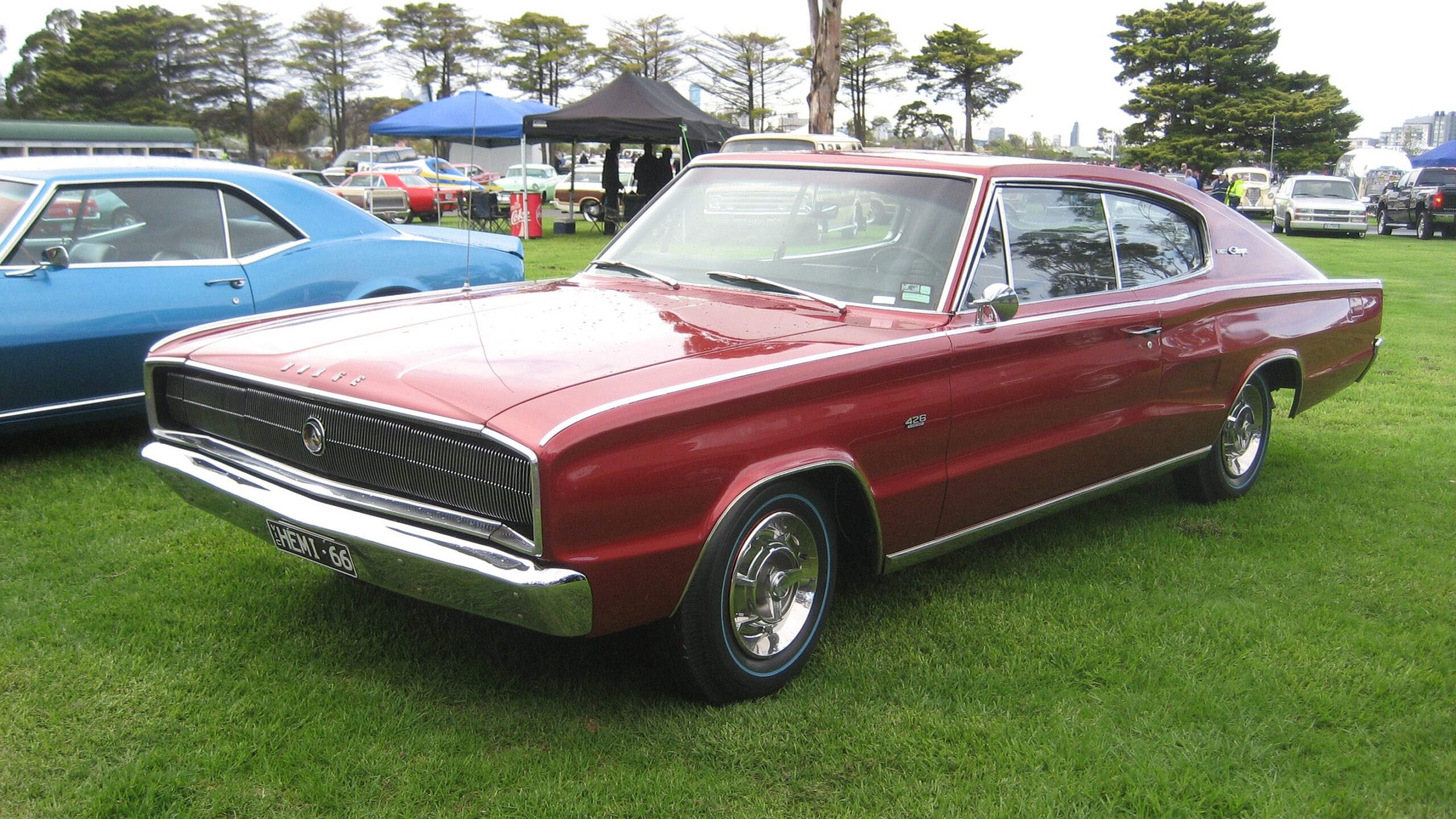
The first-generation Dodge Charger arrived in 1966 as a stylish fastback, but it was the optional 426 Hemi V8, officially rated at 425 horsepower, that turned the car into a street legend. That combination of big-block race hardware and upscale packaging reshaped what American drivers expected from a performance car and helped define the muscle era’s top tier.
What looked like a sleek, four-seat grand tourer was, in Hemi form, essentially a stock car refugee with license plates. The 1966 Hemi Charger bridged showroom glamour and competition-grade engineering, and its influence still echoes in how Dodge builds and markets performance models today.
What happened
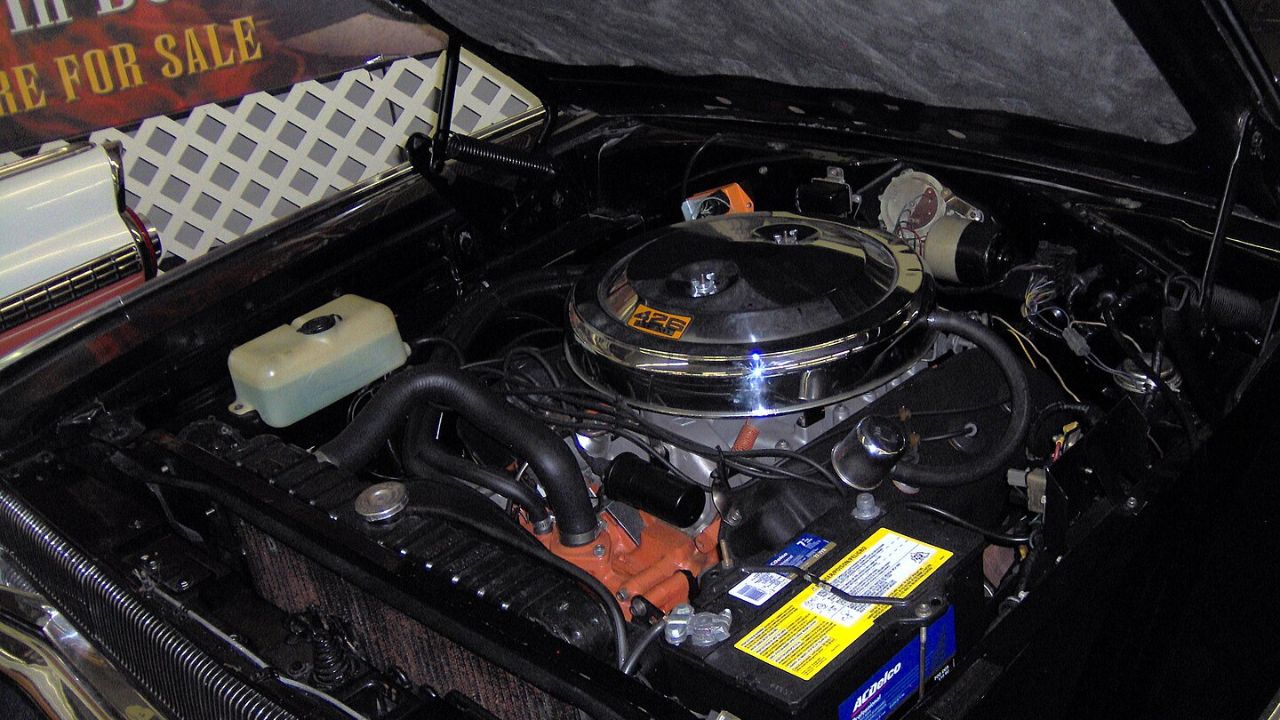
Dodge introduced the Charger for 1966 as a fastback coupe spun off the B-body platform shared with the Coronet. The car carried a full-width grille with hidden headlights, a sweeping roofline, and a four-bucket-seat interior that positioned it above more utilitarian intermediates in price and image. Under the hood, buyers could choose from a range of V8 engines, but the centerpiece was the 426 cubic inch Hemi, a dual-quad, solid-lifter brute that Dodge advertised at 425 horsepower and 490 pound-feet of torque.
The 426 Hemi itself had been developed for NASCAR and drag racing, with hemispherical combustion chambers, massive valves, and a short-duration, high-lift camshaft. In street trim, it used twin Carter AFB four-barrel carburetors on an aluminum intake, forged internals, and heavy-duty cooling and lubrication. In the Charger, that engine turned a relatively plush fastback into what later enthusiasts would describe as one of Mopar’s most underrated muscle cars, a point highlighted in detailed coverage of the 1966 Hemi Charger.
Although the Charger line would become a volume performance nameplate later in the decade, the Hemi option remained rare at the start. Production figures for 1966 show only a small fraction of Chargers built with the 426 Hemi, partly because the engine carried a steep price premium and came with a reputation for temperamental manners in daily traffic. Buyers willing to pay for it received heavy-duty driveline components, including a beefed-up TorqueFlite automatic or four-speed manual transmission and stronger rear axle assemblies, to cope with the Hemi’s output.
The car’s styling and positioning also set it apart from more stripped-down muscle machines. The Charger’s interior featured four individual bucket seats, a full-length center console, and an aircraft-style dashboard with round gauges and optional electroluminescent lighting. Fold-down rear seats and a large hatch-like trunk opening gave the fastback body surprising practicality. That mix of performance and refinement meant the Hemi Charger could serve as both highway cruiser and quarter-mile threat, something that later histories of the Charger nameplate consistently emphasize.
On the track, the Hemi Charger’s close relationship to Dodge’s competition program became clear. NASCAR teams used Charger sheetmetal over race-prepared Hemi engines, and drag racers quickly recognized the car’s potential as a factory-backed package. The street version, while detuned compared with pure race motors, still carried much of the same architecture, which gave it a level of performance that rivaled or exceeded most showroom rivals of the time.
Yet the 1966 Hemi Charger did not immediately become a pop-culture staple. Later second-generation Chargers, especially the 1968 to 1970 models with their coke-bottle lines and prominent TV and movie roles, would overshadow the original fastback. As a result, the first-year Hemi cars slipped into a kind of cult status, prized by Mopar enthusiasts but less recognized by the broader public compared with Chevelle SS 396s, GTOs, or later Chargers.
Why it matters
The 1966 Hemi Charger mattered because it changed the rules for what a factory performance car could be. Before it arrived, many high-horsepower models were optioned-up versions of basic intermediates or compacts. Dodge took a different path by pairing a competition-bred big-block with a more upscale, almost personal-luxury body and interior. That strategy previewed a template that modern performance brands still follow: wrap serious power in a car that looks and feels more premium than a bare-bones drag special.
From a performance standpoint, the 425-horsepower rating placed the Hemi Charger at the very top of the mid-1960s horsepower race. Its output exceeded or matched contemporary big-block offerings from Chevrolet, Ford, and Pontiac, and its torque delivery gave the heavy fastback startling acceleration. Period tests recorded quarter-mile times that put the car firmly in the upper tier of street machines, even when saddled with street tires and full exhaust systems. The idea that a relatively plush four-seat coupe could run with lightweight factory hot rods broadened the definition of a muscle car.
The Hemi Charger also reinforced Dodge’s identity as a performance brand rooted in motorsport. The company had already been campaigning Hemi-powered cars in NASCAR and drag racing, but putting essentially the same architecture into a stylish street car blurred the line between race and road. That lineage is central to later timelines that trace the Charger from its early concept roots to modern evolutions that include high-output internal combustion models and battery-electric variants.
In hindsight, the 1966 Hemi Charger can be seen as an early example of a “sleeper” performance package built into what, for many buyers, started as a regular car. Enthusiast discussions of forgotten performance packages often highlight how manufacturers hid serious hardware in otherwise unassuming models. The first Charger was not visually anonymous, but its fastback profile and upscale interior could mislead casual observers into underestimating its potential, especially when the only external clue to a Hemi might be discreet badging.
The car’s influence extends beyond raw numbers. The Hemi Charger helped cement the idea that a performance flagship could sit at the top of a broader lineup, drawing attention to the entire brand. Dodge used the Charger as a halo model, and the Hemi option as a halo within that halo, to pull customers into showrooms. Even buyers who drove away in small-block or big-block non-Hemi Chargers still interacted with a performance-focused image that the 426 engine helped create.
Later Charger generations would reinterpret that formula rather than abandon it. The second-generation cars sharpened the styling and expanded engine choices, while the third and fourth generations experimented with different body styles and market positions. When Dodge revived the Charger name in the 2000s as a four-door sedan, the company again leaned on high-output V8s and aggressive styling to connect with the heritage established by cars like the 1966 Hemi version. That continuity is a recurring theme in long-form historical overviews that track how Dodge repeatedly returns to the Charger as its performance standard-bearer.
The Hemi Charger’s layout also foreshadowed the modern blend of usability and speed. Four real seats, usable cargo space, and highway-friendly gearing made the car more than a weekend toy. Owners could commute, road-trip, and then head to the drag strip, all in the same vehicle. That dual-purpose character resonates with current buyers who expect performance cars to handle daily life as well as spirited driving.
Finally, the 1966 Hemi Charger has gained significance in collector circles. Its relatively low production, combined with the iconic status of the 426 Hemi, has made surviving examples highly sought after. Values reflect not only rarity but also recognition that this was a foundational car in the story of American performance. As interest in 1960s and 1970s muscle continues, the first Hemi Chargers stand as artifacts from the moment when Dodge fully committed to building some of the most aggressive street cars in Detroit.
What to watch next
The legacy of the 1966 Hemi Charger is not frozen in time. Dodge continues to reinterpret the Charger formula, and the way it balances power, technology, and heritage in upcoming models will show how the spirit of that original Hemi car evolves in a new era of regulations and electrification.
One clear thread is the brand’s determination to keep performance central even as powertrains change. Recent coverage of the 2025 Charger Sixpack highlights how Dodge is exploring twin-turbo inline-six engines as a successor to outgoing V8s, while still targeting output figures that fit the Charger’s reputation. That approach echoes the 1966 strategy of pairing advanced engine technology with a distinctive body and interior, only now the engineering focus shifts from hemispherical combustion chambers to forced induction and emissions compliance.
At the same time, Dodge is preparing battery-electric versions of the Charger, positioning them as high-performance flagships rather than economy specials. Timelines that track the Charger from its origins to cutting-edge EV concepts show a throughline: the nameplate consistently sits at the sharp end of Dodge’s performance ambitions, regardless of whether the power comes from carbureted big-blocks, supercharged V8s, or electric motors.
Enthusiasts watching this transition often look back to cars like the 1966 Hemi Charger as benchmarks for authenticity. The question is not whether new Chargers can match a 425-horsepower Hemi in a straight line, since modern engineering can easily exceed those numbers. Instead, the focus falls on whether upcoming models capture the same sense of purpose: a car that feels like a serious performance machine first and a stylish cruiser second, with engineering that traces back to some form of competition or technical ambition.
Design will play a key role. The original Charger’s fastback profile and full-width grille created an instantly recognizable silhouette that set it apart from more conventional coupes. Later generations, especially the late-1960s cars, built on that identity. Recent historical pieces on Charger styling show how each era reinterpreted the basic themes of aggression and motion. Upcoming Chargers, both combustion and electric, will need to balance aerodynamic efficiency with cues that signal power and heritage to buyers who grew up with posters of classic Hemi cars.
There is also a broader industry trend that traces back to what Dodge did in 1966: embedding serious performance hardware in models that, at first glance, look like regular family or commuter cars. Lists of sleeper-style packages often include sedans and coupes that quietly packed big engines or special suspensions. As electrification spreads, manufacturers may revisit that strategy, using software-limited power levels or optional performance modes to turn mainstream EVs into modern equivalents of the Hemi Charger concept.
For collectors and historians, the next few years will likely bring renewed attention to early Hemi Chargers as the nameplate hits more anniversaries. Coverage that already celebrates the 60-year milestone for the 1966 model underscores how quickly the car has moved from used muscle to significant artifact. As Dodge launches new generations, interest in the original may climb further, especially among younger enthusiasts who discover the lineage through modern cars first and then work backward.
Ultimately, the Charger story illustrates how a single model year can set a trajectory that lasts decades. When Dodge chose to drop a race-bred 426 Hemi into a stylish fastback in 1966, the company defined what “Charger” would mean for generations: a car that pairs bold design with power figures that sit at the top of the market. As the brand navigates emissions rules, electrification, and changing buyer tastes, the 1966 Hemi Charger remains a reference point for what a Dodge performance flagship should be. The specifics of displacement, cylinder count, or energy source may change, but the expectation that a Charger delivers serious, headline-grabbing performance traces straight back to that 425-horsepower fastback that changed street performance culture.
More from Fast Lane Only