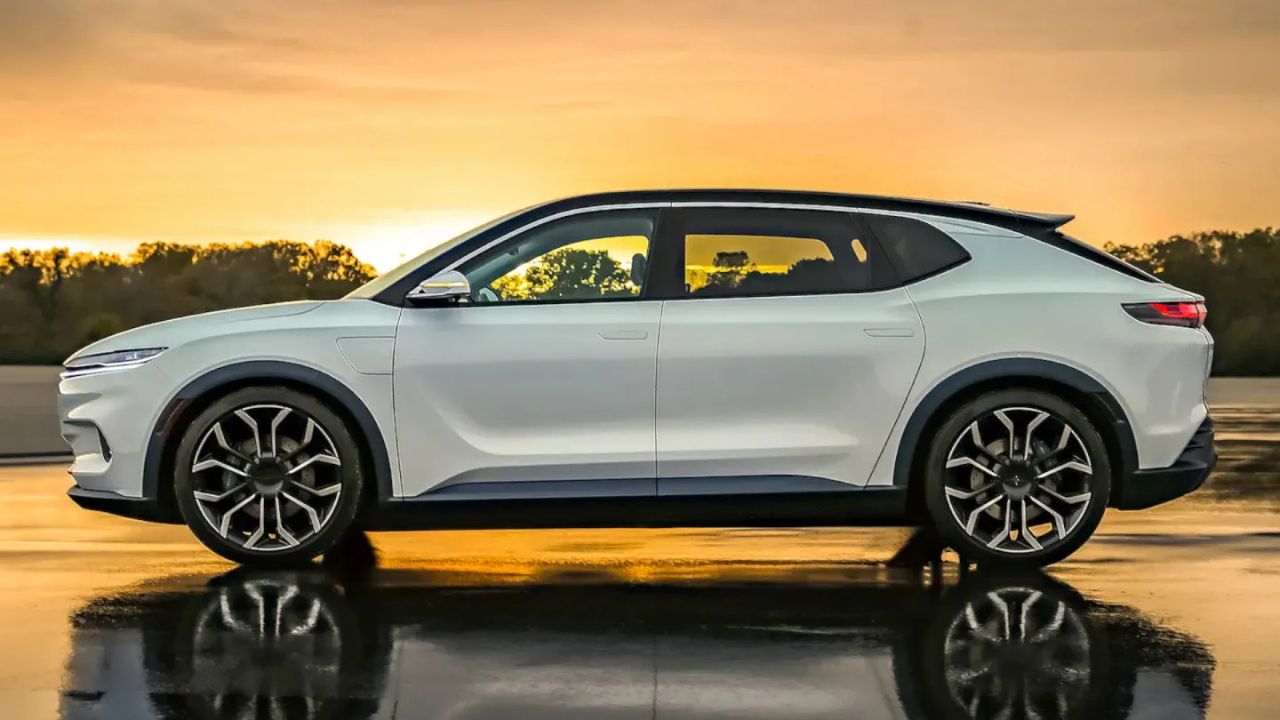
For several years, the Airflow concept was positioned as a glimpse into Chrysler’s electric future, showcasing sleek styling, advanced connectivity, and a vision for the brand’s transformation in the EV era. Now, however, Chrysler appears to be moving away from the Airflow project as originally presented, signaling a broader shift in how the automaker plans to reinvent itself under the Stellantis umbrella.
The change highlights the challenges automakers face when turning ambitious concept vehicles into production realities, especially in a rapidly evolving electric vehicle market.
How Chrysler’s Airflow concept became a symbol of its EV ambitions
When Chrysler unveiled the Chrysler Airflow, it was intended to demonstrate the brand’s future direction. The concept featured aerodynamic styling, a minimalist cabin, advanced digital interfaces, and a battery-electric platform designed to showcase what a next-generation Chrysler could look like.
At the time, the Airflow represented more than just a concept car. It served as a statement that Chrysler intended to reinvent itself as a modern electric brand after years of relying on a relatively small lineup centered around minivans and aging passenger vehicles.
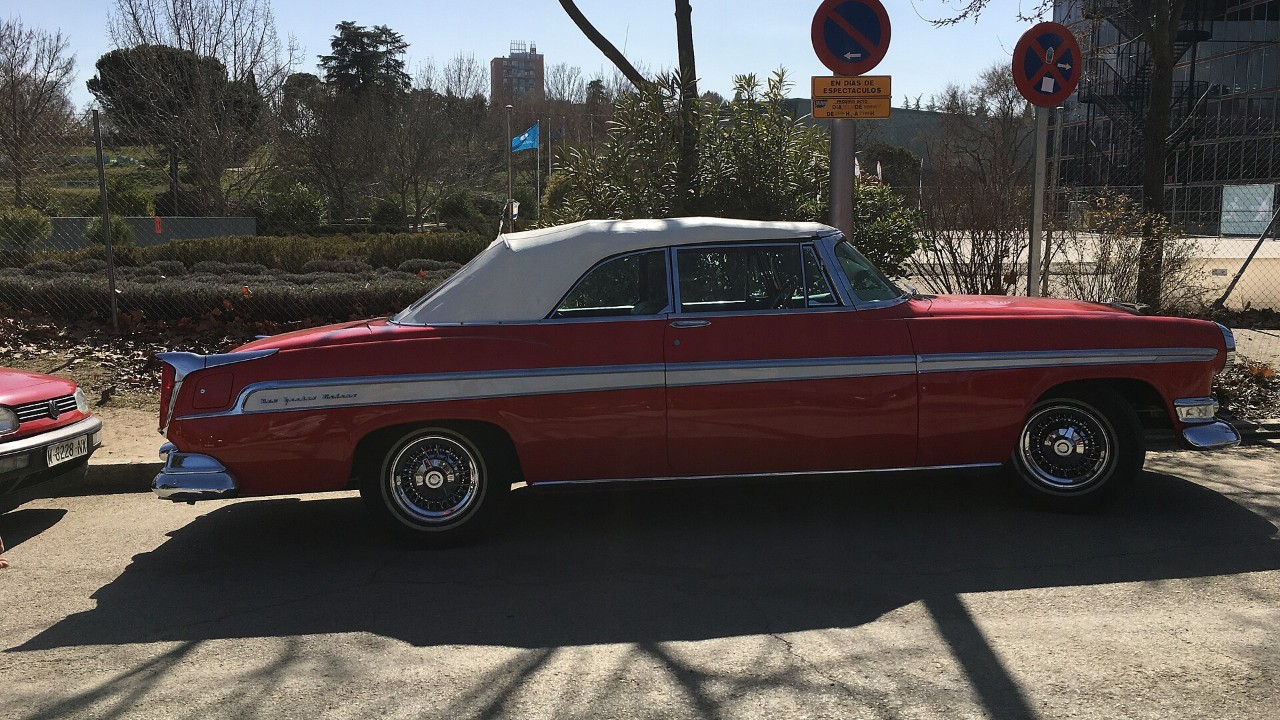
The concept drew inspiration from the historic Chrysler Airflow nameplate, one of the most innovative vehicles of its era. By reviving the name, Chrysler sought to connect its future ambitions with a legacy of engineering innovation.
However, as Stellantis refined its product plans and EV strategy, the Airflow concept gradually became less central to Chrysler’s public messaging. Instead of moving directly from concept to production, the company appears to be pursuing a different approach to its upcoming electric lineup.
Why the shift matters for Chrysler’s future
The decision to move beyond the Airflow concept reflects the realities of today’s automotive market. Vehicle development cycles are lengthy, and consumer preferences, technology, and regulatory requirements can change significantly between a concept’s debut and a production vehicle’s launch.
For Chrysler, the pivot may allow greater flexibility in designing products that better match current market conditions. The EV landscape has become increasingly competitive, with manufacturers facing pressure to balance affordability, range, software capabilities, and profitability.
The move also underscores the broader challenges facing Chrysler itself. Once one of America’s most recognizable automotive brands, Chrysler has spent much of the past decade with a limited product portfolio. Under Stellantis, the brand is expected to play a larger role in the company’s electrification strategy, making the success of its future EVs particularly important.
Rather than being tied to a single concept vehicle, Chrysler now appears focused on developing a broader vision for its next-generation products. That could include electric crossovers, family-oriented vehicles, or entirely new segments designed to rebuild the brand’s relevance in North America and beyond.
How the EV market changed after the Airflow debuted
The Airflow concept emerged during a period of intense enthusiasm for electric vehicles. Since then, the market has evolved considerably.
Consumer demand has become more selective, with buyers placing greater emphasis on affordability and practicality rather than futuristic styling alone. At the same time, automakers have faced rising development costs, battery supply challenges, and growing pressure to deliver profitable EV programs.
These changes have prompted many manufacturers to rethink previously announced products. Some concepts have been delayed, redesigned, or replaced entirely as companies adapt to shifting market realities.
For Chrysler, moving away from the Airflow concept may simply reflect a desire to launch vehicles that better align with current consumer expectations rather than remaining committed to a design created several years earlier.
What to watch next
The key question is what Chrysler introduces in place of the Airflow vision. Industry observers expect the brand to remain committed to electrification, but future products may feature different styling, packaging, and technology strategies than those originally shown on the concept.
Attention will also focus on how Chrysler differentiates itself within the broader Stellantis portfolio. With Jeep, Dodge, Ram, and other brands already occupying distinct market positions, Chrysler will need a clear identity to attract new buyers.
Software integration, advanced driver-assistance systems, and family-focused practicality are likely to remain central themes. The company has repeatedly emphasized its intention to modernize the ownership experience through connected services and digital technologies.
For now, the fading prominence of the Airflow concept does not signal the end of Chrysler’s EV ambitions. Instead, it suggests the brand is refining its strategy—moving away from a specific concept vehicle and toward a broader plan aimed at securing its place in the next generation of electric mobility.
More from Fast Lane Only
- Unboxing the WWII Jeep in a Crate
- 15 rare Chevys collectors are quietly buying
- 10 underrated V8s still worth hunting down
- Police notice this before you even roll window down
*Research for this article included AI assistance, with all final content reviewed by human editors