Fighter aircraft cockpits are essential for function and control, but many classic designs also embody a certain artistic flair. These cockpits are not just utilitarian spaces; they are masterpieces of engineering and design. Classic fighter cockpits continue to captivate aviation enthusiasts and historians alike.
The Evolution of Cockpit Design

The early 20th century marked significant breakthroughs in cockpit design, setting the stage for future innovations. Initially, cockpits were open, exposing pilots to the elements and limiting their operational capability. The transition to enclosed cockpits was a revolutionary change that not only improved pilot safety and comfort but also allowed for more intricate instrumentation and controls. This era laid the groundwork for what would become a blend of functionality and artistry in aviation design.
Technological advancements played a crucial role in shaping cockpit aesthetics and functionality. As aviation technology evolved, so did the complexity and capability of cockpit design. Advanced materials and manufacturing techniques enabled designers to create more ergonomic and visually appealing spaces. The integration of new technologies, such as radar and advanced avionics, further transformed cockpits into sophisticated hubs of control and communication, each with its own unique artistic touch.
Iconic Cockpits of World War II

The British Spitfire’s cockpit is a prime example of elegance combined with functionality. Known for its sleek lines and intuitive layout, the Spitfire’s cockpit was designed to give pilots a clear view and easy access to controls. The harmonious arrangement of instruments and the overall aesthetic appeal made it not only a functional space but also a work of art. Its design continues to be celebrated by aviation enthusiasts who view it as a pinnacle of wartime engineering.
Similarly, the Messerschmitt Bf 109 stands out as a marvel of German engineering. The cockpit was designed with precision, focusing on ergonomics and visual appeal. This aircraft’s layout was both practical and striking, allowing pilots to operate efficiently while also enjoying a visually pleasing environment. The Bf 109’s design reflects the meticulous attention to detail that characterized German aircraft of the era, and it remains a topic of admiration and study among historians and aviation enthusiasts.
Post-War Design Marvels

The F-86 Sabre represents a shift towards simplicity and efficiency in post-war cockpit design. Its clean and uncluttered layout was a response to the need for quicker pilot training and easier aircraft maintenance. The F-86’s cockpit was a testament to how simplicity could enhance both functionality and aesthetic appeal. This design philosophy influenced many subsequent aircraft cockpits, emphasizing the importance of clear, intuitive layouts.
On the other hand, the MiG-15’s cockpit showcased Soviet flair in its design approach. Known for its robust and practical layout, the MiG-15 combined functionality with unique design elements that reflected Soviet engineering principles. The cockpit was straightforward yet effective, providing pilots with the tools needed for combat while maintaining an intriguing aesthetic that continues to draw interest and admiration. The MiG-15 remains a subject of fascination for those interested in the evolution of Soviet aviation design.
The Jet Age Transformation

The Phantom F-4’s cockpit was a symbol of the technological leap experienced during the jet age. Its intricate and complex design reflected the era’s focus on integrating advanced technology into aircraft systems. The cockpit featured a multitude of instruments and controls, showcasing the rapid advancements in avionics and radar technology. This complexity was both a challenge and a marvel, representing the cutting-edge of aviation design at the time.
In contrast, the Mirage III’s cockpit was celebrated for its sleekness and minimalist approach. French design sensibilities were evident in its streamlined layout, which prioritized pilot comfort and ease of use. The Mirage III demonstrated how a minimalist design could still accommodate advanced technology without sacrificing aesthetic appeal. This approach influenced many modern aircraft and remains a benchmark for combining elegance with functionality.
The Role of Aesthetics in Modern Cockpit Design
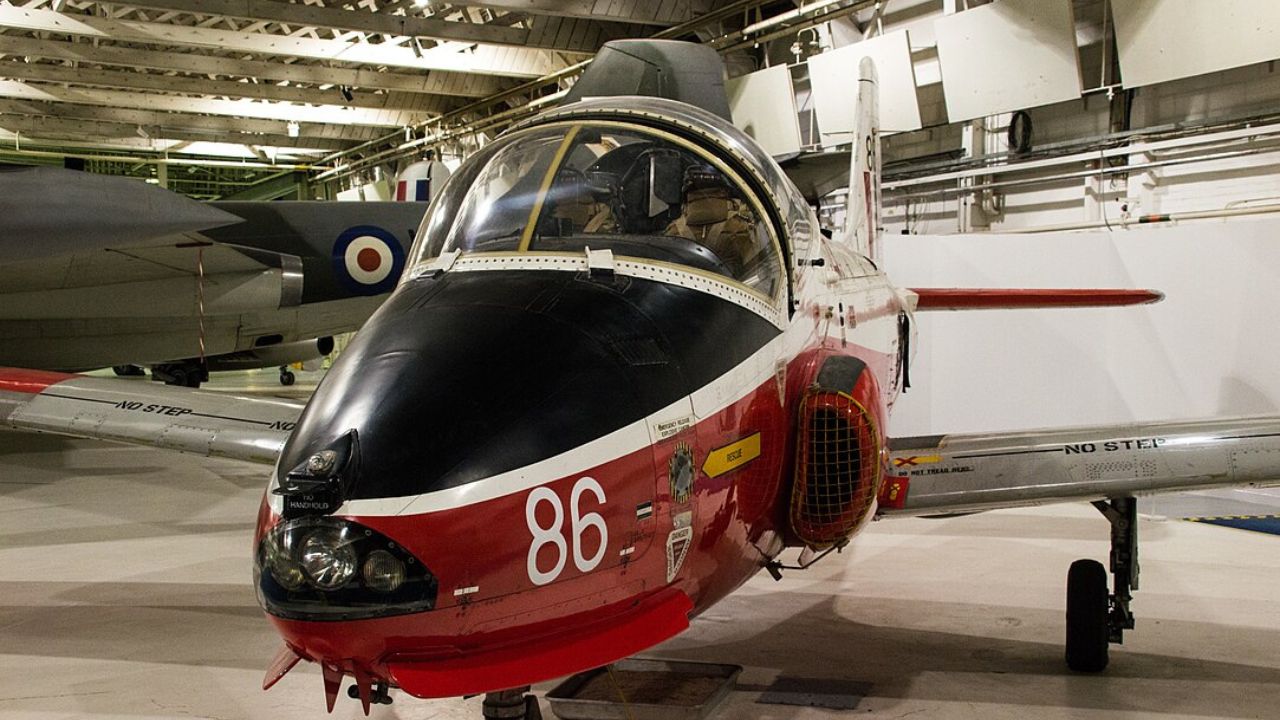
In contemporary fighter aircraft, the balance between form and function remains a key consideration. Modern cockpits continue to draw inspiration from classic designs, blending aesthetics with advanced technology. The integration of digital interfaces and ergonomic layouts reflects an ongoing commitment to creating spaces that are both functional and visually appealing. The legacy of classic cockpits is evident in the thoughtful design choices that continue to shape modern aircraft.
The advent of virtual reality and digital displays has further reshaped cockpit design, allowing for more flexible and innovative approaches. These technologies offer new possibilities for integrating artistic elements into cockpit layouts, enhancing both the pilot’s experience and the overall aesthetic of the space. As technology continues to evolve, the artistic aspects of cockpit design are likely to remain a focus, ensuring that the legacy of classic cockpits endures.
The Legacy of Classic Cockpit Design

Classic cockpits continue to inspire contemporary designers and engineers as they create the next generation of fighter aircraft. The principles of ergonomic design, aesthetic appeal, and technological integration established by these historical cockpits serve as a foundation for future innovations.
As aviation technology advances, the influence of classic designs remains a guiding force, ensuring that the artistry of cockpit design is never lost. Efforts to preserve and restore these classic cockpits are essential for maintaining their historical and artistic significance. Restoration projects and museum displays play a crucial role in keeping these masterpieces accessible to future generations. By honoring the legacy of classic cockpit design, we ensure that the artistry and innovation of these spaces continue to be celebrated and studied for years to come.