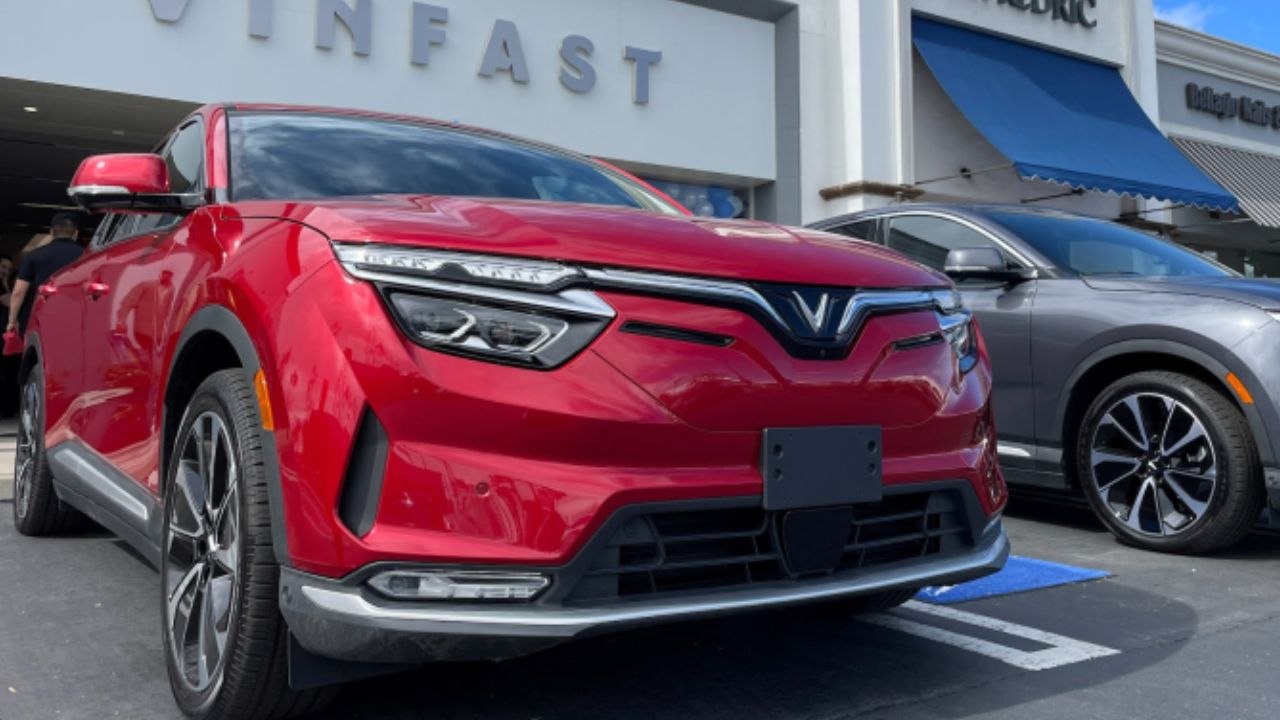
The state of North Carolina has filed a lawsuit against VinFast over a disputed land deal tied to its planned electric vehicle manufacturing facility, escalating tensions around a high-profile investment that was originally expected to bring thousands of jobs and major industrial growth to the region.
The legal action centers on delays and unmet conditions connected to the development timeline for the proposed EV plant.
What happened
North Carolina officials allege that VinFast failed to meet key obligations tied to its large-scale factory project, including development milestones on a previously agreed land deal intended to support the construction of its U.S. manufacturing base.
The project was initially positioned as a major economic development win for the state, with promises of significant investment, job creation, and long-term industrial activity centered around electric vehicle production. The site was expected to become a key hub for VinFast’s North American expansion strategy.
However, according to the lawsuit, progress on the facility has not aligned with the timelines outlined in the agreement. State authorities are now seeking legal remedies, which could include enforcement of contractual terms, financial penalties, or renegotiation of the land deal.
VinFast has been expanding rapidly in global markets, but like many emerging EV brands, it has faced challenges related to scaling production, managing capital-intensive factory builds, and navigating complex international supply chains.
Why it matters
The dispute highlights the risks states face when offering large incentives and land deals to attract EV manufacturers. In recent years, U.S. states have competed aggressively to secure electric vehicle plants, often promising tax breaks, infrastructure support, and expedited approvals in exchange for job creation commitments.
When projects are delayed or scaled back, governments may be left with unused infrastructure investments and political pressure from communities expecting economic growth. The VinFast case underscores how ambitious EV expansion plans can face significant execution challenges, especially for newer automakers entering highly competitive markets.
It also reflects broader uncertainty in the global EV industry. Many companies are balancing aggressive expansion plans with fluctuating demand, rising costs, and shifting investment conditions. Large factory projects require sustained capital and long-term stability, making delays or renegotiations relatively common in early-stage development phases.
What to watch next
The outcome of the lawsuit will likely depend on whether VinFast can demonstrate compliance progress or renegotiate terms with state officials. Possible resolutions could include revised timelines, modified investment commitments, or financial settlements tied to land use agreements.
Broader attention will also focus on VinFast’s U.S. strategy, including whether it continues to prioritize large-scale manufacturing in North America or adjusts its expansion pace to match market conditions.
The case may also influence how other states structure future EV incentives, potentially leading to stricter milestone requirements and tighter oversight for large industrial development deals.
More from Fast Lane Only