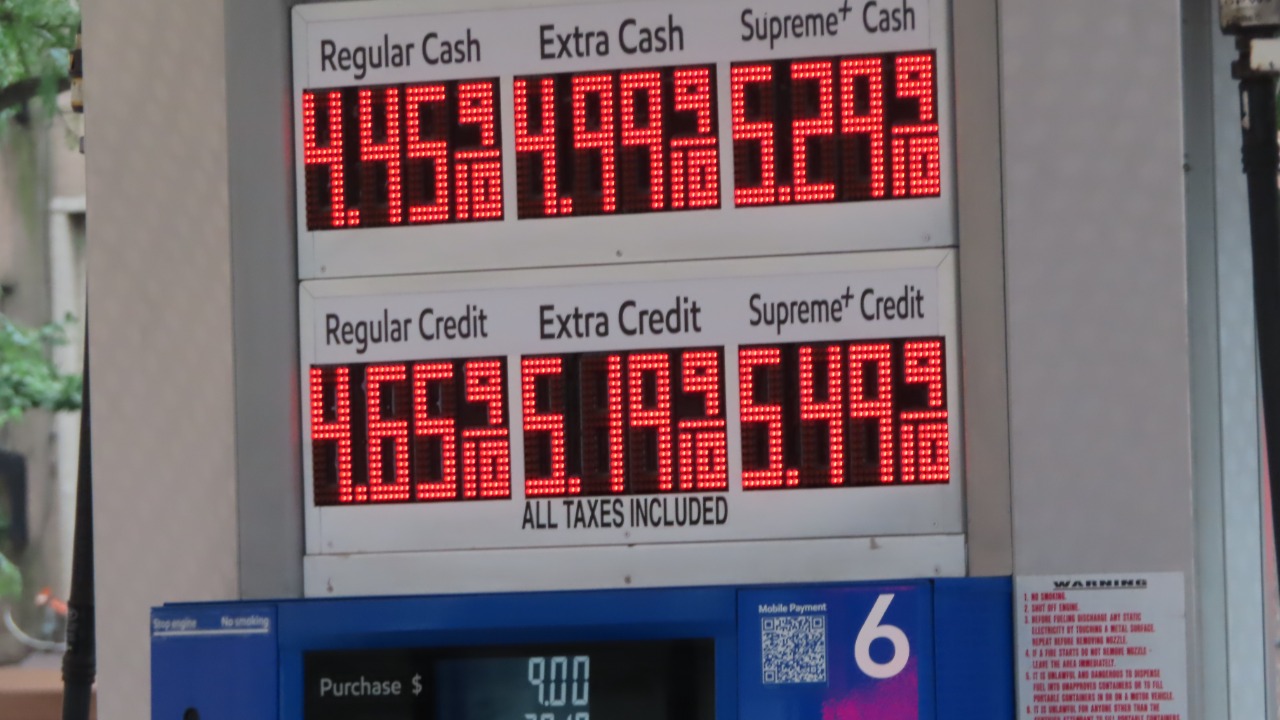
Fuel costs across the United States have climbed to their highest level in four years, with regular gasoline reportedly averaging around $4.56 per gallon in some areas. The spike is putting renewed pressure on drivers, commuters, and logistics operators already dealing with broader inflation and transportation costs.
The increase reflects a combination of global oil market volatility, refining constraints, and seasonal demand patterns that typically push prices higher during peak travel periods.
What happened
Gasoline prices in the U.S. have risen sharply in recent weeks, reaching levels not seen since earlier supply shocks in the global energy market. The national average for regular fuel is now hovering near $4.56 per gallon in certain reporting periods, with some regions experiencing even higher localized prices depending on taxes, distribution costs, and refinery access.
gasoline prices are influenced by multiple factors, including crude oil costs, refinery output, transportation logistics, and seasonal demand increases. When crude oil prices rise or refining capacity tightens, retail fuel prices typically follow within days or weeks.
In addition, maintenance cycles at key refineries and global supply uncertainties have contributed to reduced output in some regions, tightening available supply. At the same time, demand often increases during warmer months as more drivers travel, further pushing prices upward.
Regional variation remains significant. Urban areas and states with higher fuel taxes or longer supply chains tend to see prices above the national average, while oil-producing regions often remain lower.
Why it matters
Higher gas prices have a direct impact on household budgets, especially for commuters who rely on personal vehicles for daily travel. Even small increases per gallon can add up to hundreds of dollars per year in additional transportation costs.
The rise also affects commercial sectors, particularly trucking and delivery services, where fuel is one of the largest operating expenses. Increased costs are often passed down through supply chains, contributing to broader price pressure on goods and services.
There are also behavioral effects. Sustained high fuel prices can shift consumer preferences toward more fuel-efficient vehicles, hybrid models, or electric vehicles, while also encouraging reduced driving or increased use of public transportation where available.
What to watch next
The trajectory of gas prices will depend heavily on crude oil markets, refinery stability, and geopolitical developments affecting global supply. Any disruptions in major oil-producing regions could push prices even higher, while increased production or lower demand could ease pressure.
Seasonal factors will also play a role, as prices often fluctuate between summer travel peaks and winter demand slowdowns. Government policy decisions, including potential releases from strategic reserves or regulatory adjustments, could also influence short-term pricing.
For now, the $4+ average marks a significant psychological threshold for drivers, reinforcing how sensitive transportation costs remain to global energy market shifts.
More from Fast Lane Only